

19th Century Seat
A 19th century seat delivers the solid construction and diverse regional forms that define the period's domestic interior.
19th Century Seat
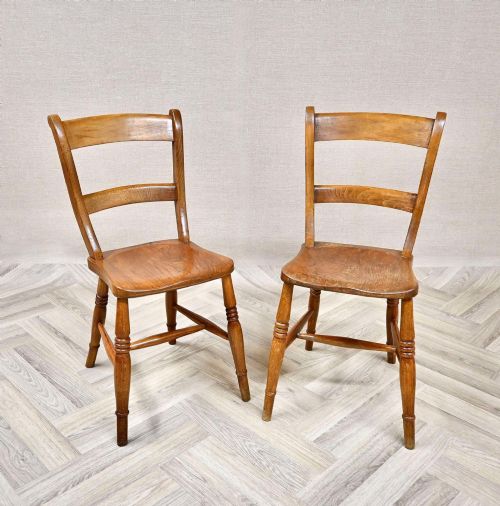
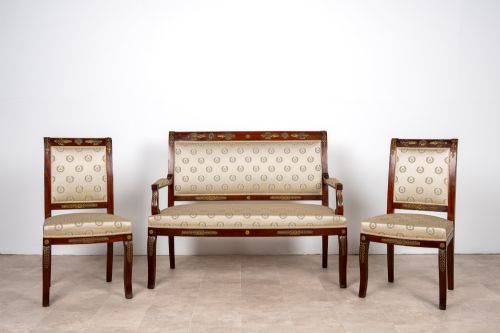
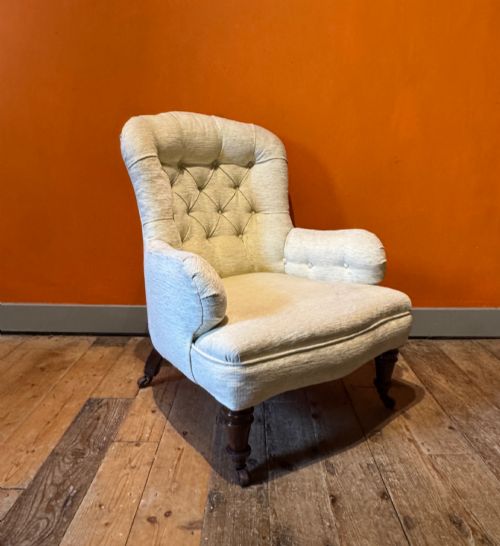
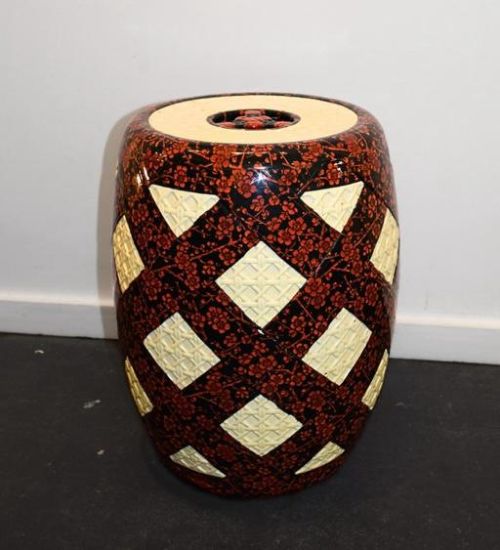
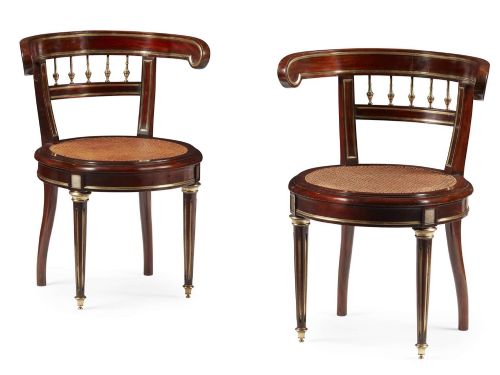
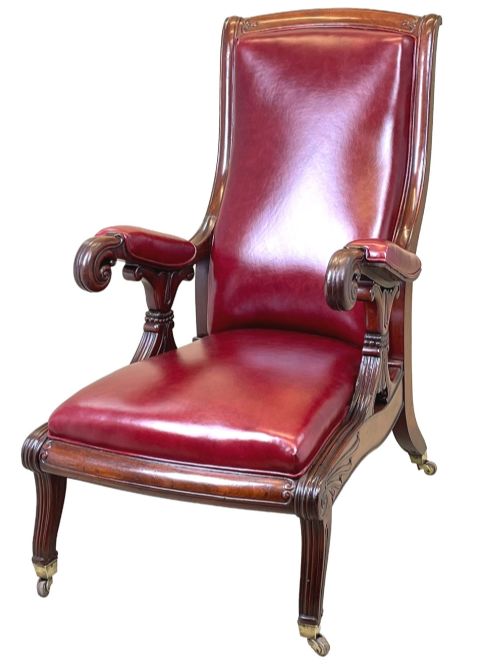
When searching for a 19th century seat, a buyer encounters a broad spectrum of domestic furniture ranging from everyday dining chairs and Windsor armchairs to formal parlor seating and long benches. The selection spans the Georgian, Regency, William IV, and Victorian eras, reflecting shifting tastes across English, French, Irish, and Swedish workshops.
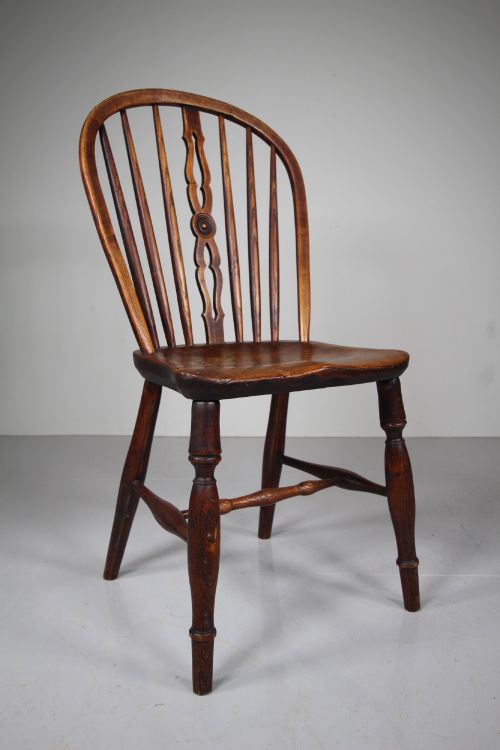
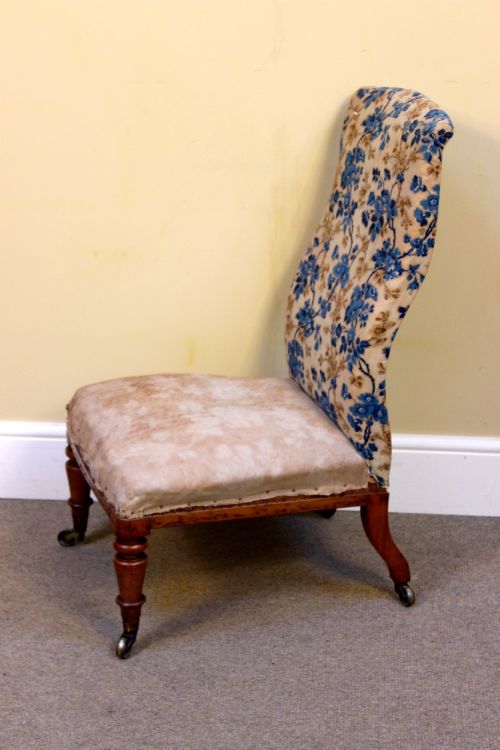
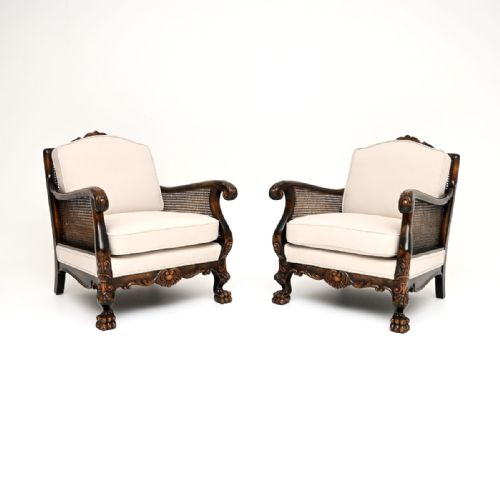
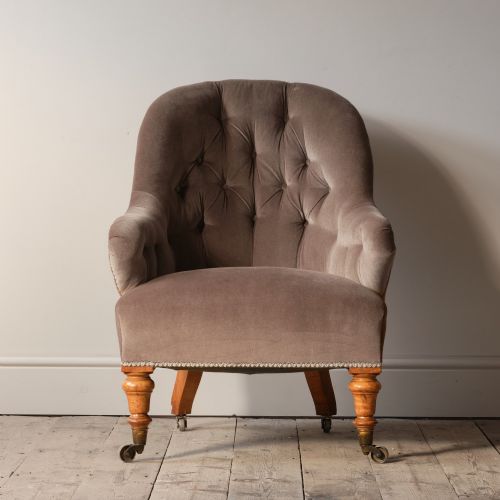
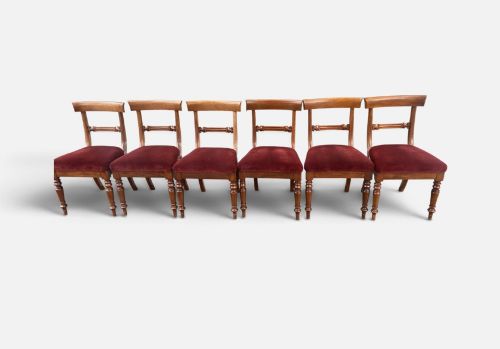
The most common versions met on this page include mahogany dining chairs with balloon backs, vernacular elm and ash Windsor armchairs, and various upholstered armchairs and footstools. Specialised forms such as music chairs, duet piano stools, and campaign chairs also appear alongside grander hall benches and settees.
Materials and Construction
Cabinetmakers and rural bodgers utilised native and imported timbers including mahogany, walnut, ash, elm, beech, and satin birch, often pairing solid wood frames with cane, brass, or carved giltwood details. Upholstered pieces relied on traditional stuffing and textile coverings such as velvet, wool, and floral fabric.
Joinery techniques varied by regional tradition and form, employing traditional mortise and tenon joints for sturdy dining chairs, steam-bending for Windsor chair backs, and intricate hand-carving or mother-of-pearl inlay for decorative benches and occasional chairs.
19th Century Seat Retail Price Guide 2026
Typical asking prices for 19th century seat among the pieces listed under this phrase on Sellingantiques today, from the lower quarter to the upper quarter. They describe what is for sale here now, not the wider market.
A musical Black Forest bear holds court among the seating, proving that nineteenth-century relaxation occasionally involved a carved ursine companion playing a tune.
Factors of Quality
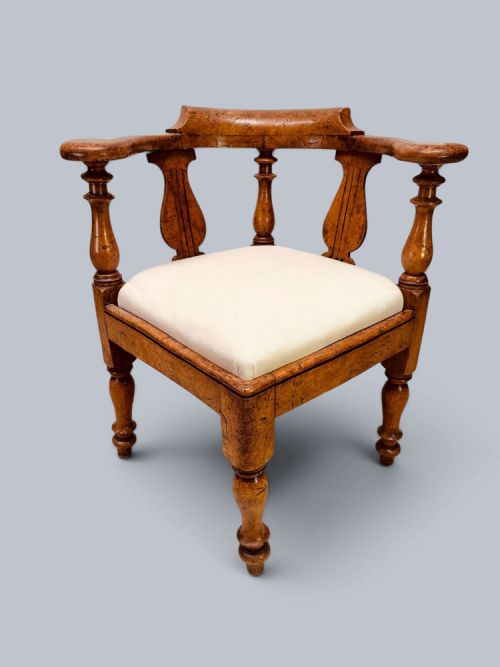
The distinction between ordinary and exceptional pieces rests upon the precision of the joinery, the selection of figured timber such as burr maple or high-grade mahogany, and the integrity of the original structure. Maker attribution through stamps, labels, or documented provenance significantly elevates a piece.
Proportion and comfort also govern quality, as skilled makers balanced decorative carving or gilding with ergonomic seat heights and supportive backrests. Altered frames, replaced elements, or unsympathetic modern re-upholstery diminish the integrity of an antique seat.
Strahan And Co Dublin·Loidrault Freres Paris·James Shoolbred·Miles And Edwards·Howard And Sons·Blackstone And Co·E W Godwin·Charles Hindley And Sons
The 19th Century Seat Glossary
- Balloon back
- A type of chair back shaped in a continuous oval curve resembling a balloon, popular in the Victorian period. This design provided comfortable lumbar support through steam-bent wood.
- Windsor
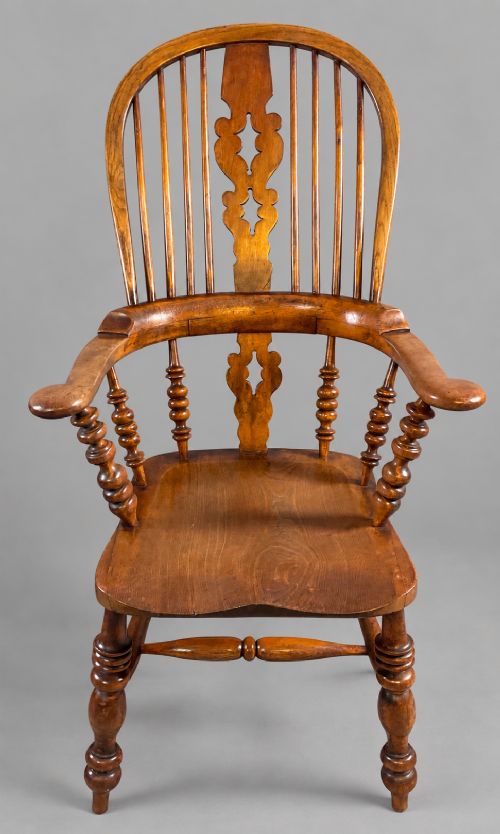
- A vernacular wooden chair constructed with a solid saddle-shaped seat into which the legs and back spindles are wedged. These chairs often combine different woods such as elm for the seat and ash or beech for the hoops and legs.
- Settee
- A long wooden or upholstered seat with a back and arms, designed for more than one person. They appeared in various revival styles during the nineteenth century.
- Giltwood
- Wood that has been coated with a thin layer of gold leaf or powder. This finish was frequently applied to ornate French revival and Victorian salon furniture.
- Gonçalo Alves
- A dense exotic hardwood native to South America, prized for its striking contrasting grain patterns. Regency cabinetmakers utilised this timber for high-status dining chairs.
19th Century Seat: Frequently Asked Questions
How do I identify a Windsor armchair?
A Windsor armchair is distinguished by its heavy, saddle-moulded wooden seat where the legs and back spindles are bored directly into the thick slab rather than attached via a conventional frame. They frequently combine timbers, using elm for the seat and ash or beech for the bentwood bows and spindles.
These chairs range from broad-arm country versions to lighter regional variations like the Thames Valley designs. Their robust construction made them practical for everyday kitchen and parlour use.
Where were hall benches used?
Hall benches and settles were positioned in the entranceways and corridors of large country houses and town residences. They provided a formal seating area for visitors waiting to be received.
Because they occupied transitional spaces, these pieces often featured architectural carved woodwork, panelled backs, or integrated umbrella stands. They were built from durable woods like oak and mahogany to withstand heavy traffic.
How do I care for antique upholstery?
Antique upholstery requires gentle maintenance, avoiding direct sunlight and excessive heat that can degrade historic textiles and internal stuffing. Regular light vacuuming with a soft brush attachment prevents dust accumulation on fabrics like velvet and wool.
When structural repairs or recovered surfaces are necessary, traditional conservation methods should be employed to preserve the underlying webbing, springs, and frame integrity.