




19th Century Sea Painting
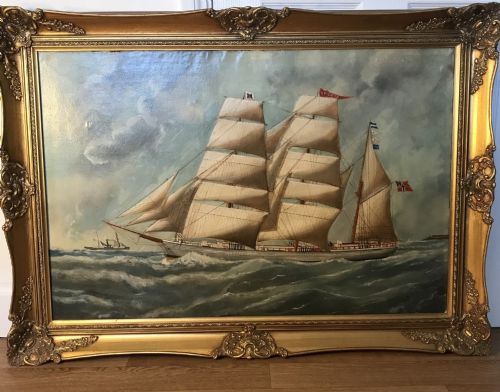
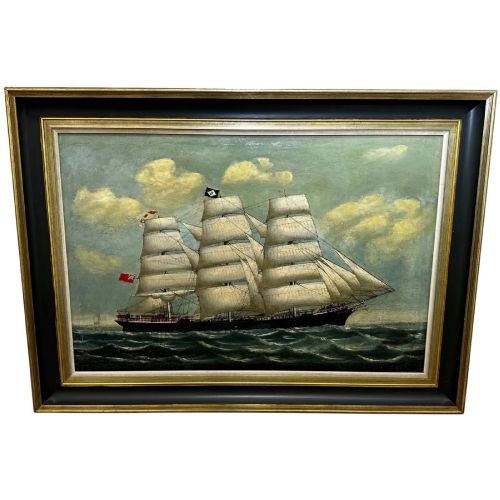
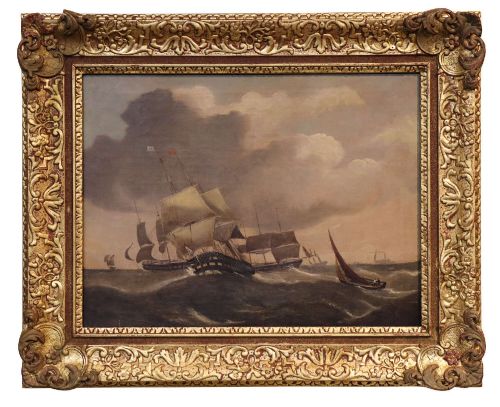
19th century sea painting captures the raw power of the ocean and the vital maritime commerce of the era through accomplished oil and watercolour works.

19th Century Sea Painting
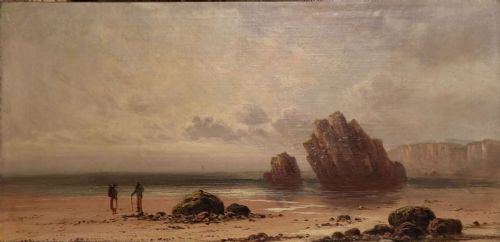
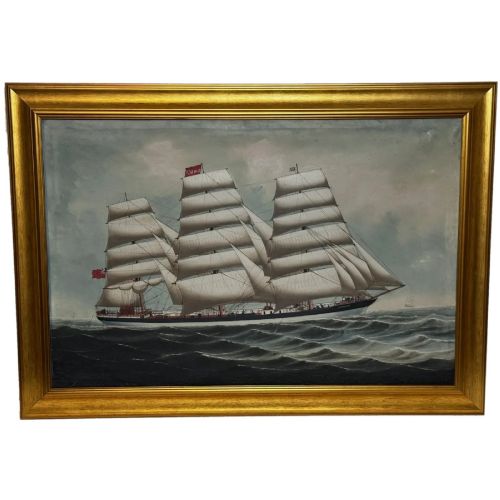
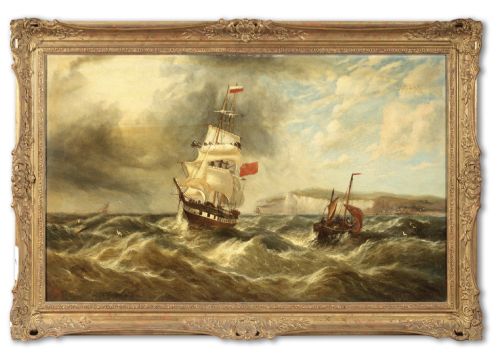
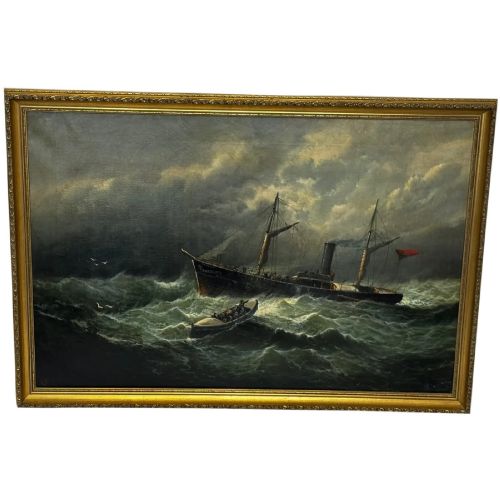
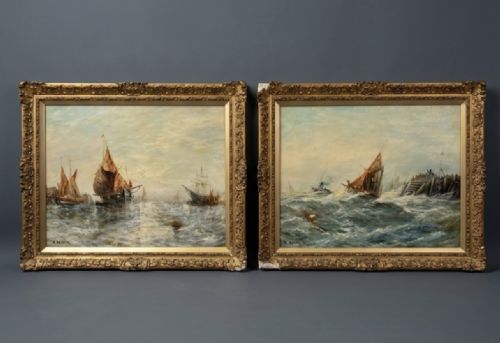
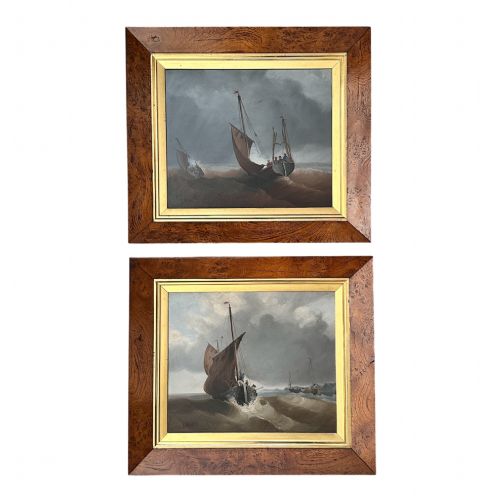
When exploring 19th century sea painting, you encounter diverse maritime subjects ranging from calm coastal harbours and fishing boats to dramatic shipwrecks in heavy seas.
The selections on this page heavily feature traditional British and European coastal scenes, featuring specific locales like St Ives, Scarborough, and the Yorkshire coast alongside named vessels.
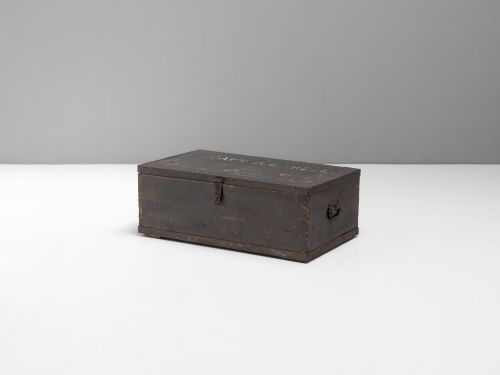
Beyond traditional framed canvas works, related maritime objects surface frequently, including detailed cased dioramas of sailing ships and decorated seaman's chests.
How They Were Made
Artists utilised oil paint on canvas or board to achieve rich, layered textures suitable for turbulent waves and atmospheric skies.
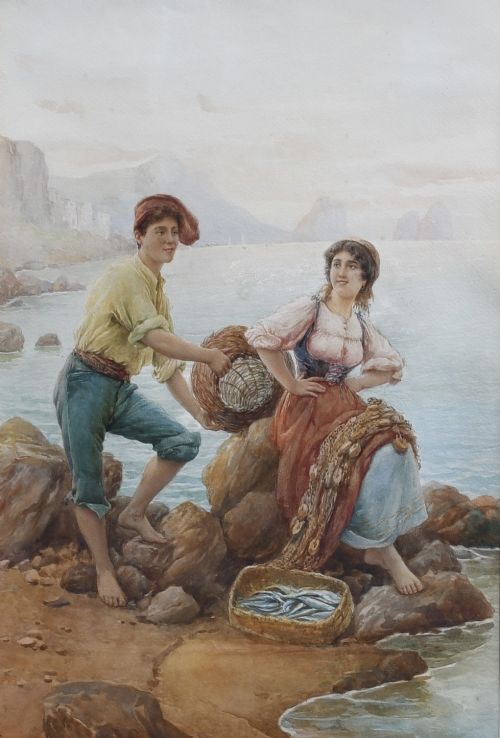
Watercolour paint on paper was heavily employed for luminous coastal sketches and detailed harbour views, often finished with ink or pencil underdrawings.
Works were typically housed in period gilt wood frames, whilst related maritime artefacts incorporated painted pine, camphor-wood, leather, and brass bindings.
19th Century Sea Painting Retail Price Guide 2026
Typical asking prices for 19th century sea painting among the pieces listed under this phrase on Sellingantiques today, from the lower quarter to the upper quarter. They describe what is for sale here now, not the wider market.
Several sailors clearly had a soft spot for domestic comfort, storing their charts inside camphor-wood trunks smelling faintly of old voyages.
What Varies In Quality
The distinction between standard works and superior pieces rests on the artist's command of maritime anatomy, rigging accuracy, and dynamic water movement.
Signatures, robust provenance, and attribution to documented marine artists elevate individual paintings above anonymous student or amateur school productions.
The physical condition of the canvas, pigment stability, and the presence of original period framing significantly influence the desirability of each piece.
James Orrock·William Banks Fortescue·John Rose Miles·William Broome·Bernard Benedict Hemy·Lai Fong·John Moore of Ipswich·Richard B Spencer·William Henry Williamson·George Stanfield Walters·Henry Barlow Carter·William Frederick Settle·John McDougal·Claude Thomas Stanfield Moore·Samuel Owen·William Edward Frost·Anthony Graham·John Wilson Carmichael·John Syer·James Webb·Edward William Cooke·Charles Williams·Thomas Bush Hardy·William James S Crampton·Thomas Sidney
The 19th Century Sea Painting Glossary
- Seascape
- A work of fine art that depicts the sea, ships, or coastal views. These subjects gained immense popularity during the Victorian era.
- Diorama
- A three-dimensional miniature scene enclosed within a glass-fronted case. In maritime contexts, these typically model sailing ships using carved wood, canvas, and painted backgrounds.
- Pierhead painting
- A specific record of a named ship, usually commissioned by its captain or owner. These coastal portraits prioritise accurate rigging and vessel identification.
- Barque
- A sailing vessel with three or more masts. This specific rigging configuration frequently appears in commercial maritime art of the period.
- Gilt wood
- Wood carved and coated with gold leaf or metallic paint. These frames are standard for framing fine 19th century oils.
19th Century Sea Painting: Frequently Asked Questions
How do I identify a Victorian marine painting?
Look for characteristic subject matter such as three-masted schooners, fishing luggers, and dramatic coastal cliffs rendered in oil or watercolour.
Examinations of the framing, artist signatures, and stretcher bars often provide clues to the exact decade of creation.
What is a ship diorama?
A ship diorama is a cased three-dimensional model depicting vessels under sail, often racing or navigating choppy waters.
These pieces combine carved wooden hulls, paper or textile sails, and painted canvas backgrounds inside glazed wooden boxes.
Who were the notable marine artists?
Numerous professional painters documented Britain's maritime heritage, ranging from regional watercolourists to internationally exhibited Royal Academy members.
Signed works by specialists carry distinct stylistic markers that distinguish them from anonymous contemporary makers.
How should I care for antique watercolours?
Works on paper require protection from direct sunlight and excessive humidity to prevent fading and foxing on the paper support.
Displaying them away from direct heat sources ensures the pigments and original paper remain stable over time.