
19th Century Salon Seating
These 19th century salon seating pieces offer period elegance and refined comfort, bringing historic French and Victorian craftsmanship directly into your drawing room.
19th Century Salon Seating
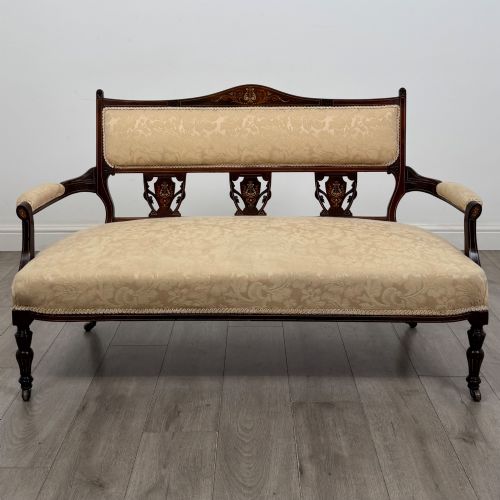
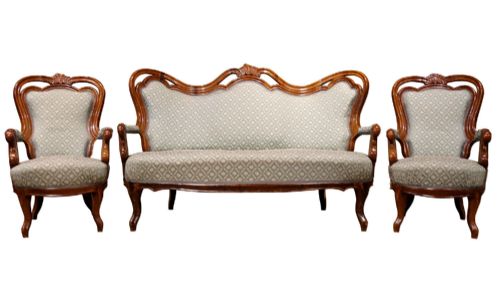
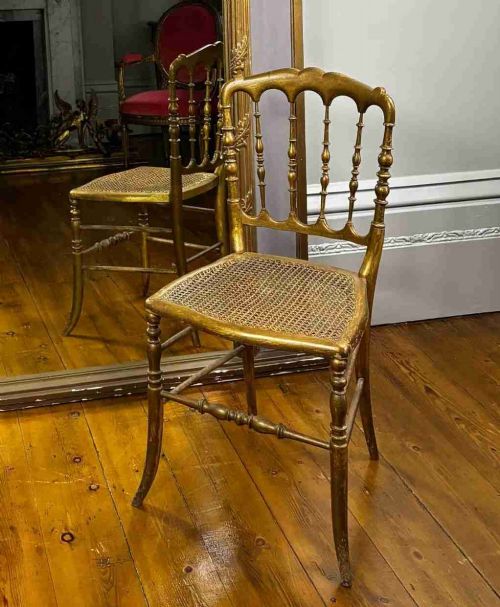
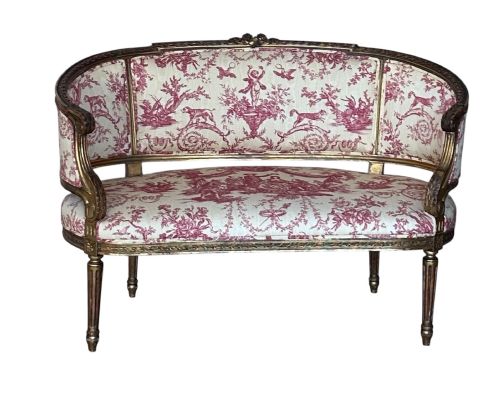
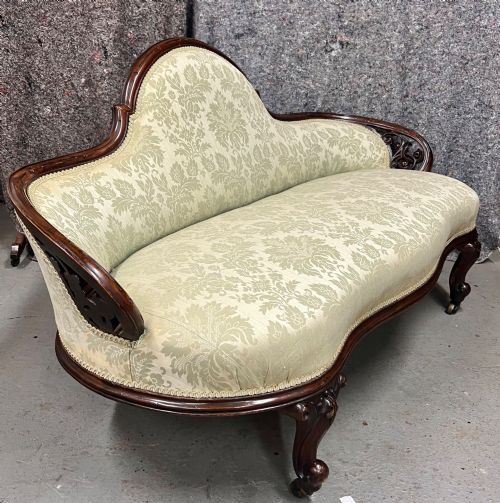
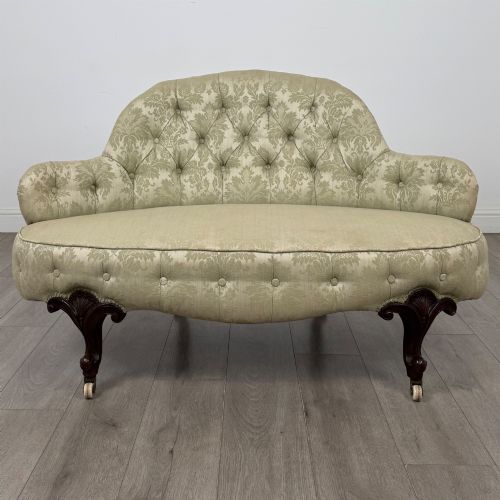
When searching for 19th century salon seating, you encounter a diverse array of formal furniture designed for entertaining and leisure in historic reception rooms. The selection on this page centres primarily on Victorian and French revival forms, spanning armchairs, settees, sofas, and full salon suites.
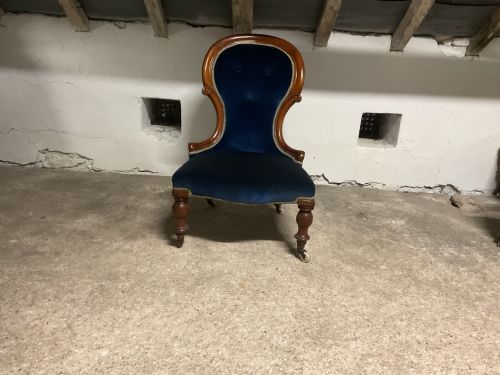
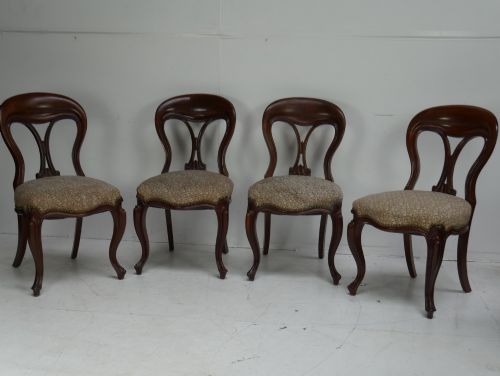
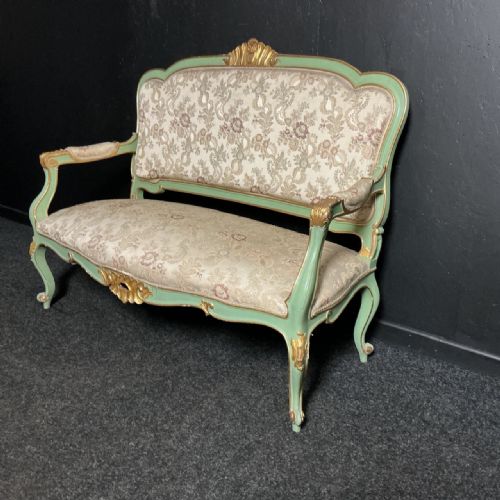
You will frequently meet individual side chairs, nursing chairs, and larger canapés alongside matching suites of multiple chairs and a settee. Origins stretch across English workshops and continental makers, incorporating stylistic revivals such as Rococo and Louis XVI.
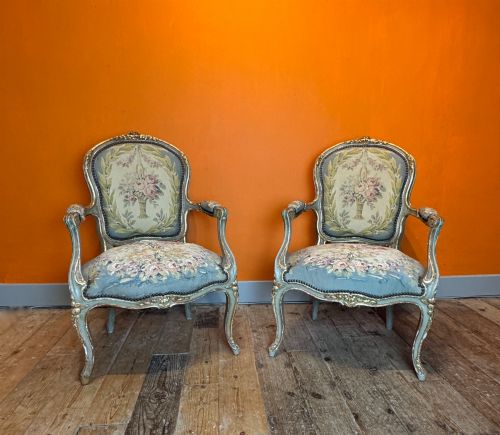
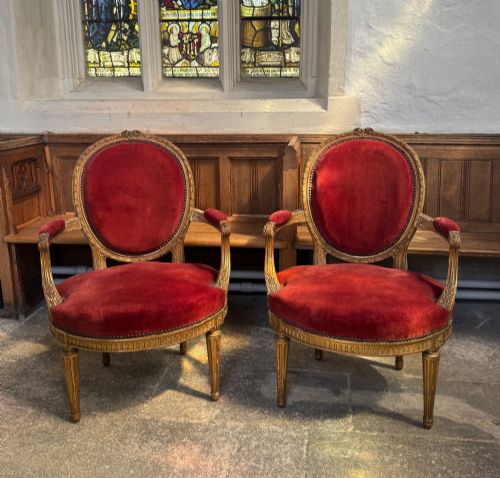
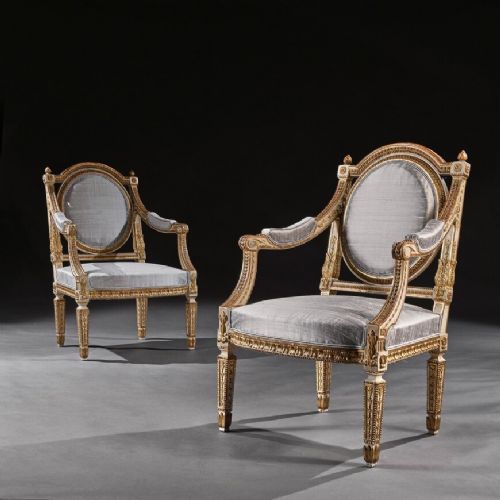
The assortment reflects the versatile seating arrangements required in period houses, from intimate nursing chairs by bedroom hearths to grand giltwood armchairs positioned for entertaining guests.
Materials and construction methods
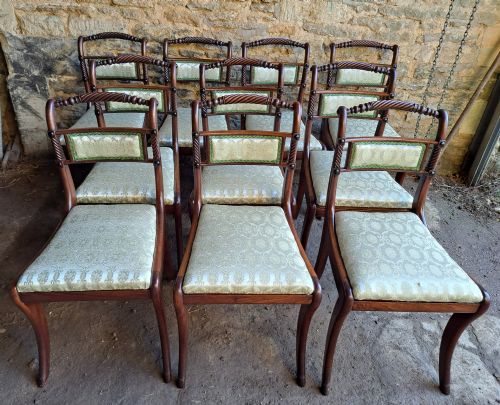
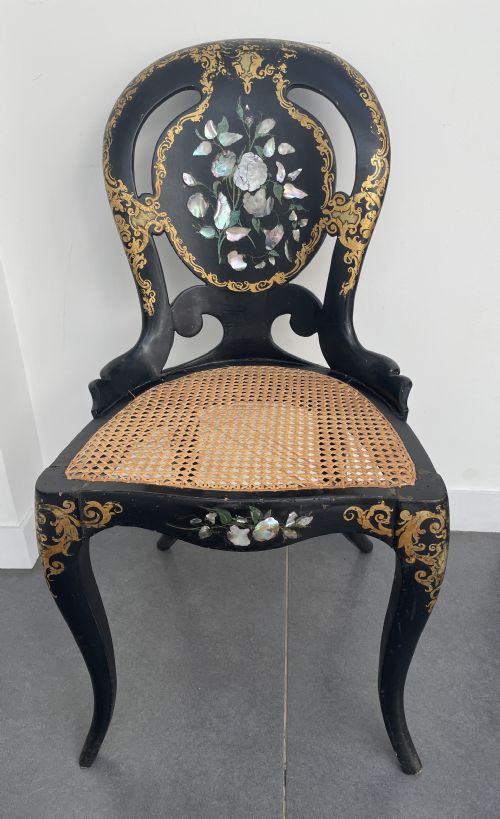
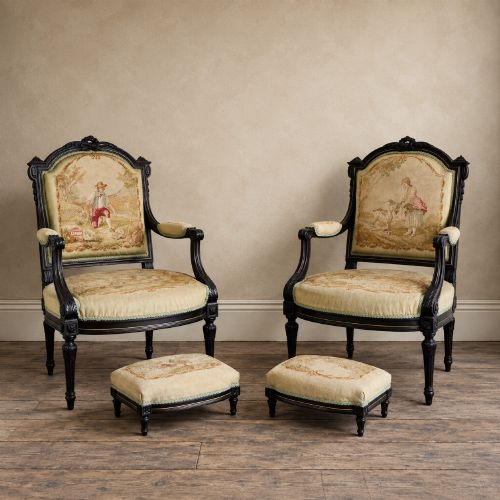
Cabinet makers and gilders utilised solid hardwoods including mahogany, walnut, rosewood, oak, and beech to build robust frames that supported elaborate carving and applied ornamentation. Giltwood, parcel gilt, and ebonised finishes appear frequently, often enhanced by painted details or inlaid mother of pearl.
Upholstery methods involved traditional stuffing covered in rich textiles such as silk fabric, velvet, tapestry, and detailed needlepoint panels. Caned seats and backs also feature on lighter chairs, demonstrating skilled weaving techniques applied directly to wooden frames.
Listings feature periods from the Regency era through the Victorian period, including specific dates such as 1830, 1850, 1860, 1870, 1880, 1890, and 1960.
Distinctions in quality and finish
Quality reveals itself in the depth and crispness of hand-carved wooden details, from floral motifs on walnut frames to the precision of parcel gilding on beech and giltwood structures. Superior pieces often display exhibition-grade cabinet work with integrated inlay and substantial framing timbers.
The grade of upholstery materials distinguishes standard seating from finer examples, with hand-stitched needlepoint panels, silk fabrics, and intact caning indicating higher workshop standards. Comprehensive matching suites demonstrate greater uniformity across multiple chairs and settees than assembled sets.
The 19th Century Salon Seating Glossary
- Giltwood
- Wood that has been covered with a thin layer of gold leaf. This technique provides a brilliant metallic finish common on formal French and Victorian salon chairs.
- Fauteuil
- An open-framed upholstered armchair originating in France. These chairs typically feature exposed wooden arms and carved framework.
- Bergere
- An enclosed upholstered armchair with solid sides padded and covered in fabric. The style provides deeper comfort while retaining exposed wooden framing.
- Balloon back
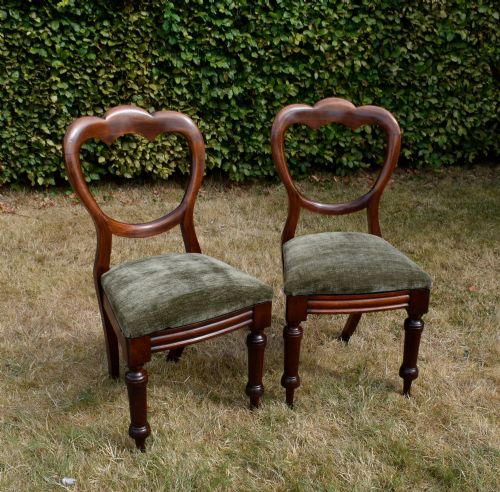
- A chair back shaped in the continuous curve of a balloon. This popular Victorian design appears frequently on rosewood and mahogany dining and salon chairs.
19th Century Salon Seating: Frequently Asked Questions
How do I identify Louis XVI style?
Louis XVI style pieces typically feature straight tapering legs, geometric framing, and neoclassical carvings derived from classical architecture.
This aesthetic contrasts with the earlier flowing curves of Rococo revival furniture by embracing symmetry and restrained ornamentation.
Where were these chairs used?
These seats were placed in formal drawing rooms, parlours, and reception spaces within grand houses and urban townhomes.
They accommodated guests during social gatherings, musical performances, and afternoon tea.
Can I mix different revival styles?
Mixing different 19th-century revival styles allows you to create layered interiors that reflect the eclectic collecting habits of the Victorian era.
Pairing a French giltwood armchair with an English mahogany piece adds historical depth to a modern room.