


19th Century Rustic Artwork
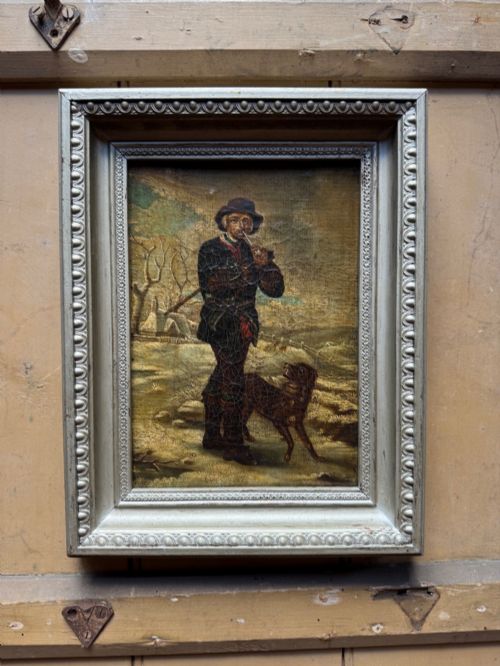
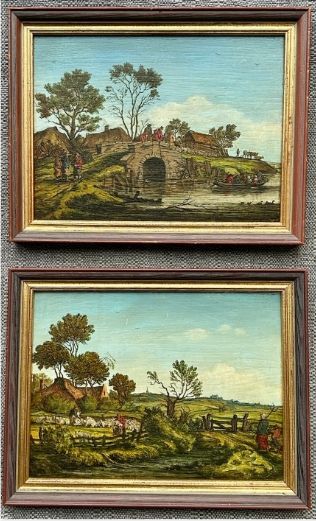
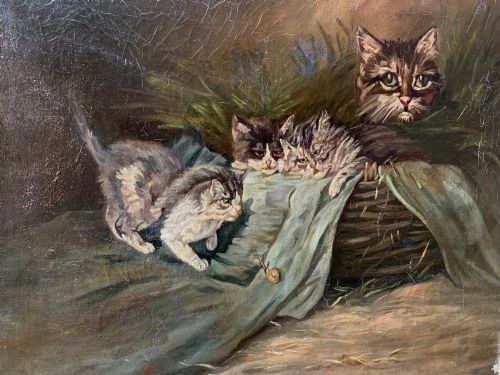
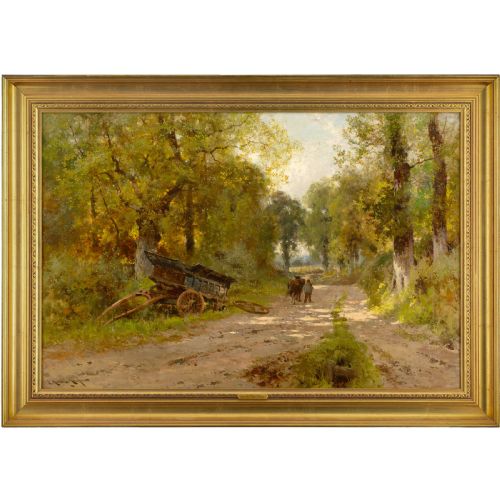
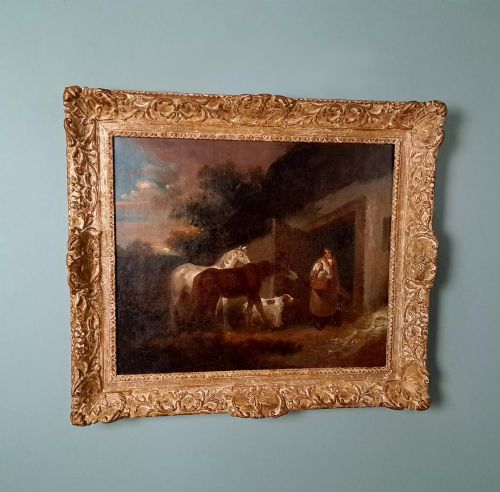
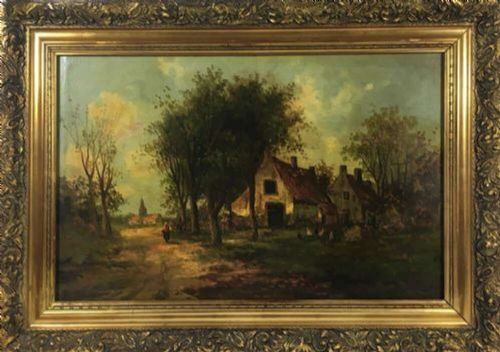
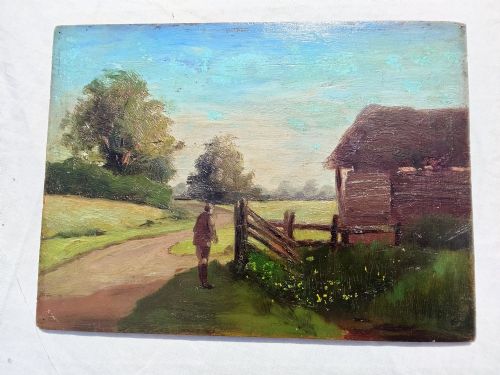
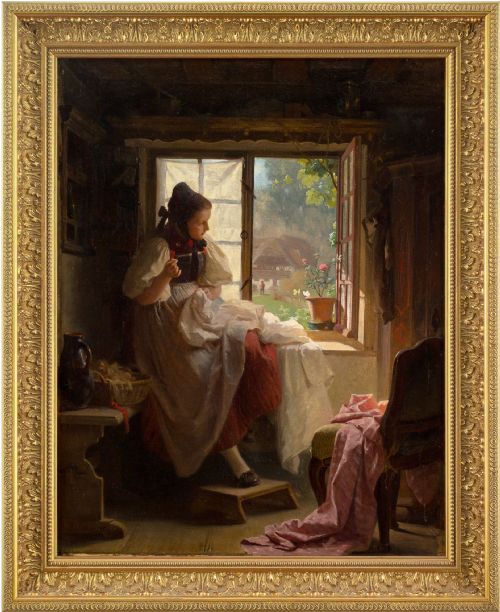
These 19th century rustic artwork pieces capture pastoral scenes and cottage life, offering collectors a genuine window into rural historical traditions.
19th Century Rustic Artwork
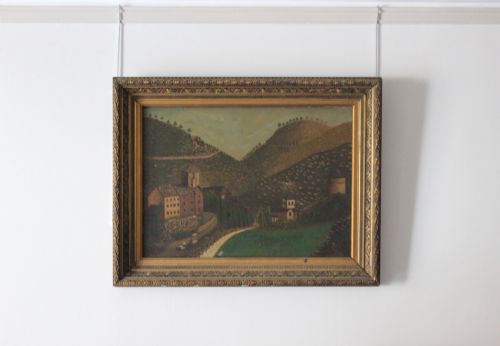
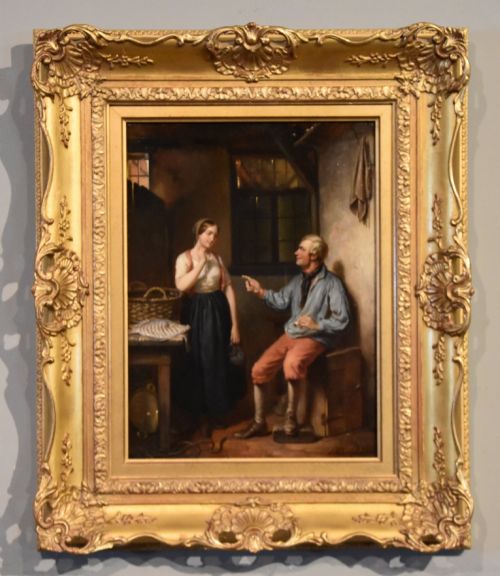
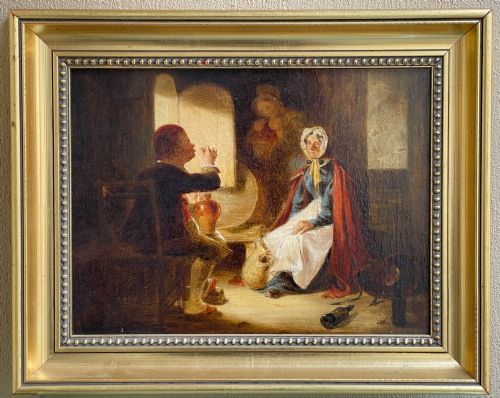
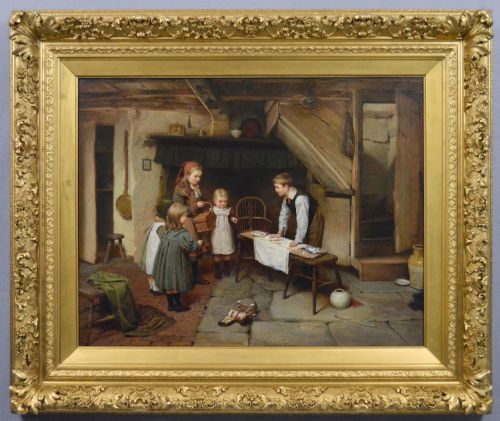
When you search for 19th century rustic artwork, you encounter oil paintings, watercolours, and framed fine art focusing on rural landscapes, farmyard scenes, and domestic genre subjects. These works span the Victorian era, showing everyday country life through the eyes of various European schools and named painters.
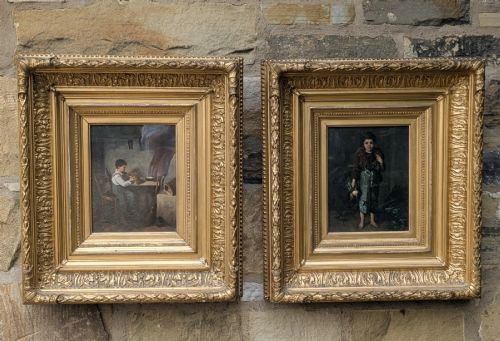
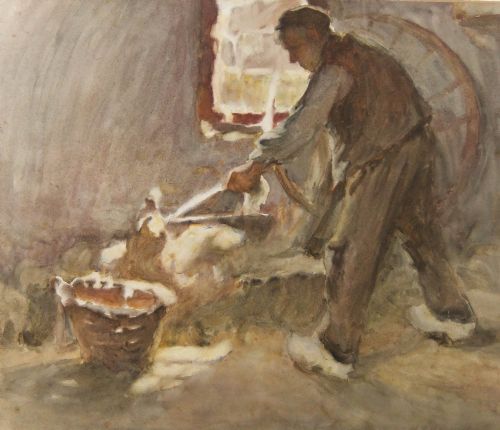
The pieces on this page are predominantly oil on canvas, wood panels, or boards, alongside occasional watercolours on paper. Domestic interiors, cottage scenes with children or animals, and agrarian landscapes form the core of what is available to buy.
Works range from primitive paintings to polished academic compositions by listed artists. Buyers find everything from intimate tondo landscape panels to large farming landscapes depicting British, French, and Dutch rural settings.
Materials and Technique
Painters of this era applied oil paint onto stretched canvas, prepared wooden panels, or wooden boards, occasionally laying older canvases onto modern boards for stability. Watercolours were executed on paper, sometimes utilising gesso and giltwood frames to finish the presentation.
Techniques vary from the smooth academic brushwork of genre realists to the looser, textured applications seen in Barbizon school landscapes and primitive works. Pigments were handled to capture natural light in farmyards, cottage interiors, and Highland settings.
The inventory relies on Victorian and Edwardian periods, utilising oil paint, canvas, wood, and watercolour on paper.
Judging Quality
Quality in these artworks rests upon the confidence of the brushwork, the expressiveness of the figures, and the handling of light within the scene. Superior pieces show careful observation of human and animal anatomy, whereas weaker examples rely on stiff postures and formulaic backgrounds.
The condition of the paint surface and the originality of the mounting matter significantly. Works that retain their original canvas texture and early giltwood framing hold greater integrity than heavily restored or altered surfaces.
John Horace Hooper·William Joseph Shayer Senior·Max Kaltenmoser·Jacob Akkersdijk·Miles Birkett Foster·Harry Brooker·Thomas Hicks·John Constable·Haynes King·James Kyd·Henry E Hobson·Vincenzo Irolli·Edwin Thomas Roberts·Charles Vickers·Percival Glenfern·Claude Cardon·Thomas Couture·John Wright Oakes·John Henry Dell·Paul Jones
The 19th Century Rustic Artwork Glossary
- Canvas
- A heavy woven fabric stretched across a wooden frame to serve as a support for oil painting. It provides a flexible yet durable surface for the artist's brush.
- Gesso
- A plaster-like mixture applied to wood panels or frames to prepare a smooth surface for painting or gilding. It creates a solid foundation that holds fine detail.
- Genre painting
- Artwork depicting scenes from everyday life, typically involving ordinary people engaged in common domestic or rural activities. These pieces offer insight into historical social habits.
- Tondo
- A Renaissance term for a circular painting or relief. In this period, round formats were frequently utilised for intimate landscape or portrait compositions.
- Barbizon school
- A group of French painters associated with the real-life representation of landscape and nature. Their work emphasised loose brushwork and direct observation.
19th Century Rustic Artwork: Frequently Asked Questions
What subjects appear in these paintings?
The works depict rural farmyards, cottage interiors, agricultural landscapes, and portraits of country children or labourers. Animals such as hens, dogs, and ponies also feature prominently.
These subjects reflect a nineteenth-century fascination with pastoral life and traditional rural values, appealing to collectors interested in agrarian history.
How do I identify the period of a painting?
Dating relies on stylistic clues, artist signatures, framing materials, and the type of support used, such as canvas or wooden panels. Many works carry specific dates or reflect distinct Victorian art movements.
Examining the back of the canvas or board often reveals historical labels, inscriptions, or stamps that help confirm the era of creation.
Where were these rural scenes painted?
Artists painted across Britain, France, Germany, and the Netherlands, capturing local rustic architecture and regional dress. British and French landscapes form the majority of the available selections.
Regional details in the cottages and farming equipment help pinpoint the exact geographical inspiration behind each composition.
How should I display an antique oil painting?
Oil paintings on canvas or wood require placement away from direct sunlight and steady humidity levels to prevent cracking. Proper hanging protects the structural integrity of both the panel and its frame.
Matching the piece with an appropriate period frame enhances the visual presentation while respecting the historical context of the artwork.