



19th Century Royal Oil
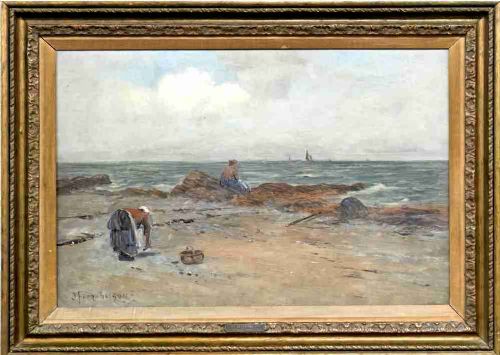
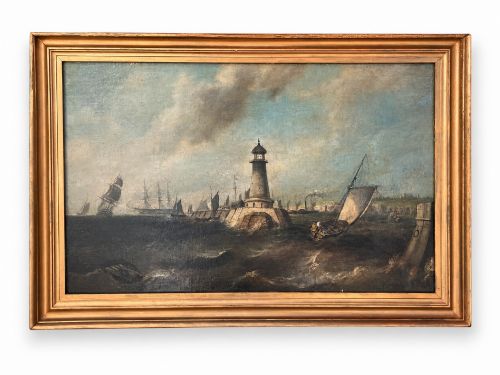
These 19th century royal oil works present historical portraiture and maritime scenes executed on canvas during the Victorian era.
19th Century Royal Oil
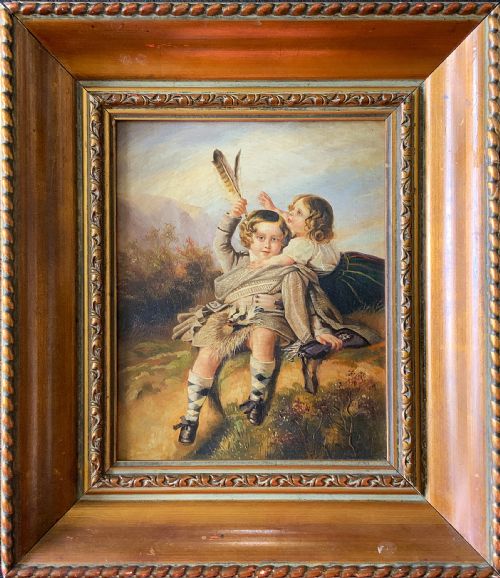
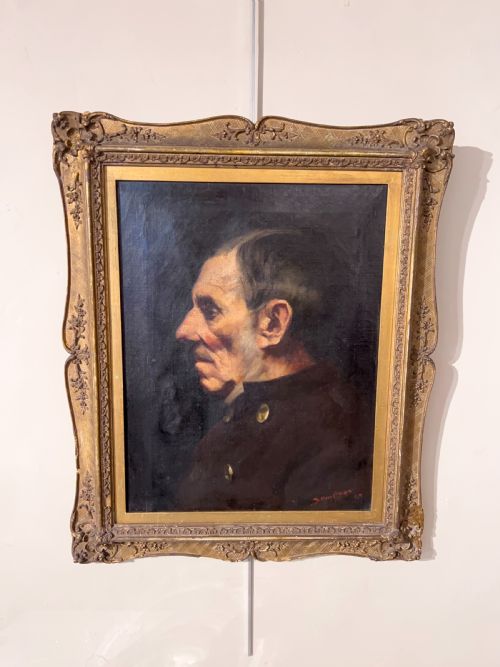
When you search for 19th century royal oil, you encounter canvas paintings depicting monarchs, naval vessels, and historic estates from the Victorian period. The pieces on this page span portraits of kings, princes, and military officers alongside coastal landscapes and marine subjects.
You meet works portraying figures such as King Charles II, King George IV, and royal yachts like HMY Victoria and Albert. These paintings originate from nineteenth-century British fine art production, connecting portraiture with maritime and historical genre scenes.
Materials and construction
These works utilise oil paint applied to canvas, panel, or board supports. Artists employed traditional pigments and oils to build up depth in portraits and landscape vistas.
Many surviving examples retain period frames constructed from wood, giltwood, and gold leaf. The framing techniques match nineteenth-century workshop practices associated with Royal Academy exhibitors and maritime painters.
One canvas captures a lively circus scene from a lion's den.
Factors of quality
The standard of execution depends upon the handling of light, brushwork, and anatomical proportion by the painter. Works by Royal Academy exhibitors demonstrate greater precision in facial likeness and narrative detail.
Provenance and documented exhibition history elevate certain canvases above anonymous folk art or studio copies. The retention of original canvas supports and period giltwood frames also influences the character of the piece.
Joseph Farquharson·Nicholas Condy·Bertram Priestman·Frederick Goodall·William Mellor·George Vicat Cole·George Smith·John A Houston·Benjamin Williams Leader·August Heinrich Riedell·Samuel Henry Alken·Sir George Reid·Sir David Murray·Thomas Creswick·Robert Alexander Hillingford·Samuel Lane·George Dawe·William Wissing
The 19th Century Royal Oil Glossary
- Oil paint
- A medium consisting of pigments suspended in a drying oil, typically linseed oil. This medium allows for smooth blending and rich tonal depth on canvas.
- Giltwood
- Wood carved and covered with a thin layer of gold leaf or metallic powder. It provides ornate framing for nineteenth-century fine art.
- Canvas
- A heavy woven fabric used as a surface for painting. It forms the primary support for the majority of works on this page.
- Royal Academy
- An institution in London where artists exhibited their paintings. Association with this body indicates professional standing in the nineteenth century.
19th Century Royal Oil: Frequently Asked Questions
What subjects appear in these paintings?
The canvases depict royal portraits, naval vessels, mail coaches, and Scottish landscapes. Figures such as King Charles II and various military officers frequently appear alongside historic residences.
Many works connect to maritime history, featuring royal yachts and coastal lighthouses against nineteenth-century backdrops.
Which periods do the pieces date from?
The works date primarily from the nineteenth century, encompassing the Victorian era and specific years between 1850 and 1950. Painters active during this timeframe exhibited at institutions like the Royal Academy.
Styles range from Victorian fine art and realism to maritime painting and orientalism.
How should I care for an oil painting?
Protect the canvas from direct sunlight and extreme fluctuations in temperature or humidity. Avoid using chemical cleaners on the paint surface.
Dust the frame and canvas gently with a dry, soft brush. Consult a professional conservator for cleaning or repairs.
What materials are used in the frames?
Frames typically consist of wood finished with giltwood or gold leaf. These materials reflect nineteenth-century framing traditions associated with fine art exhibitions.
Original frames complement the canvas and provide structural protection for the edges.