


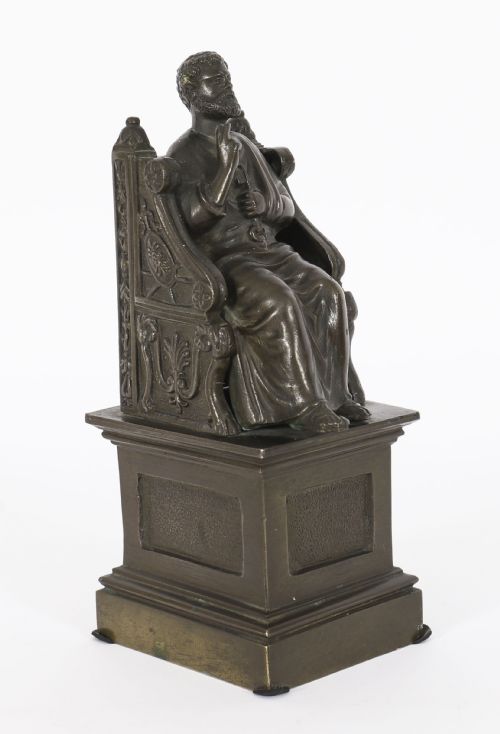


19th Century Religious Sculpture
These 19th century religious sculpture works embody centuries of devotional craft, offering collectors tangible connections to global spiritual traditions.
19th Century Religious Sculpture
19th century religious sculpture encompasses devotional figures, saints, and deities carved, cast, or modelled across global traditions during the eighteen-hundreds. You will encounter European wood carvings of Christian saints, cast bronze Buddhist and Hindu figures from South and East Asia, and neoclassical works inspired by the Grand Tour.
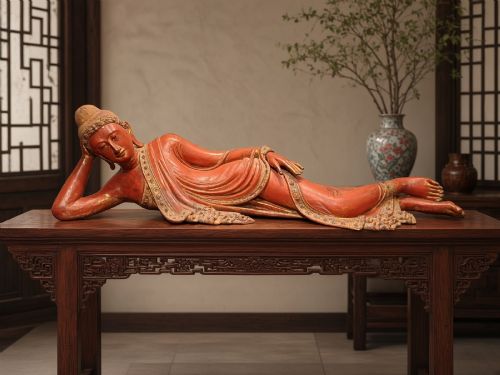
The selection ranges from large temple guardians and processional santos figures to intimate devotional busts and reliefs in marble, alabaster, and terracotta. European pieces frequently reflect Gothic Revival or Renaissance Revival movements, while Asian bronzes and polychrome wood figures demonstrate distinct regional iconography.
Domestic and ecclesiastical pieces sit side by side, spanning modest folk art representations to monumental figures designed for altars or temples. This breadth allows collectors to focus on specific theological subjects, geographic origins, or particular sculptural materials.
Materials and Techniques
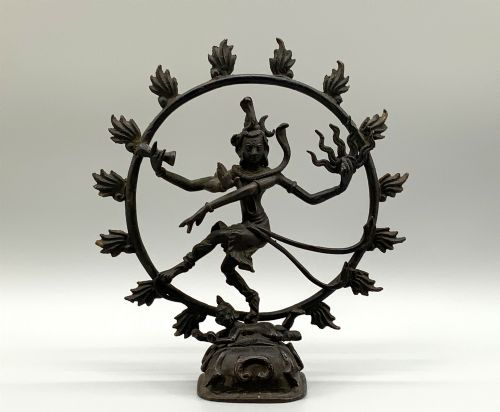
Bronze casting utilising traditional lost-wax methods created durable figures of Hindu and Buddhist deities, alongside patinated European portrait busts and Grand Tour souvenirs. Alabaster and marble provided media for smooth, neoclassical reliefs and sculptural heads carved with precision.
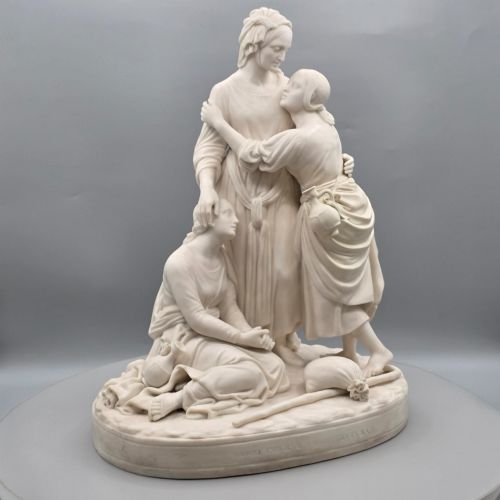
Ceramic works such as Parianware utilised specialised porcelain bodies to imitate carved marble, producing matte, white figural groups with high detail. Skilled modellers and carvers translated theological narratives into physical forms through direct reduction or composite casting.
Listings feature materials spanning carved wood, bronze, marble, alabaster, gesso, and gold leaf across multiple global traditions.
Factors of Quality
Surface preservation significantly impacts the standing of a piece, particularly with polychrome painted wood and gilt surfaces. Retained original pigment and genuine gilding without extensive modern overpainting indicate superior preservation and greater artistic integrity.
The sophistication of the casting or carving technique determines artistic success, from the crisp chase work on South Asian bronzes to the delicate undercut details in European wood and marble figures.
Minton·George Minne
The 19th Century Religious Sculpture Glossary
- Polychrome paint
- Decoration applied using multiple colours of paint, frequently seen on wooden figures to render lifelike flesh tones and garments.
- Gesso
- A plaster mixture applied as a smooth base for painting or gilding on wood surfaces, helping to seal the grain.
- Santos figure
- A devotional sculpture representing a saint or divine figure, often dressed in real textiles for religious processions and domestic shrines.
- Parianware
- A fine-grained, unglazed white porcelain developed in the nineteenth century to replicate the appearance of carved marble.
- Grand Tour
- A cultural journey undertaken by wealthy Europeans to classical sites, acquiring souvenirs such as patinated bronze and marble sculptures.
19th Century Religious Sculpture: Frequently Asked Questions
How do I identify a santos figure?
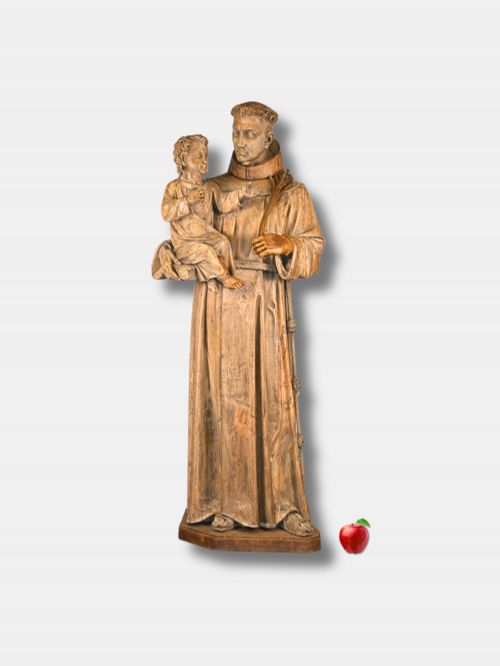
Santos figures are carved wooden sculptures created for religious devotion, often featuring articulated limbs or pegged construction to allow dressing in real fabric garments. They served central roles in domestic shrines and church processions.
Examine the construction of the wooden core and look for peg holes or mounting points where textiles were secured. Many retain remnants of original gesso and polychrome paint beneath later layers of wear.
What is Parianware?
Parianware is a type of bisqued porcelain developed in the nineteenth century that mimics the smooth, matte finish of carved marble. It was widely utilised for figural groups and literary or religious subjects.
This material feels heavier and colder than standard earthenware, possessing a close-grained texture that captures fine facial expressions and drapery details without requiring a shiny glaze.
How should I display carved wood?
Carved wood sculptures require stable indoor environments away from direct sunlight and rapid temperature fluctuations to prevent timber movement, splitting, or paint flaking. Placing them on secure surfaces protects delicate extremities and carved projections.
Avoid hanging heavy wooden reliefs on partition walls without proper structural support. Dust them gently with a soft, dry brush rather than liquid cleaners.
Are bronze figures signed?
Nineteenth-century bronze sculptures occasionally bear foundry marks, artist signatures, or census numbers stamped into the base or side of the casting. European bronzes are more likely to carry foundry stamps compared to South Asian ritual bronzes.
Unsigned pieces remain common, particularly in Asian art and folk traditions where makers focused on ritual function rather than individual attribution. Authentication relies on alloy composition, casting methods, and patination.