
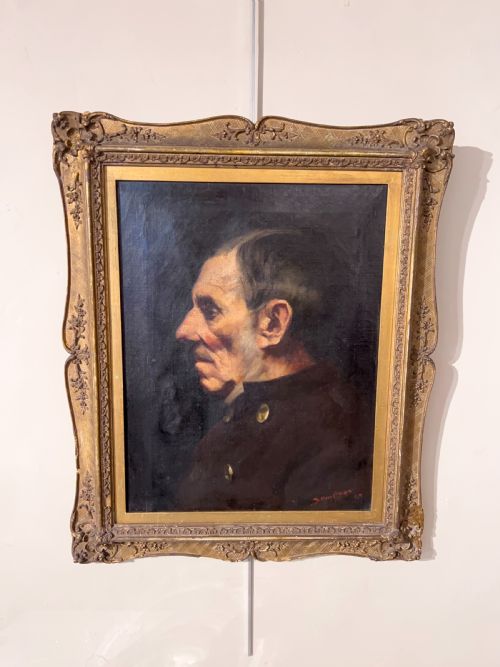


19th Century Profile Picture
These 19th century profile picture works capture individuals through the stark precision of silhouettes and portraits.
19th Century Profile Picture
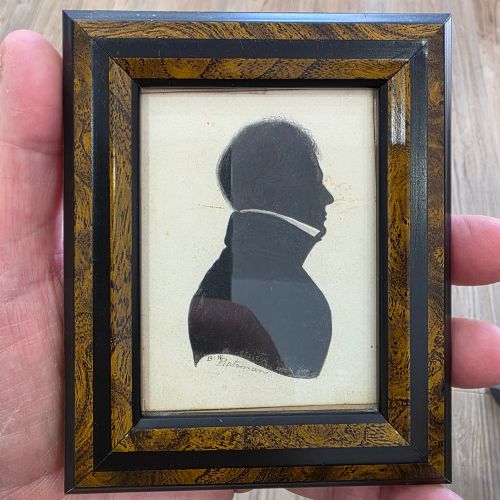
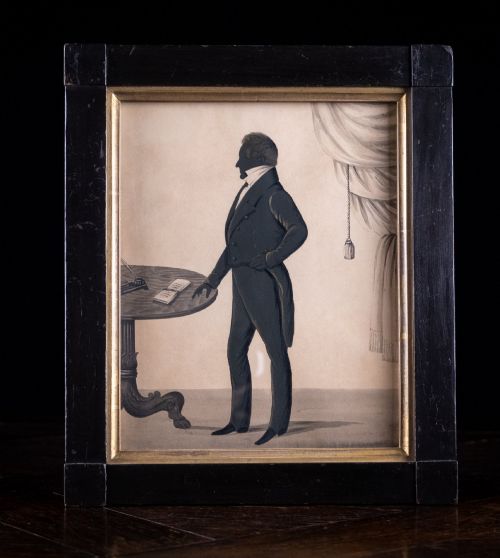
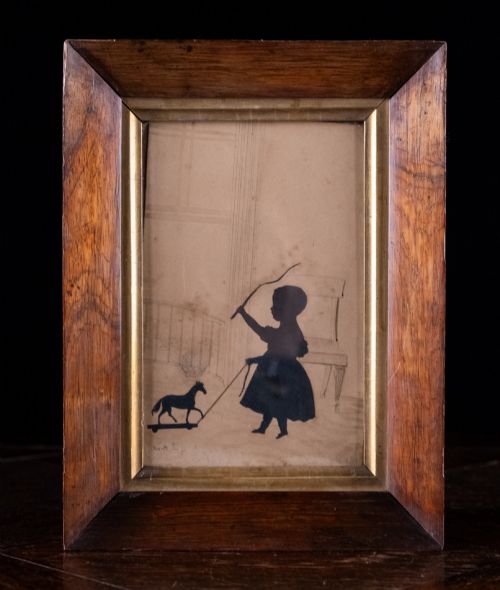
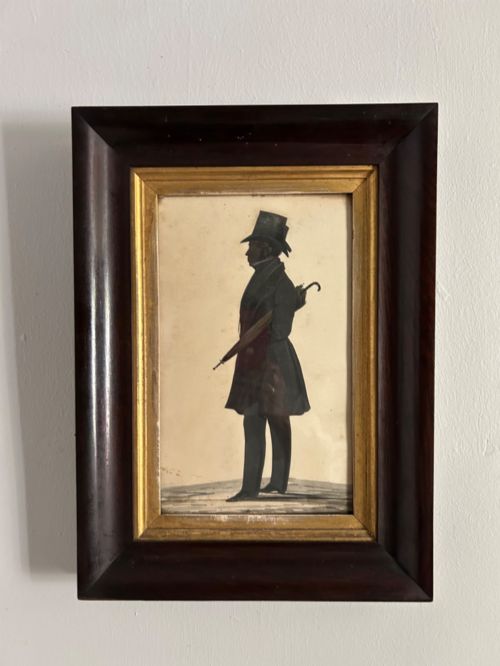
A 19th century profile picture typically takes the form of a framed silhouette portrait capturing gentlemen, ladies, children, and family groups. These works document subjects through outline and shadow, rendered during the Regency, Victorian, and Georgian periods.
The pieces you meet here range from single cut paper silhouettes highlighted with gold leaf to conversation pieces featuring multiple figures and animals. Artists working within galleries such as the Hubard Gallery or Royal Victoria Gallery produced these detailed likenesses.
Frames form an integral part of these items, often constructed from rosewood or deep giltwood. Alongside paper silhouettes, the selection includes oil on canvas portraits and portrait miniatures spanning the 1800s to the close of the century.
Materials and construction
Artists created these profile works using paper and ink, frequently applying gold leaf or gilding to enhance details like clothing and accessories. These materials sit behind glass within protective surrounds.
The framing utilised wood, brass, and gesso, particularly seen in deep Victorian gilt frames and rosewood mouldings. Makers cut paper by hand or painted directly onto canvas for larger fine art pieces.
Evaluating craftsmanship
The accompanying frame contributes significantly to the overall piece, with period rosewood or heavy giltwood surrounds showing superior craftsmanship compared to plain or later replacements. Attributed works by noted artists also command distinct recognition.
Bateman·Augustin Edouart·Hubard Gallery·J. Deacon·George Atkinson·Bertram Priestman RA
The 19th Century Profile Picture Glossary
- Silhouette
- A portrait represented as a solid shape of a single colour, usually black on a light background, outlining a person's profile.
- Gilded
- Covered thinly with gold leaf or gold paint to highlight specific details within the silhouette or frame.
- Conversation piece
- An informal group portrait, often depicting family members or groups engaged in daily activities.
- Gesso
- A plaster mix used in framing to create moulded decorative relief work before gilding.
- Portrait miniature
- A small, highly detailed painting or drawing capturing a person's likeness.
19th Century Profile Picture: Frequently Asked Questions
What is a 19th century silhouette?
A silhouette from this era is a profile portrait cut from paper or painted in ink, capturing the distinct outline of a person's face or form.
These were popular before photography became widespread, offering an accessible yet refined way to record a likeness.
How were these framed?
Portraits typically appeared behind glass within wooden frames made from rosewood or finished with gesso and gold leaf.
Deep gilt frames provided protection while enhancing the visual weight of the small paper artwork.
Who made these portraits?
Professional silhouettists created them independently or worked within establishments like the Hubard Gallery and Royal Victoria Gallery.
Some pieces bear signatures or attributions to specific artists who travelled to capture local sitters.
How do I date a silhouette?
Dating relies upon the style of clothing depicted, the framing materials, and any written inscriptions or dates left by the artist.
Regency and Victorian attire offer clear chronological markers for when the subject sat for their portrait.