

19th Century Porcelain Vessels
These 19th century porcelain vessels span diverse international traditions, offering collectors everything from decorative urns to delicate ginger jars.
19th Century Porcelain Vessels
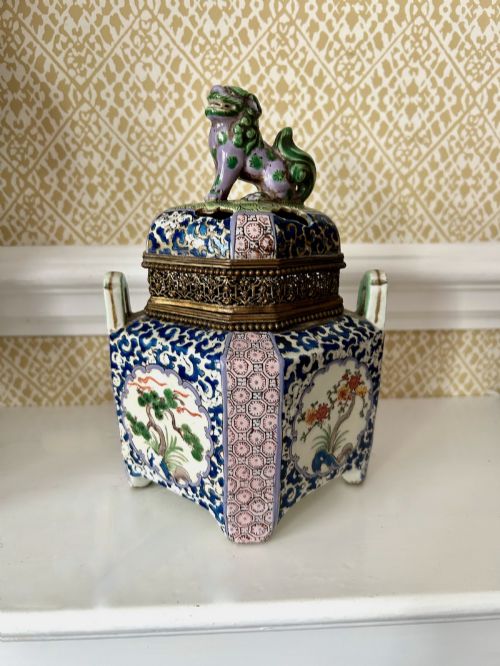
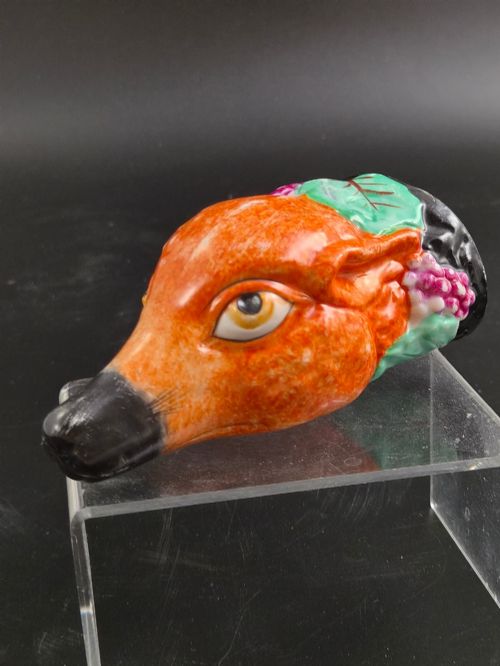
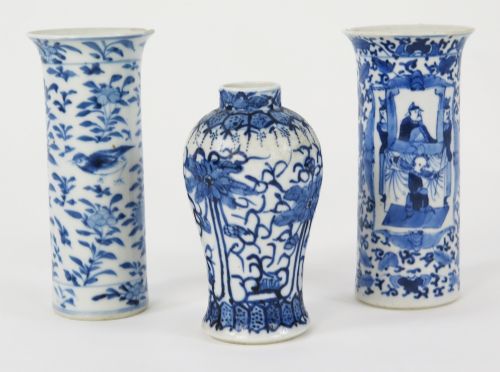
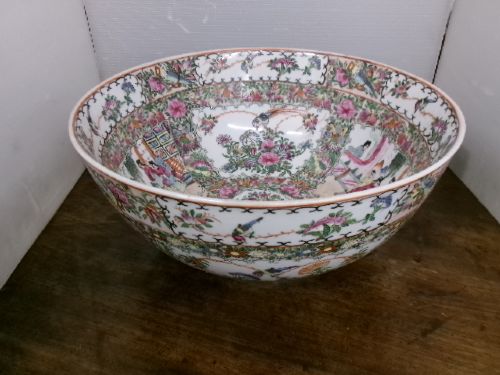
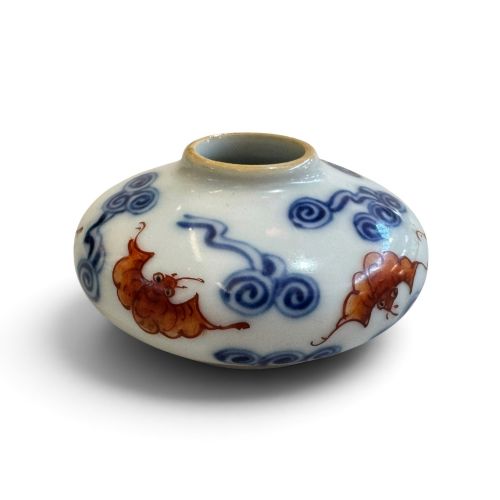
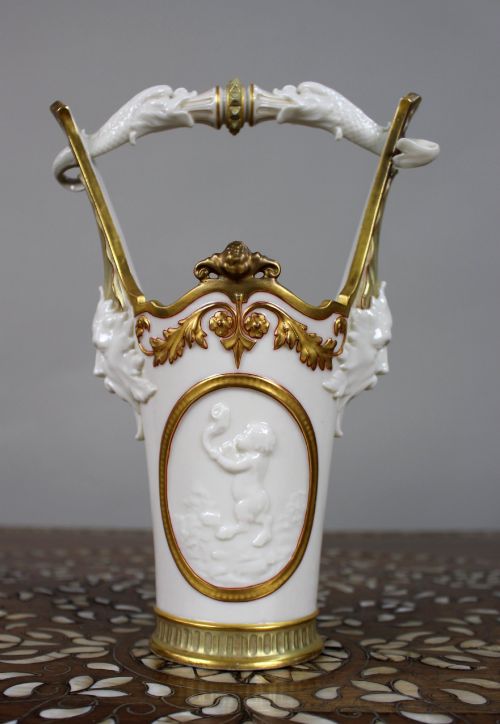
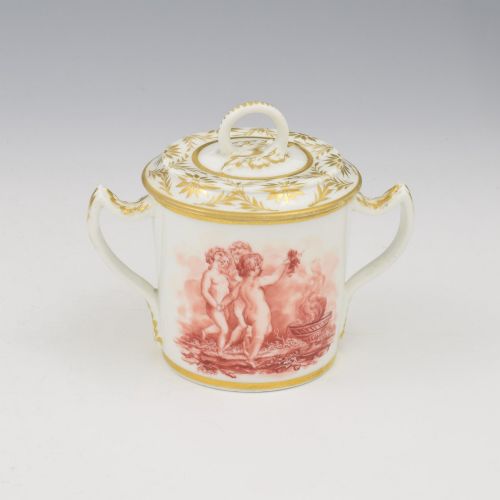
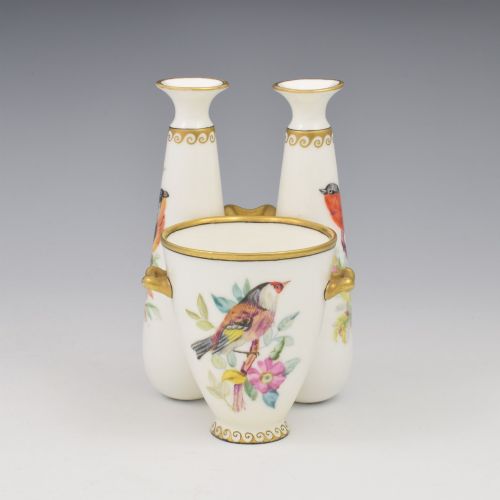
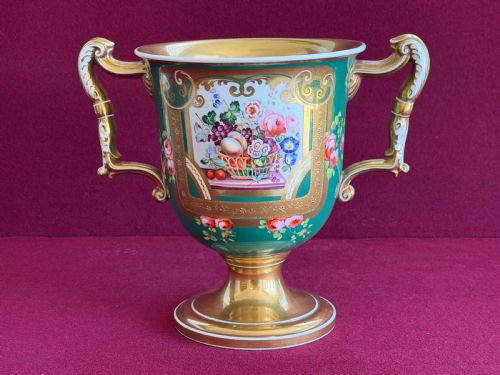
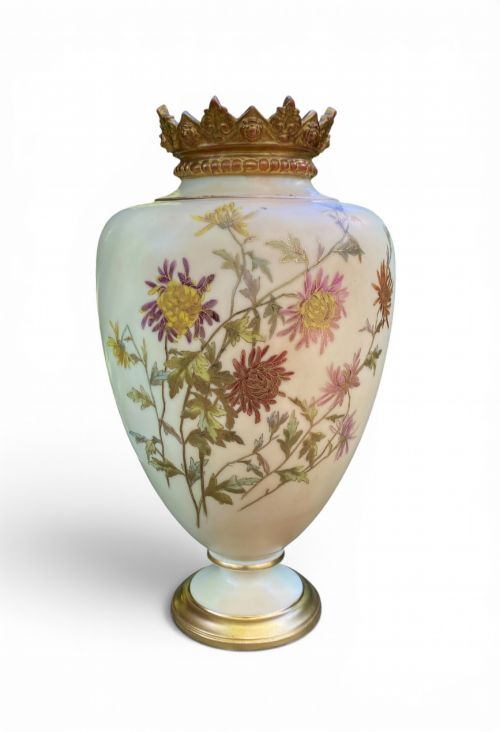
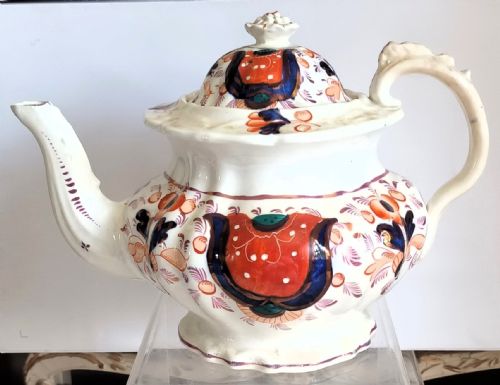
When searching for 19th century porcelain vessels, buyers encounter a broad array of functional and decorative forms originating from European factories and Asian workshops. The selection includes cabinet pieces such as chocolate cups and brush washers alongside substantial exhibition vases, ginger jars, and centre bowls.
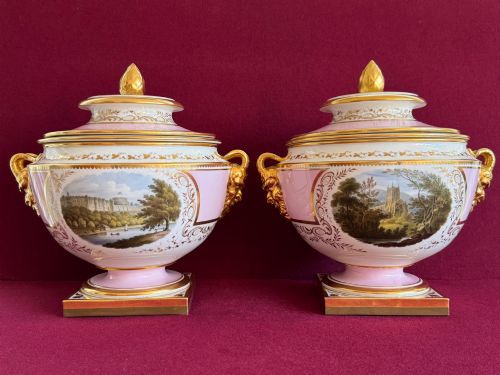
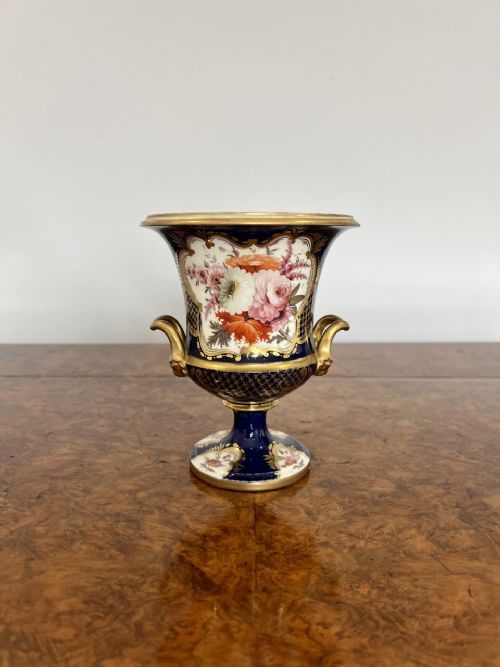
British factories from the Regency and Victorian eras dominate the European offerings, frequently adopting classical shapes like Campagna urns and Warwick vases. Alongside these, continental works from Vienna, Sèvres, and Dresden appear, often reflecting Rococo Revival tastes or classical motifs.
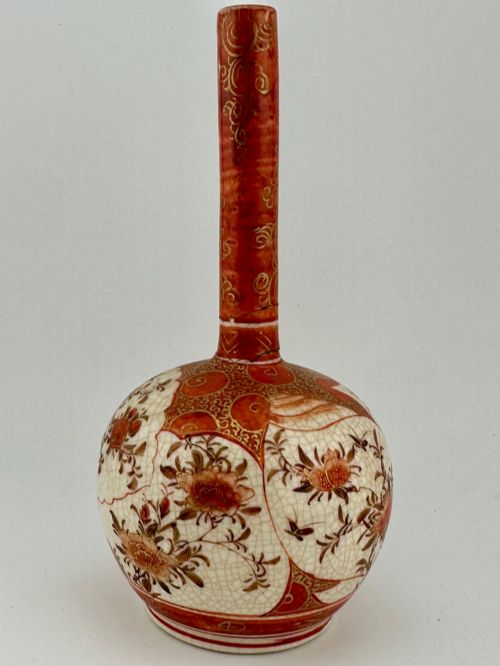
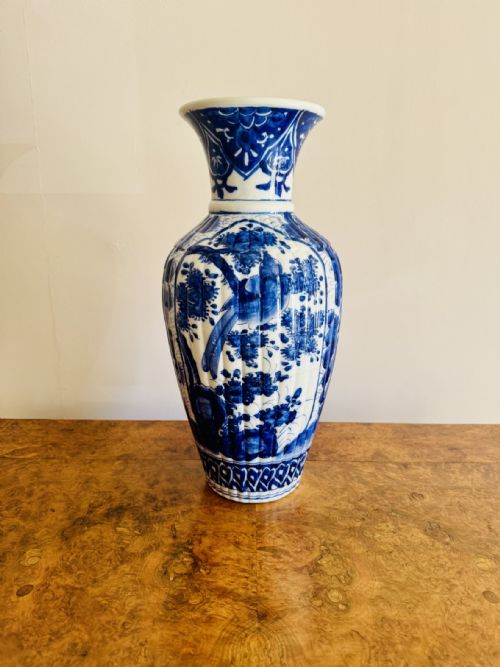
Asian export pieces form another distinct group within this category, particularly Chinese Famille Rose and Qing dynasty celadon-glazed bottles, together with Japanese Imari and Satsuma wares. These diverse geographical origins mean buyers choose between formal European cabinet ceramics and richly patterned Eastern decorative containers.
Materials and Manufacturing Techniques
The manufacture of these vessels relies upon refined ceramic bodies finished with transparent or opaque glazes, providing a smooth foundation for painted decoration. Workshops applied enamel colours by hand, sometimes incorporating gold leaf, heavy gilding, or underglaze blue pigments.
Specialised techniques such as moriage relief work on Japanese Kutani pieces and intricate hand-painting on English porcelain demonstrate the technical skill of the period. Firing methods allowed for complex shapes like moon flasks, fluted bottles, and lidded urns to emerge from the kiln with structural stability.
19th Century Porcelain Vessels Retail Price Guide 2026
Typical asking prices for 19th century porcelain vessels among the pieces listed under this phrase on Sellingantiques today, from the lower quarter to the upper quarter. They describe what is for sale here now, not the wider market.
Amidst the grand exhibition urns and delicate tea wares sit humble apothecary jars and tiny snuff bottles designed for quiet personal use.
Assessing Quality and Execution
Quality in these ceramics rests primarily upon the crispness of the moulding and the precision of the hand-painted details. Superior pieces exhibit controlled brushwork in figurative or floral scenes, whereas lesser examples show hurried execution and softer outlines.
The application of gilding and enamel work also dictates the standing of a vessel, with burnished gold leaf and vibrant, stable enamels marking out high-status factory production. Furthermore, the reputation of the maker, whether a notable English porcelain works or a specific Japanese artistic studio, influences the desirability of the finished piece.
Royal Staffordshire·Royal Worcester·Bloor Derby·Helena Wolfsohn Dresden·Spode·Coalport·H and R Daniel·Samuel Alcock and Co·Flight Barr and Barr·Royal Vienna
The 19th Century Porcelain Vessels Glossary
- Campagna urn
- A classical bell-shaped vessel with a footed base, frequently produced by 19th-century English porcelain works. This form draws inspiration from ancient Roman garden ornaments.
- Famille Rose
- A palette of Chinese porcelain decoration defined by opaque pink enamel, introduced in the Qing dynasty. It allowed artists to render delicate floral and figural compositions.
- Imari
- A style of Japanese porcelain featuring underglaze blue combined with iron red and gilt highlights. These wares were widely exported to Europe during the Meiji period.
- Moriage
- A decorative technique using clay trailed from a syringe to create raised surface patterns on Japanese ceramics. It adds a distinct tactile element to vases and jars.
- Moon flask
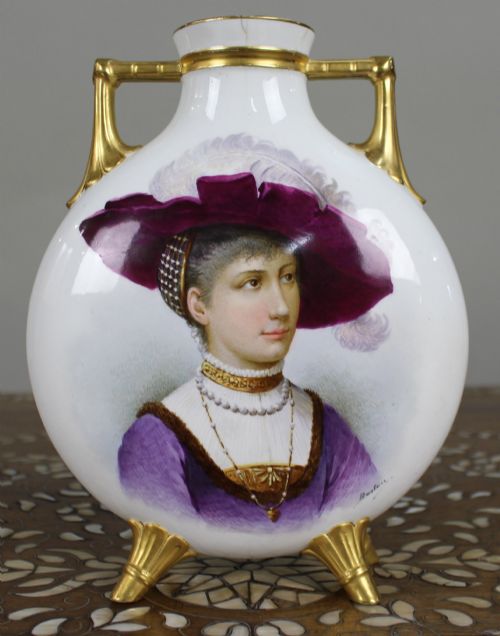
- A flattened spherical vase with a short neck and loop handles, often mounted on a small base. This shape requires precise ceramic potting to maintain symmetry during firing.
19th Century Porcelain Vessels: Frequently Asked Questions
What is a ginger jar?
A ginger jar is a covered storage container originally used in China to transport spices and oils. During the nineteenth century, these vessels became prized decorative items in European homes.
They typically feature high shoulders and a domed lid, often painted with blue and white designs or Famille Rose enamel scenes.
How are Japanese Imari wares identified?
Japanese Imari porcelain is recognised by its distinct palette of cobalt blue under the glaze, complemented by iron red and applied gilding. The patterns frequently incorporate panels of figures, flowers, and traditional motifs.
These pieces were produced in large quantities during the Meiji period for both domestic use and export to Western markets.
What distinguishes a moon flask?
A moon flask is characterised by a flattened circular body that stands on a rectangular or oval foot, usually flanked by small side handles. This specific form derives from ancient metal canteen shapes.
Potters used the flat surfaces to display intricate hand-painted landscapes, floral arrangements, or classical figures.
Where were Campagna urns made?
Campagna urns were produced by several major English porcelain manufactories, including Coalport and various Worcester firms. These decorative vessels emulated classical stone garden vases found in Italy.
Collectors find them utilised as mantel ornaments or centrepiece displays within nineteenth-century interiors.