
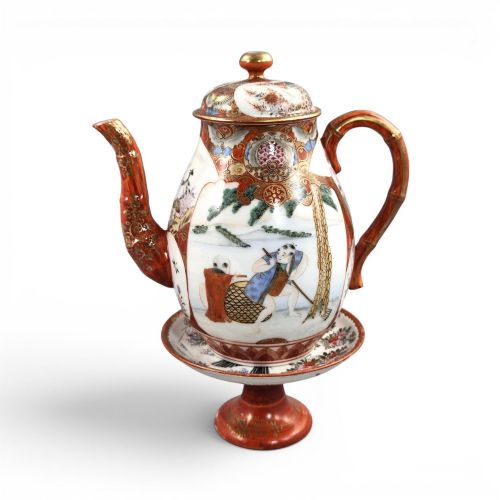


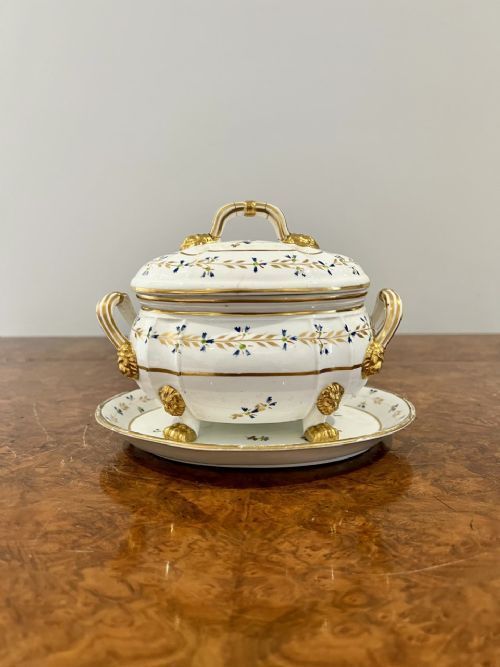
19th Century Porcelain Stand
A 19th century porcelain stand brings together skilled ceramic moulding and decorative support.
19th Century Porcelain Stand
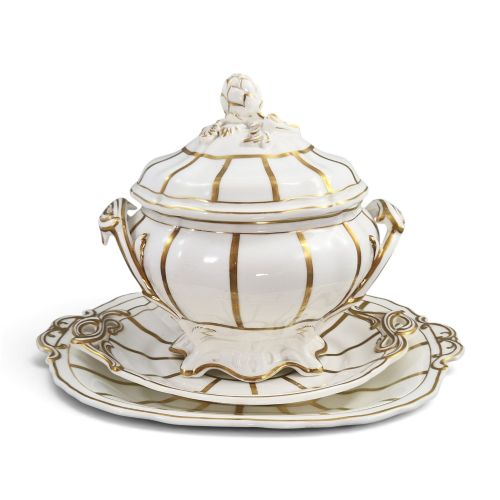
When searching for a 19th century porcelain stand, buyers encounter a diverse range of objects designed to elevate or support vessels, dishes, and figures. These pieces include dedicated stands for teapots, vases, and tureens, alongside larger jardinieres and umbrella stands featuring ceramic elements.
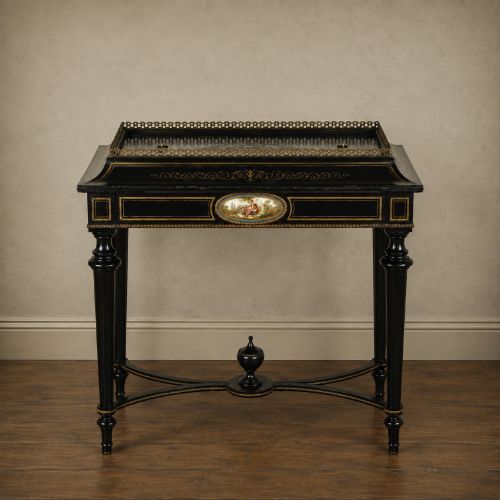
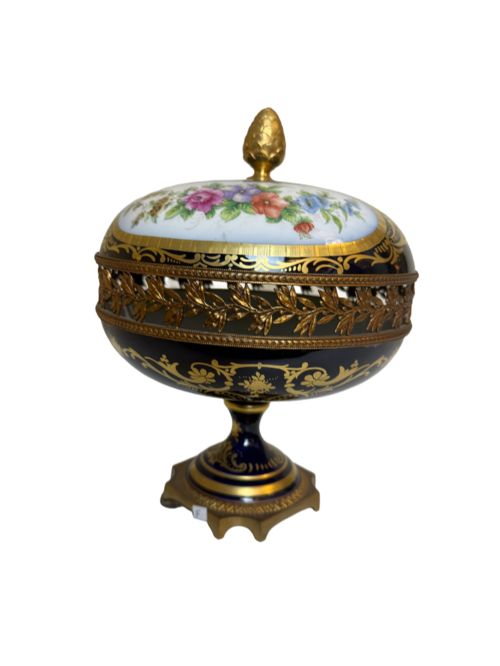
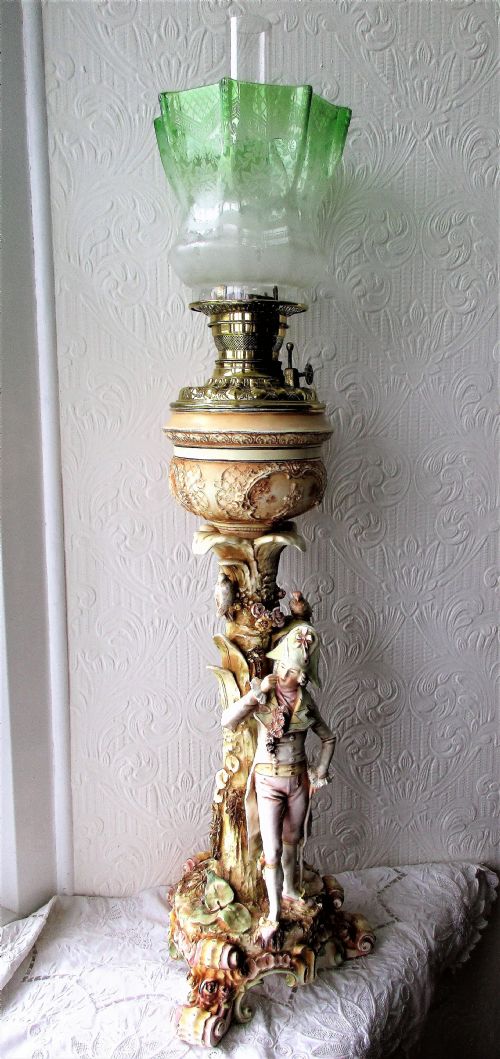
The items span English factories, European potteries, and East Asian exports from the Qing Dynasty and Meiji period. Many listings pair ceramic bodies with complementary materials such as wood, ormolu, and gilt bronze, reflecting the varied tastes of the Regency and Victorian eras.
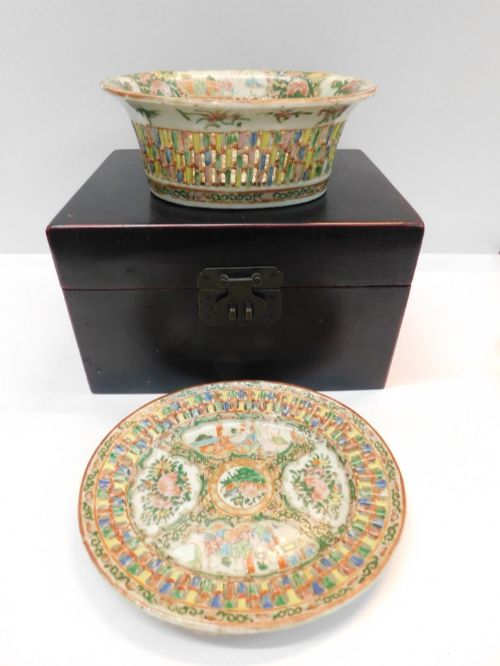
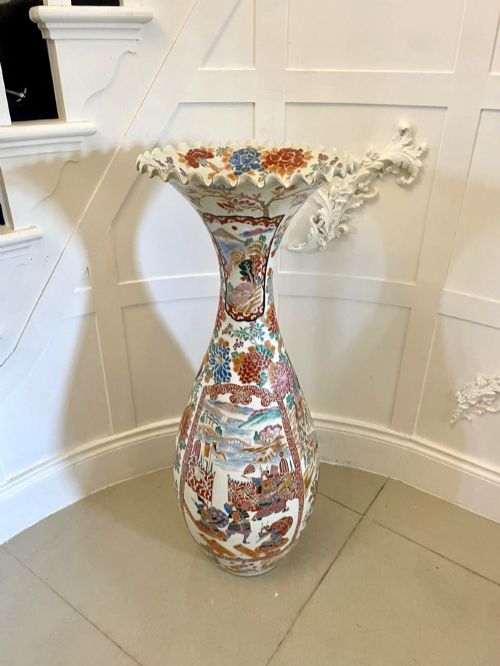
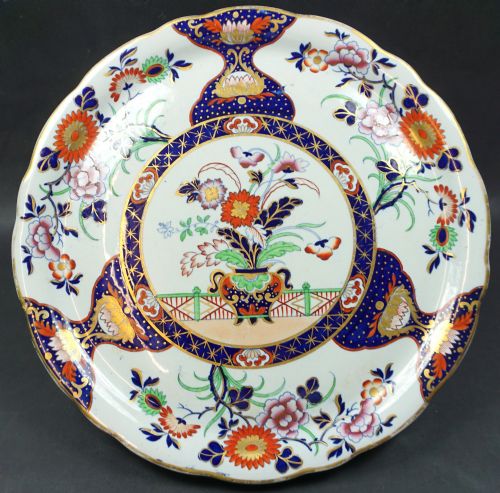
Forms vary from delicate bone china comports and chestnut baskets to monumental Imari planters and Chinese blue and white garden seats. Buyers frequently meet items incorporating handpainted decoration, floral grounds, and inset porcelain panels.
Materials and Construction
Potters of this era utilised hard-paste and soft-paste porcelain, bone china, and earthenware, often finishing the surfaces with detailed glaze and enamel work. Decoration relied on handpainted motifs, gilt bronze mounts, and gold leaf highlights applied to the ceramic body.
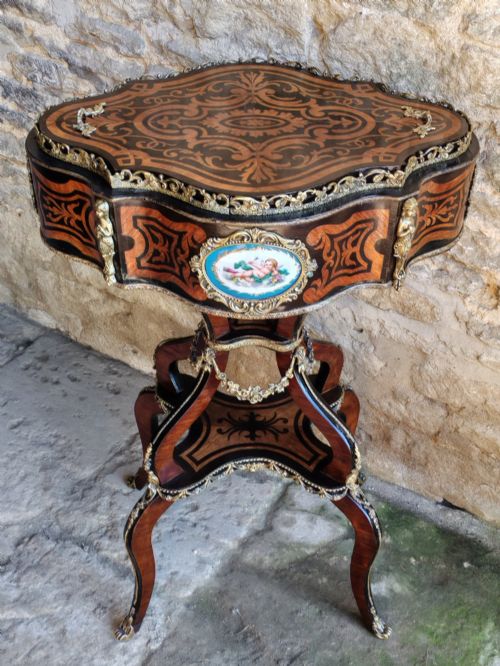
Many items combine ceramic components with wooden frames, brass, or ormolu mounts. Makers employed techniques such as reticulation, moriage relief work, and transfer printing alongside careful manual painting to achieve the finished forms.
Several stands double as homes for handpainted birds, sleepy pug dogs, and leaping koi fish.
Judging Quality and Execution
Quality in these pieces depends on the crispness of the porcelain moulding and the precision of the handpainted details. Superior examples display carefully controlled kiln firing, rich enamel colours, and clean gilding without blurring or surface pitting.
The integration of the stand with its ceramic vessel or supporting mount marks the difference between standard production and exceptional output. Pieces featuring finely chased ormolu, solid mahogany frames, or intricate reticulation demonstrate superior workshop standards.
Coalport·H & R Daniel·Sèvres·Davenport·Ridgway·Hicks & Meigh·Grainger's Worcester·Mintons·Chamberlain Worcester·Triebner, ENS & Eckert·Berlin KPM·Forester & Son
The 19th Century Porcelain Stand Glossary
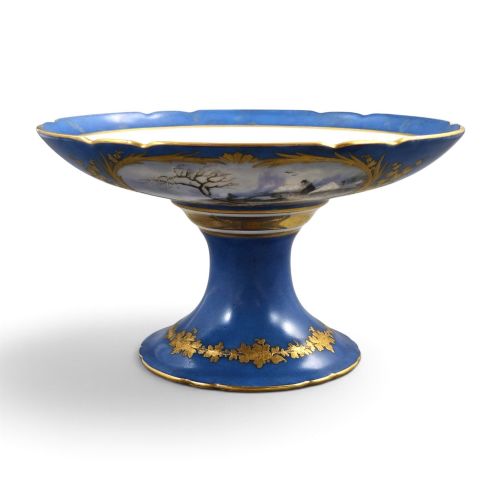
- Tazza
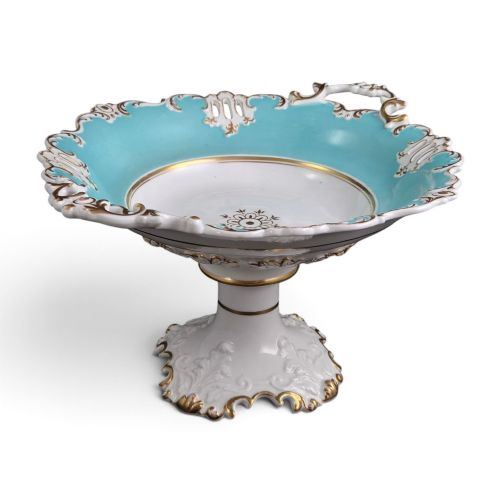
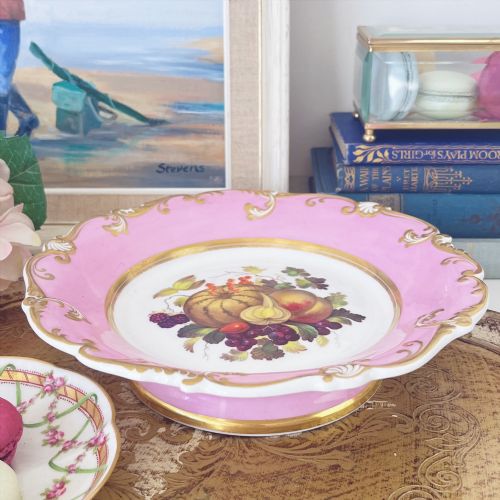
- A shallow bowl or cup mounted on a stem and foot, frequently utilised for serving dessert or as a decorative centrepiece.
- Jardiniere
- An ornamental pot or stand designed to hold growing plants or flowers, often manufactured in porcelain or mounted in metal.
- Ormolu
- Gilt bronze mounts applied to furniture, clocks, and porcelain stands to provide decorative borders and structural feet.
- Reticulation
- An openwork pattern pierced through the ceramic body during manufacture, commonly seen on baskets and chestnut sets.
- Imari
- A style of Japanese export porcelain decorated in underglaze blue, iron red, and gold, popular throughout the period.
19th Century Porcelain Stand: Frequently Asked Questions
What is a porcelain stand used for?
These items served various practical and decorative functions in nineteenth-century interiors, acting as stable bases for teapots, tureens, and vases. They protected tables from heat and moisture while elevating decorative wares.
Larger versions functioned as jardinieres, umbrella stands, or garden seats, combining structural utility with painted ceramic display.
How do I identify a Victorian stand?
Victorian examples often display characteristic period traits such as Rococo Revival curves, vibrant cobalt blue grounds, or elaborate gilding. Makers frequently incorporated transfer printing alongside handpainted fruit or floral motifs.
Examining the base for factory pattern numbers, impressed marks, or associated wooden and metal mounts helps determine the exact period of manufacture.
Are Chinese and Japanese stands common?
Export pieces from the Qing Dynasty and Meiji period appear frequently, including Canton rose medallion dishes, Imari planters, and Kutani vase stands. These imports often feature intricate panels, lion handles, or blue and white barrel forms.
Asian ceramics of this era were produced both for domestic use and specifically for Western export markets.
How should I clean a porcelain stand?
Careful dusting with a soft, dry cloth removes everyday particles without risking delicate enamel or gilt surfaces. Avoid harsh chemical cleaners or abrasive materials that could damage handpainted details or metal mounts.
If washing is necessary, use lukewarm water with mild soap, and dry the piece immediately to protect any integrated wood or metal elements.