
19th Century Porcelain China
These pieces of 19th century porcelain china bring handpainted decoration and refined forms to the table, offering a tangible link to Georgian, Regency, and Victorian dining traditions.
19th Century Porcelain China
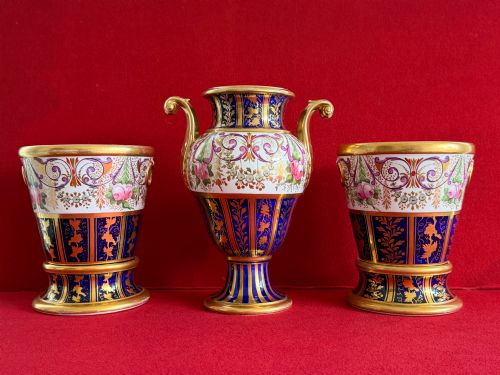
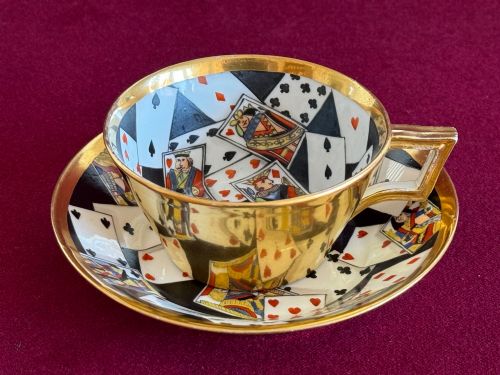
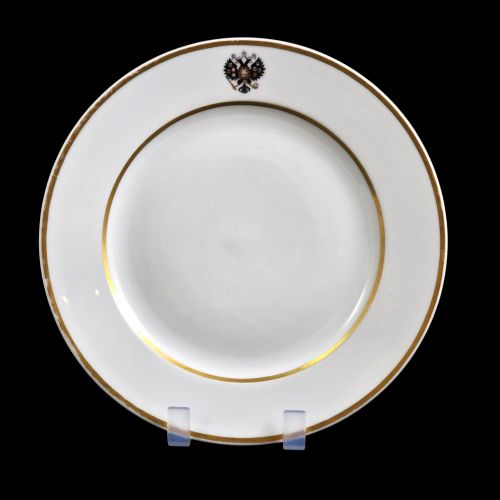
When searching for 19th century porcelain china, collectors encounter a diverse range of functional and display items spanning dessert services, cabinet plates, teacups, and vases. English factories such as Spode, Coalport, and Derby dominate the selection alongside continental wares from Meissen, Sèvres-style makers, and Berlin. Forms stretch from simple blue and white chargers to elaborate rococo turquoise tazzas and topographical cabinet cups.
The objects reflect distinct stylistic shifts across the decades, moving from restrained Georgian and Regency neoclassical designs towards exuberant Victorian revivals and Aesthetic Period motifs. Dessert services and tea trios form the backbone of the available selection, often preserved in multi-piece sets or matched pairs. Cabinet pieces meant purely for display sit alongside utilitarian tea and coffee wares intended for service.
Materials and manufacturing techniques
Manufacturers utilised hard-paste porcelain, soft-paste variants, and bone china bodies, shaping them into plates, vessels, and figurines through throwing, moulding, and casting. Artisans applied lead glazes before firing the ceramic bodies in kilns to achieve a vitreous, smooth finish suitable for subsequent decoration.
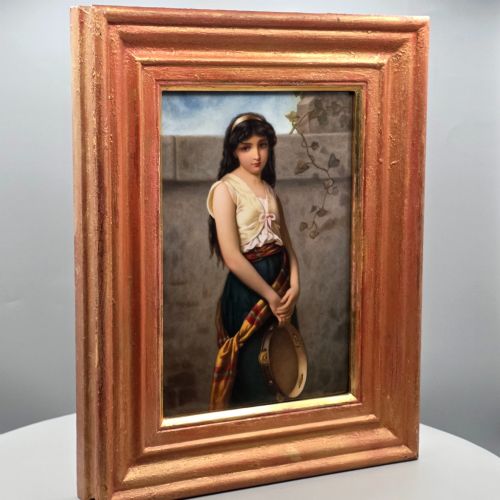
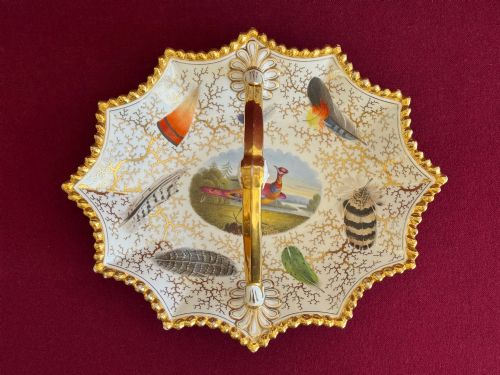
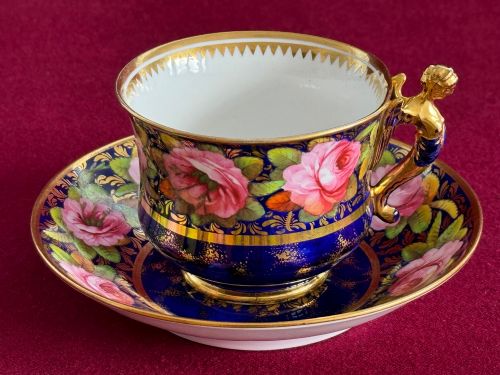
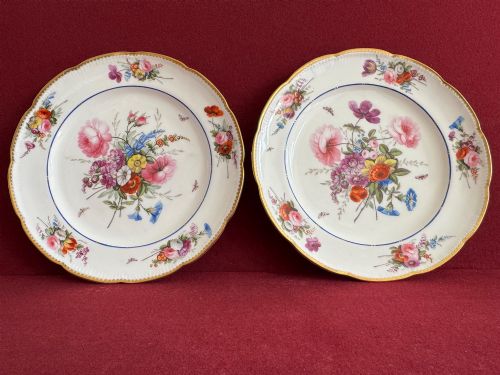
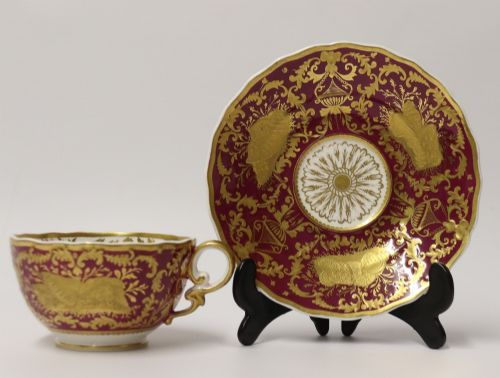
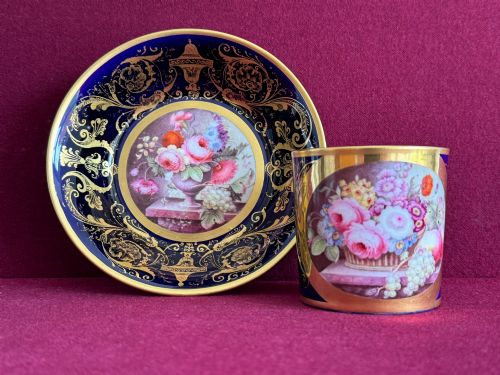
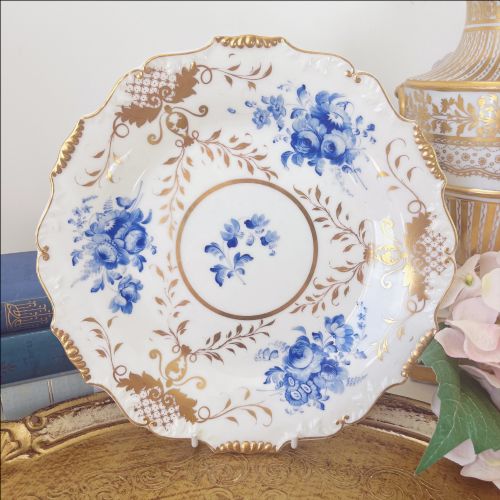
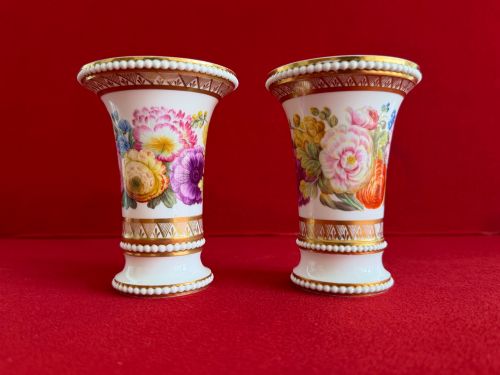
Handpainting formed a central part of the production process, utilising enamel colours for botanical studies, portraits, and birds. Gilding with gold leaf or liquid gold highlights accents borders, handles, and moulded rococo scrolls, fixed to the surface through a secondary low-temperature kiln firing.
Listings feature dessert services, cabinet plates, teacups, saucers, tureens, and vases produced across the 19th century in porcelain, bone china, and earthenware.
Factors determining quality
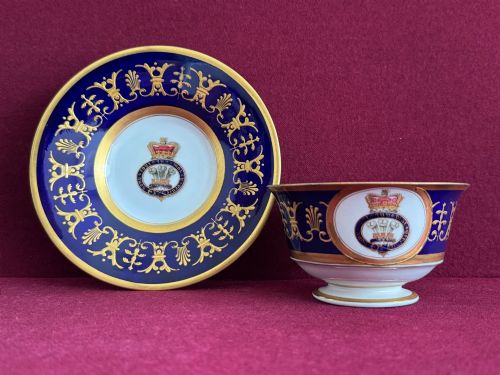
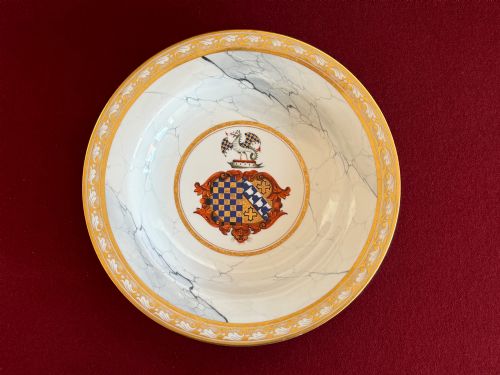
The standard of 19th century porcelain china rests heavily on the precision and artistry of the handpainting rather than the sheer complexity of the ceramic body alone. Pieces featuring finely detailed botanical illustrations, armorial crests, or topographical scenes executed by skilled factory artists command higher regard than those with repetitive transfer-printed outlines.
Execution of the gilding and the crispness of the moulded relief work also separate standard utilitarian wares from top-tier cabinet items. Well-preserved enamel colours without rubbing, combined with factory marks or pattern numbers, indicate careful preservation and superior initial manufacture.
Grainger Lee and Co·Spode·Flight Barr and Barr Worcester·Coalport·H and R Daniel·Royal Crown Derby·Newhall·KPM Berlin·Davenport·Bloor Derby·Ridgway·Wedgwood·Minton·Derby·Meissen·Doe and Rogers·John Bevington·Copeland
The 19th Century Porcelain China Glossary
- Bone china
- A type of soft-paste porcelain containing bone ash, developed in England to create a strong, brilliantly white ceramic body. It accepts glazes and enamel colours exceptionally well.
- Cabinet plate
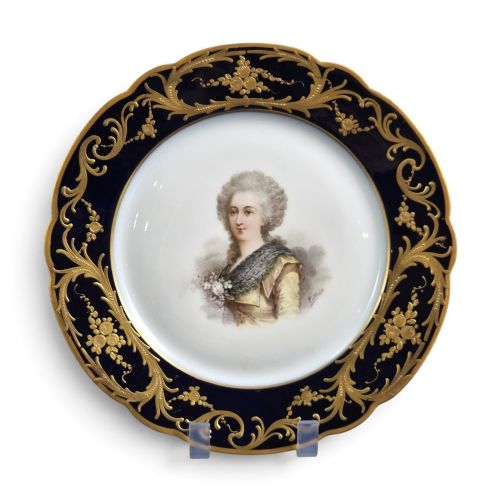
- A decorative ceramic plate intended purely for display in a cabinet or on a wall rather than for practical dining use. These often feature elaborate handpainted scenes or rich gilding.
- Trio
- A matched set consisting of a teacup, a coffee cup, and a matching saucer. They became popular breakfast and tea accessories during the Regency and Victorian periods.
- Imari palette
- A decorative style inspired by Japanese export wares, utilising a distinctive colour scheme of underglaze blue, iron red, and abundant gold leaf. English factories frequently adopted this palette.
- Tazza
- A shallow ornamental cup or saucer mounted on a raised foot or pedestal, designed to hold fruit or act as a centrepiece during dessert courses.
19th Century Porcelain China: Frequently Asked Questions
How do I identify a dessert service?
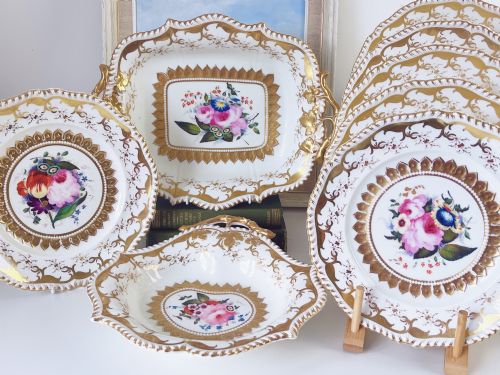
A dessert service typically comprises a central comport or tazza accompanied by a matching set of plates designed for serving fruit or sweets after dinner.
These sets often survive in partial or complete configurations, bearing unified pattern numbers or handpainted botanical motifs across every individual piece.
What defines a cabinet cup?
Cabinet cups are highly decorative vessels produced primarily for display within a collector's cabinet rather than everyday drinking.
They frequently feature topographical views, handpainted portraits, or elaborate gilt handles that set them apart from standard tableware.
How do I spot an Imari pattern?
Imari pattern pieces are identified by their characteristic palette combining deep underglaze blue, vibrant iron red, and extensive gold leaf detailing.
This aesthetic, borrowed from Japanese export porcelain, proved immensely popular across various English factories throughout the 19th century.