



19th Century Porcelain Centrepiece
A 19th century porcelain centrepiece brings theatrical nineteenth-century dining ornament and display to a table.
19th Century Porcelain Centrepiece
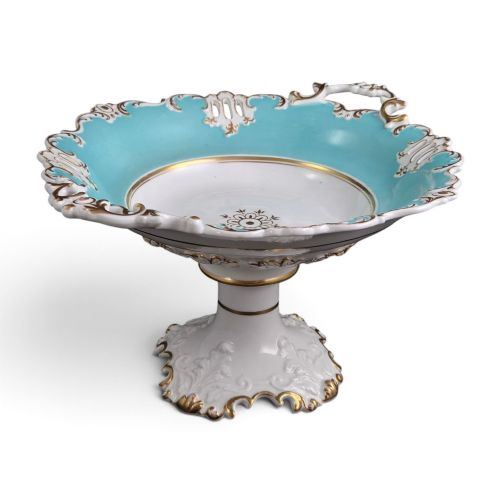
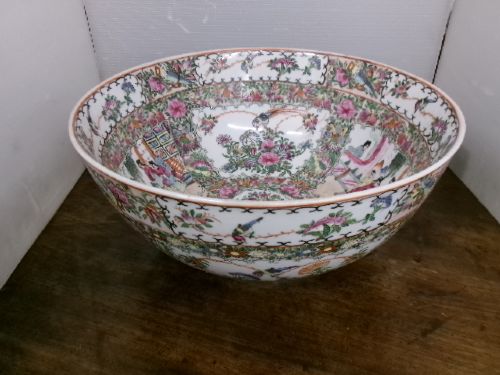
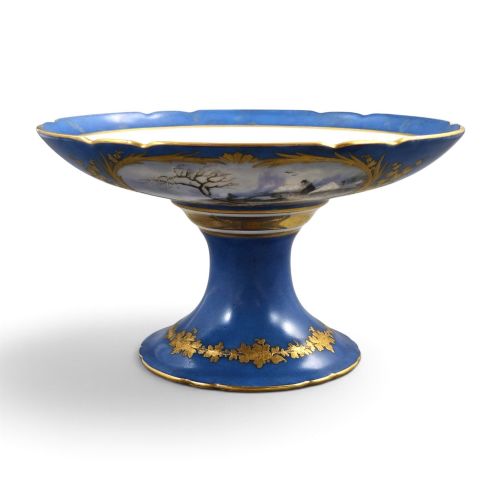
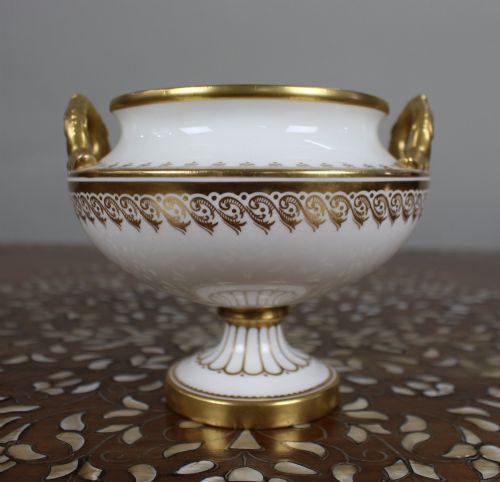
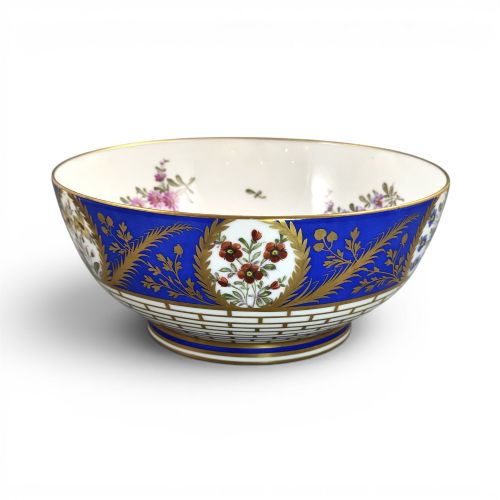
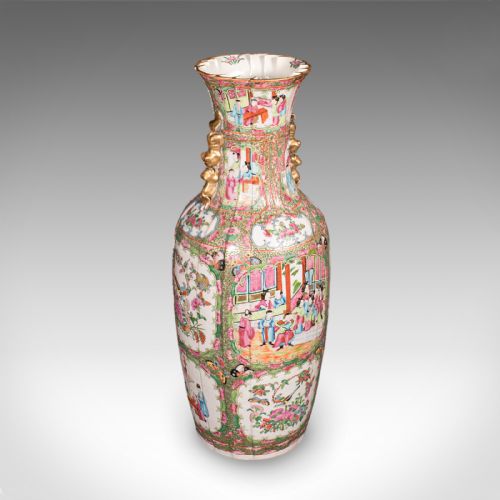
A 19th century porcelain centrepiece serves as a decorative focal point for large tables, drawing on periods spanning the Victorian era, Regency, and Qing Dynasty. The selection includes Chinese Canton and Famille Rose bowls, English tazzas from factories such as Coalport and Chamberlain's Worcester, and French ormolu-mounted porcelain dishes.
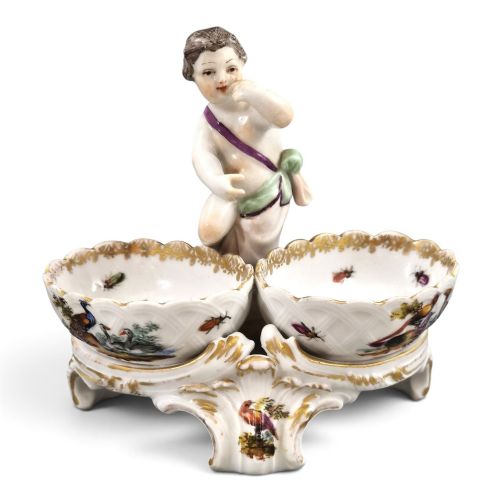
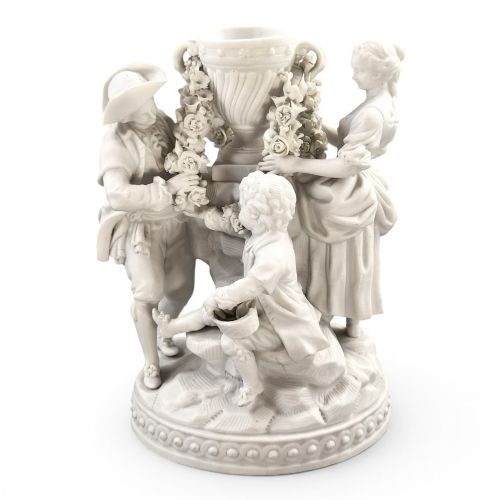
Forms range from simple decorative bowls and flower-encrusted baskets to figural salt cellars, urns, and complex candelabras set with gilt bronze. Many items reflect European revivals of Rococo styles or Chinese export traditions, produced for formal dining and drawing-room display.
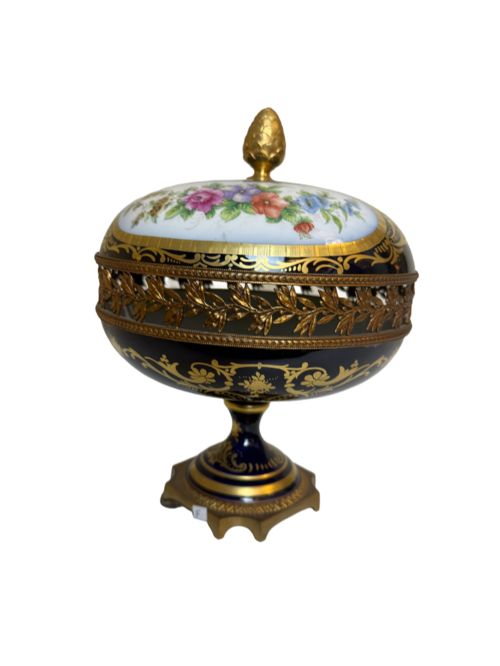
Buyers encounter British, French, German, and Chinese manufacture across these listings. Items span utilitarian serving vessels intended for fruit or punch alongside sculptural centerpieces supported by ormolu mounts and champleve enamel.
How they were made
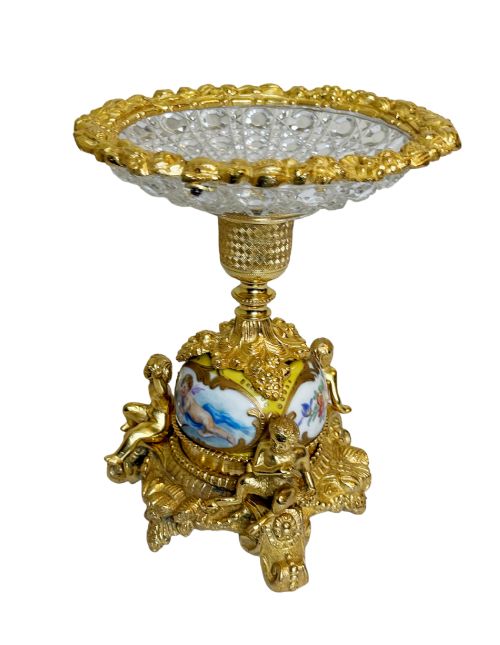
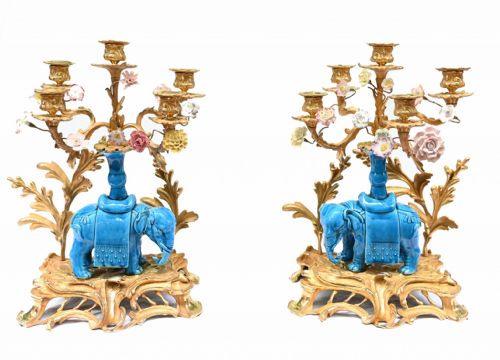
Makers shaped porcelain bodies using clay pastes fired at high temperatures, applying hand-painted enamels, gilt bronze, and gold leaf for surface decoration. French and English workshops frequently combined fired ceramic bowls with cast ormolu mounts, incorporating gilt bronze and cut crystal.
Detailing often involved intricate flower encrustations, biscuit porcelain sculptural groups, and underglaze or overglaze polychrome painting. Chinese export pieces utilised Canton and Famille Rose palettes, while European factories applied transfer printing alongside meticulous brushwork.
Several pieces feature elephants supporting candelabras, reflecting nineteenth-century fascination with exotic animals.
What varies in quality
Quality rests upon the crispness of the porcelain moulding, the refinement of the hand-painted brushwork, and the weight of the metal mounts. Finer pieces demonstrate precision in their gilding and complex figural modelling rather than simple mass-produced transfer designs.
The integration between ceramic bodies and metal elements distinguishes superior examples. Ormolu mounts cast with deep chasing and secure fitments reflect higher workshop standards than standard commercial production.
Coalport·Sevres·KPM Berlin·Limoges·Samson Paris·Chamberlain Worcester·Meissen·Rockingham·Volkstedt·Ridgway
The 19th Century Porcelain Centrepiece Glossary
- Ormolu
- Gilded bronze used for mounts, feet, and decorative framing on porcelain bodies. This technique was common in French and English decorative pieces.
- Tazza
- A shallow ornamental cup or bowl raised on a stem and foot. These were frequently used for serving fruit or sweets.
- Famille Rose
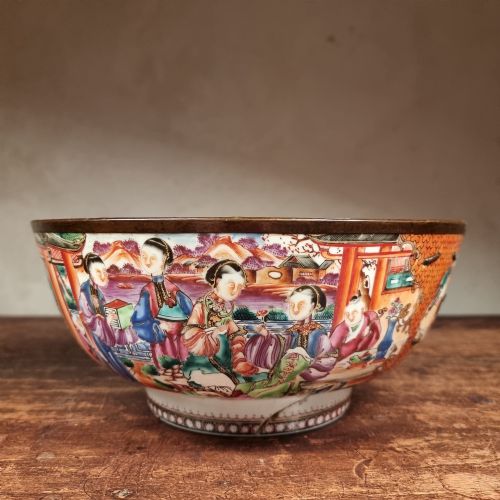
- A palette of Chinese porcelain enamels dominated by opaque pink or rose colours. The style became popular for export wares during the Qing Dynasty.
- Biscuit
- Unglazed porcelain fired once to a matte, porous finish resembling marble. It was widely used for sculptural figures and groups.
- Champleve
- An enamelling technique where troughs are carved into metal and filled with vitreous enamel. It appears on mounts accompanying nineteenth-century French porcelain.
19th Century Porcelain Centrepiece: Frequently Asked Questions
How were 19th century porcelain centrepieces used?
These pieces sat in the middle of dining tables during formal meals, often holding fruit, flowers, or sweetmeats. They served to impress guests and reflect the host's taste.
Later in the century, many moved to sideboards, pedestals, or drawing-room tables as purely decorative objects rather than serving vessels.
How do I identify a French 19th century centrepiece?
French examples often feature ormolu mounts, champleve enamel, or biscuit porcelain sculptural groups. Factories like Sevres and Paris workshops dominated this aesthetic.
Stylistic cues include French Rococo Revival curves, gilt bronze cherubs, and soft turquoise or blue ground colours.
What is Chinese export porcelain?
Chinese export porcelain refers to wares made in China specifically for Western markets during the Qing Dynasty. Canton and Famille Rose punch bowls are typical examples.
These items combine traditional Chinese ceramic techniques with decorative schemes tailored to European interior tastes.
How should I care for an antique centrepiece?
Dust porcelain gently with a soft, dry brush and avoid harsh cleaning agents that might damage hand-painted enamels or gilding. Metal mounts require careful handling.
Keep pieces away from direct sunlight and areas subject to sudden temperature shifts to protect the glaze and adhesives.