

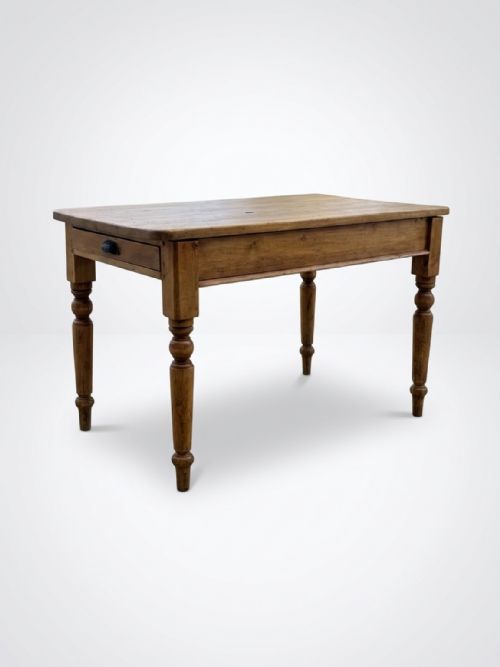
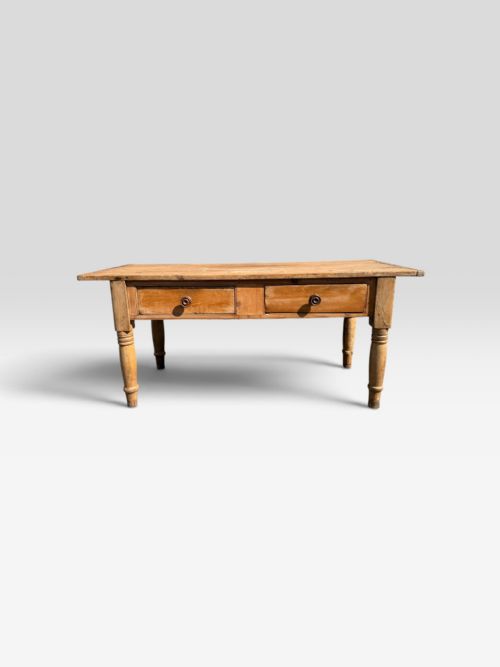
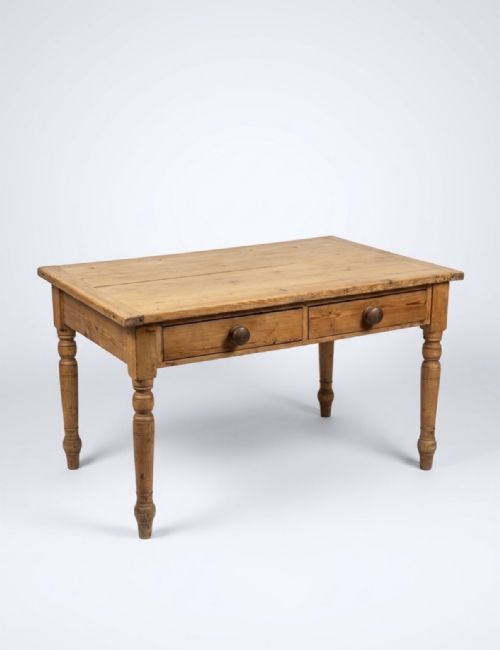
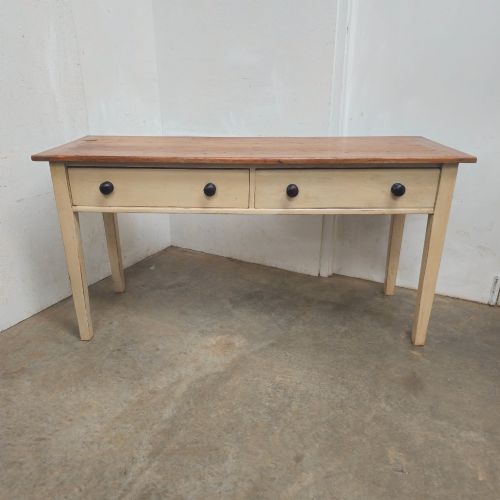
19th Century Pine Drawers
Discover original 19th century pine drawers, offering practical storage and rustic charm for traditional and contemporary interiors.
19th Century Pine Drawers
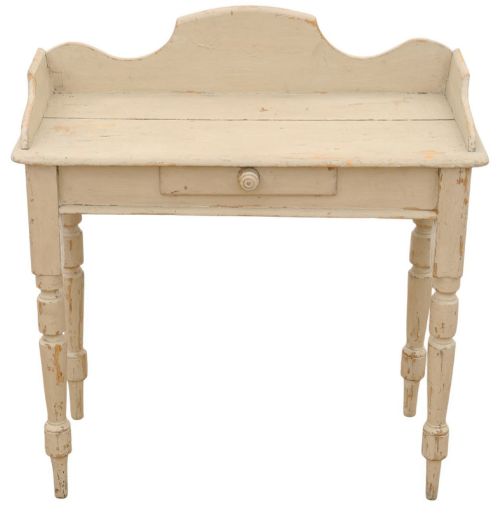
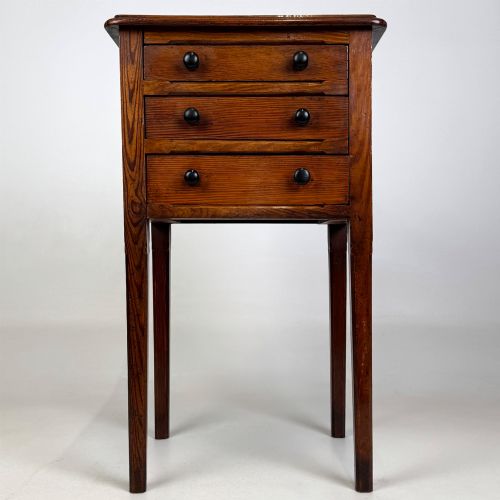
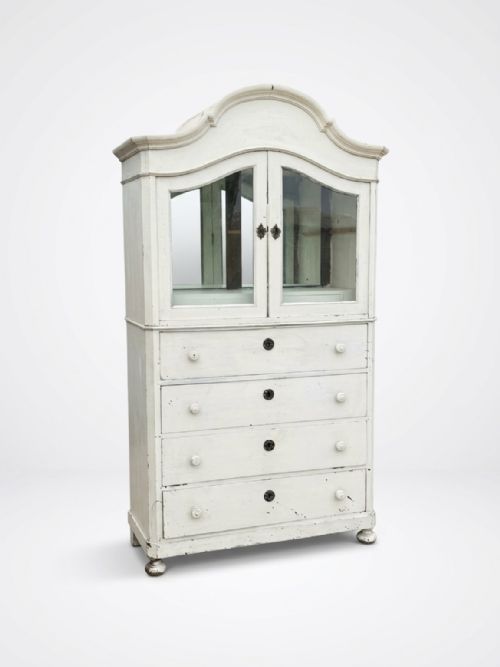
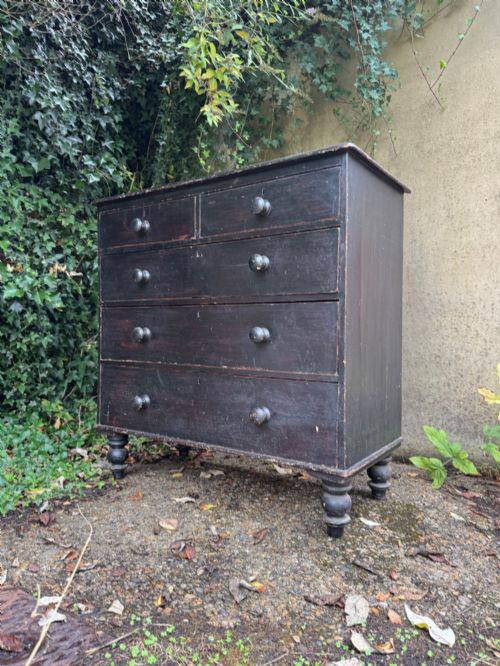
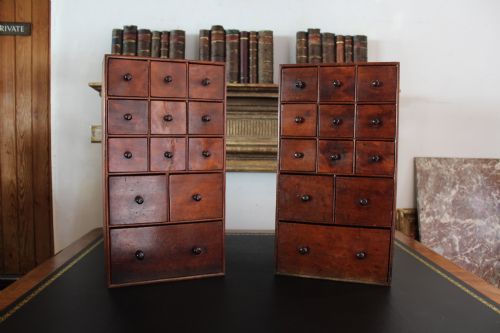
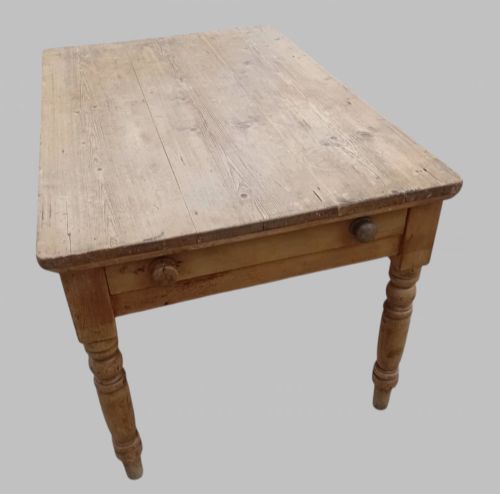
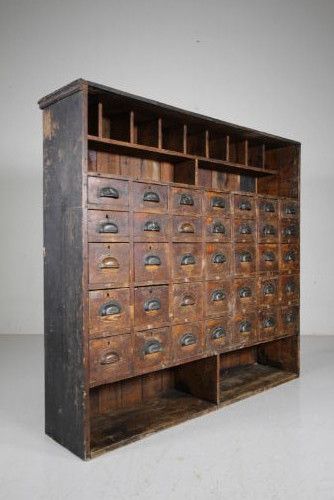
When searching for 19th century pine drawers, buyers encounter a wide variety of storage furniture originating from domestic, agricultural, and commercial settings. Chests of drawers dominate the selection, appearing alongside specialised pieces such as banks of drawers, washstands, and apothecary cabinets.
Most examples date from the Victorian era and the broader nineteenth century, reflecting regional vernacular traditions across England, France, Sweden, and Ireland. These utility items range from modest farmhouse chests to substantial painted servers and multi-drawer filing units.
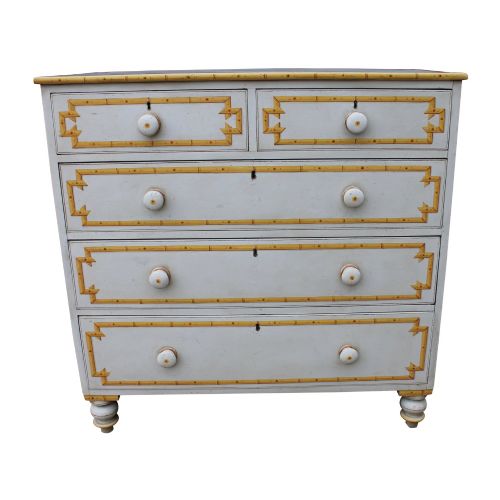
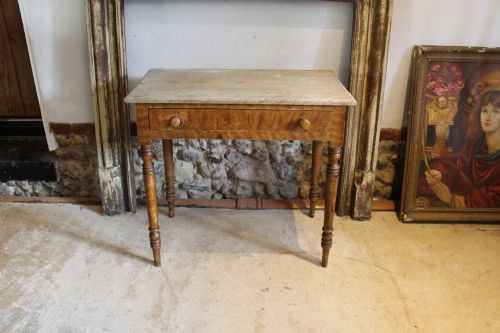
The aesthetic embraces both natural waxed finishes and surviving original decorative paint surfaces, including scumbled and faux bamboo treatments. Buyers select these items for their honest construction, functional proportions, and warm integration into living spaces.
How They Were Made
Carpenters utilised standard softwoods, predominantly yellow and red pine alongside denser pitch pine, constructing carcases with straightforward dovetail joints at drawer corners and nailed or screwed backboards. Iron and brass hardware, including drop handles, knobs, and escutcheons, secured operational longevity.
Surfaces received various treatments according to fashion and utility, shifting between scrubbed bare wood, clear wax, applied stain, and protective layers of lead-based or oil paint. Scumbling techniques created simulated wood grains using specialised combs and glazes over a lighter base coat.
Homeopathic chests offered tiny drawers for miniature remedies, proving that nineteenth-century organisation could be remarkably small-scale.
What Varies in Quality
Quality in these domestic furnishings rests primarily upon the integrity of the timber selection, joinery precision, and the survival of untouched decorative finishes. Superior pieces retain original backboards, smoothly operating drawer runners, and period-appropriate hardware without extensive timber replacement.
The presence of untouched scumbled or painted surfaces significantly elevates an item's standing among collectors. Finer examples display thoughtful proportions, refined turned feet or bun handles, and robust structural framing designed for heavy daily service.
Luxmore's of Ilfracombe·Johnston’s of London
The 19th Century Pine Drawers Glossary
- Scumble
- A decorative painting technique where a translucent glaze is manipulated over a pale ground to imitate the grain of richer woods or create textured patterns.
- Pitch pine
- A durable North American pine variety rich in resin, frequently utilised in nineteenth-century furniture for its distinctive dense grain and strength.
- Bank of drawers
- A multi-drawer cabinetry form originally constructed for commercial, apothecary, or institutional filing purposes rather than domestic bedroom use.
- Bun handle
- A small, rounded turned wooden knob affixed to drawer fronts, characteristic of Victorian utility furniture.
- Deal
- A historical term applied to timber cut from fir or pine logs, commonly found in nineteenth-century cabinet descriptions.
19th Century Pine Drawers: Frequently Asked Questions
How do I clean painted pine furniture?
Maintain painted surfaces by dusting gently with a dry, soft cloth, avoiding harsh chemical sprays or abrasive cleaners that compromise historical finishes.
Protect the surface from prolonged moisture and direct sunlight to prevent the underlying paint layers from lifting or fading over time.
What is the difference between deal and pine?
Deal is simply an older trade term used specifically for boards sawn from pine or fir timber, rather than indicating a distinct wood species.
Historical listings often interchange these terms when describing nineteenth-century chests and cabinetry.
Were these drawers used in bedrooms?
While many served in domestic bedrooms for linen and apparel, a significant portion originated in kitchens, dairies, and commercial offices.
Multi-drawer units and banks of drawers were built primarily for workshops, dispensaries, and administrative workspaces before entering the domestic market.
How can I date a pine chest?
Dating relies upon examining construction methods, such as hand-cut dovetails, backboard thickness, and the style of attached brass or wooden hardware.
Surface finishes, secondary woods like oak drawer linings, and structural wear patterns also help establish the approximate period of manufacture.