

19th Century Pine Desk
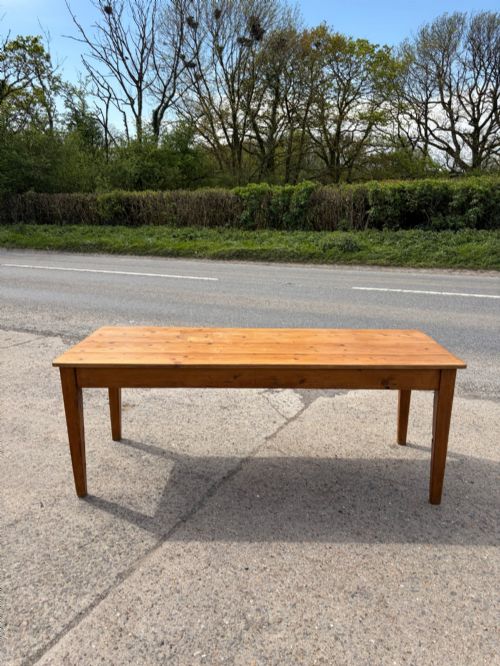
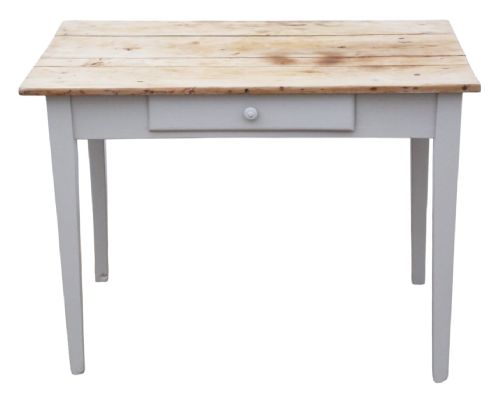
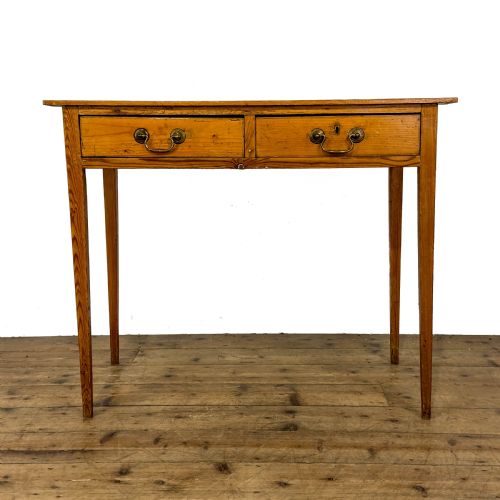
These robust 19th century pine desk examples offer enduring utility and rustic character for any traditional or eclectic workspace.
What a 19th century pine desk is
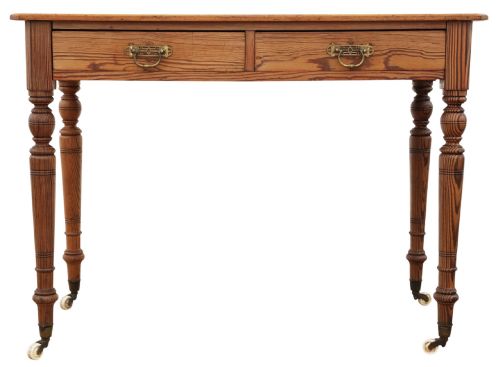
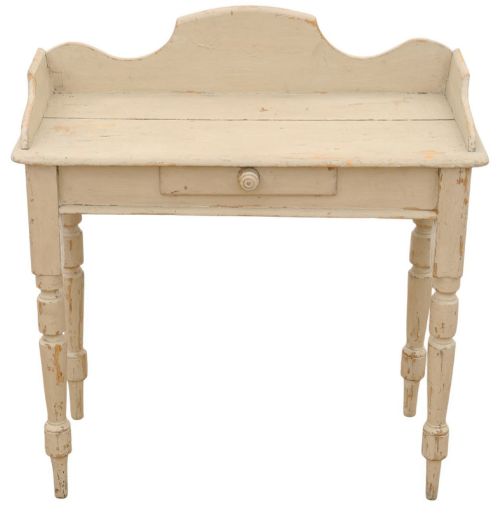
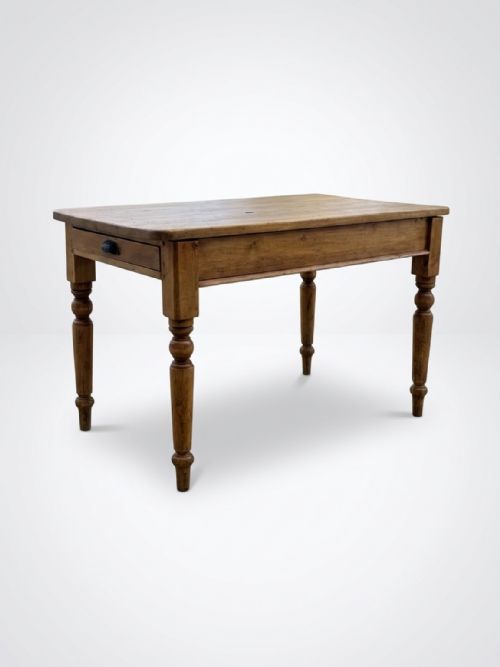
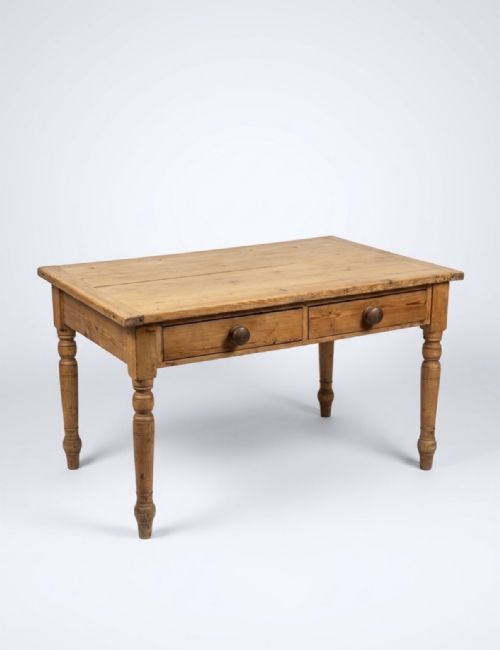
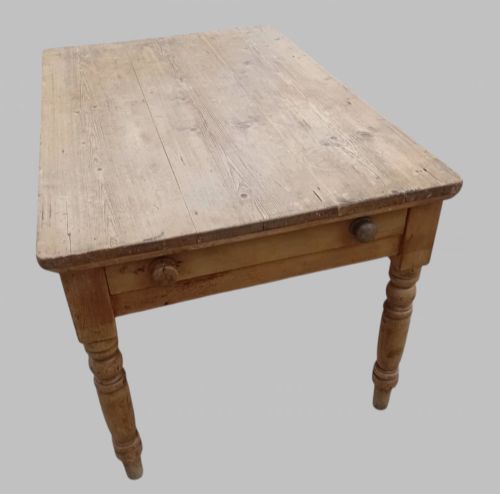
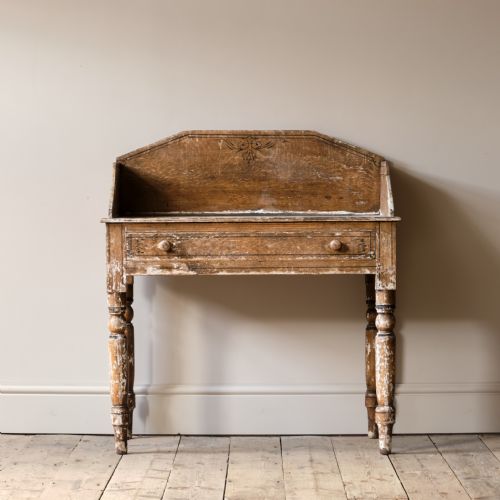
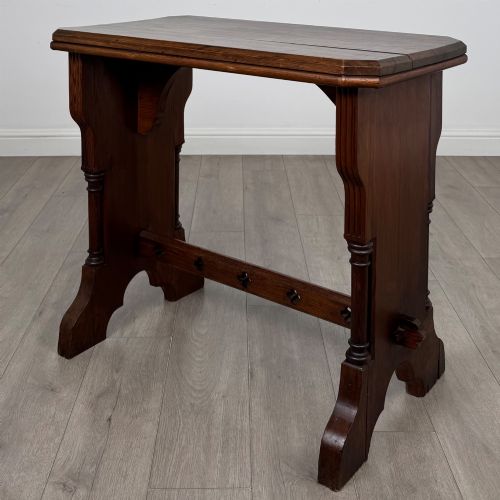
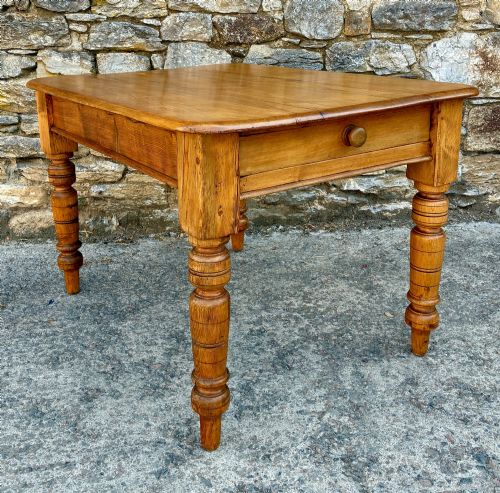
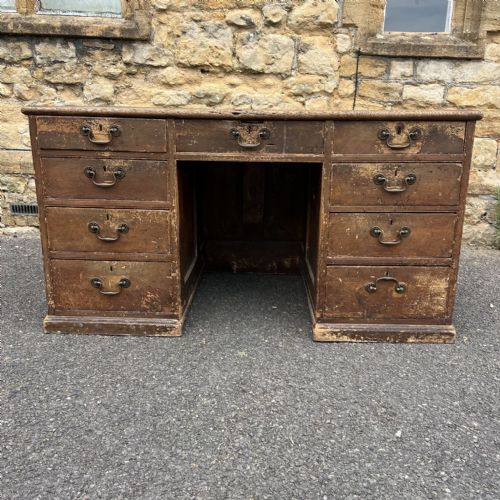
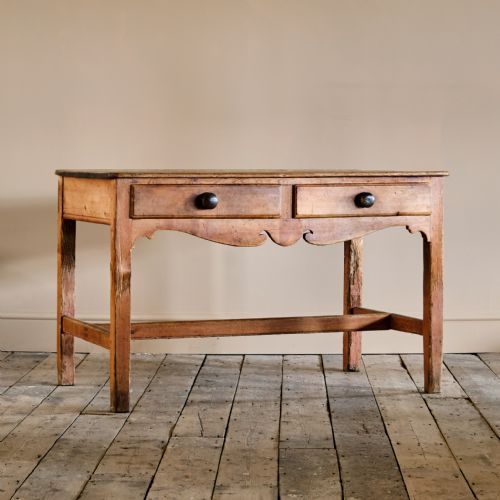
A 19th century pine desk encompasses sturdy working surfaces from the Victorian era, spanning simple side tables to grand partners desks. The items seen here range from utilitarian clerks desks to kneehole pedestals and gothic-influenced pieces.
The most common formats on this page are writing desks, side tables, and kneehole pedestals constructed in England during the nineteenth century. Many pieces reflect regional working styles including English country and Victorian Gothic designs.
Buyers seek these items for their honest timber construction and functional drawer layouts. They suit studies, home offices, and living spaces needing period charm and practical surface area.
How they were made
Carpenters built these desks using solid pine and pitch pine timber, frequently incorporating brass and iron hardware for drawer pulls and structural reinforcement. Wood surfaces were sometimes left plain or finished with paint.
Surfaces often show decorative treatments such as original paint or simulated finishes including scrumbled patterns. Construction relies on traditional joinery techniques suited to hard-wearing commercial and domestic furniture.
Retail Price Guide 2026
Typical UK retail prices for 19th century pine desk, calculated from the Sellingantiques database of over a million retail prices indexed since 2003. This retail price guide relies exclusively on Sellingantiques data; no external sources or auction records are used, so the figures do not describe the wider market.
Listings feature periods from the 19th Century, Victorian era, and the year 1850 alongside styles like Regency and Victorian Gothic.
What varies in quality
Quality differences stem from the selection of dense pitch pine versus standard softwood, alongside the complexity of the form such as twin pedestals or full-width drawers. Original painted surfaces and scrumbled finishes elevate a piece beyond plain timber.
Design influences also set pieces apart, moving from simple country side tables to elaborate gothic Revival forms with architectural detailing. The integrity of the original hardware and the depth of provenance further distinguish finer examples.
The 19th Century Pine Desk Glossary
- Pitch pine
- A dense, resinous softwood commonly used in nineteenth-century furniture for its durability and strong grain pattern. It resists wear better than standard pine.
- Scrumbled
- A decorative paint technique mimicking natural wood grain by dragging tools through translucent glaze over a lighter base coat. It was popular for giving cheaper woods a richer appearance.
- Partners desk
- A large double-sided desk designed for two people to work opposite each other, featuring banks of drawers or cupboards on both sides. These were standard in professional offices and banks.
- Kneehole desk
- A desk with a central recess for the user's legs, flanked by pedestals of drawers. This form became widespread during the Victorian period for domestic studies.
Frequently Asked Questions
What is a pitch pine desk?
A pitch pine desk is made from a particularly resinous variety of pine timber known for its durability and prominent grain pattern. These pieces often date from the later nineteenth century and withstand heavy daily use.
The wood takes finishes well and provides a sturdy framework for large writing surfaces and pedestal drawer configurations.
How do I care for an antique pine desk?
Maintain your desk by dusting with a dry cloth and avoiding placement near direct heat sources that can dry out the timber. Wax finishes benefit from occasional buffing with natural beeswax.
Protect painted or scrumbled surfaces from moisture and harsh cleaning chemicals to preserve the historic finish.
Where were these desks used originally?
These desks served in various settings ranging from country houses and vicarages to clerks' offices and commercial counting houses. Simpler side table formats functioned in domestic halls and parlours.
Larger partners desks and kneehole pedestals occupied professional studies where storage and dual-sided access were essential.
How do I identify a Victorian Gothic desk?
Victorian Gothic desks display architectural motifs such as pointed arches, chamfered framing, and heavy proportions influenced by medieval design revivals. Pitch pine is frequently the timber of choice for these substantial pieces.
They often incorporate iron hinges and bracket details that echo ecclesiastical furniture.