
19th Century Pastoral Artwork
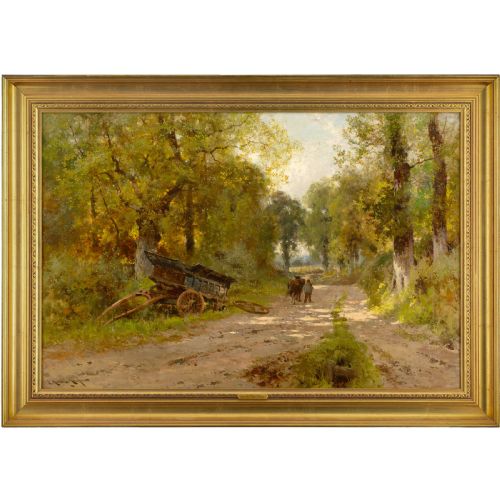
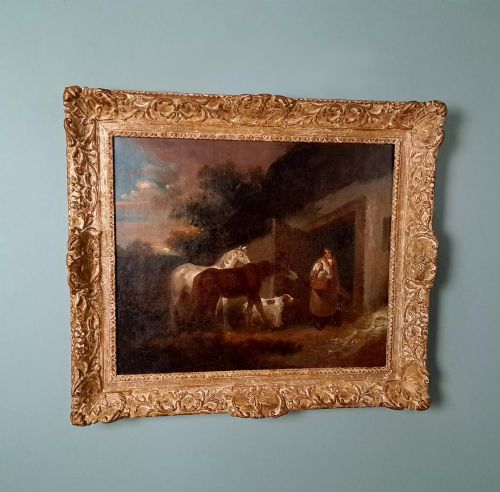
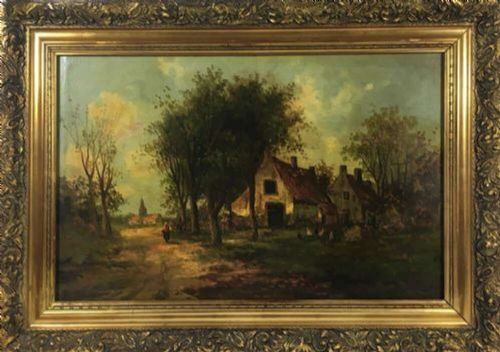
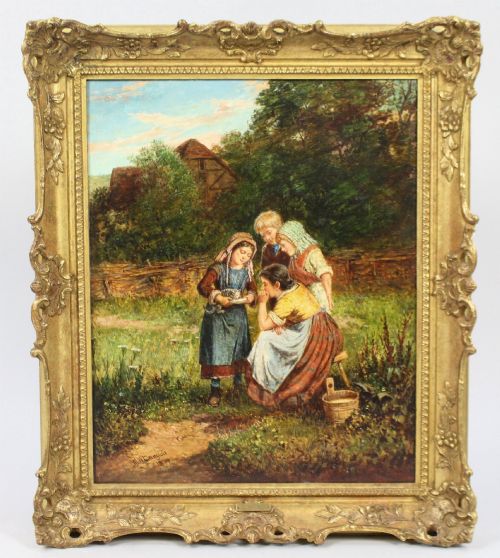
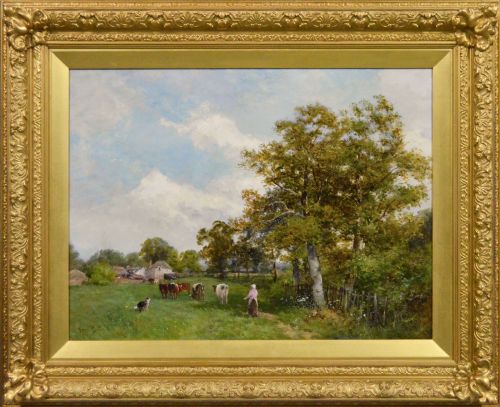
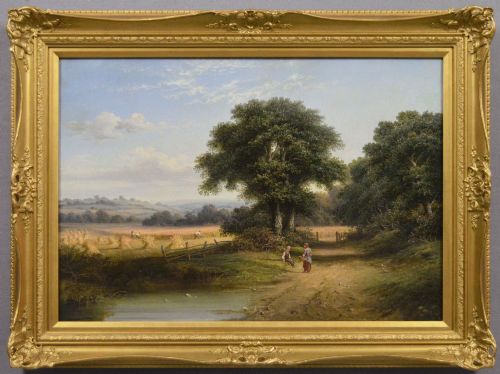
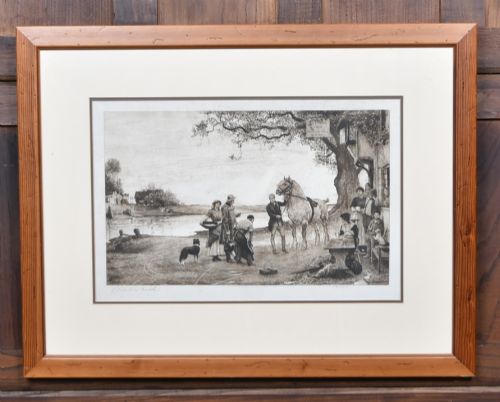
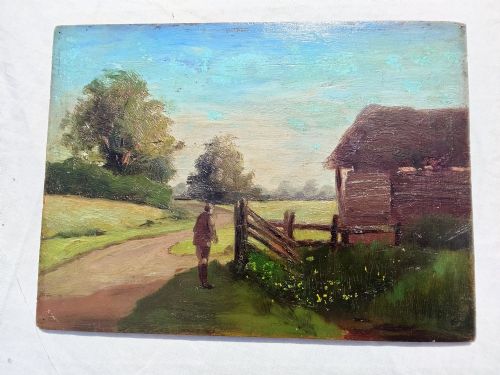
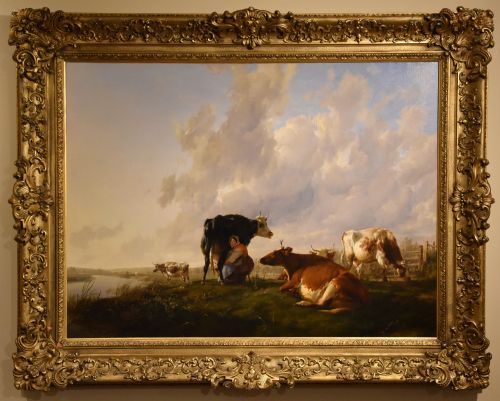
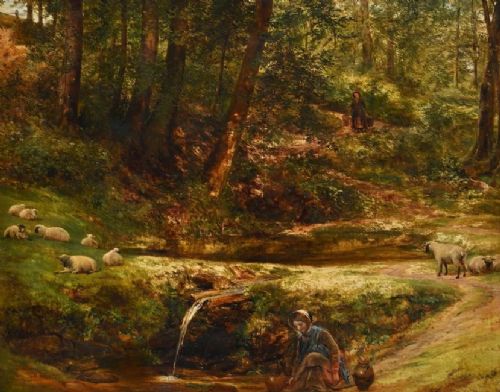
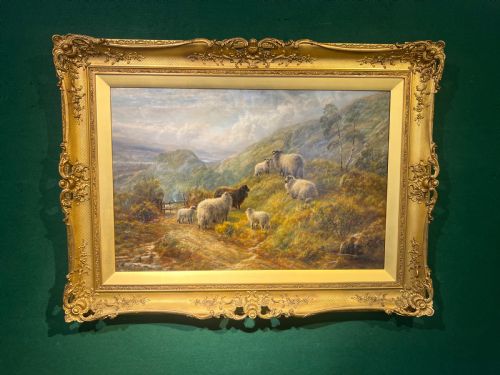
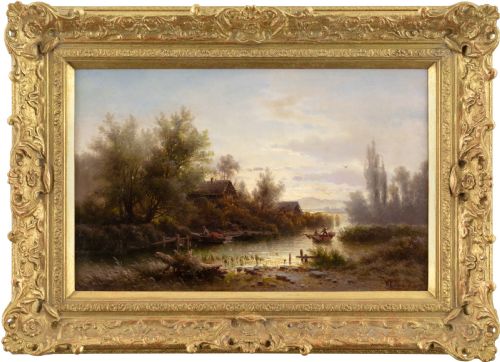
These 19th century pastoral artwork pieces capture rural life and agricultural idylls through traditional painted scenes.
19th Century Pastoral Artwork
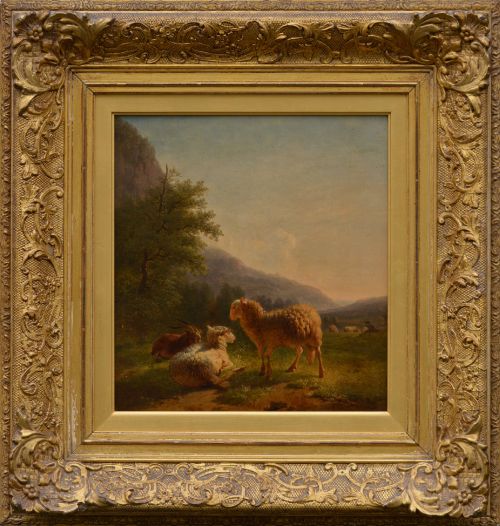
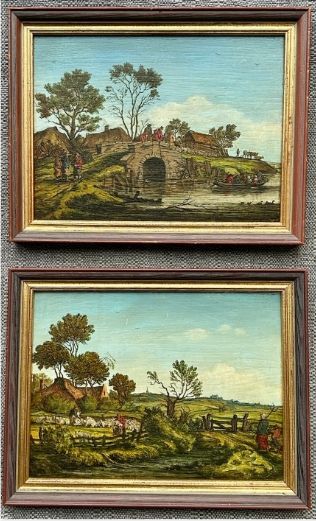
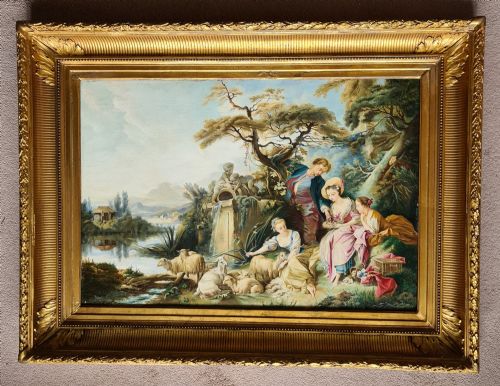
When searching for 19th century pastoral artwork, a buyer encounters framed paintings and watercolours depicting rural fields, farmyards, rivers, and herds of livestock. The most common version met on this page is the oil painting on canvas or wood panel, carrying Victorian or continental European stylistic influences.
Subjects range from shepherds and milkmaids with cattle to quiet river landscapes and harvest scenes. These works reflect both British and continental schools of the period, often bearing signatures from known artists or emerging from regional studios.
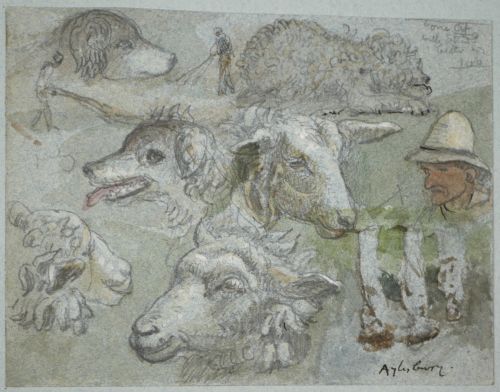
Formats span from intimate watercolours on paper to substantial oil compositions housed in period giltwood frames. The overarching subject matter consistently centres on agrarian life and tranquil countryside settings.
Materials and Technique
The works rely primarily on oil paint applied to canvas, wooden boards, or wooden panels, alongside watercolours executed on paper. Canvases and wooden supports are frequently housed within ornate gesso and giltwood frames.
Artists built depth through layered oil pigments or delicate watercolour washes, capturing natural light in river valleys and pastoral fields. Brushwork shifts from tight realist precision to looser Barbizon-influenced applications.
The inventory includes works on canvas, wooden boards, and paper by British and European artists.
Judging Quality
Quality rests in the handling of light, the anatomical accuracy of animals and human figures, and the sensitivity of the landscape composition. Superior examples display confident brushwork and atmospheric depth that elevate a standard farmyard view into a compelling narrative.
The framing also influences the piece, as original period giltwood and gesso surrounds matched to the artwork contribute significantly to the overall integrity and visual impact of the composition.
Eugène Verboeckhoven·John Horace Hooper·William Joseph Shayer Senior·Thomas Sidney Cooper·Philip Richard Morris
The 19th Century Pastoral Artwork Glossary
- Gesso
- A plaster-like mixture applied to wooden frames or panels to prepare a smooth surface for gilding or painting. It provides the base for decorative mouldings.
- Giltwood
- Wood carved and covered with a thin layer of gold leaf or metallic gilt. It frames many traditional paintings from this era.
- Barbizon School
- A French art movement focusing on realistic landscape painting inspired by nature. Artists painted directly from the outdoors.
- Wood Panel
- A flat wooden support used by artists instead of canvas. These boards provide a rigid base for detailed oil painting.
19th Century Pastoral Artwork: Frequently Asked Questions
What subjects appear in these pastoral works?
The compositions generally feature rural scenes such as shepherds with sheep, cattle near rivers, harvest fields, and agricultural workers. Domestic animals and figures populate quiet countryside landscapes.
Many pieces reflect British and European rural life, capturing farmyards, riverbanks, and pastoral settings under varying weather conditions.
Are these works painted on canvas or wood?
The listings include both oil on canvas and oil on wooden panels or boards. Watercolours on paper also appear frequently among the selections.
Supports vary according to the artist's preference and the scale of the composition, with smaller studies often executed on wooden boards.
How should these framed pieces be displayed?
These works require placement away from direct sunlight and excessive humidity to protect the pigments, paper, and giltwood frames. Wall mounting should utilise secure fixings suited to the weight of the frame.
Maintaining a stable indoor climate helps preserve both the canvas or paper support and the original gesso framing.
How do I identify the period of a pastoral painting?
Dating relies on stylistic clues, framing materials, artist signatures, and inscriptions recorded on the reverse of the canvas or panel. Barbizon and Victorian realisms indicate specific mid-to-late nineteenth-century movements.
Examining the stretcher bars, canvas weave, and paper types also assists in confirming the production era.