


19th Century Paperweight
These 19th century paperweights range from Grand Tour mineral specimens to French lampwork glass, bringing functional utility and desk charm together.
What 19th century paperweights are
A 19th century paperweight is a small, heavy desk object designed to hold down loose documents and letters. When searching for a 19th century paperweight, collectors encounter a diverse array of materials, from hardstones to cast iron and wood.
The pieces appearing in these listings span the Victorian era, mid-19th century France, and Grand Tour souvenirs. Forms include floral lampwork, carved animals, geometric specimens, and inlaid boxes.
Origins represented in the evidence include English woodwork, French glasshouses, and Italian mineral workshops. Each piece reflects the decorative tastes and desk habits of the nineteenth century.
How they were made
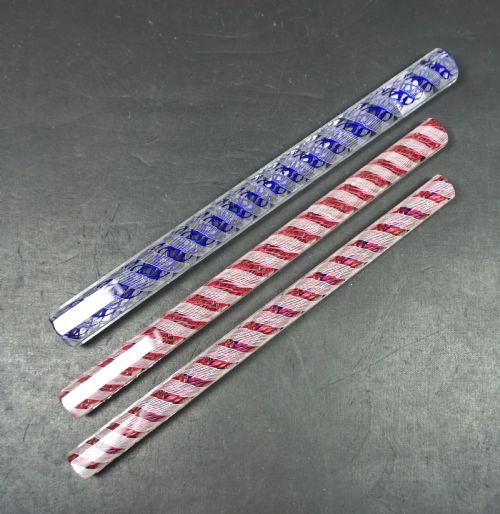
The construction of these items involves skilled manipulation of varied materials such as agate, lignum vitae, boxwood, and cast iron. Glass pieces utilise lampwork techniques to suspend delicate floral motifs inside clear glass domes.
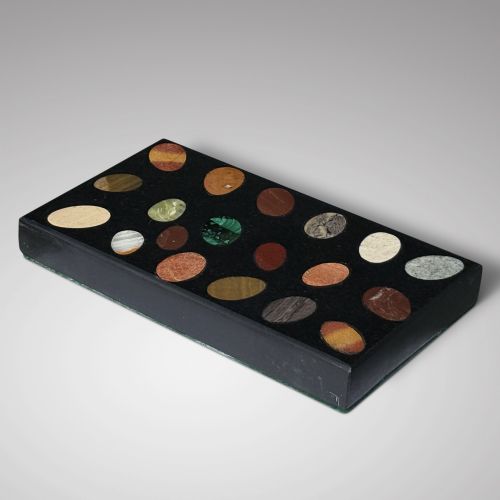
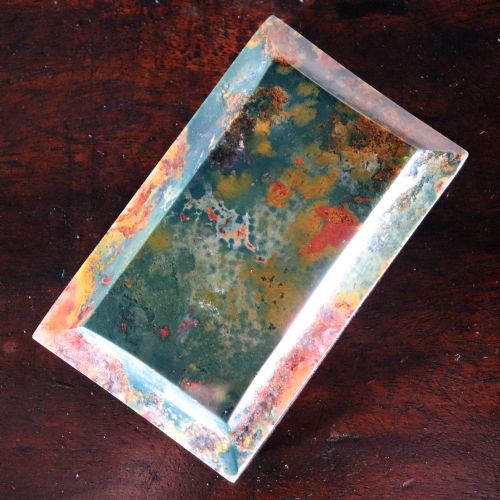
Stone and mineral examples rely on lapidary skill, employing pietra dura work with mixed mineral specimens, bloodstone, Siena marble, and slate. Inlaid wooden pieces combine contrasting timbers like boxwood and lignum vitae to form pictorial motifs such as swans.
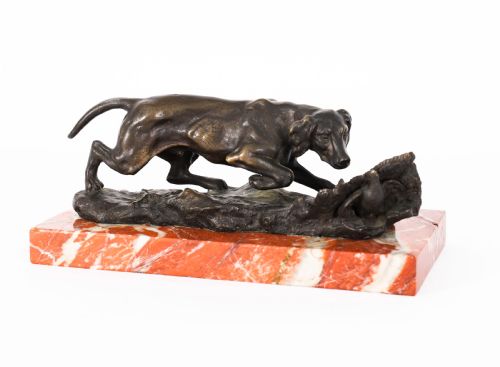
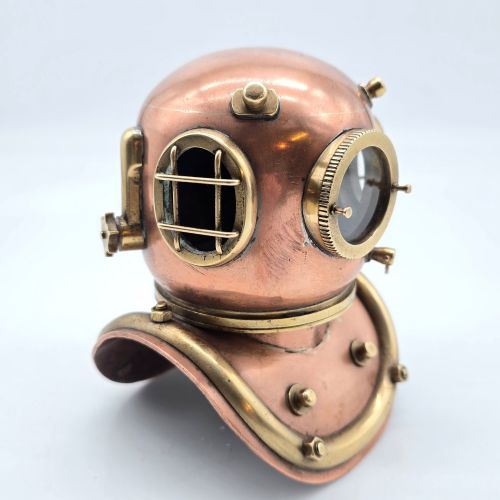
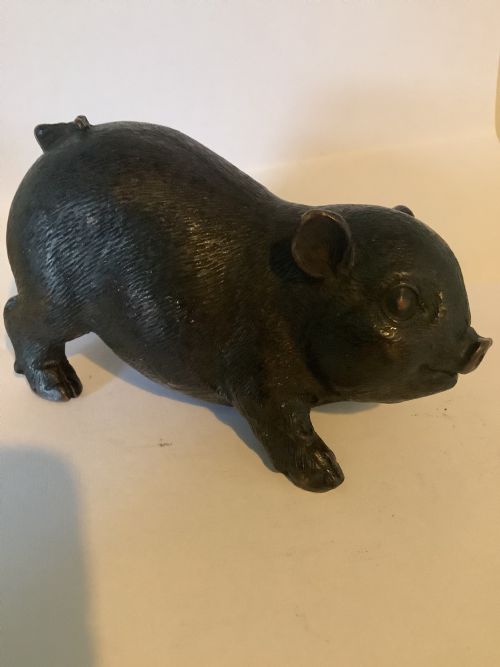
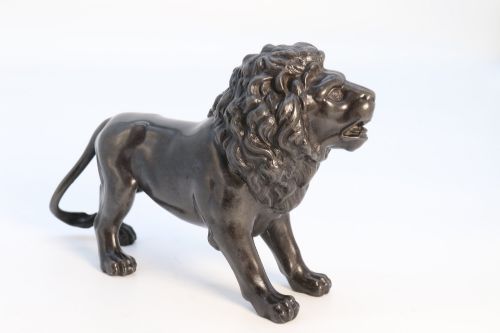
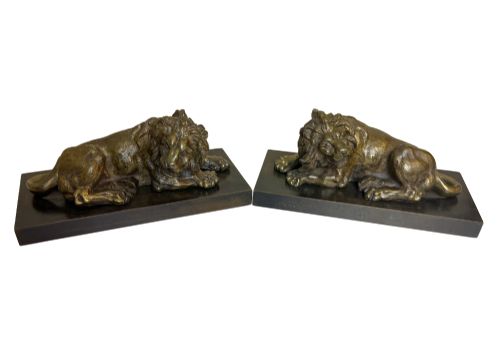
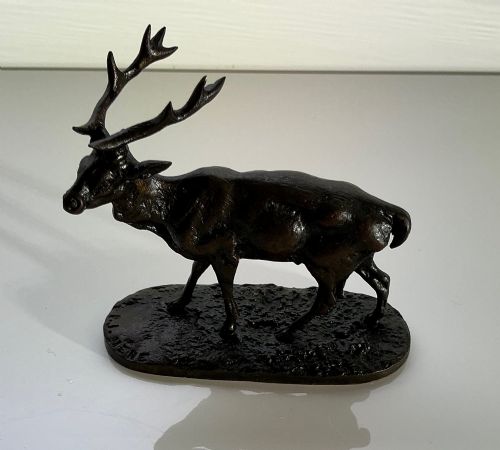
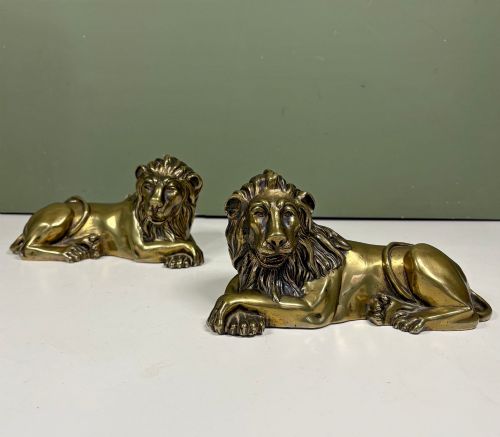
Metals such as bronze and brass undergo casting to produce sculptural forms including lions and figurative subjects. Stone items frequently incorporate carved details or applied cameo books.
Retail Price Guide 2026
Typical UK retail prices for 19th century paperweight, calculated from the Sellingantiques database of over a million retail prices indexed since 2003. This retail price guide relies exclusively on Sellingantiques data; no external sources or auction records are used, so the figures do not describe the wider market.
Materials in these records include agate, cast iron, clear glass, lampwork glass, lignum vitae, boxwood, black marble, and mixed mineral specimens.
What varies in quality
The standard of a 19th century paperweight rests upon the precision of its craftsmanship and the selection of its raw materials. Finer mineral examples display tightly fitted pietra dura work and rich, unblemished natural specimens.
Glass pieces derive their distinction from the complexity and clarity of the internal lampwork, where crisp floral details elevate the work. Sculptural metalwork and carved wooden items succeed through anatomical accuracy and clean lines rather than mere mass.
Baccarat
The 19th Century Paperweight Glossary
- Pietra dura
- A method of inlaying cut and fitted polished coloured stones to create pictures. This technique appears frequently on Grand Tour desk pieces.
- Lampwork glass
- Glasswork formed by melting rods over a flame and shaping them into motifs. Baccarat pansy paperweights utilise this method.
- Grand Tour
- A traditional trip of Europe undertaken by upper-class young men of the 19th century. Souvenirs included marble, bronze, and cameo desk items.
- Lignum vitae
- A dense, heavy wood derived from trees of the genus Guaiacum. It appears in inlaid English desk weights.
- Agate
- A rock consisting of chalcedony and quartz of various colours. It provides a polished, ornamental surface for desk weights.
Frequently Asked Questions
What are 19th century paperweights made of?
These desk objects utilise a broad variety of materials recorded in the evidence, including clear glass, lampwork glass, agate, black marble, slate, and mixed mineral specimens.
Additional materials comprise cast iron, bronze, brass, lignum vitae, and boxwood, reflecting diverse manufacturing centres across England, France, and Italy.
How do I identify a Grand Tour paperweight?
Grand Tour items often incorporate specific materials associated with travel souvenirs, such as Siena marble, bloodstone, bronze, and Michelangelo or Leonardo cameo books.
Many examples feature pietra dura specimen tops or classical motifs collected by travellers touring European cultural sites during the nineteenth century.
Where were French glass paperweights made?
French glass paperweights, such as the Baccarat pansy designs, originated in renowned nineteenth-century glasshouses.
These works employed advanced lampwork techniques to suspend intricate botanical forms within clear glass.
How were wooden paperweights constructed?
Wooden desk weights frequently employed contrasting timbers such as lignum vitae and boxwood.
Craftsmen inlaid these woods together to form figurative subjects, including swans.