


19th Century Panel
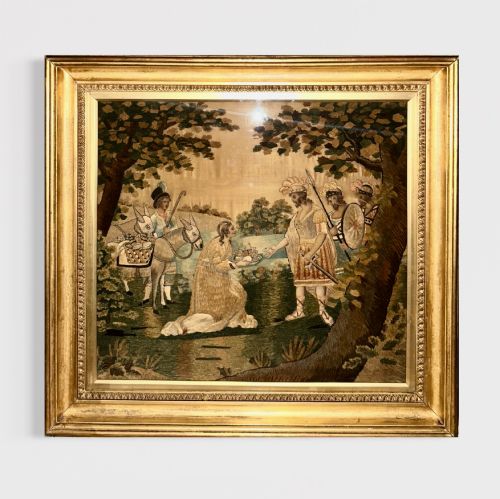
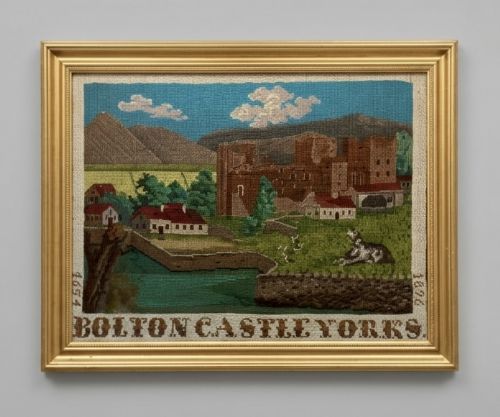
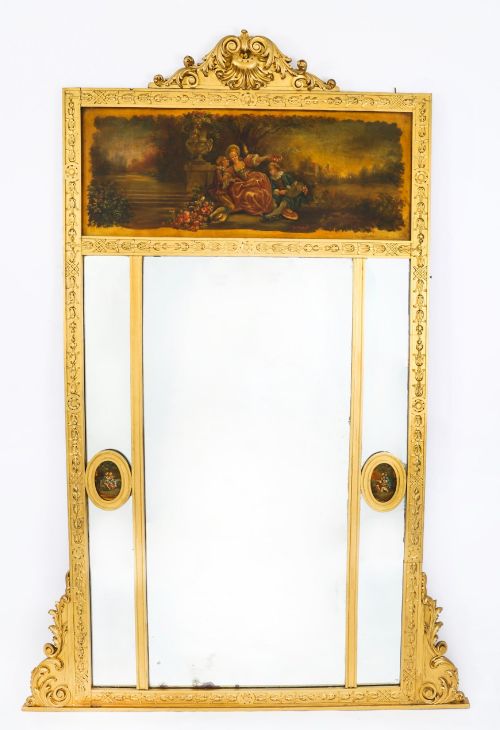
A 19th century panel anchors interiors with tangible history, offering carved wood, painted porcelain and oil surfaces that bring architectural depth to a room.
19th Century Panel
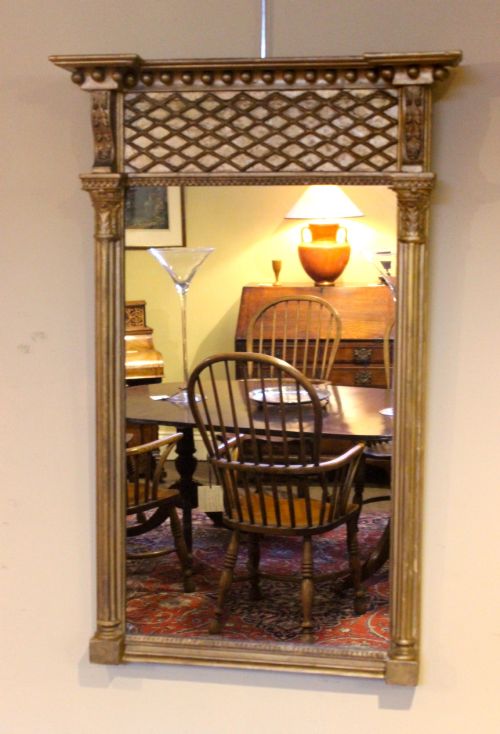
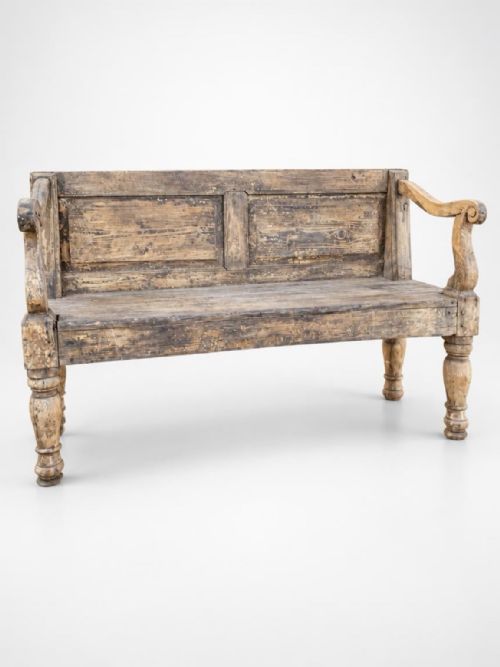
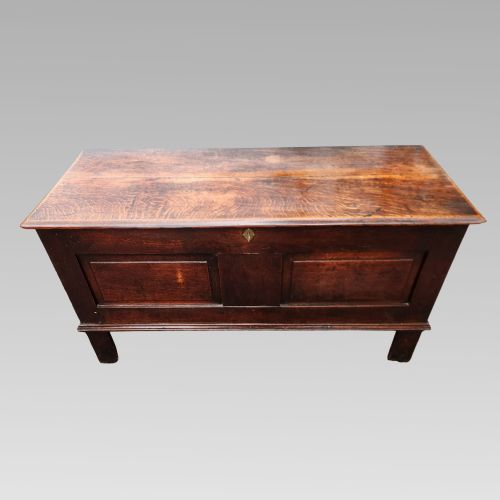
When buyers search for a 19th century panel, they encounter architectural elements, oil paintings on wood, and decorative inserts integrated into furniture. These pieces span periods from Regency through Victorian and styles such as Gothic Revival and Renaissance Revival.
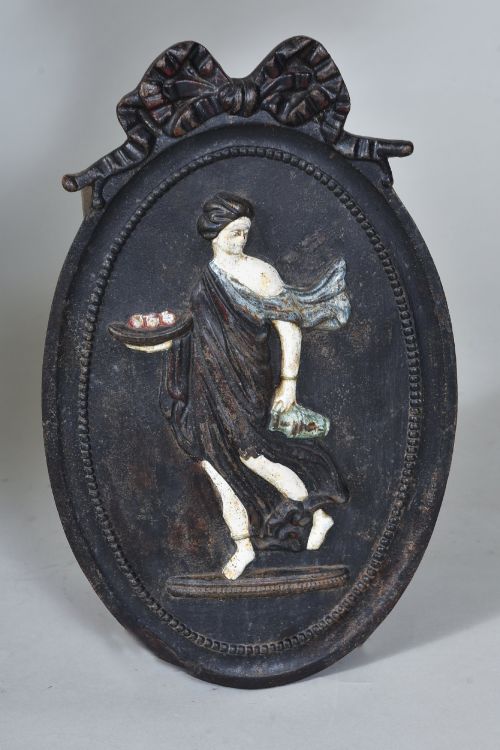
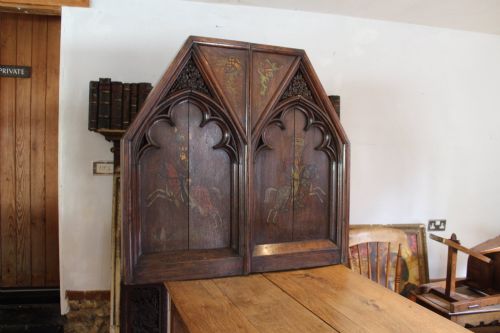
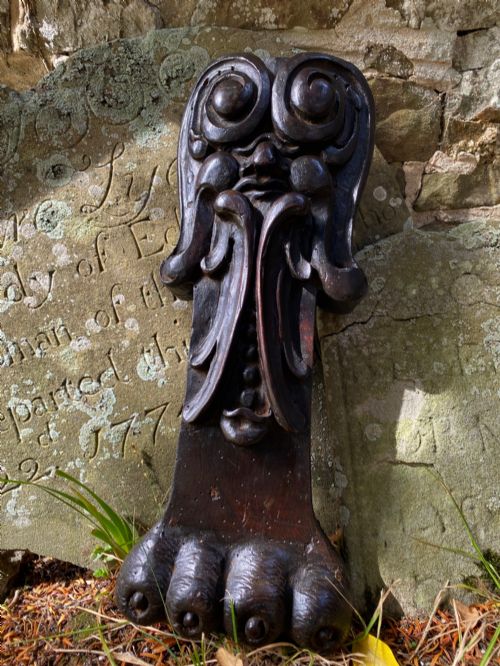
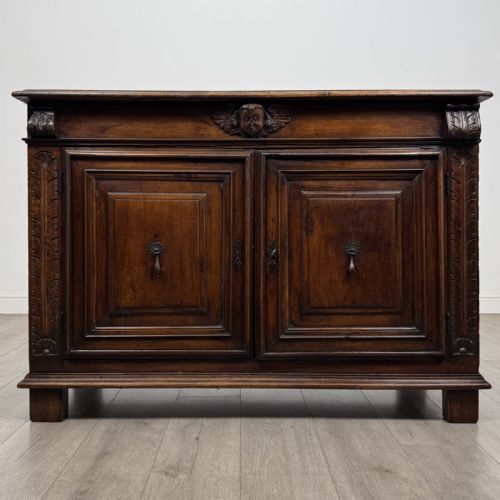
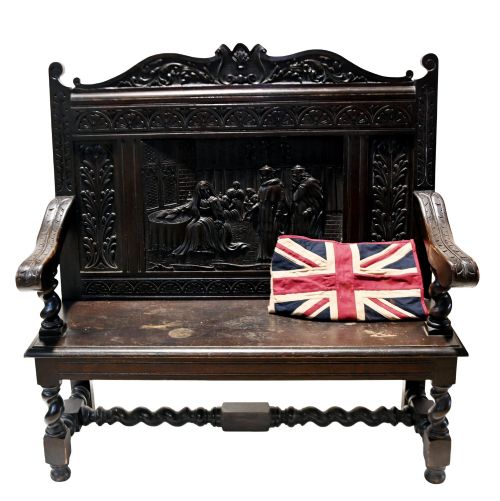
The selections on this page lean heavily toward carved oak architectural salvage, painted porcelain plaques, and oil paintings executed directly on wood supports. Such pieces frequently originate from British, French, and Italian workshops spanning the 1800s.
Buyers select these items to introduce period texture to plain walls or to incorporate authentic historic woodwork into contemporary interior schemes. The form ranges from structural oak tracery to delicate hand-painted cabinet panels.
Materials and construction
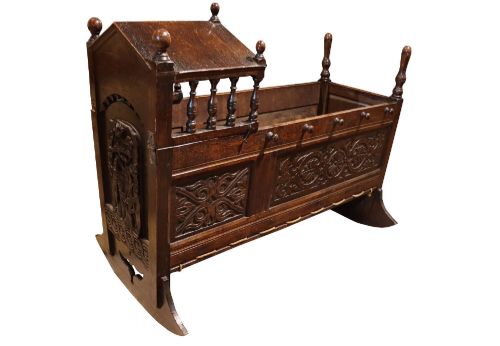
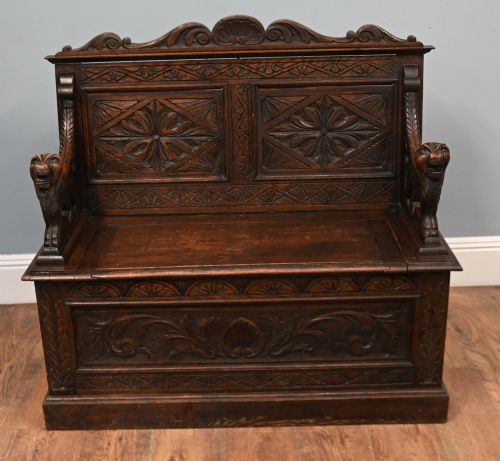
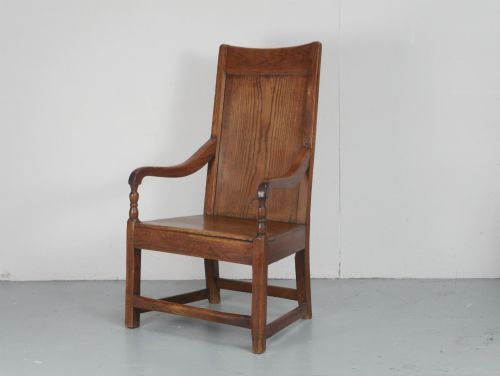
Makers relied primarily on timber substrates like oak, mahogany, and pine, shaping them with hand chisels for architectural panels and furniture doors. Carved details often display deep relief work executed in walnut or oak during revivalist movements.
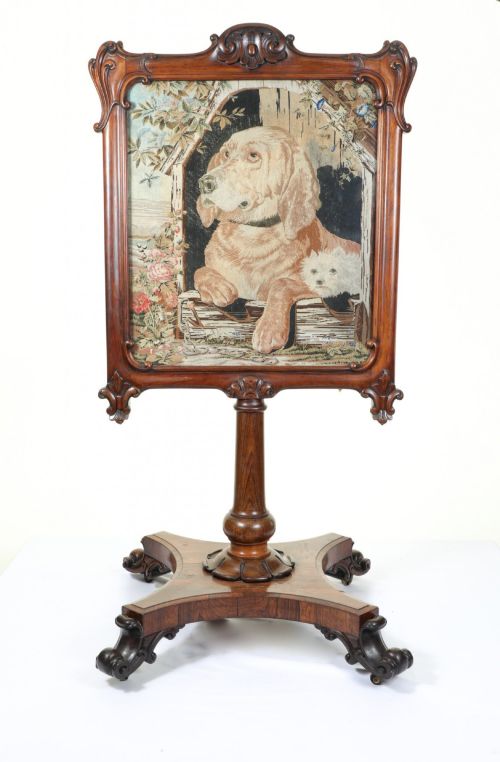
Painted surfaces utilise oil paints applied directly to wood panels or porcelain plaques fired in kilns before mounting into frames or furniture. Metal elements such as brass, gilt bronze, and ormolu frequently accompany these panels for hinges, mounts, and surrounds.
19th Century Panel Retail Price Guide 2026
Typical asking prices for 19th century panel among the pieces listed under this phrase on Sellingantiques today, from the lower quarter to the upper quarter. They describe what is for sale here now, not the wider market.
The page includes oil paintings, porcelain plaques, and architectural salvage spanning the 19th century.
Qualities that distinguish the work
Depth and precision of the hand-carved relief separate standard joinery from exceptional architectural work, particularly in Gothic and Renaissance revival pieces. Crisp undercut foliage and sharply defined tracery indicate superior workshop execution.
The fineness of brushwork on painted porcelain plaques and oil panels dictates the upper tier of the range. Original surfaces retain their intended patination without excessive modern intervention.
Joseph Clover·Achille Brocot·KPM Berlin·Poix Blin
The 19th Century Panel Glossary
- Panel
- A flat piece of wood, metal, or other material, fitted within a wider frame or surface. It forms the primary canvas for paintings or the structural infill of doors and walls.
- Gothic Revival
- An architectural and decorative style popular during the 19th century that revived medieval forms. It is characterised by pointed arches, trefoils, and heavy carved tracery.
- Oil Painting on Panel
- A work of art created using oil-based pigments directly upon a wooden support rather than canvas. This method provides a rigid surface that preserves fine detail.
- Porcelain Plaque
- A flat ceramic tablet painted with enamel colours and fired in a kiln. These often depict portraits or scenes and appear mounted in frames or furniture.
- Architectural Salvage
- Building elements rescued from older structures for reuse in interior design. This category includes carved wooden panels, lintels, and doors.
19th Century Panel: Frequently Asked Questions
Where were 19th century panels originally used?
These panels served as architectural wall linings, furniture door inserts, and decorative elements within grand homes and public buildings of the period.
They also appeared as independent works of art, including oil paintings on wood supports and porcelain plaques displayed in frames.
How do I hang a heavy wooden panel?
Heavy architectural panels require secure fixing directly into wall studs or masonry using appropriate steel brackets rated for the weight.
Consulting a professional installer ensures the piece remains stable and safe on the wall.
Can painted wood panels be cleaned safely?
Surface dust should be removed gently using a dry, soft microfibre cloth without applying pressure to painted or gilded areas.
Avoid liquid cleaners and household detergents, which can damage historic oil paint and exposed wood finishes.
How do I identify the period of a carved panel?
Tool marks, timber selection, and stylistic motifs provide key indicators for dating woodwork to specific decades of the 19th century.
Gothic and Renaissance revival pieces often exhibit characteristic Victorian interpretations of earlier historic styles.