


19th Century Oriental Porcelain
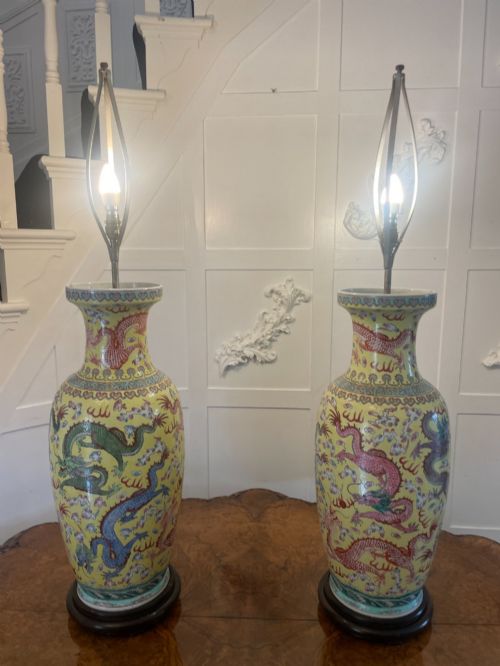
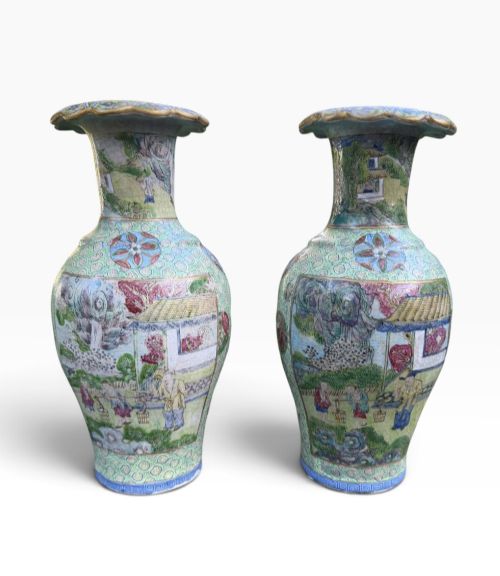
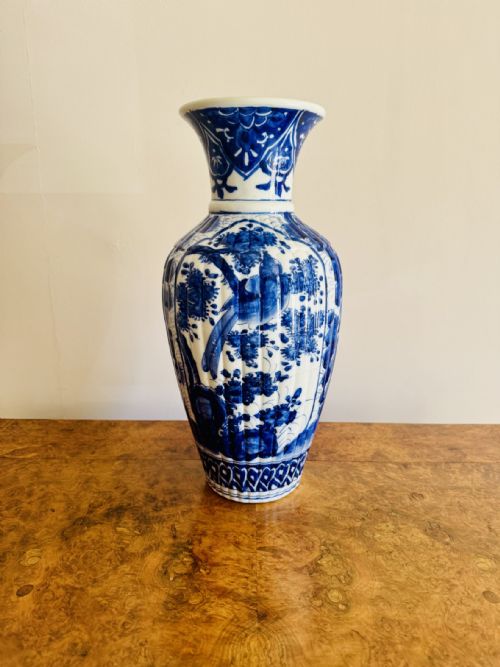
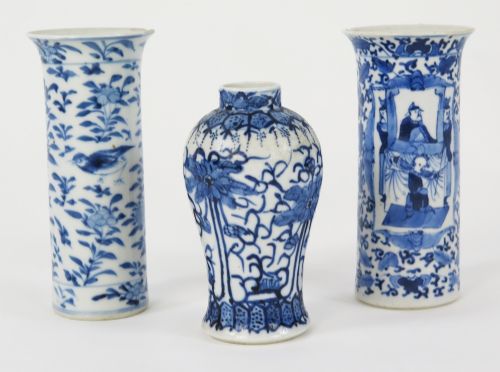
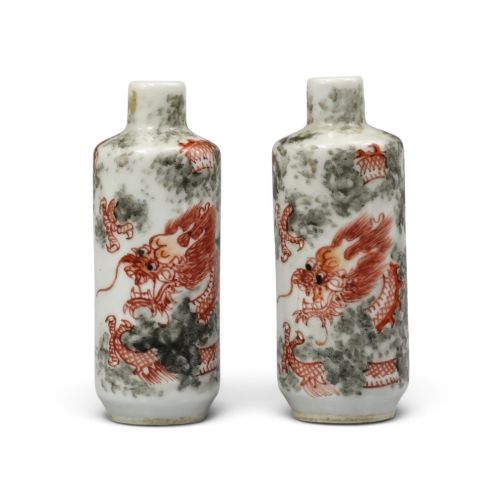
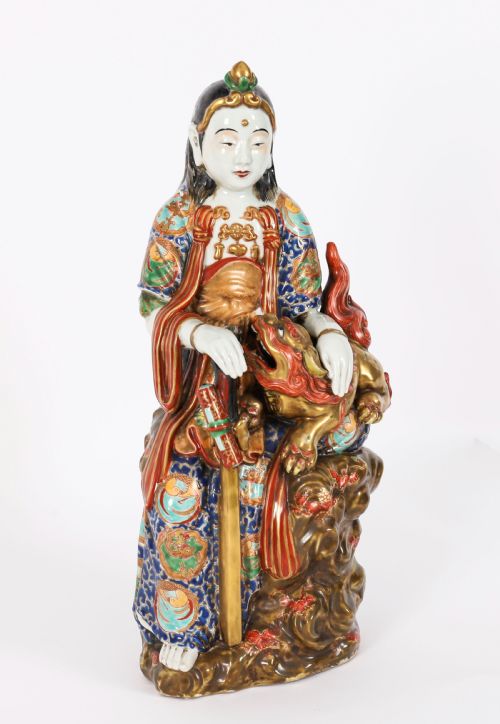
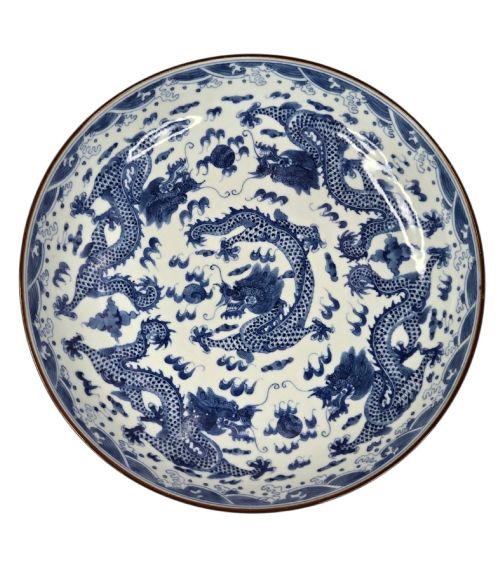
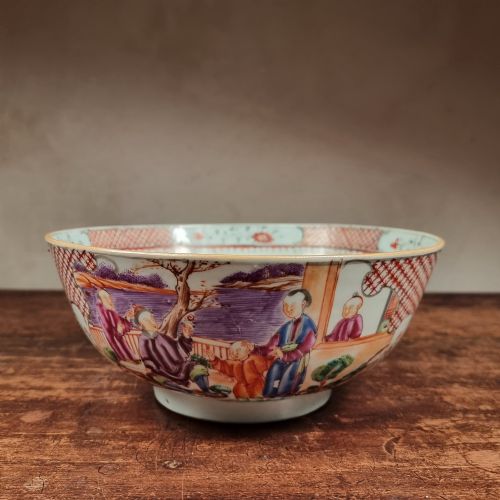
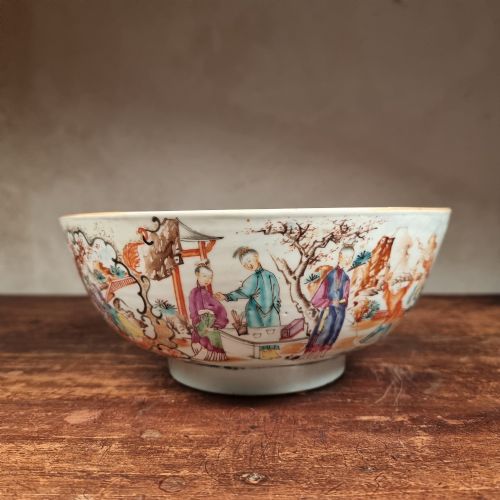
These pieces of 19th century oriental porcelain bring hand-painted narrative scenes, rich iron-red dragons and deep cobalt blues into domestic interiors.
19th Century Oriental Porcelain
When searching for 19th century oriental porcelain, collectors encounter a diverse range of ceramics originating from Chinese and Japanese kilns. The selection spans utilitarian vessels and decorative objects created during the Qing Dynasty and the Japanese Meiji period.
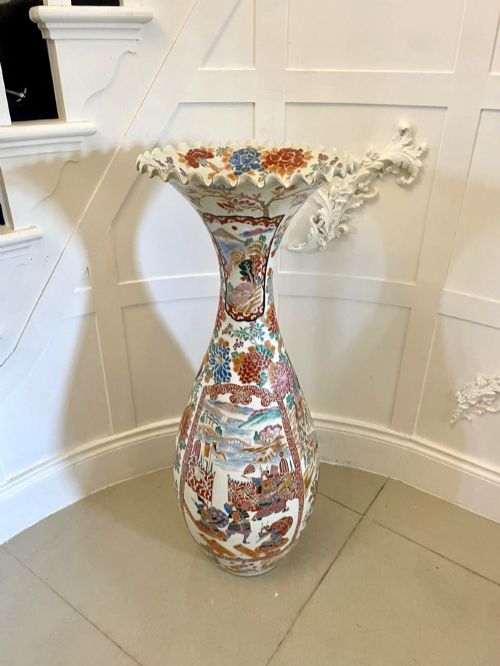
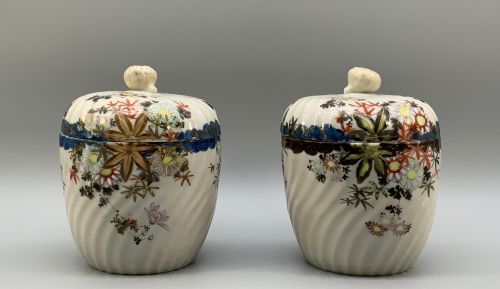
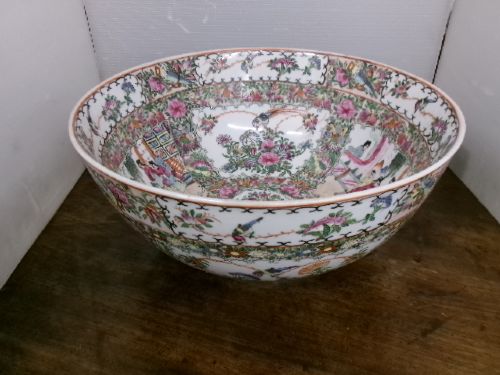
The objects available on this page include monumental floor-standing vases, chargers, ginger jars, snuff bottles, and large punch bowls. Many pieces served primarily for display in domestic interiors, while others were adapted later into table lamps.
How these ceramics were made
Potters shaped these objects from fine porcelain clay, applying mineral-based pigments beneath or over the glaze before firing the pieces in high-temperature kilns. Artisans utilised cobalt blue for underglaze designs and a wide palette of enamel colours for detailed overglaze painting.
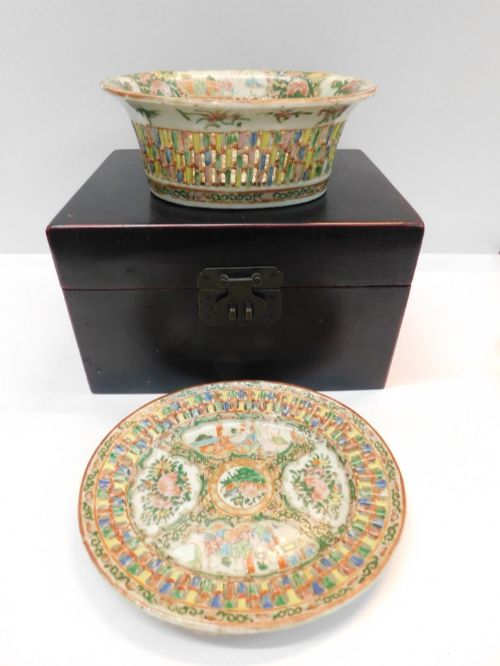
Many items incorporate additional decorative treatments, including hand-applied gold leaf, gilding, and intricate reticulated openwork. Certain large vases and planters also feature fitted brass, ormolu, or gilt bronze mounts added during the period or in subsequent adaptations.
A specialised erotic 'Spring Palace' snuff bottle brings a surprising flash of hidden imperial intimacy to the ceramic lineup.
What varies in quality
The standard of these ceramics depends heavily on the precision of the brushwork and the complexity of the painted composition. Pieces with crisp, meticulously detailed figures, balanced floral motifs, and evenly controlled glazes stand apart from simpler provincial items.
Physical scale and condition also influence the standing of an object, particularly with large chargers, jars, and floor-standing vases that demand technical mastery from the potter. Integrated bronze mounts and unusual forms, such as reticulated baskets or double-gourd vases, indicate higher ambition in the original manufacture.
The 19th Century Oriental Porcelain Glossary
- Famille Rose
- A major palette of Chinese ceramic overglaze enamels introduced in the Qing dynasty, distinguished by its predominant use of opaque pink or rose colour.
- Imari
- A style of Japanese export porcelain traditionally decorated in underglaze blue, iron-red, and gold, produced in Arita and shipped through the port of Imari.
- Meiji Period
- The era in Japanese history spanning from 1868 to 1912, characterised by a vast expansion of decorative arts created for export.
- Reticulated
- Describes ceramic work featuring an openwork or pierced outer lattice created by cutting through the clay before firing.
- Celadon
- A term for pottery denoting both wares glazed in jade-green and the transparent green glaze itself, which cracks subtly to resemble natural stone.
19th Century Oriental Porcelain: Frequently Asked Questions
How do I identify Chinese export wares?
Chinese export pieces intended for Western markets often combine traditional motifs like peonies and dragons with shapes suited to European households, such as punch bowls and monteith bowls.
Examination of the paste, palette, and foot rim helps distinguish these items from pieces made strictly for domestic imperial use.
What is the difference between Imari and Kutani?
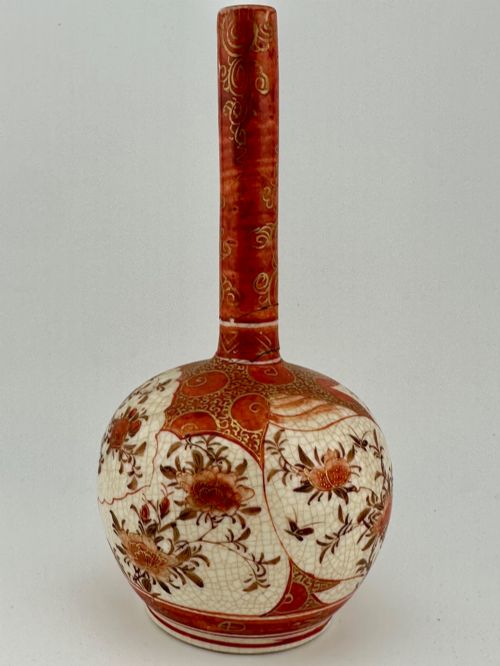
Imari porcelain relies on a distinct colour scheme featuring cobalt blue, iron-red, and gold leaf, usually arranged in dense geometric and floral panels.
Kutani wares, by contrast, frequently showcase pictorial scenes rendered in thick, highly coloured enamels, often associated with the Meiji period.
Can these porcelain lamps be rewired safely?
Many 19th century vases and jars were converted into table lamps during the Victorian era or later, retaining their original ceramic bodies and metal mounts.
Modern electrical rewiring is straightforward and allows these decorative vessels to function safely as functional lighting within a contemporary room.
How should I clean antique porcelain?
Dusting these objects gently with a soft, dry brush prevents the accumulation of particulate matter on delicate enamel surfaces and gilt highlights.
Harsh chemical cleaners and immersion in water should be avoided, particularly on pieces with exposed earthenware bodies or fragile overglaze gold leaf.