


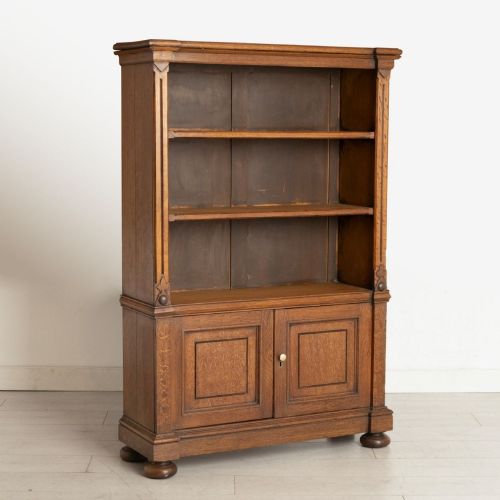
19th Century Open Shelves
These 19th century open shelves offer practical display and storage, bringing period warmth to any room.
Understanding 19th Century Open Shelves
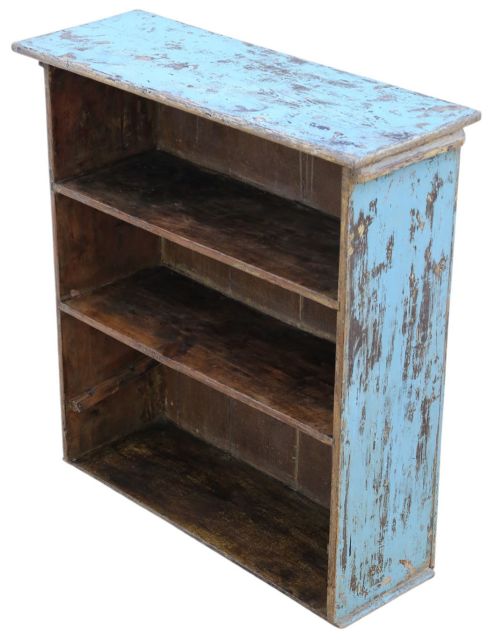
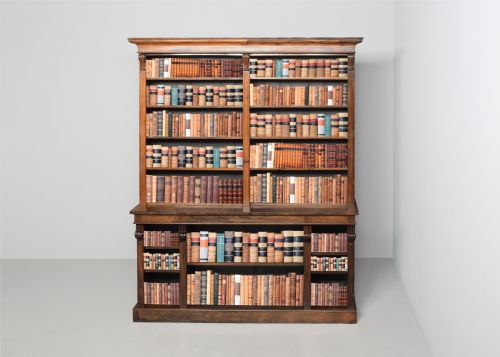
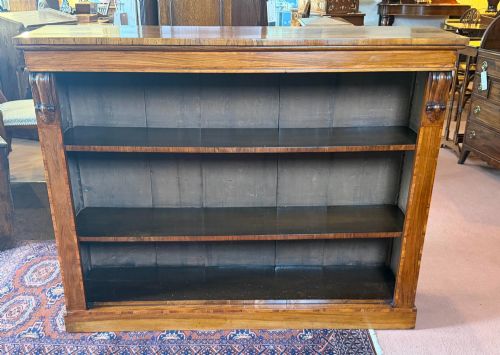
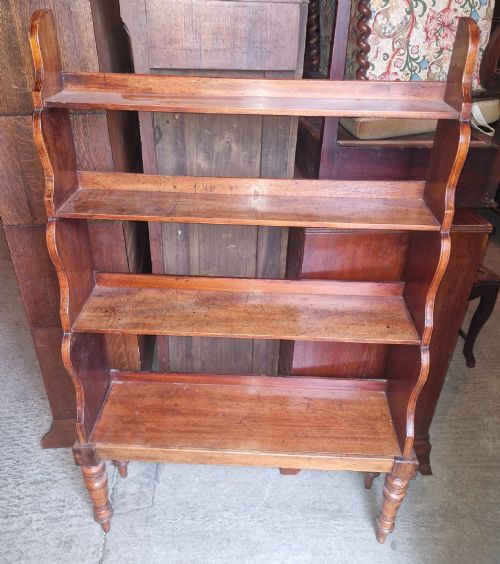
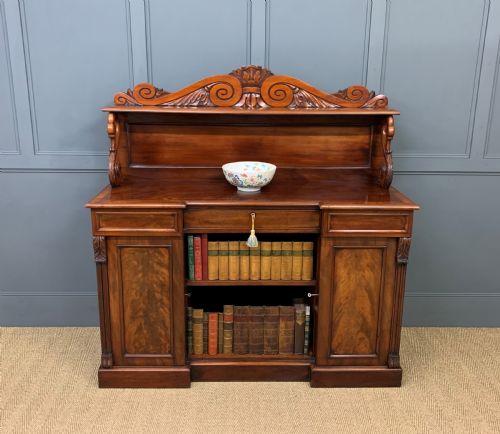
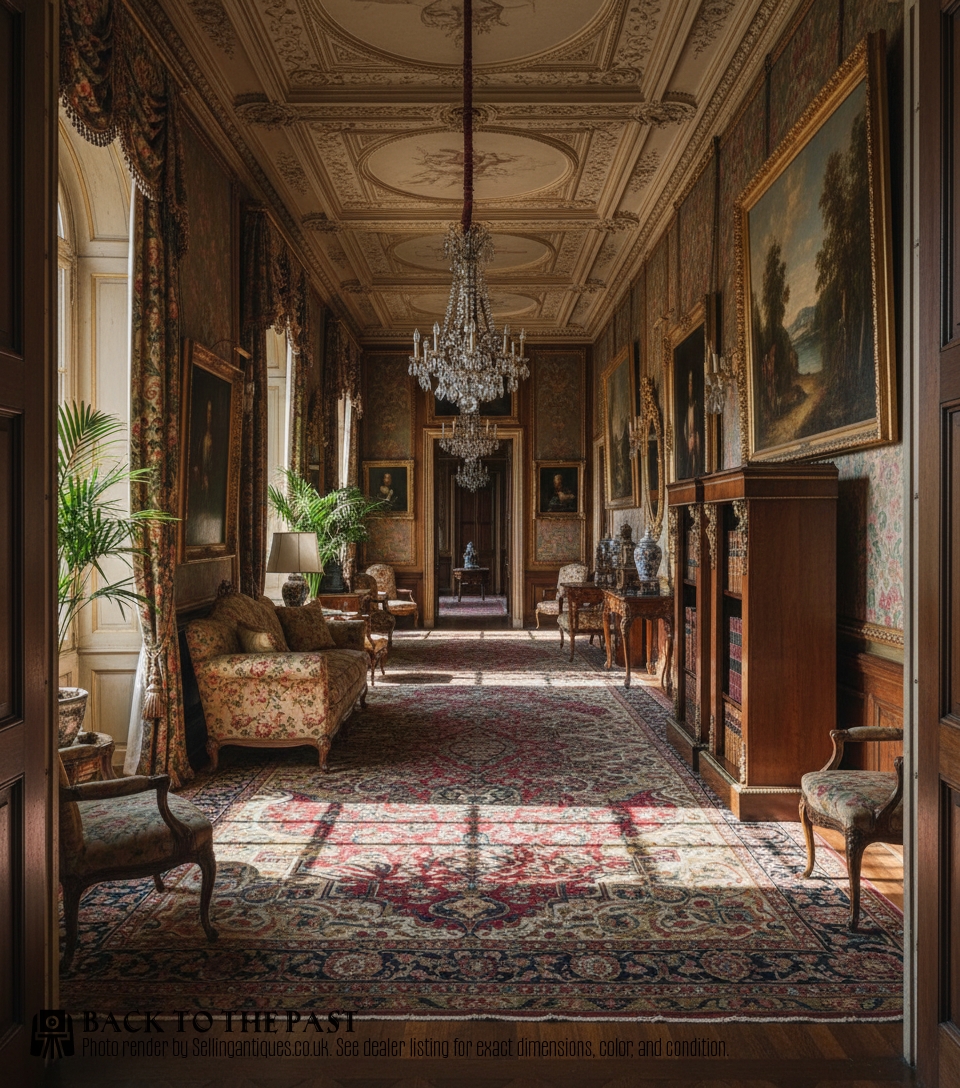
When searching for 19th century open shelves, buyers encounter various forms including bookcases, whatnots, etageres, and wall shelves. The selection ranges from compact dwarf units to tall bookcases, alongside revolving sets of bookshelves and corner whatnots.
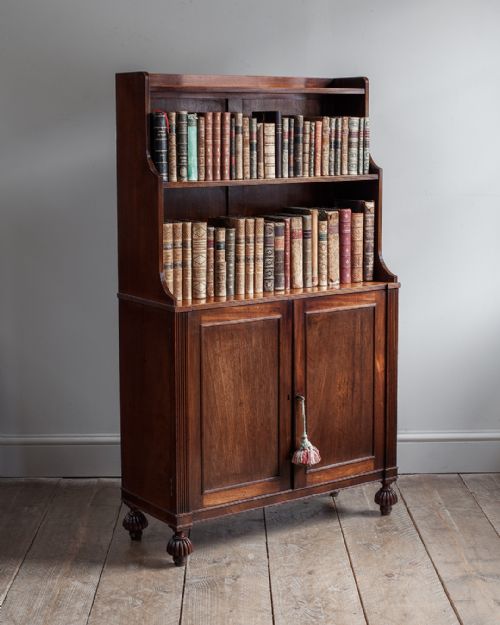
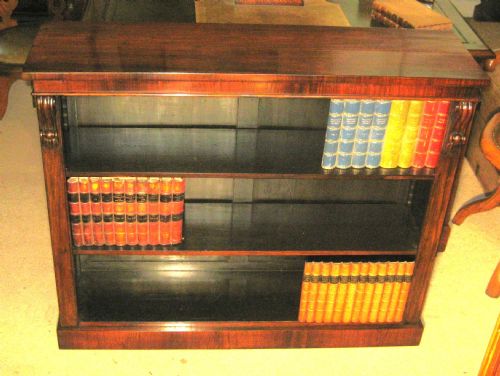
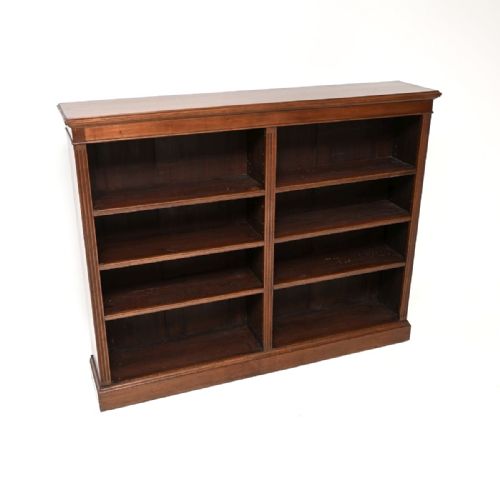
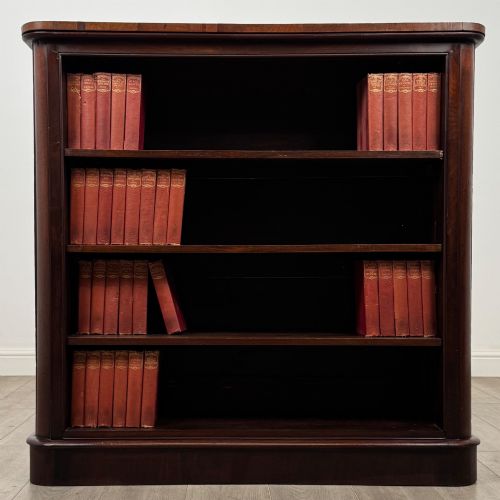
The version most commonly met on this page is the rosewood or mahogany open bookcase, frequently featuring adjustable shelves. Pieces span from the Regency and William IV eras through the Victorian period, with styles encompassing Anglo-Indian, French Empire, and Chinese influences alongside standard Victorian designs.
These items served primarily to hold books and display decorative objects in drawing rooms, libraries, and parlours. Their open structure distinguishes them from closed cabinet counterparts, allowing immediate access and visual lightness within interior spaces.
Materials and Construction
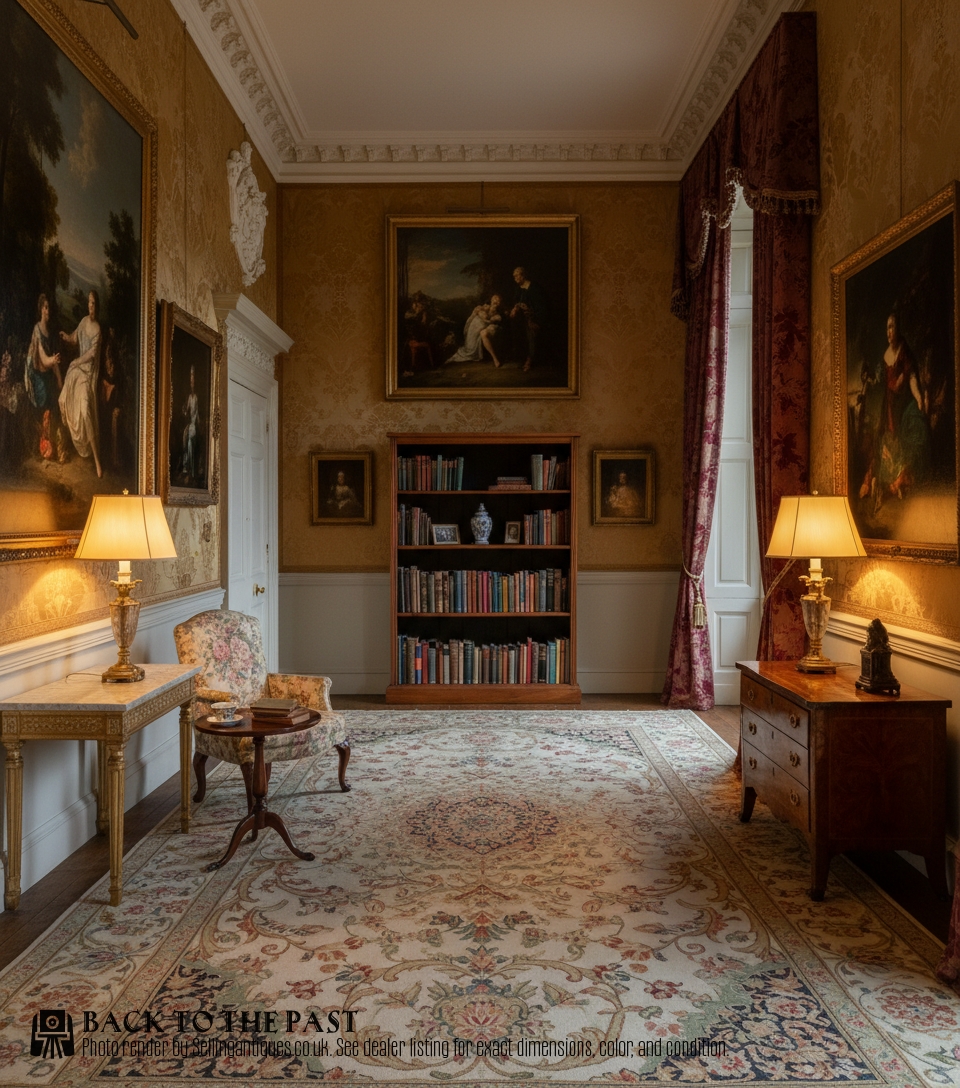
Cabinet makers utilised a diverse selection of timbers recorded in the evidence, prominently featuring rosewood, mahogany, oak, walnut, teak, pine, and birdseye maple. Many examples incorporate figured veneers or burr walnut to create decorative grain patterns on the exposed surfaces.
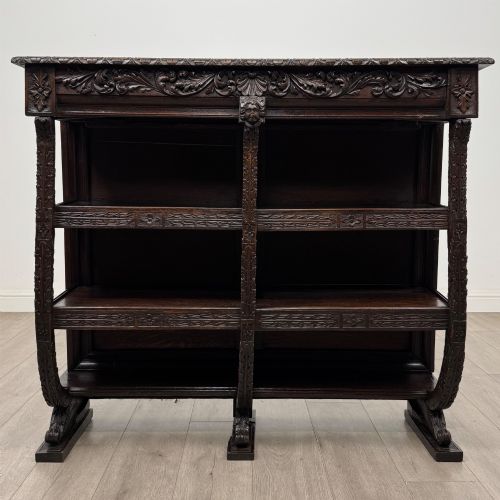
Construction techniques involved precision joinery suited to housing books and heavier objects, with several pieces integrating adjustable shelf mechanisms. Metal components such as brass fittings and ormolu mounts appear alongside hand-carved decorative elements, particularly on Anglo-Indian, Chinese, and carved teak iterations.
Retail Price Guide 2026
Typical UK retail prices for 19th century open shelves, calculated from the Sellingantiques database of over a million retail prices indexed since 2003. This retail price guide relies exclusively on Sellingantiques data; no external sources or auction records are used, so the figures do not describe the wider market.
The inventory records diverse forms from standard bookcases and wall shelves to revolving units and corner whatnots.
Distinctions in Quality
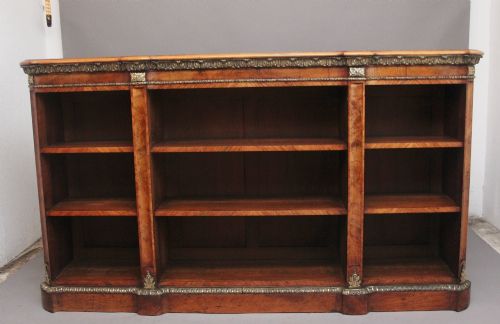
The upper tier of these pieces is defined by superior timber selection, such as finely figured rosewood or burr walnut, paired with sophisticated additions like ormolu mounts and intricate hand-carved details. Adjustability mechanisms for shelving and complex serpentine or breakfront forms also separate more ambitious workshop productions from simpler utilitarian items.
Lower-tier examples tend to utilise simpler domestic timbers like pine or plain oak with minimal decorative carving or standard fixed shelving. The presence of specialised forms, such as revolving mechanisms or multi-tiered corner whatnots, indicates a higher grade of design complexity and specialised craftsmanship.
The 19th Century Open Shelves Glossary
- Breakfront
- A piece of furniture where the central section projects forward from the flanking sides. This architectural arrangement creates depth and visual interest on larger bookcases.
- Whatnot
- A piece of open shelving with multiple tiers used for displaying ornaments and small objects. These freestanding or corner units became particularly popular during the Victorian era.
- Ormolu
- Gilded bronze applied as decorative mounts to furniture. This technique adds metallic contrast and ornate detail to rosewood and mahogany carcases.
- Waterfall bookcase
- A set of open shelves where each successive shelf is shallower than the one below, following a stepped vertical profile. This form appeared frequently in nineteenth century rosewood designs.
- Adjustable shelves
- Shelving supported by mechanisms that allow vertical repositioning. This practical feature accommodated books of varying heights.
Frequently Asked Questions
How do I date a 19th century open bookcase?
Dating relies on observing stylistic markers, timber choices, and construction methods associated with specific decades within the nineteenth century. Regency and William IV pieces often display classical motifs and rich rosewood, whereas later Victorian examples frequently utilise walnut or oak.
Hardware, jointing techniques, and the presence of adjustable shelf mechanisms further help narrow down the period of production. Comparing the piece to documented examples from eras like the eighteen-sixties provides additional chronological context.
Were these shelves made for books?
Many of these pieces were specifically constructed as bookcases to house private libraries in period homes. Adjustable shelving allowed owners to reconfigure the interior space for volumes of different sizes.
Other forms, such as whatnots and etageres, served primarily for displaying ornaments, ceramics, and decorative objects rather than heavy reading material. Their open design suited both functions within nineteenth century domestic interiors.
What is a whatnot shelf?
A whatnot is a multi-tiered piece of open shelving designed for displaying ornaments, small books, and decorative items. These units could be freestanding or specifically shaped to fit into room corners.
They appeared in various woods like birdseye maple and walnut, adding vertical display space without blocking light or making a room feel crowded.
How should I care for antique rosewood furniture?
Maintaining nineteenth century rosewood involves protecting the timber from direct sunlight and extreme fluctuations in temperature or humidity. Regular dusting with a soft, dry cloth prevents particulate buildup on carved surfaces and polished finishes.
Occasional applications of appropriate furniture wax help nourish the wood and maintain its natural lustre without sealing the grain. Avoiding excessive moisture ensures the preservation of both the timber and any applied brass or ormolu mounts.