



19th Century Oil Artwork
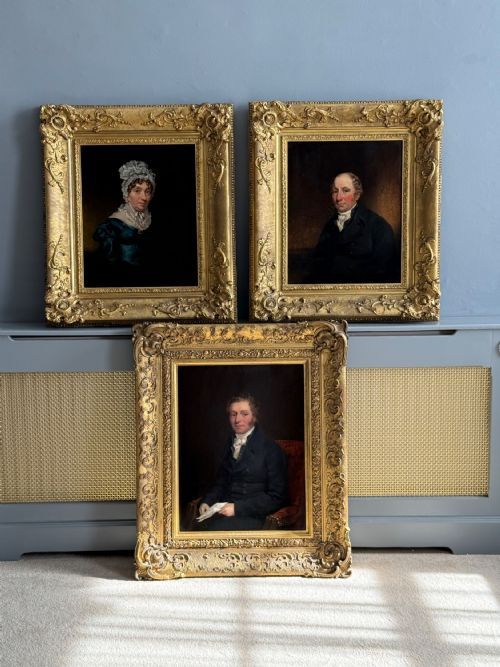
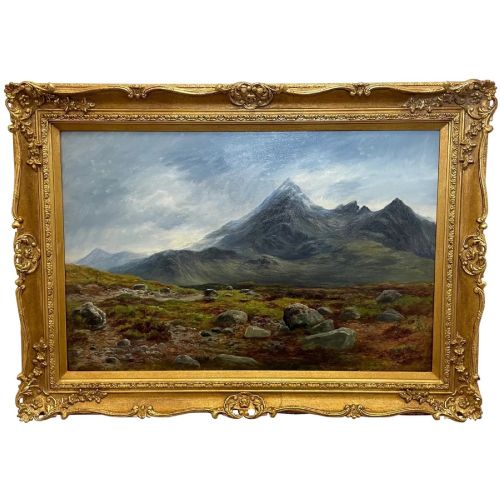
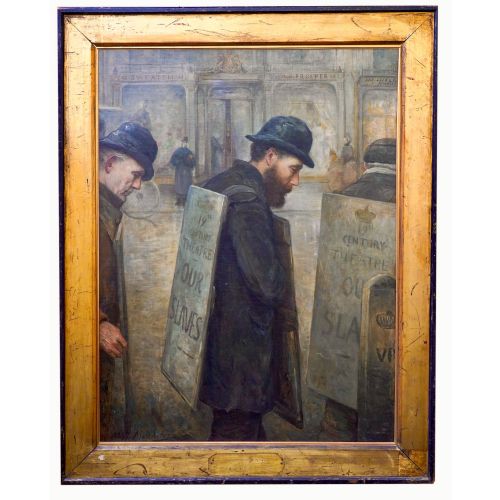
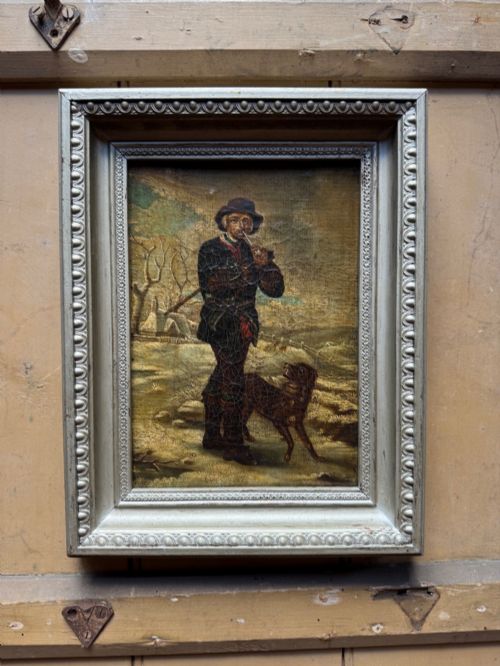
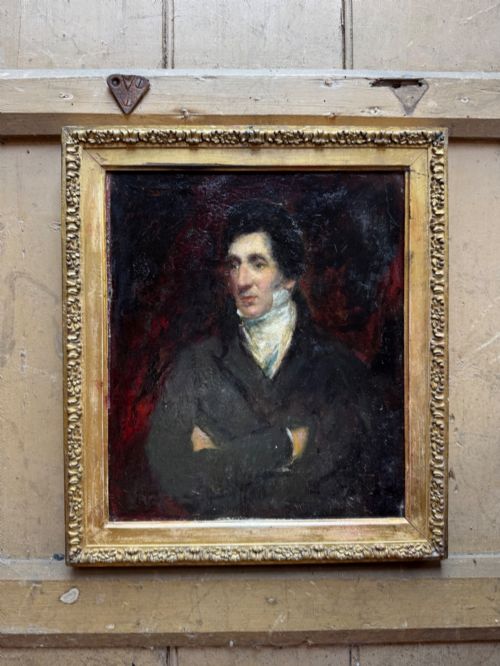
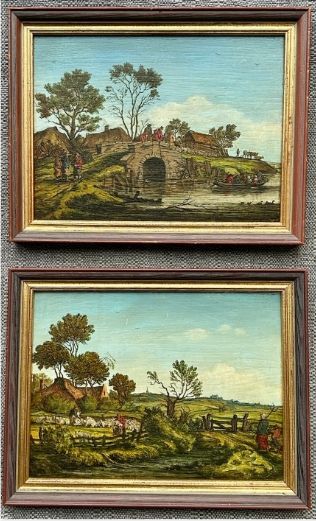
These 19th century oil artwork pieces span portraits, landscapes, and maritime scenes painted on canvas, panel, and board.
19th Century Oil Artwork
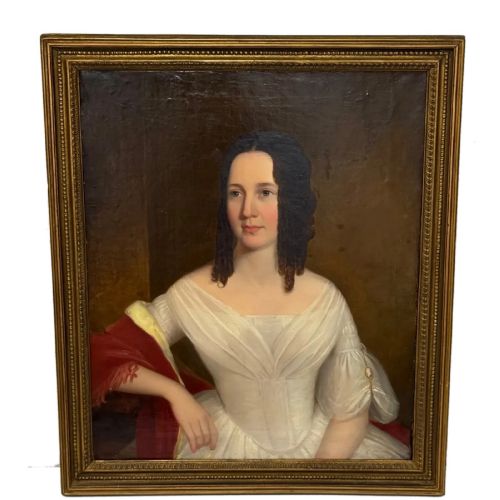
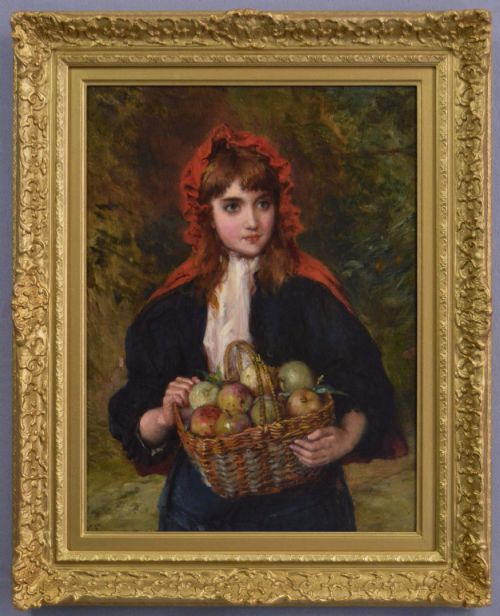
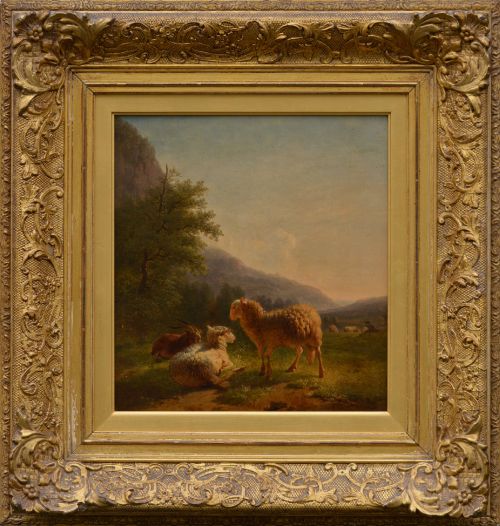
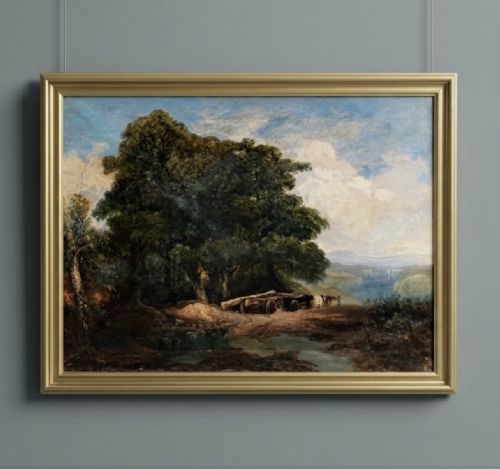
When searching for 19th century oil artwork, buyers encounter a diverse selection of paintings created across the hundred-year span of the nineteenth century and into the early twentieth century. The inventory includes portraits of individuals, pastoral landscapes, woodland views, marine disasters, and domestic animal subjects.
The most common formats on this page are oil on canvas and oil paint on wood panels or board. These paintings originate from British, French, Flemish, and Italian schools, reflecting the varied regional tastes and training methods of the period.
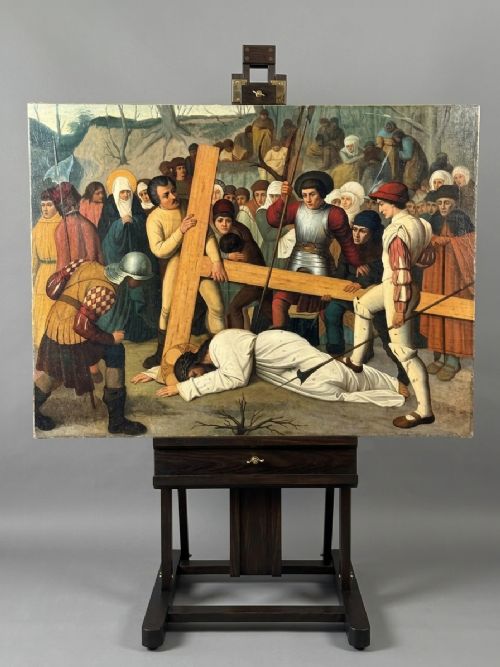
Subjects range from grand social history pieces and romantic landscapes to intimate still life compositions and devotional scenes. Buyers select these works to bring period character and hand-rendered pigment into residential interiors.
Materials and construction
Makers built these works using oil paint applied to woven canvas supports, prepared wooden panels, or rigid boards. Canvases were typically stretched across wooden frames and secured with tacks, while wood panels provided a stable, rigid surface for detailed brushwork.
Many of these paintings retain their original or period frames constructed from wood, embellished with gesso mouldings, and finished with gilt leaf. The combination of oil pigments, varnishes, and traditional framing materials defines the physical structure of these surviving works.
19th Century Oil Artwork Retail Price Guide 2026
Typical asking prices for 19th century oil artwork among the pieces listed under this phrase on Sellingantiques today, from the lower quarter to the upper quarter. They describe what is for sale here now, not the wider market.
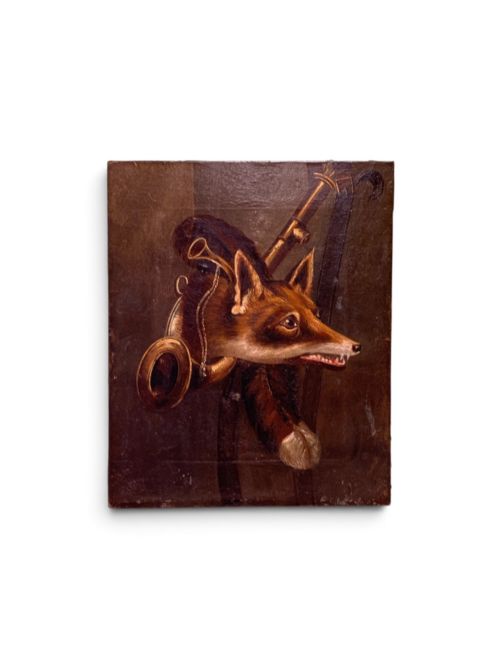
Several canvases capture domestic animals, including a cat studying a snail and a fox posing quietly within a still life.
Distinctions in quality
Quality in these paintings rests upon the skill of the brushwork, the anatomical or spatial accuracy of the composition, and the handling of light and shadow. Superior examples display confident pigment application and nuanced colour relationships that capture texture and atmosphere effectively.
The preservation of the painted surface and the retention of the original gesso and giltwood frame contribute significantly to the standing of an individual piece. Works that show careful draughtsmanship and secure paint adherence occupy the upper tier of the range.
William Oliver·Eugène Verboeckhoven·Richard Sebastian Bond·Joseph Clover·William Beattie-Brown·Felix Stone Moscheles·Valentine T. Garland·Dumini Leopoldo·W Klombeck·Frederick Marriott·Francois Boucher·John Horace Hooper·William McAlpine·Reginald Arthur Borstel·William Joseph Shayer Senior·Sir Joshua Reynolds·Alfred Fontville de Breanski Jr·Edward Mills·Jozef Jansessens·Stephen Samuel Lewin·John Rose Miles·Vittorio Reggianini·Thomas W Lascelles·Augusto Alberici
The 19th Century Oil Artwork Glossary
- Oil on Canvas
- A painting medium where pigments suspended in drying oils are applied to a woven fabric support. Canvas allows for large-scale compositions and responds flexibly to environmental changes.
- Gesso
- A paint mixture consisting of a binder mixed with chalk, gypsum, or pigment, used to prepare wood or canvas surfaces. It provides a smooth, bright ground for subsequent layers of oil paint.
- Giltwood
- Wood that has been treated with a thin layer of gold leaf or gold paint. Frames constructed in this manner add decorative brilliance and protect the perimeter of the canvas.
- Panel
- A flat piece of wood used as a rigid support for painting. Wood panels prevent the flexing associated with canvas and were favoured for detailed, smaller-scale works.
- Barbizon School
- A French art movement associated with naturalistic landscape painting. Artists in this circle focused on direct observation of rural scenery and atmospheric conditions.
19th Century Oil Artwork: Frequently Asked Questions
How do I care for a nineteenth century oil painting?
Keep the artwork away from direct sunlight and steady sources of extreme heat to prevent the canvas and wooden frame from warping or cracking. Dust the surface very gently with a soft, dry brush without applying pressure to the paint layer.
Avoid using liquid cleaners, water, or chemical solvents on the paint or the giltwood frame. Professional conservators should handle any structural repairs or deep cleaning of varnished surfaces.
What subjects are common in nineteenth century art?
Landscapes, seascapes, and portraits dominate the output of this era, reflecting the artistic preferences of the period. Artists also recorded domestic scenes, animal studies, and mythological or literary narratives.
Regional schools often specialised in specific genres, such as French farmyard scenes or Scottish mountain views. These varied subjects provide a direct window into the visual culture of the nineteenth century.
How can I tell a canvas painting from a panel painting?
Canvas paintings possess a woven textile texture that is often visible through the paint layers or on the reverse side of the support. They may exhibit slight give or flexibility when gently pressed from behind.
Panel paintings are rigid and solid, constructed from flat pieces of wood that do not bend. They provide a completely smooth surface that supports fine, detailed brushwork without the interference of a fabric weave.