





19th Century Oak Throne
A 19th century oak throne brings heavy architectural presence and deep historical revival styles into a room.
19th Century Oak Throne
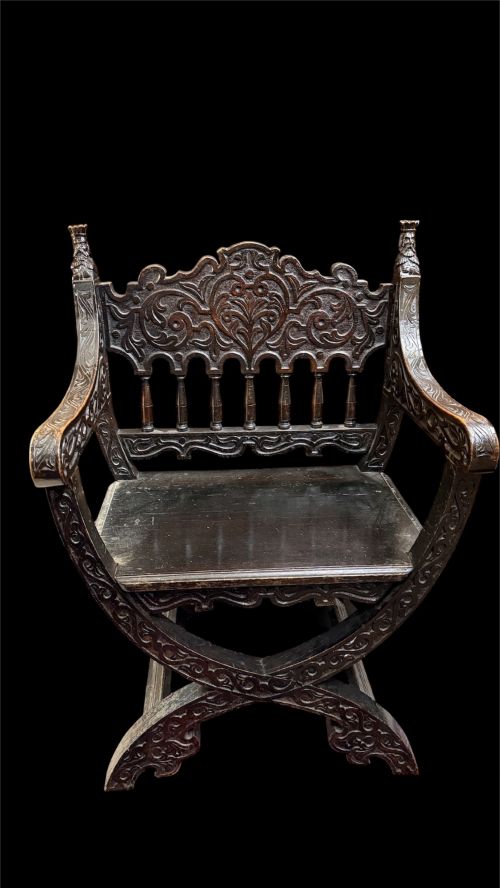
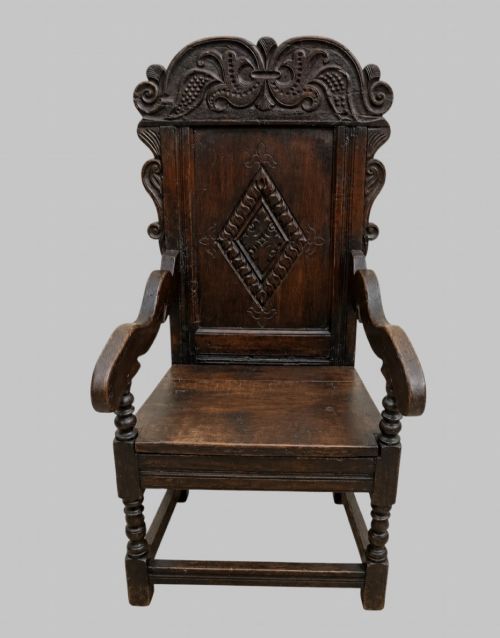
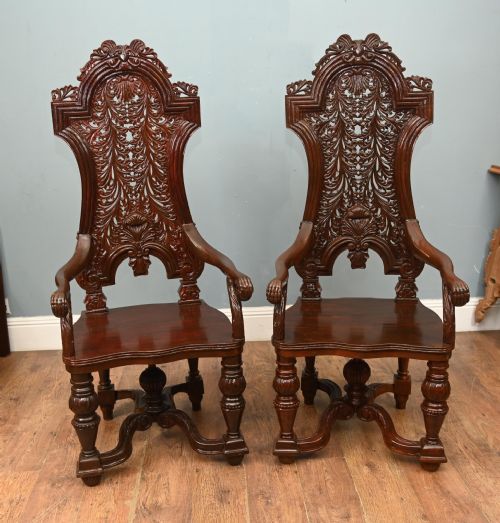
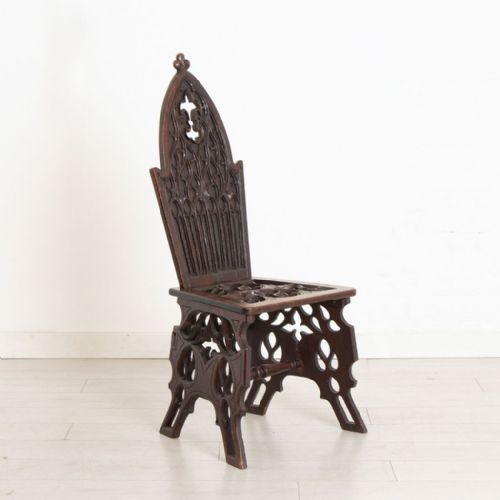
A 19th century oak throne encompasses heavily carved armchairs, hall chairs, and accent chairs rooted in revivalism. Buyers encounter pieces styled after Gothic, Jacobean, Renaissance, and Elizabethan precedents.
Most examples date from the Victorian era, specifically spanning the decades between eighteen-eighty and nineteen-hundred. Makers drew inspiration from earlier wainscot, caquetoire, Glastonbury, and Turner chair forms.
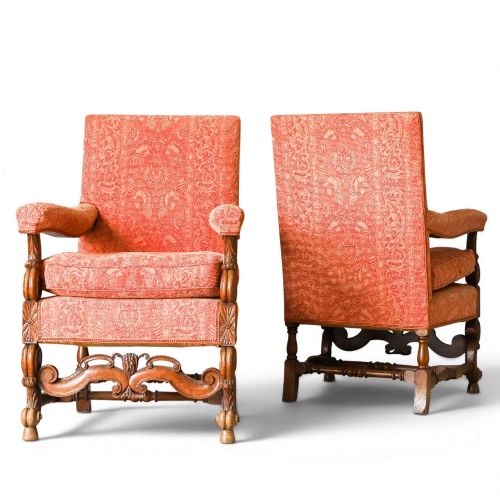
Origin points range from English workshops to French and continental makers adopting classical or medieval idioms. Proportions vary from compact wainscot seats to large, imposing architectural armchairs.
Craftsmanship and Proportion
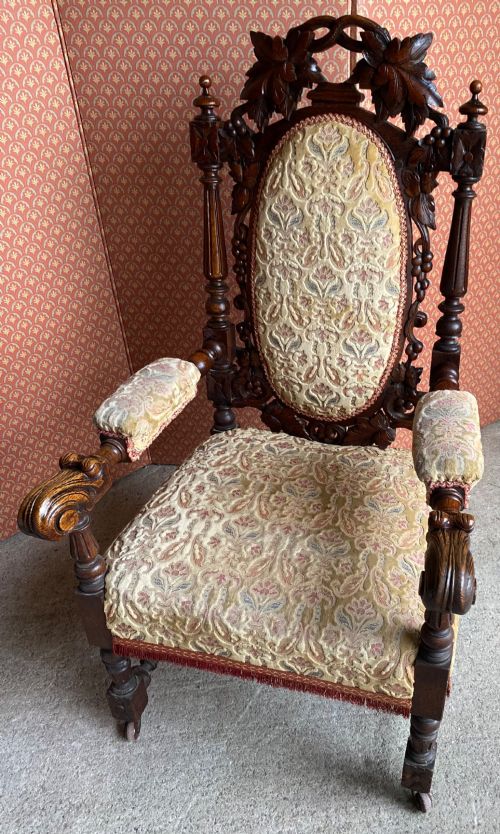
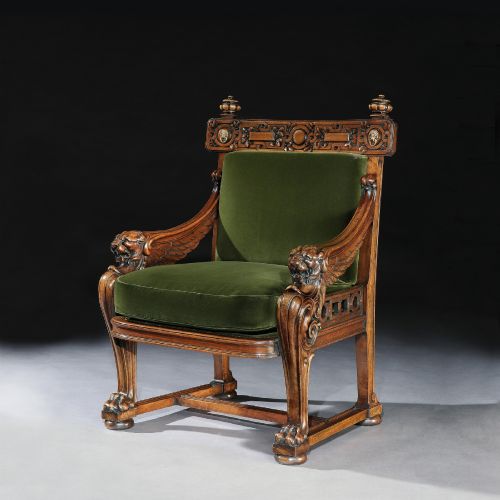
Depth and crispness of the carved ornamentation separate standard production from exceptional examples. Sculptural details such as figural arms, animal motifs, and linenfold panels demand high sculptural skill.
Structural integrity relies on the tightness of the frame and the quality of the timber selection. Heavy proportion and balanced symmetry determine the visual weight of each throne.
19th Century Oak Throne Retail Price Guide 2026
Typical asking prices for 19th century oak throne among the pieces listed under this phrase on Sellingantiques today, from the lower quarter to the upper quarter. They describe what is for sale here now, not the wider market.
Current listings feature pieces spanning the nineteenth century, with notable concentrations from the decades around eighteen-eighty and eighteen-ninety.
Thomas Hope·A.W.N. Pugin
The 19th Century Oak Throne Glossary
- Wainscot chair
- A solid wooden armchair with a panelled back and box seat, popular in the seventeenth century and revived during the Victorian period. It sits low and sturdy.
- Glastonbury chair
- A folding x-framed armchair with a sloping back and broad armrests, closely associated with Gothic Revival designs of the nineteenth century.
- Caquetoire
- A light, high-backed conversation chair originating in the French Renaissance, featuring a trapezoidal seat designed to accommodate wide garments.
- Turner's chair
- A triangular-seated chair constructed from three or four turned wooden posts, based on medieval or Saxon prototypes.
- Monopodia
- A furniture support consisting of a single carved animal leg, often terminating in a claw or paw, seen in classical revival pieces.
19th Century Oak Throne: Frequently Asked Questions
Where did people place these chairs?
These chairs stood in high-status locations such as halls, libraries, and principal reception rooms. Their imposing scale commanded attention in domestic interiors.
They served both as functional seating and as statements of historical taste and authority.
How do I identify a revival style?
Gothic revival pieces display pointed arches, tracery, and religious motifs. Jacobean revival examples feature geometric strapwork, heavy turned legs, and rectilinear panel backs.
Renaissance revival items introduce classical columns, swags, and figural carvings borrowed from continental architecture.
Are these chairs comfortable for daily use?
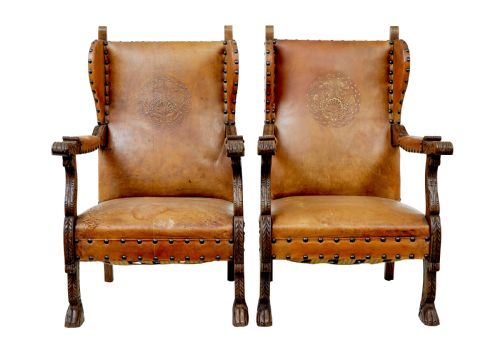
Many examples feature high wooden backs and rigid armrests designed for posture rather than lounging. Upholstered versions with leather or velvet padding offer a softer seat.
Adding a custom cushion helps adapt firm wooden seats for extended sitting.
How should I care for nineteenth century oak?
Keep the wood away from direct heat sources and rapid humidity changes to prevent splitting. Regular dusting with a dry cloth maintains the finish.
Feed dry leather upholstery with appropriate conservation balms and protect fabric surfaces from strong sunlight.