
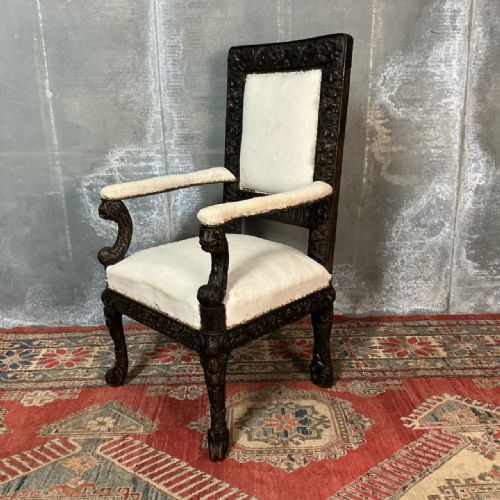
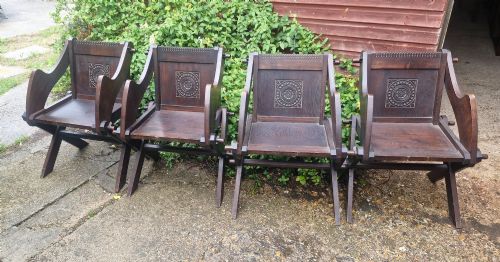
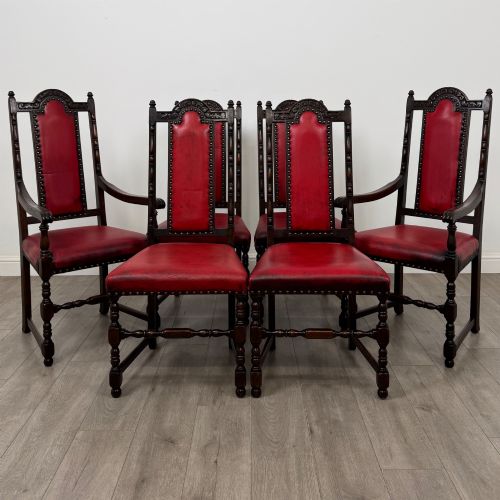
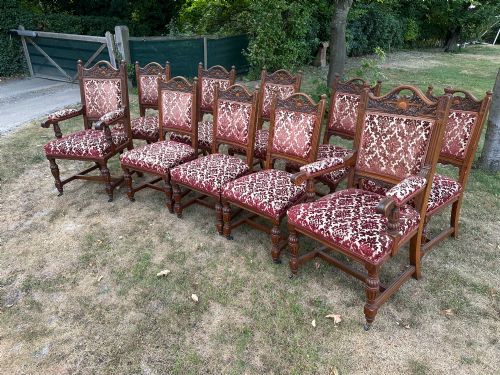
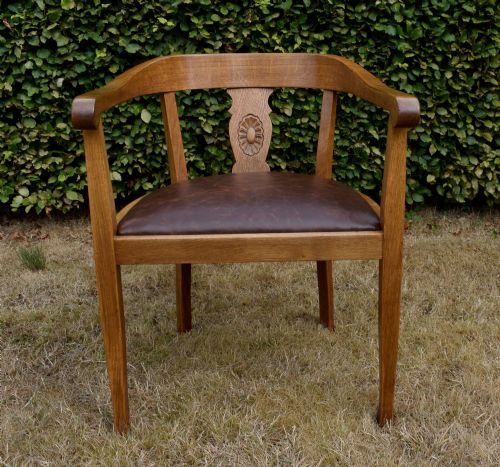
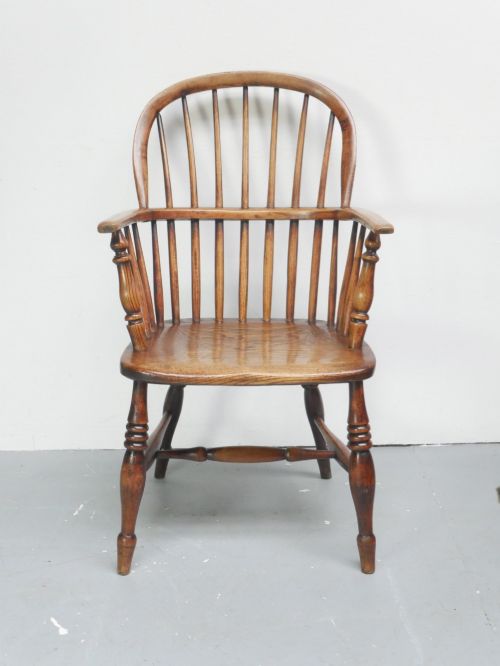
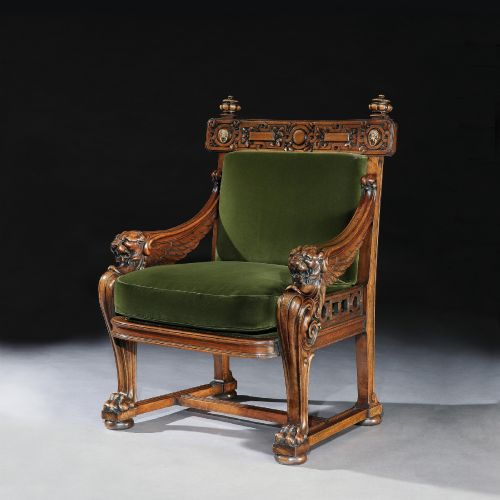
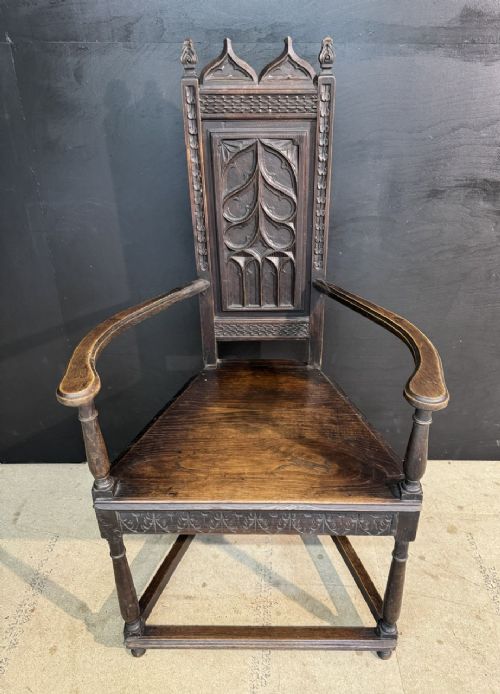
Dark Oak Carved Armchairs
Dark oak carved armchairs bring centuries of solid timber and rich joinery into a room, offering robust seating built to endure.
Dark Oak Carved Armchairs
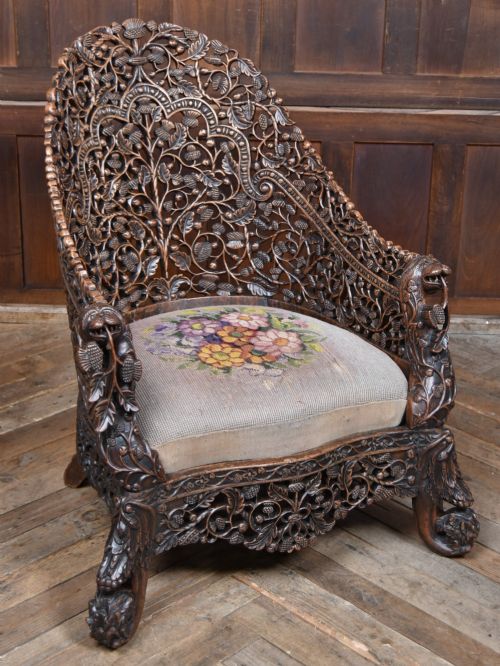
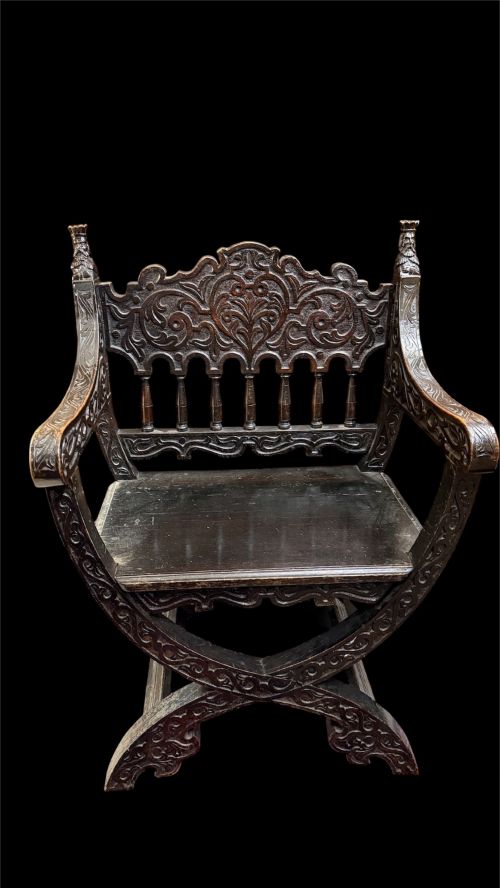
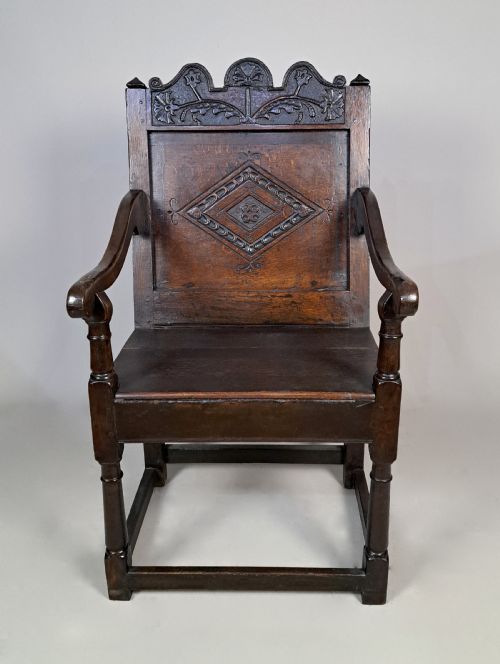
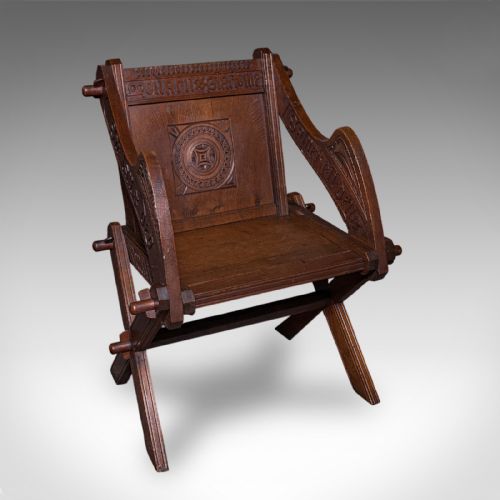
Dark oak carved armchairs encompass heavy sixteenth and seventeenth-century wainscot forms alongside nineteenth-century revivals and early twentieth-century country seating. These sturdy chairs serve primary seating functions around dining tables, desks, and hearths with commanding physical presence.
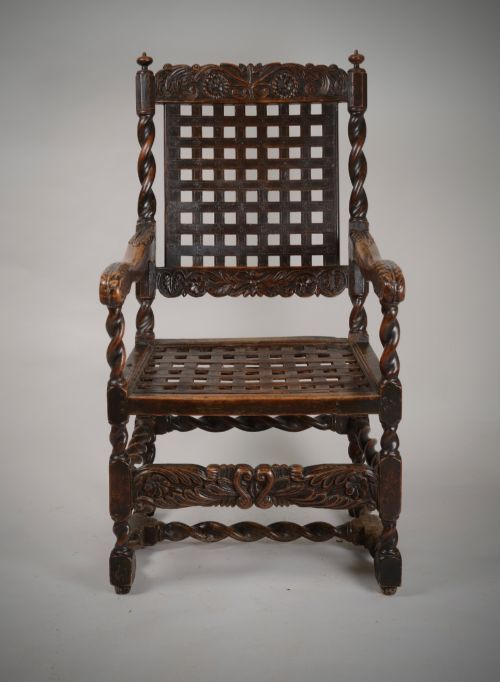
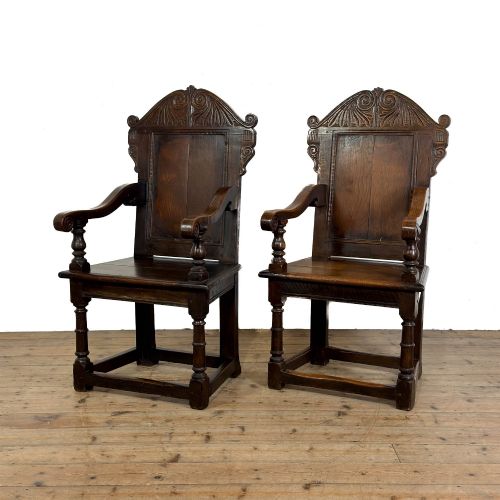
Buyers meet sixteenth-century box chairs and seventeenth-century Yorkshire or Lancashire wainscot pieces alongside later Jacobean and Gothic revival examples from the nineteenth century. Panel backs, turned uprights, and sturdy arm supports dominate the forms found in these listings.
Craftsmanship and condition
Quality separates through the crispness of the timber carving and the integrity of the original joints rather than surface shine alone. Superior examples retain their early boards, minimal replacement timbers, and crisp chisel work on the crest rails and armrests.
Proportion and balance dictate the architectural success of each piece, where heavy turnings align properly with wide seats and raked backrests. The depth of the timber's natural colour and the tightness of historical peg construction further distinguish finer specimens.
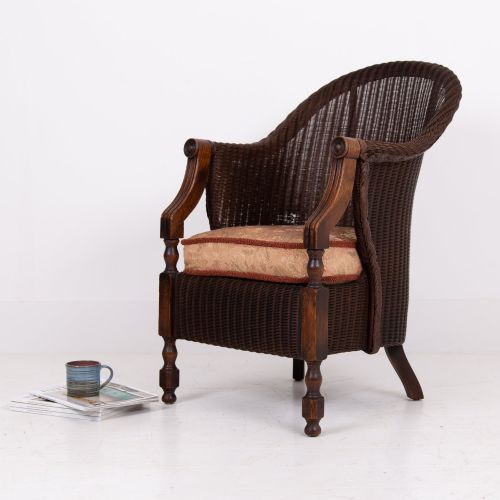
Listings span from the 16th century through the Victorian period and into the 1930s, featuring oak, elm, brass, cane, and leather.
The Dark Oak Carved Armchairs Glossary
- Wainscot chair
- A heavy wooden armchair constructed primarily from panelled oak, originating in the sixteenth and seventeenth centuries. These pieces feature solid panel backs and substantial turned arm supports.
- Jacobean Revival
- A nineteenth-century design style mimicking seventeenth-century English furnishings. It employs heavy oak turnings, deep geometric carving, and high rectangular backs.
- Turners chair
- An armchair constructed entirely from cylindrical and tapered turned spindles assembled with pegged joints. This form draws on medieval woodworking traditions.
- Smokers bow
- A sturdy nineteenth-century low-backed Windsor armchair with a rounded continuous arm bow. These seats are frequently found in country houses and smoking rooms.
- Bergere
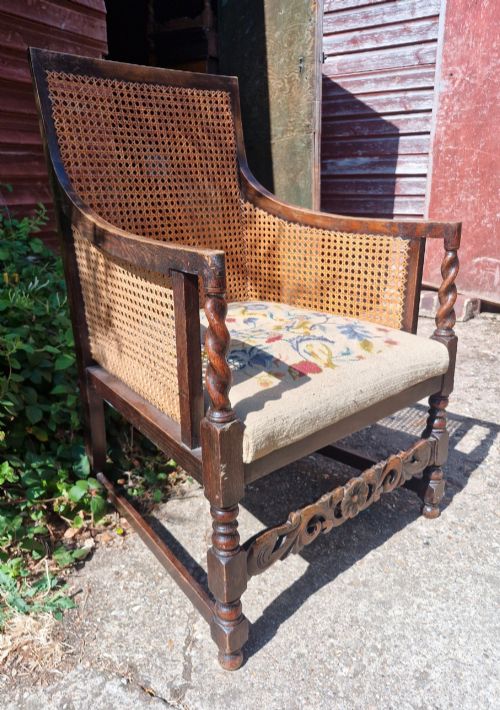
- An enclosed upholstered armchair featuring exposed wooden frames and woven cane side panels. This seating style appears in early twentieth-century variations.
Dark Oak Carved Armchairs: Frequently Asked Questions
How do I identify a 17th-century wainscot chair?
Seventeenth-century wainscot chairs show pegged mortise and tenon joinery, heavy oak panels, and hand-carved crest rails reflecting regional carpentry traditions.
Examine the underside and the back panels for tool marks, timber shrinkage, and hand-cut nails that indicate period construction rather than later revival work.
Where should I place a dark oak armchair?
These substantial seats function effectively as desk chairs, library reading chairs, or standalone pieces in hallways and living rooms.
Keep them away from direct heat sources and strong sunlight to protect the dense oak timber and historic wax finishes from drying out.
Are revival chairs as valuable as period pieces?
Nineteenth-century revival pieces hold distinct value for their quality joinery and decorative ambition, even though original seventeenth-century examples command higher regard among specialists.
Revival furniture offers robust daily use and historical styling while remaining accessible for domestic interiors.
How do I care for antique oak furniture?
Maintain the timber by applying a traditional beeswax polish sparingly and buffing with a soft cloth to preserve the natural lustre.
Avoid liquid cleaners and silicone polishes that can penetrate open oak pores and damage the historic patina.