




19th Century Oak Overmantel
A 19th century oak overmantel anchors a Victorian hearth with substantial architectural presence and deep-grained timber.
19th Century Oak Overmantel
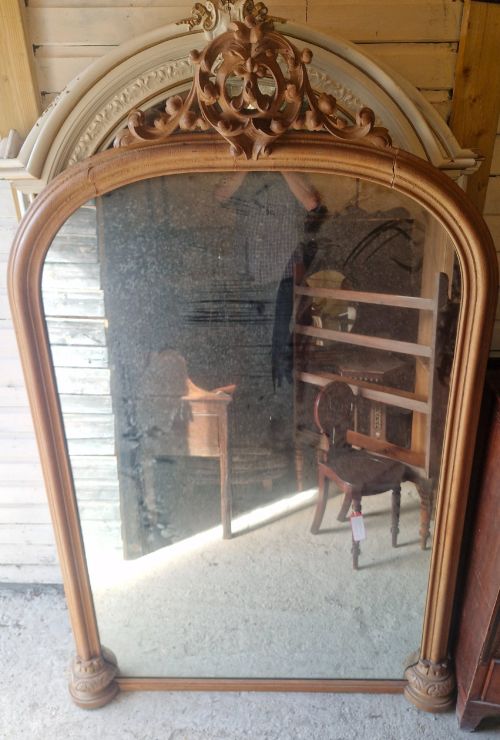
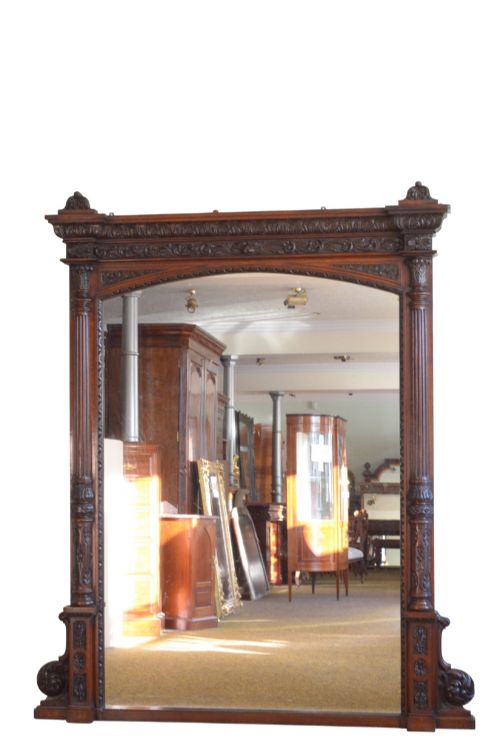
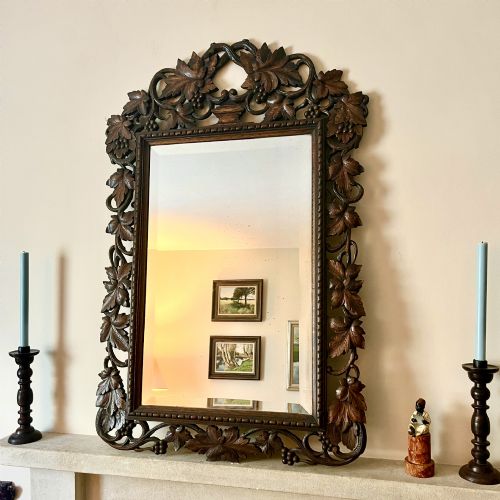
A 19th century oak overmantel is a large mirror or carved architectural panel designed to sit directly above a fireplace mantelpiece. These pieces bring substantial presence to a room through their heavy timber frames and architectural proportions.
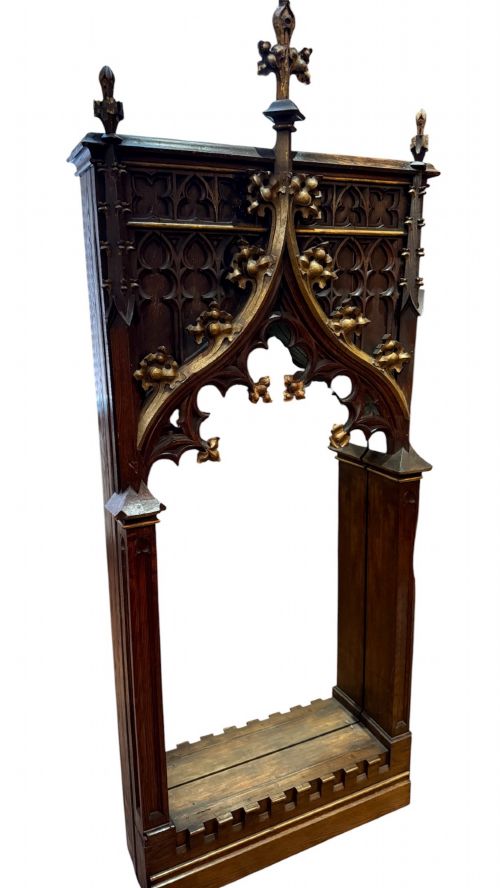
The versions most commonly met on this page date from the Victorian era, spanning decades such as the 1860s, 1870s, and 1880s. They appear in styles ranging from Gothic Revival and French Renaissance Revival to plain solid timber frames.
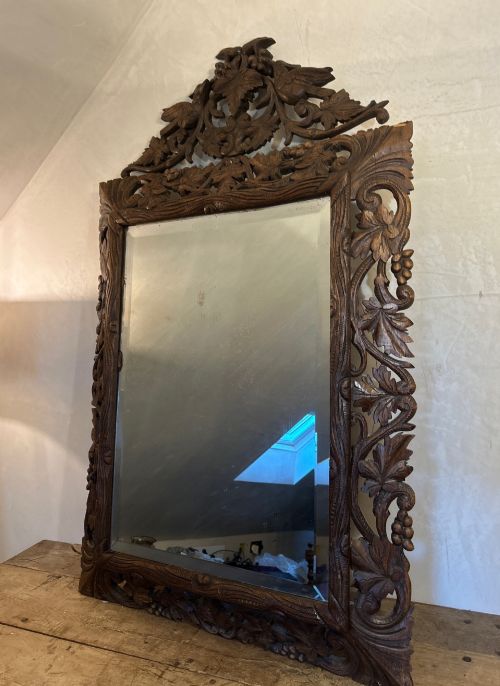
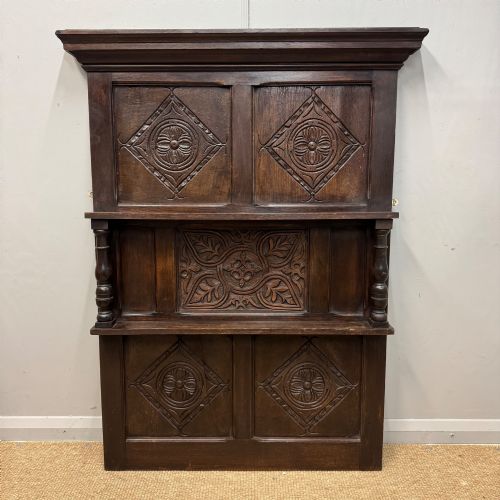
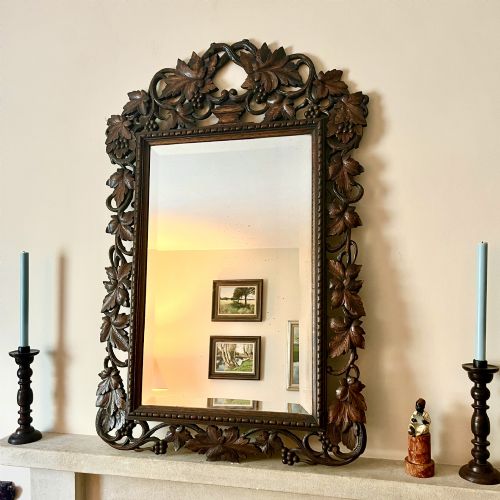
Many examples incorporate mirror glass set within deeply carved wooden surrounds, while others take the form of substantial solid panels. Their scale ranges from domestic wall proportions up to grand six-foot heights suitable for principal reception rooms.
How they were made
Makers utilised solid oak and scrubbed timber, framing heavy mirror glass with hand-carved details. Gilded wood and giltwood accents sometimes highlight specific decorative elements within the deep timber mouldings.
Joinery techniques relied on heavy framing to support the significant weight of the timber and glass. Carvings were executed directly into the solid oak, depicting architectural motifs, mythical beasts, and heraldic panels.
Surface treatments vary from natural waxed oak to painted or distressed finishes. Original mirror plates are frequently retained within the heavy wooden structures.
19th Century Oak Overmantel Retail Price Guide 2026
Typical asking prices for 19th century oak overmantel among the pieces listed under this phrase on Sellingantiques today, from the lower quarter to the upper quarter. They describe what is for sale here now, not the wider market.
Listings feature solid oak, giltwood, and painted surfaces across Victorian, Gothic Revival, and French Renaissance Revival styles.
What varies in quality
The depth and ambition of the carving separate standard framing from exceptional work. Pieces featuring complex sculptural elements like griffins, armorials, or mythical beasts display a superior level of artisan execution.
The weight and selection of the timber define the structural integrity of the piece. Dense solid oak frames with balanced proportions hold their architectural presence far better than lighter constructions.
The integration of original mirror glass and the preservation of authentic surface finishes dictate the overall integrity of the object. Retaining original painted details or untouched scrubbed surfaces marks the upper tier of surviving examples.
The 19th Century Oak Overmantel Glossary
- Overmantel
- A mirror or decorative panel specifically made to hang on the wall directly above a mantelpiece. These pieces visually connect the fireplace to the wider room architecture.
- Gothic Revival
- A nineteenth-century architectural and decorative style drawing on medieval forms, pointed arches, and heavy ecclesiastical motifs. It frequently appears in Victorian oak woodwork.
- Giltwood
- Wood that has been coated with a thin layer of gold leaf or gold paint. This technique highlights specific carved details on dark timber frames.
- Pediment
- The triangular or decorative architectural crown surmounting the top of a mirror frame. It provides a formal termination to the composition.
- Armorial
- A design displaying heraldic bearings or family crests. Carved armorials denote high status on Victorian overmantel panels.
19th Century Oak Overmantel: Frequently Asked Questions
How do I hang a heavy oak overmantel?
These pieces possess substantial weight due to their solid timber construction and large mirror glass plates. Secure wall fixings into masonry or structural studs are essential for safe installation above a fireplace.
Professional wall mounting brackets rated for heavy loads ensure the overmantel remains secure against the wall without straining the frame joints.
Are these mirrors suitable for modern interiors?
A large wooden frame brings immediate architectural weight and historic character to a contemporary room. The rich grain of the timber grounds modern neutral colour schemes.
Placing the mirror above a sideboard or low mantelpiece reflects natural light while adding a strong focal point to the space.
What is the difference between an overmantel and a wall mirror?
Overmantels are specifically proportioned in width and height to sit comfortably above a fireplace surround. Their framing often includes a distinct crest or pediment designed for that architectural position.
Standard wall mirrors lack this specific relational proportion to a hearth, though many share similar Victorian carved oak frames.
How do I care for the antique oak frame?
Dust the carved timber regularly with a dry, soft cloth to prevent particulate buildup in the deep recesses of the grain. Avoid modern liquid polishes that can degrade historic wax finishes.
Keep the piece away from direct heat sources such as active fires to prevent the solid oak from drying out and splitting over time.
How do I identify a Gothic Revival piece?
Gothic Revival overmantels display characteristic medieval architectural elements such as pointed arches, tracery, and heavy mouldings. The carved ornamentation often references ecclesiastical or monastic design.
Dark oak timber and austere proportions further distinguish these Victorian pieces from lighter Rococo Revival or French Chateau styles.