



Victorian Overmantel Shelf
A victorian overmantel shelf anchors a room with architectural presence, offering a traditional mantelpiece display space framed by period glass.
Victorian Overmantel Shelf
A victorian overmantel shelf typically combines a substantial wooden framework with integrated mirror glass, designed to be hung or positioned directly above a fireplace. These architectural furnishings serve as prominent focal points, reflecting light and visually expanding the proportions of a reception room.
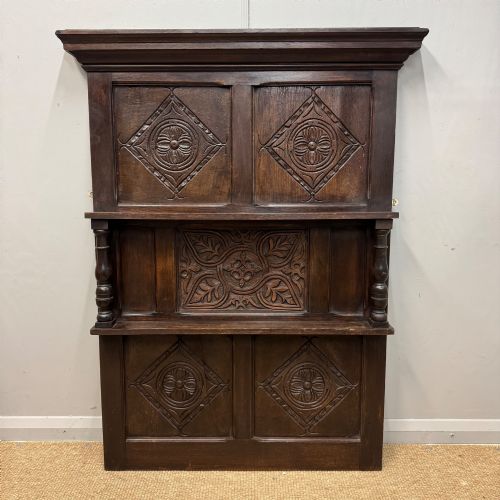
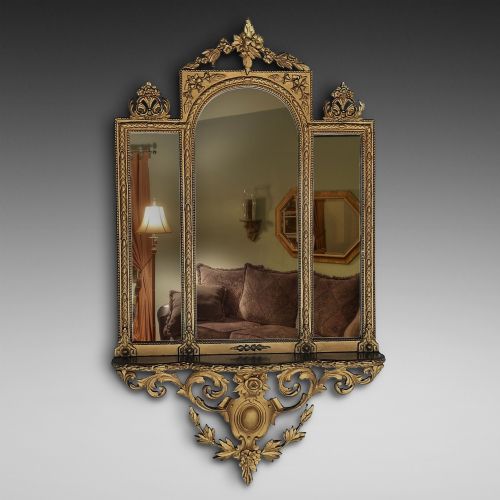
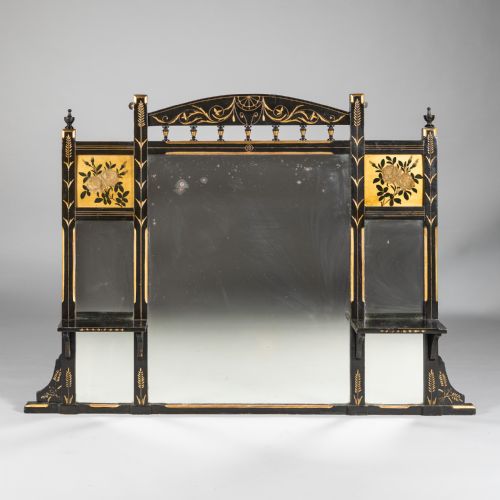
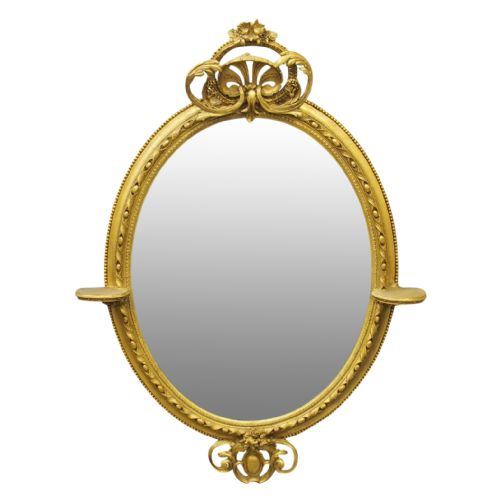
The pieces appearing on this page span the broader nineteenth century and into the early twentieth century, incorporating related forms such as wall mirrors and display cabinets alongside traditional overmantels. Construction styles range from heavy giltwood frames to architectural oak panels and lighter ebonised designs.
Materials and Construction
Carpenters and cabinetmakers utilised dense native and imported timbers, building structural frames primarily from oak, mahogany, walnut, and rosewood. Decorative finishes often involved applied gesso, parcel-gilding, gold leaf, and ebonised treatments to achieve striking visual contrasts.
Mirror glass was set securely within rebated wooden or composition mouldings, occasionally accompanied by carved fretwork, inlaid details, or supporting brackets. These construction methods ensured the heavy assemblies could safely bear their own weight while mounting securely to a chimney breast.
Victorian Overmantel Shelf Retail Price Guide 2026
Typical asking prices for victorian overmantel shelf among the pieces listed under this phrase on Sellingantiques today, from the lower quarter to the upper quarter. They describe what is for sale here now, not the wider market.
Some overmantels include tiny corner ledges originally intended to display fragile Victorian calling cards.
Distinctions in Quality
Quality rests upon the crispness of the original carving, the integrity of the timber framing, and the depth of the gilding or ebonising. Finer examples display meticulous joinery, balanced proportions, and well-executed decorative schemes rather than plain surfaces.
The condition and authenticity of the mirror glass also separate standard pieces from superior examples, with original silvering and bevelled edges adding considerable character. The sophistication of the design style, whether Aesthetic Movement or Gothic Revival, dictates the refinement of the finished piece.
Liberty & Co
The Victorian Overmantel Shelf Glossary
- Overmantel
- A large mirror or decorative frame designed to sit directly upon or be hung immediately above a mantelpiece. These fixtures often incorporate small shelves or ledges for displaying ornaments.
- Giltwood
- Timber carved and coated with gold leaf or metallic powder to create a brilliant reflective surface. This finish was widely favoured in formal Victorian reception rooms.
- Ebonised
- Wood treated with chemical stains, paints, or shellac to imitate the dark, dense appearance of ebony. It became especially popular during the Aesthetic Movement.
- Gesso
- A plaster-like mixture applied to wooden frames and moulded into intricate relief decorations before gilding. It allowed makers to achieve ornate sculptural detail with greater efficiency.
Victorian Overmantel Shelf: Frequently Asked Questions
How do I hang a heavy overmantel mirror safely?
These substantial frames require secure fixing directly into masonry or robust wall studs using heavy-duty brackets suited to the weight of the timber and glass. Professional installation is strongly recommended to distribute the load evenly across the wall.
Consult a specialist fixer who understands period wall construction to ensure the piece remains stable and secure in place above your fireplace.
What rooms suit a victorian overmantel shelf?
While traditionally designed for placement above a drawing room or dining room fireplace, these mirrors work effectively in high-ceilinged hallways or above large sideboards. Their reflective glass brings light into darker corners and creates an illusion of depth in smaller spaces.
Ensure the scale of the frame matches the surrounding wall proportions and ceiling height to maintain visual balance within the room.
How do I clean antique mirror glass?
Use a soft, dry microfiber cloth to gently remove dust from the glass surface and the surrounding wooden or gilt frame. Avoid spraying liquids directly onto the mirror, as moisture can seep behind the glass and damage the original silvering.
If cleaning fluid is necessary, apply a small amount to the cloth rather than the glass, and keep all moisture away from antique joints and gilt surfaces.
How do I identify the design period?
Examine the timber species, decorative motifs, and framing techniques to determine the era, noting that Aesthetic Movement pieces often feature ebonised surfaces while earlier examples display heavier classical or Gothic detailing. Stylistic markers such as Moorish fretwork or arts and crafts joinery provide clear clues to the date of manufacture.
Cross-reference these stylistic details with known historical periods ranging from William IV through to the Edwardian era to narrow down the decade of production.