




19th Century Nature Art
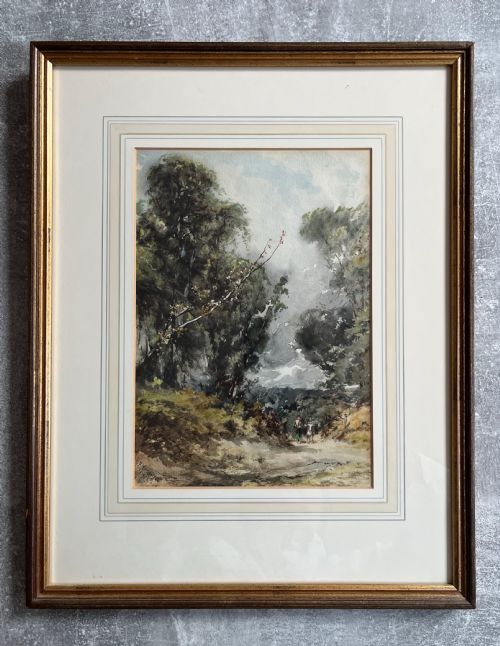
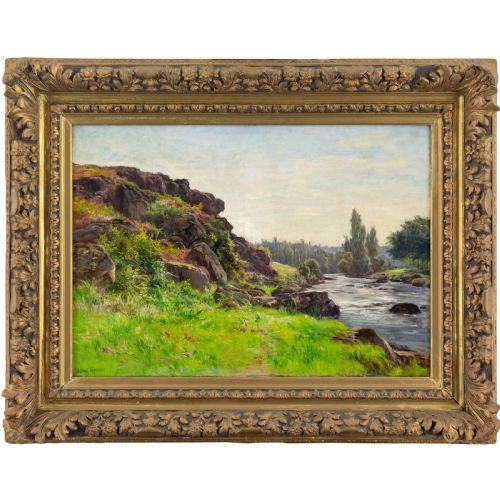
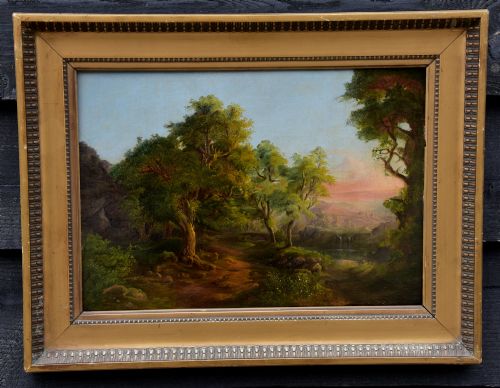
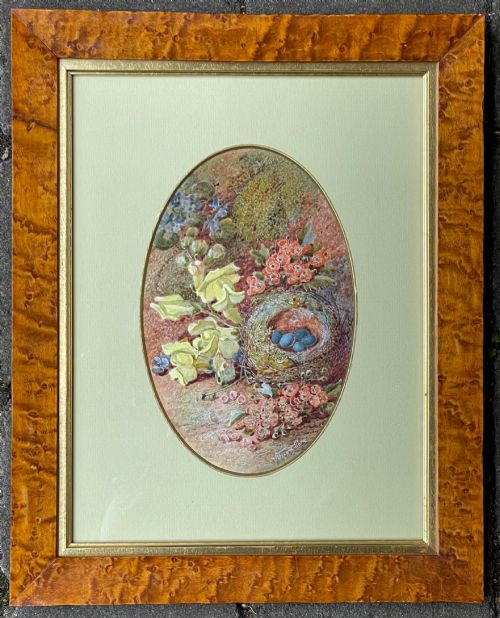
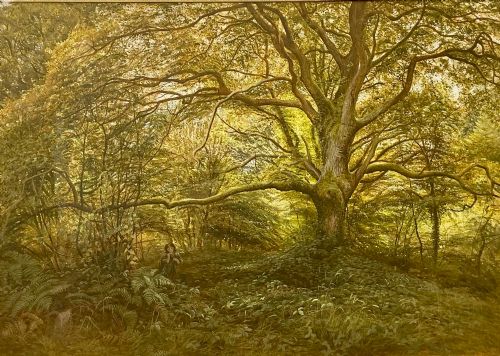
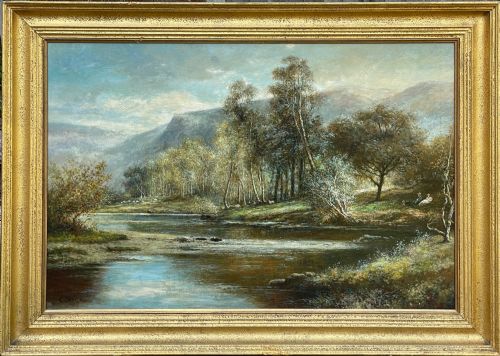
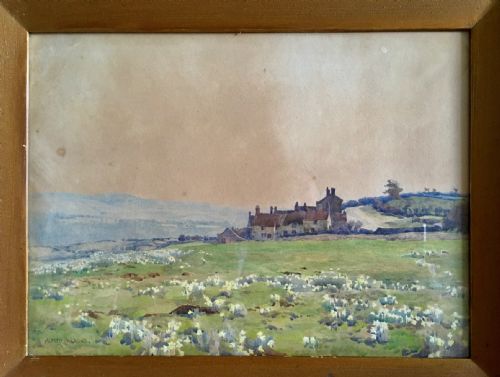
These pieces of 19th century nature art capture the natural world through period watercolours, oils, and engravings that bring historic landscapes and botanical studies into a modern home.
19th Century Nature Art
When searching for 19th century nature art, a buyer encounters a diverse selection of period paintings, watercolours, gouaches, and engravings that focus on the natural world. These works span landscapes, woodland scenes, river views, and detailed studies of flora and fauna from the Victorian era and adjacent periods.
The most common formats on this page are framed oil paintings on canvas or board and delicate watercolour paintings depicting British and French rural scenery. Botanical and ornithological engravings, such as hand-coloured sea shell plates, also appear alongside French impressionist oil studies and bronze sculptures.
The periods represented stretch from the early 1800s through the Victorian age and Edwardian years, reflecting a profound period fascination with naturalism, topography, and the open countryside. Collectors choose these items to anchor a room with authentic period depictions of forests, rivers, and wildlife.
How They Were Made
The works recorded in these listings rely primarily on traditional painting and printing techniques of the period, executed on supports such as canvas, wood boards, and heavy paper. Artists applied oil paint and watercolour using fine brushes to capture the light and detail of natural subjects.
Paper works frequently incorporate watercolour and gouache, sometimes finished with hand-colouring over engraved lines as seen in natural history illustrations. Frames often utilise wood and gold leaf, completing the presentation of the canvas or paper artwork.
19th Century Nature Art Retail Price Guide 2026
Typical asking prices for 19th century nature art among the pieces listed under this phrase on Sellingantiques today, from the lower quarter to the upper quarter. They describe what is for sale here now, not the wider market.
Listings feature works spanning the 19th century, Victorian era, and Edwardian period, utilising oil, watercolour, canvas, and wood.
What Varies in Quality
Quality in these pieces is determined by the skill of the brushwork, the depth of composition, and the artist's ability to render natural light and atmosphere. Works by listed academic painters display a superior command of perspective, colour harmony, and anatomical or botanical accuracy compared to anonymous student pieces.
The condition of the medium also influences the piece, with well-preserved watercolours retaining their original pigment vibrancy and oil paintings showing stable canvas surfaces and minimal retouching. Original period framing and documented provenance further elevate the standing of an individual artwork.
William Henry Earp·Thomas W Lascelles·Gabriel Mathieu·Vincent Clare·Oliver Goldsmith·William Mellor·Paul Lelong·George Arthur Fripp·John Wright Oakes·William Langley·WILLIAM STEPHEN COLEMAN·Ernst Barrias·CHARLES BRANWHITE·JOHN SHERRIN·James Kinnear·Adolphe Gumery·James Poole·Alfred Parsons·Emile Lecomte·John Nost Sartorius
The 19th Century Nature Art Glossary
- Watercolour
- A painting method where finely ground pigments are suspended in a water-soluble binder and applied to paper. It was widely used by 19th-century artists for rapid en plein air sketches and finished landscape views.
- Oil on Canvas
- An artwork created using pigments bound in a drying oil, applied to a woven fabric stretched across a wooden frame. This medium allowed artists to build rich textures and deep tones over extended periods.
- Gouache
- An opaque water-based paint that includes a white pigment filler, resulting in solid, matte areas of colour. It offers greater coverage than traditional watercolour and was frequently utilised for botanical and still life studies.
- Engraving
- A printmaking technique where an image is incised into a metal plate, which is then inked and pressed onto paper. Hand-coloured examples received individual washes of pigment by hand after printing.
- Victorian Naturalism
- An artistic movement focused on the precise, objective representation of the natural world. Practitioners aimed to record botanical and geological details with scientific fidelity.
19th Century Nature Art: Frequently Asked Questions
What is 19th century nature art?
These items comprise period paintings, watercolours, engravings, and bronzes created during the nineteenth century that depict landscapes, wildlife, and botanical subjects. They reflect the era's deep cultural engagement with natural history and the picturesque countryside.
Buyers find everything from sweeping river valleys in oil to detailed hand-coloured studies of shells and birds. Each piece serves as a historical window into how artists and naturalists viewed the environment.
How can I tell a Victorian oil painting from a later work?
Victorian oil paintings often use specific canvas types, stretcher frames, and ground layers characteristic of nineteenth-century manufacturing methods. Examining the back of the canvas or board frequently reveals period framing remnants, artist stamps, or handwritten inscriptions.
The style of brushwork, clothing in figurative elements, and framing materials also provide strong contextual clues for dating the piece to the Victorian era. Pigment analysis and canvas weave can further confirm the period of creation.
Where were these landscape paintings typically created?
Many landscape paintings from this era were executed on location in rural regions of Britain, such as Scotland, Wales, and Devon. Artists travelled to picturesque spots like Loch Leven or the river Wharfe to capture direct observations of nature.
Other works originated in continental Europe, including French impressionist studies and scenes from the Dauphiné region. These locations influenced the specific palettes and atmospheric effects captured by the painters.