

19th Century Natural History
19th century natural history brings together the preserved animals, detailed prints and scientific specimens that catalogued the natural world during the Victorian and Georgian eras.
19th Century Natural History
When you examine 19th century natural history, you encounter a diverse range of items spanning taxidermy trophies, framed botanical prints, and biological specimens. These objects reflect a period of intense scientific curiosity and an appetite for documenting the natural world.
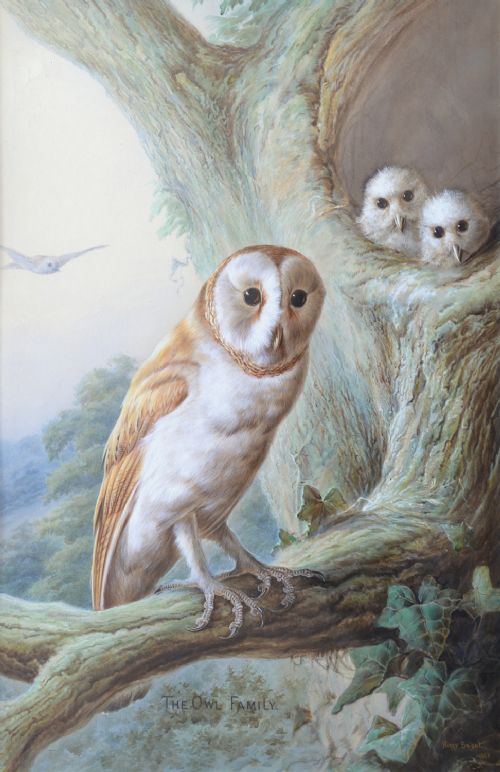
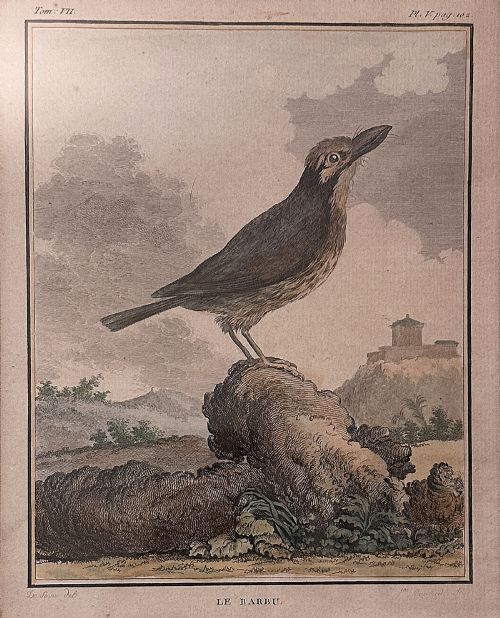
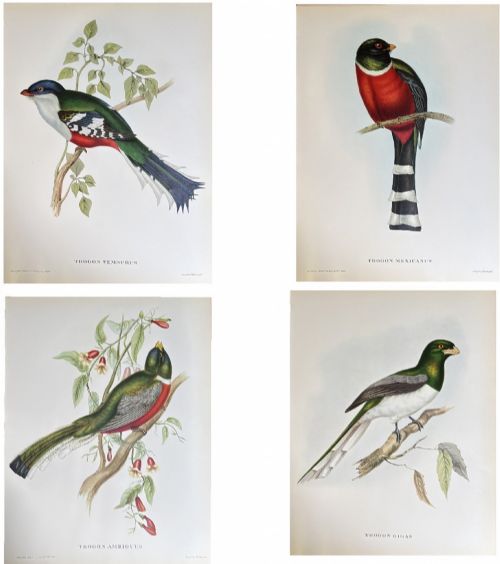
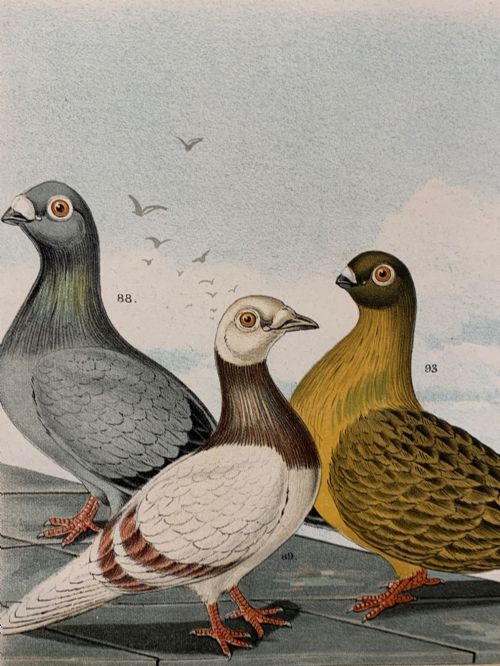
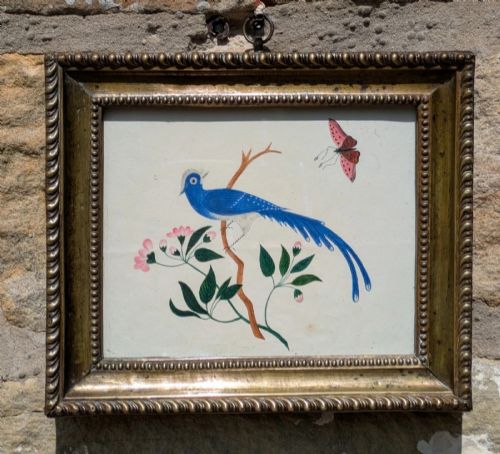
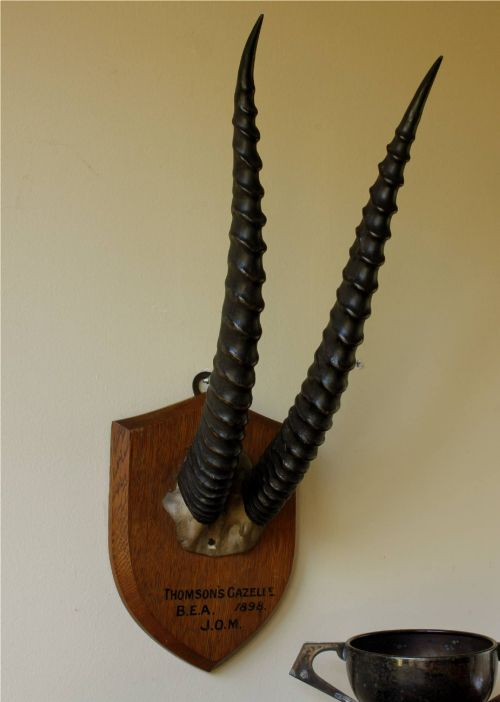
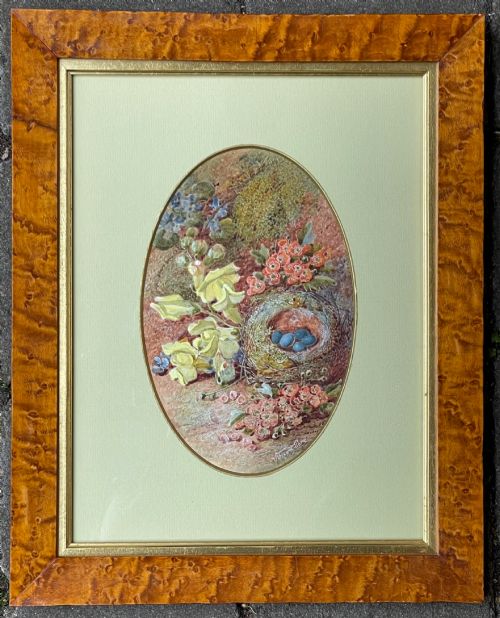
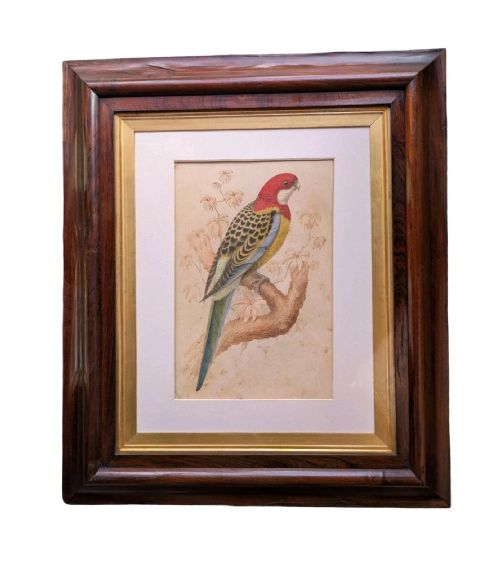
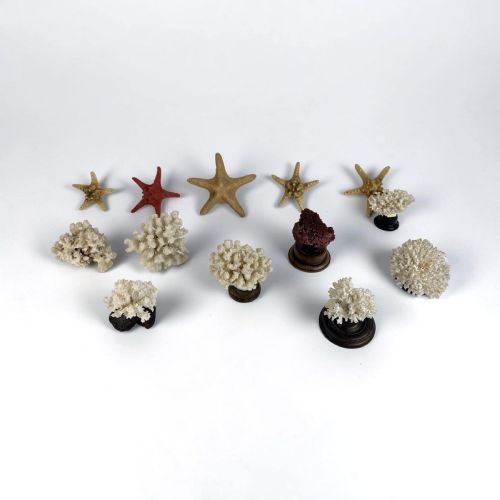
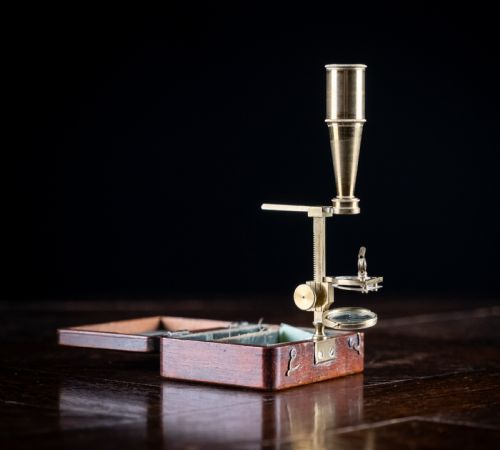
The most common versions on this page are hand-coloured bird engravings, framed butterfly prints, and Victorian taxidermy cases. Works by known illustrators and local taxidermists appear alongside preserved corals and scientific instruments.
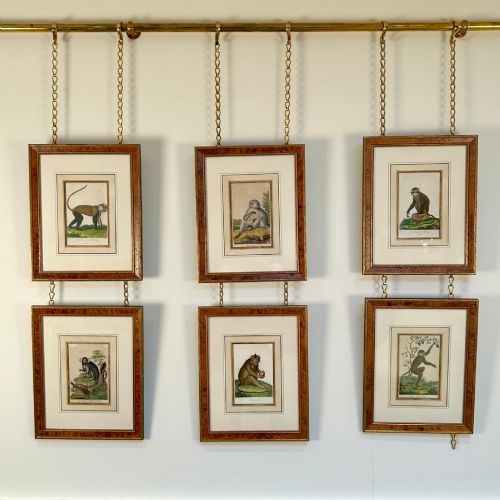
Pieces from this category serve both as historical scientific records and as decorative wall art. They capture the specific aesthetic of nineteenth-century scientific study, combining accurate illustration with meticulous preservation techniques.
How they were made
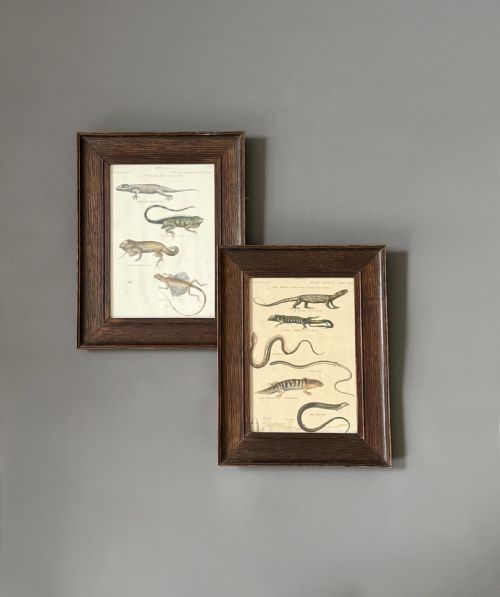
Makers utilised traditional printing methods such as engraving, lithography and etching on paper, often applying hand-colouring with watercolour and ink to botanical and zoological subjects. Frames typically incorporated wood, ebonised finishes, and gold leaf mounts.
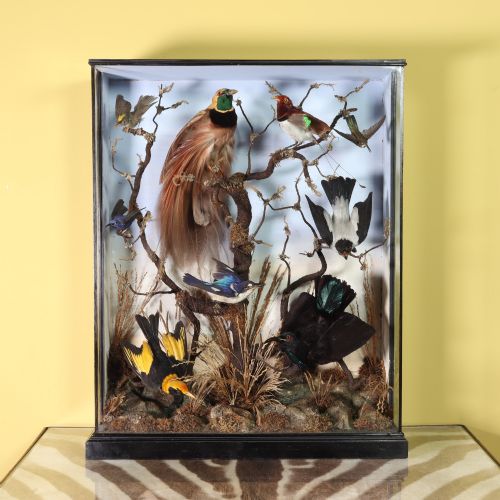
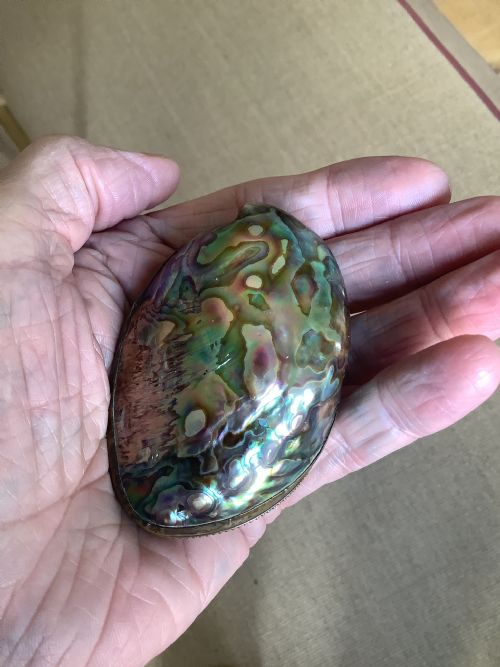
Taxidermy specimens involved preserving skins and mounting them over forms within glass domes and display cases, while biological collections gathered materials like bone, brass, glass and abalone shell. Precision instruments incorporated turned wood and brass components.
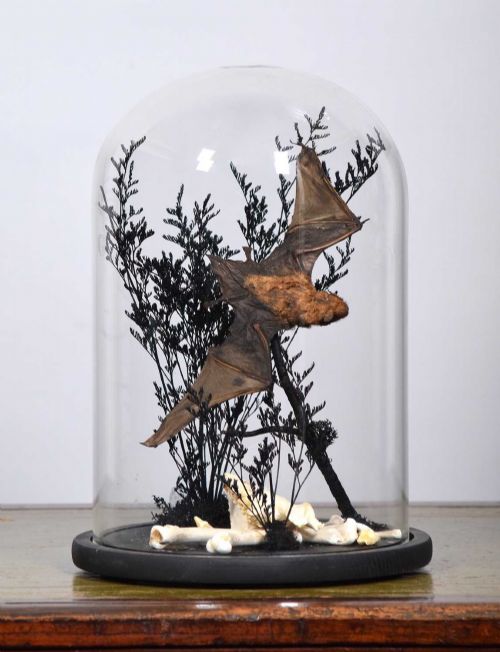
Even a preserved pipistrelle bat can find a second career watching over a nineteenth-century study.
What varies in quality
The distinction between tiers of work rests on the precision of the scientific rendering and the preservation state of the physical specimen. Hand-coloured plates by noted ornithological and botanical artists command attention for their pigment vibrancy and fine detail.
Taxidermy quality depends on the natural posture achieved by the taxidermist and the integrity of the original glass dome or display case. Provenance linking a piece to a named maker or expedition elevates the historical weight of the object.
William Bird MD FLS·J Griffiths of Burford·Cary London·John Sherrin·Oliver Goldsmith·Jonathan Couch·James Gardner·John Curtis·William Swainson·Edward Lear
The 19th Century Natural History Glossary
- Engraving
- A printmaking technique where an image is incised onto a metal plate, holding ink for transfer to paper. Many nineteenth-century plates received careful hand-colouring.
- Lithography
- A planographic printing process utilising stone or metal plates to produce detailed illustrations of birds and plants. These prints formed the basis of many scientific volumes.
- Taxidermy
- The art of preparing, stuffing, and mounting the skins of animals for display. Victorian examples frequently resided in glass domes or wooden cases.
- Pith painting
- An artwork created on delicate cellular material derived from the pith of the Tetrapanax papyrifer plant. Chinese export examples often depicted insects and butterflies.
- Specimen collection
- An assembly of natural objects gathered for study, including coral, shells, and botanical samples. These collections reflect the taxonomic interests of the period.
19th Century Natural History: Frequently Asked Questions
What is 19th century natural history?
It encompasses the physical specimens, scientific instruments, and illustrated prints produced during the nineteenth century to document botany, zoology, and anatomy.
Items range from framed hand-coloured bird engravings to taxidermy cases and coral collections.
How were bird prints coloured?
Publishers printed the underlying lines using engraving or lithography techniques on paper.
Artists then applied watercolour by hand to render the plumage and botanical details with scientific accuracy.
Where should I display taxidermy?
Keep taxidermy specimens away from direct sunlight and excessive humidity to protect feathers and fur from fading and degradation.
Enclosed glass domes and wall-mounted display cases help shield delicate antique specimens from dust.
How do I identify botanical engravings?
Examine the margins for the signature of the artist, engraver, or publisher, alongside the publication date and binomial nomenclature.
Plates often originate from bound scientific folios produced during the Georgian and Victorian periods.