
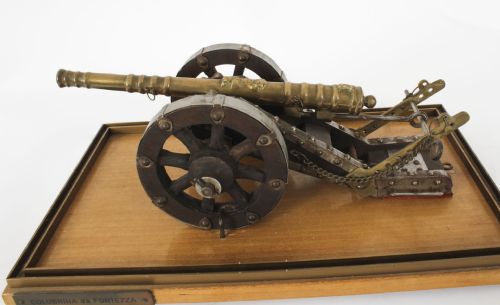


19th Century Metal Mount
A 19th century metal mount elevates simple timber cabinets and porcelain vases into objects of ornamental splendour.
19th Century Metal Mount
A 19th century metal mount typically appears as decorative hardware applied to fine furniture, porcelain vessels, and clocks across the Victorian and continental periods. These fixtures accent structural corners, frame door panels, or serve as functional elements such as curtain tie-backs and furniture mounts.
The selections gathered here span French Empire, Louis XV Revival, and Louis XVI styles, alongside practical utilitarian items in copper, brass, and cast iron. Buyers encounter everything from grand mahogany cabinets accented in gilt bronze to small decorative objects embellished with cast brass.
Many items combine diverse materials, uniting wood, marble, and ceramics with metallic detailing. The phrase encompasses both integral structural embellishments and standalone decorative hardware designed to adorn domestic interiors.
Materials and construction
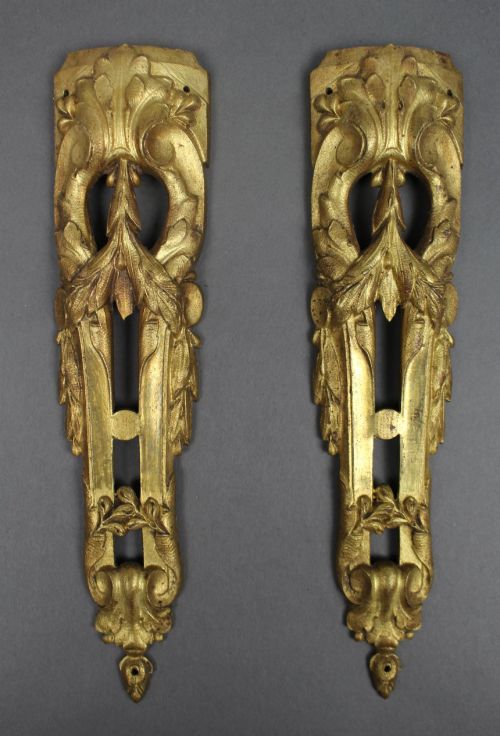
Foundries produced these metal components using casting techniques in bronze, brass, copper, and cast iron, often refining the surface through hand-chasing. Ormolu, or gilt bronze, received a fine layer of gold applied by mercury amalgamation or fire gilding, creating a rich, enduring lustre.
Wood substrates such as mahogany, walnut, satinwood, and kingwood provided the foundation for cabinetry, frequently decorated with veneers, parquetry, or pietra dura inlay. Artisans secured the metal hardware using small brass screws, pinning the mounts firmly against timber or marble surfaces.
Materials span warm fruitwood and mahogany paired with gilt bronze, porcelain, and rouge griotte marble.
Assessing quality
Quality rests primarily on the crispness of the casting and the precision of the subsequent hand-chasing. Superior examples display sharp relief and deep detailing, whereas inferior pieces appear soft and uniform from secondary mould usage.
The integrity of the gilding further distinguishes the work, with fire gilding offering a deep, warm gold tone that ages differently from modern electroplating. The harmony between the metal mount and its host object also matters, as original factory fittings integrate more precisely than later additions.
The 19th Century Metal Mount Glossary
- Ormolu
- Gilded bronze produced by applying a mercury and gold mixture to a bronze casting and heating it until the mercury vaporised. This technique creates a distinctive, deep golden finish common on high-end French decorative objects.
- Jardiniere
- A decorative container or stand designed to hold plants or floral arrangements, often incorporating porcelain panels and metal mounts. They appear frequently in walnut and mahogany across the Victorian era.
- Garniture set
- A matched group of three or more ornamental vases, urns, or candelabras displayed together on a mantelpiece or cabinet. These sets often combine toleware, porcelain, or metal construction.
- Pietra dura
- An artistic technique using cut and fitted inlaid stones to create pictorial designs on marble or wood tabletops and cabinets. The resulting mosaics frequently feature floral or geometric motifs.
19th Century Metal Mount: Frequently Asked Questions
What is a furniture mount?
A furniture mount is an ornamental piece of cast metal, such as brass or gilt bronze, attached to the exterior of a cabinet, table, or chest. These fixtures protect corners, frame drawers, and enhance the visual aesthetic of the timber.
Craftsmen shaped these mounts to mirror prevailing historical styles like Louis XVI and French Empire. They function as both structural reinforcement and decorative embellishment on nineteenth-century pieces.
How do I care for ormolu mounts?
Ormolu requires gentle dusting with a soft, dry brush to prevent dirt accumulation within the recessed details of the casting. Avoid harsh chemical cleaners and abrasive cloths, which can strip away the historic gilding.
Protecting the surface from excessive moisture and direct sunlight preserves the original metallic finish. Natural wax can be applied sparingly to adjacent wooden surfaces without touching the metal.
Are these mounts original to the pieces?
Determining originality involves inspecting the fitting marks, screw types, and indentation left in the wood beneath the metal. Original mounts typically fit the contours of the timber precisely, matching the wear patterns of the object.
Replacement mounts from later periods may show modern screw heads or gaps where the casting does not align with the surrounding wood grain. Examining the consistency of the patina helps confirm whether the hardware belongs to the period of manufacture.
What is the Grand Tour influence?
The Grand Tour refers to the traditional travels undertaken by wealthy Europeans to study classical antiquity and art across Italy and France. Souvenirs from these journeys included small bronze models, tazzas, and marble artefacts.
Craftsmen integrated these classical motifs into nineteenth-century decorative objects and furniture mounts. This aesthetic brought ancient Roman and Greek design elements into Victorian domestic spaces.