
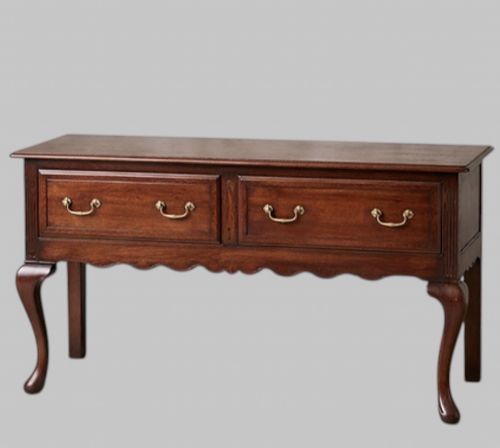


19th Century Lowboy
A 19th century lowboy offers compact table storage with drawers, combining period craftsmanship with everyday utility.
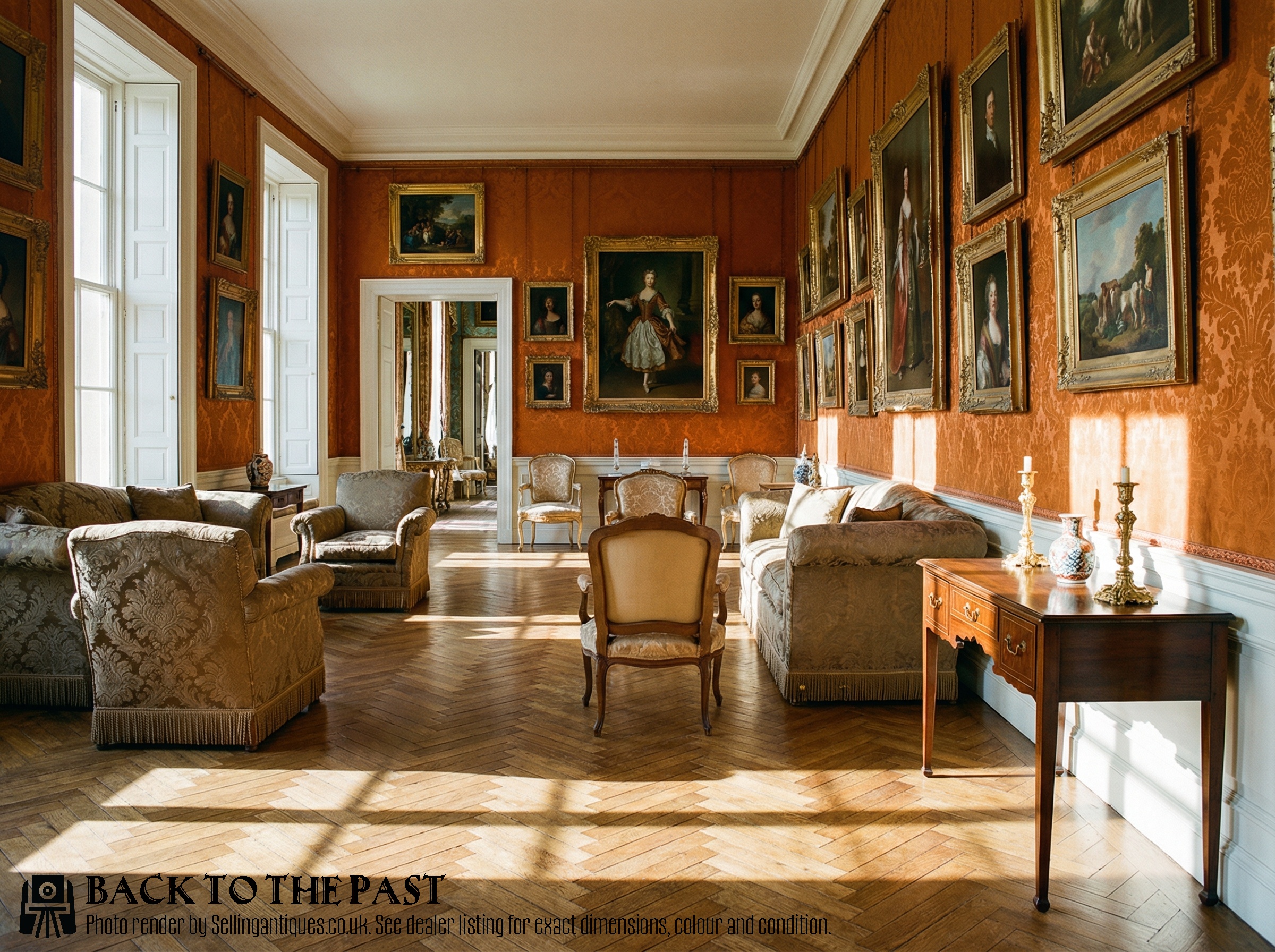
19th Century Lowboy
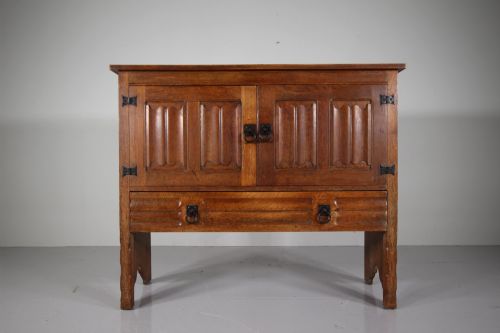
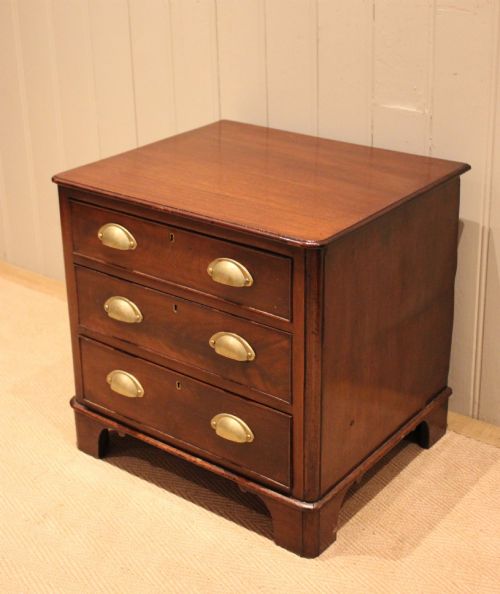
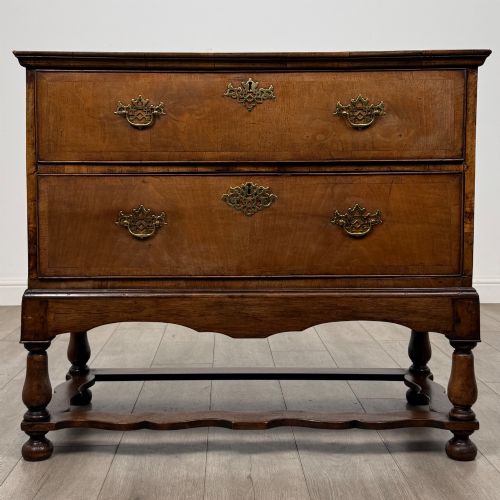
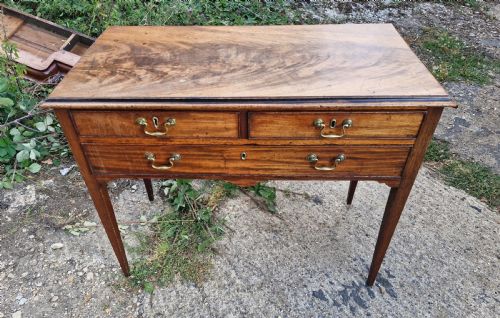
A 19th century lowboy is a small table with one or more drawers, originating as a dressing or side table and functioning today as a compact desk or hallway surface.
The versions met most frequently on this page are constructed from oak or mahogany, often reflecting Georgian proportions or later revival styles.
Beyond standard side tables, related forms appearing here include dresser bases, console tables, and small chests of drawers.
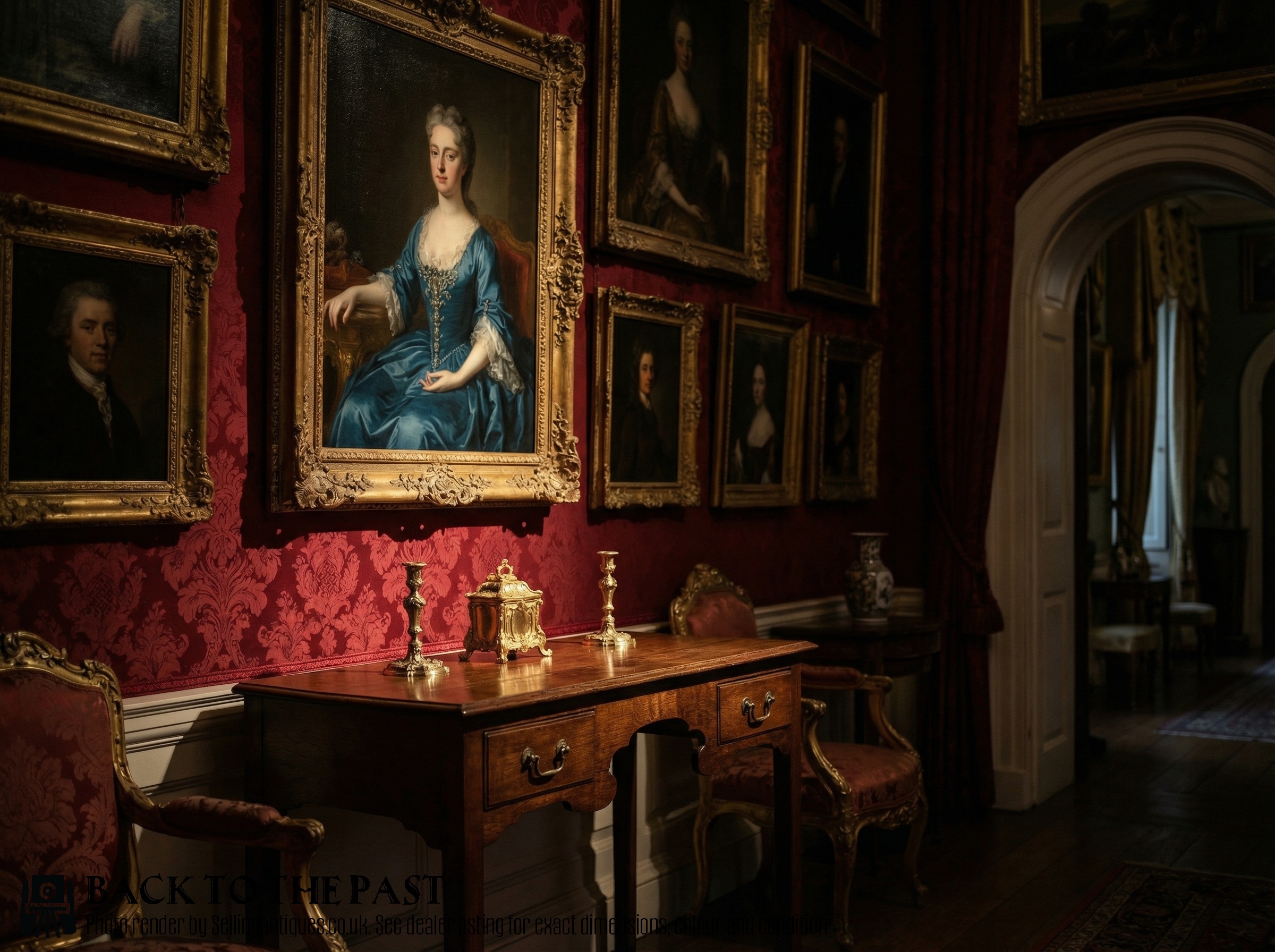
Materials and construction
Cabinetmakers utilised solid timbers such as oak, mahogany, and walnut, frequently selecting figured veneers or fruitwood for decorative surfaces.
Hardware typically incorporates brass handles and escutcheons, while structural joints rely on traditional joinery methods suited to domestic furniture of the period.
19th Century Lowboy Retail Price Guide 2026
Typical asking prices for 19th century lowboy among the pieces listed under this phrase on Sellingantiques today, from the lower quarter to the upper quarter. They describe what is for sale here now, not the wider market.
Listings feature oak, mahogany, walnut, fruitwood, and cherry wood across various regional styles.
Assessing quality
Quality rests upon the selection of timber, such as figured walnut or dense mahogany, and the crispness of any carved detail or marquetry inlay.
Finer examples display careful timber matching across drawer fronts and harmonious proportions that adhere to Georgian or William and Mary design traditions.
Gillows
The 19th Century Lowboy Glossary
- Lowboy
- A small pedestal table or side table fitted with drawers, commonly standing on four legs.
- Marquetry
- Decorative veneer work formed by fitted pieces of coloured wood or other materials to create pictorial or geometric patterns on the surface.
- Dresser Base
- A low sideboard or table base featuring drawers and occasionally cupboards, used historically for serving and storage.
- Escutcheon
- A protective brass plate surrounding a keyhole on a drawer or cabinet door.
- Side Table
- A small table designed to stand against a wall, frequently utilised in hallways or parlours.
19th Century Lowboy: Frequently Asked Questions
What is a lowboy used for?
A lowboy functions primarily as a small side table or writing surface with convenient drawer storage.
Its compact footprint allows it to fit easily into hallways, bedrooms, or living spaces.
How do I identify a 19th century lowboy?
Examination of timber, construction methods, and hardware helps determine the age and origin of the piece.
Stylistic influences often point towards Georgian, Victorian, or earlier revival periods.
Are lowboys made of solid wood?
Many examples utilise solid timbers like oak, mahogany, or elm for their primary structure.
Finer decorative surfaces frequently incorporate walnut or burr walnut veneers.
Where should I place a lowboy at home?
A lowboy suits placement in an entrance hall as a surface for keys and small items.
It also functions effectively as a dressing table or compact desk in a bedroom.