


19th Century Ladies Box
A 19th century ladies box is a personal container for sewing, writing or dressing, offering fitted compartments for daily refinement.
19th Century Ladies Box
A 19th century ladies box encompasses small portable caskets and larger freestanding work or sewing tables designed for domestic use. The pieces span Georgian, Regency, William IV and Victorian periods, alongside specific revivals like Louis XV.
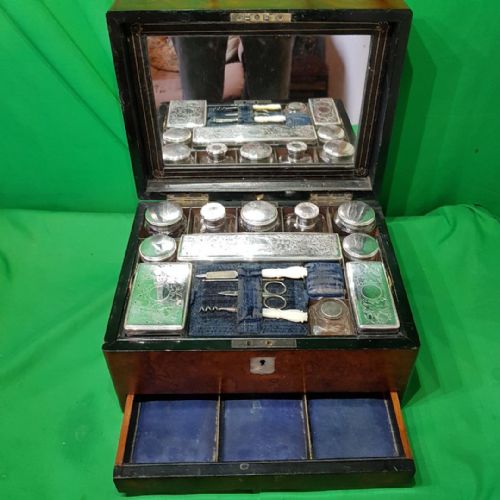
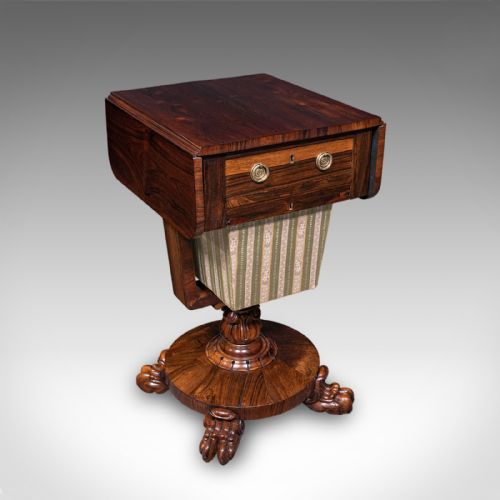
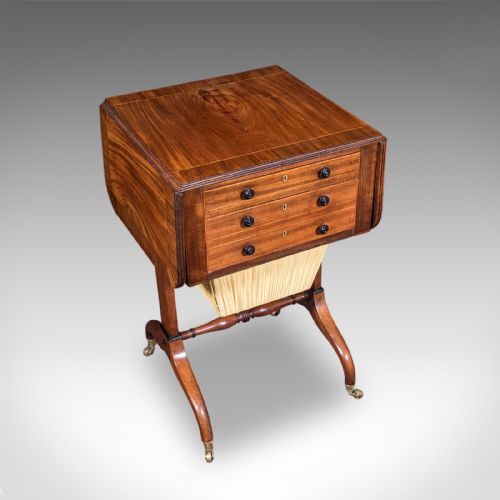
Portable examples include travel vanity cases, dressing boxes, jewellery caskets and small Tunbridge ware needlework boxes. Freestanding versions appear as drop-leaf work tables, hobby tables and side tables with fitted interiors.
Materials range from rosewood, burr walnut and kingwood to brass-bound wood, tortoiseshell, papier-mâché and Irish yew wood. Smaller items also include carved treen snuff boxes depicting ladies in shoes.
Materials and construction
Carpenters utilised dense hardwoods such as rosewood and burr walnut, often laid as veneers over firmer carcases, alongside lighter flame mahogany and yew wood. Decorative surfaces incorporate brass banding, ormolu mounts, marquetry inlay and meticulous Tunbridge ware mosaic patterns.
Interiors feature fitted arrangements lined with velvet and fabric, housing glass bottles and silver-hallmarked items. Papier-mâché and leather form alternative structures for caskets and jewellery boxes.
Distinctions in quality
Excellence rests on the precision of the cabinetwork, the complexity of marquetry or Tunbridge ware tessellation, and the integrity of internal fittings such as silver hallmarks and cut glass. Superior pieces maintain complete original interiors with working locks and keys.
The choice of timber grain, from richly figured burr walnut to selected rosewood and kingwood, elevates the visual presence of the box or table.
W & J Milne Makers
The 19th Century Ladies Box Glossary
- Burr walnut
- A figured timber derived from the wart-like growths on walnut trees, prized for swirling grain patterns. It forms luxurious surfaces on Victorian boxes and work tables.
- Tunbridge ware
- A type of decorative woodwork characterised by tiny mosaic tiles formed from differently coloured woods to create pictorial designs. It decorates specialty needlework caskets.
- Treen
- Small handmade wooden objects of utility, such as carved snuff boxes shaped like ladies feet. This material highlights domestic folk art.
- Ormolu
- Gilded bronze mounts applied to furniture and boxes, popular during revival periods. It adds metallic contrast to wood surfaces.
- Writing slope
- A hinged box that opens to form an inclined surface for correspondence, often integrated into portable travelling cases.
19th Century Ladies Box: Frequently Asked Questions
How do I date a 19th century ladies box?
Dating relies on stylistic shifts from Regency restraint and William IV robust proportions to ornate Victorian marquetry and Tunbridge ware. Supporting evidence like silver hallmarks or dated inscriptions provides precise years.
Construction methods also guide the timeline, as earlier boxes feature hand-cut dovetails while later Victorian pieces show industrial machining.
What is the difference between a work table and a dressing box?
A work table is a freestanding piece of furniture with drop leaves and a fitted drawer or bag for sewing and needlework. These stood in parlours for active daily crafts.
A dressing box is a portable chest housing glass bottles, mirrors and silver items for grooming and cosmetics. These travelled between rooms or on journeys.
Are the interiors usually original?
Many boxes retain their original velvet linings, glass containers and compartments, though fabric deteriorates over long periods of use. Replacements happen when delicate silks or velvets wear away through handling.
Examining the fit and adhesive residue helps determine whether compartments remain untouched since manufacture.
How should I care for rosewood and burr walnut boxes?
Keep wooden boxes away from direct sunlight and steady heat sources to prevent veneer from lifting or wood from splitting. Gentle dusting with a dry cloth maintains the polished surface without harsh chemicals.
Maintaining stable room humidity protects both the external timber and internal fabric linings from degradation.