




19th Century Italian Pedestal
A 19th century italian pedestal brings classical presence into a room, supporting sculpture and display with carved walnut, marble, and giltwood.
19th Century Italian Pedestal
When you search for a 19th century italian pedestal, you encounter columns, display stands, and architectural supports designed to elevate sculpture, urns, and decorative objects. These items emerge from periods spanning the Victorian era through the late nineteenth century, reflecting classical revivals and Grand Tour influences.
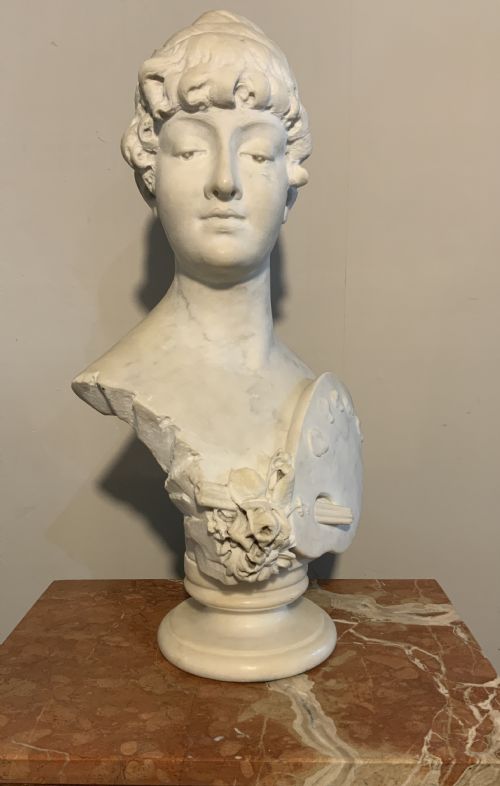
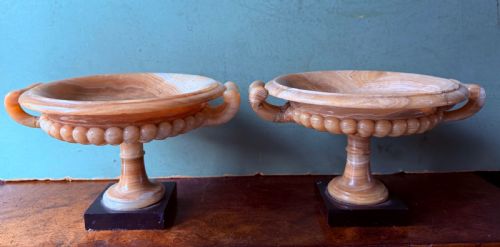
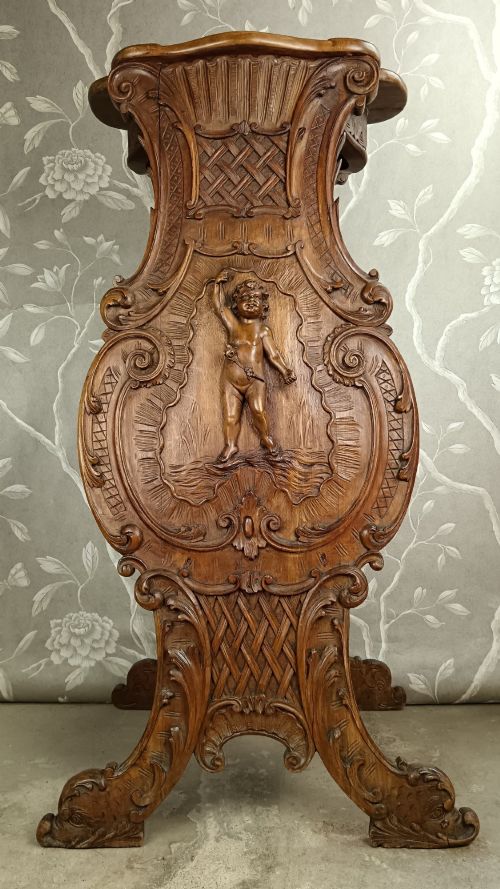
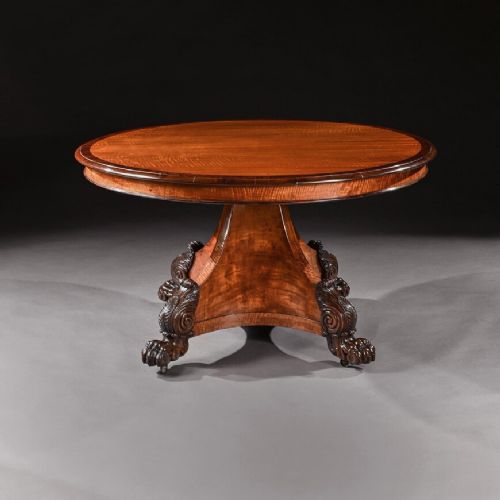
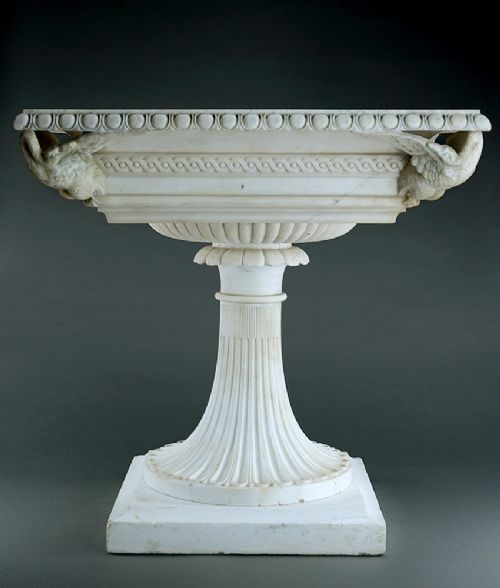
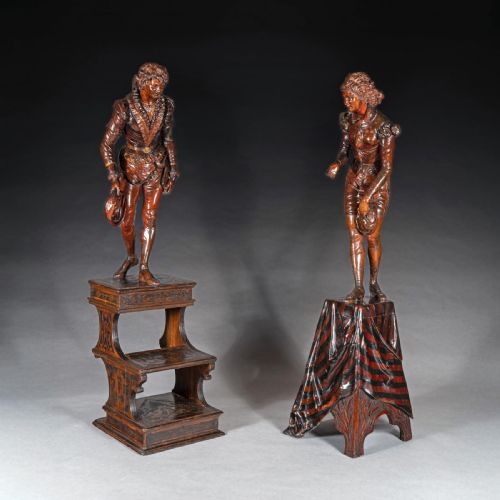
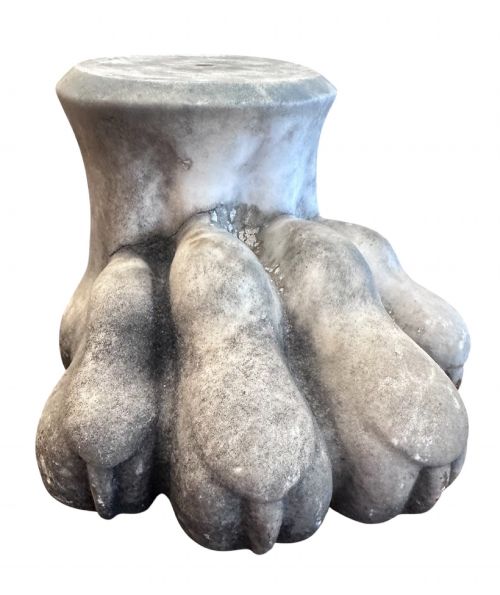
The selections on this page include carved walnut stands, alabaster and scagliola columns, and painted figures holding display surfaces. Alongside dedicated pedestals, you find related forms such as occasional tables, centre tables, and tazze that share the same material vocabulary and ornamental ambition.
Makers and workshops across Florence, Venice, and Genoa produced these pieces utilising rich woods, imported marbles, and polychrome finishes. Whether simple or sculptural, each item serves to frame decorative arts within a domestic interior.
How they were made
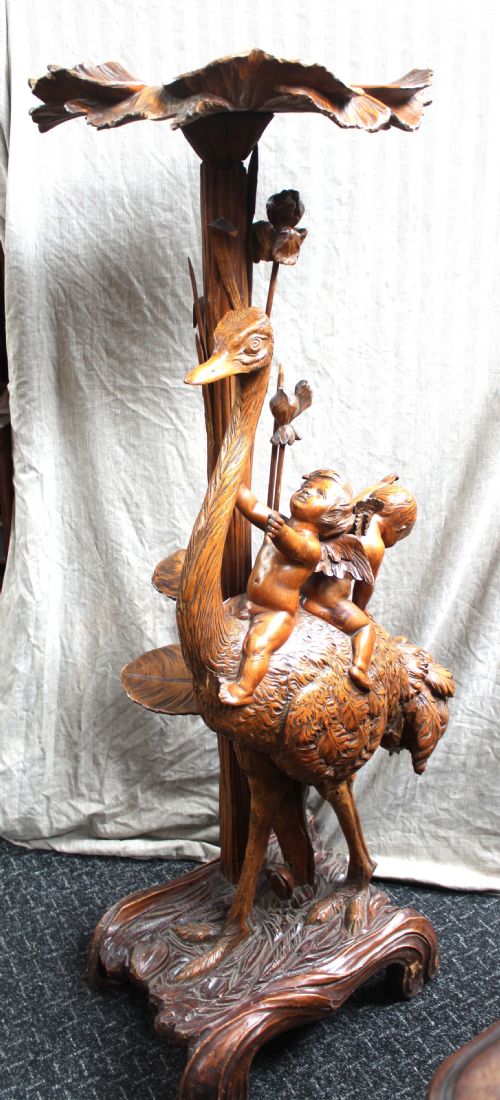
Carvers and cabinetmakers worked with solid hardwoods including walnut, fruitwood, satinwood, and lime wood, employing deep relief carving, marquetry, and parquetry. Inlaid surfaces incorporate contrasting timbers and pietra dura work, demonstrating high levels of joinery and surface preparation.
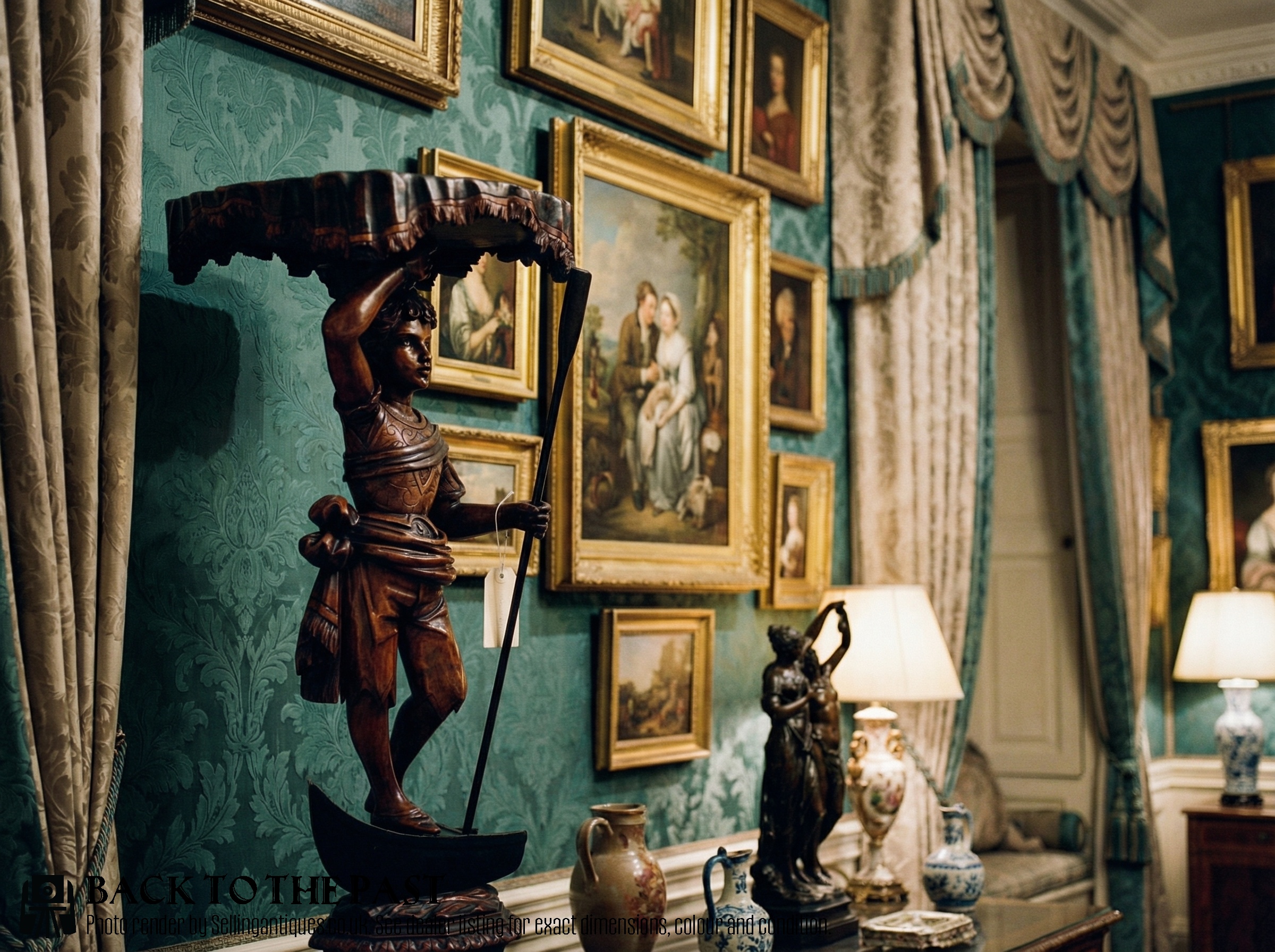
Carved gondoliers and blackamoor figures hold up display surfaces with unwavering nineteenth-century theatricality.
What varies in quality
The distinction between standard production and exceptional work lies in the depth and crispness of the carving, particularly on figural supports and acanthus-leaf capitals. Artisans who spent hours refining details on walnut columns or marble figures achieved a sculptural presence absent in mechanical production.
Material selection and inlay complexity also define the grade of a piece, from simple turned fruitwood to multi-coloured marble columns and intricate Sorrento marquetry. Original finishes, such as untouched gilt polychrome or patinated bronze, separate well-preserved examples from heavily restored ones.
Peters of Genoa·Benedetto Boschetti·Valentino Besarel·Ulisse Cantagalli·Achille Mollica·Eduardo Giolli
The 19th Century Italian Pedestal Glossary
- Pedestal
- A structural support or column designed to elevate a bust, vase, or sculptural work. These forms range from plain turned wooden cylinders to ornate carved figures on raised plinths.
- Grand Tour
- A cultural phenomenon of travel across continental Europe undertaken by wealthy individuals, resulting in the acquisition of souvenirs such as alabaster tazze and bronze campana urns.
- Pietra dura
- An artistic technique utilising cut and fitted hand-laid coloured stones to create geometric or pictorial designs on tabletops and decorative panels.
- Tazza
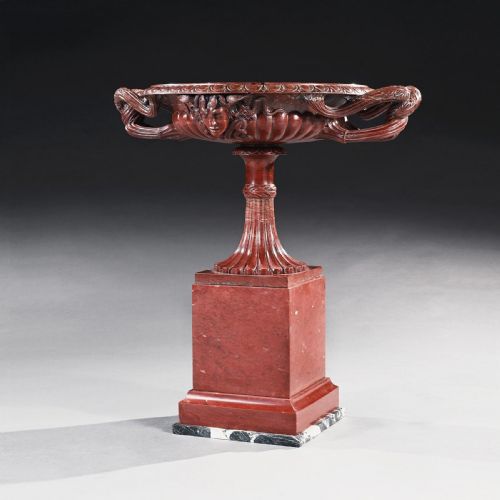
- A shallow bowl or cup raised on a stem and foot, frequently carved from marble or alabaster and modelled after ancient Roman tableware.
19th Century Italian Pedestal: Frequently Asked Questions
What is a 19th century italian pedestal used for?
These pieces function primarily to elevate sculptures, decorative urns, and porcelain figures within a room, drawing the eye upward. They act as architectural elements that introduce classical dignity and display surfaces to domestic spaces.
Historically, they were commissioned by travellers on the Grand Tour or collected to furnish period drawing rooms and halls. Today, they continue to support decorative objects or stand alone as sculptural furniture.
How do I identify a Grand Tour marble column?
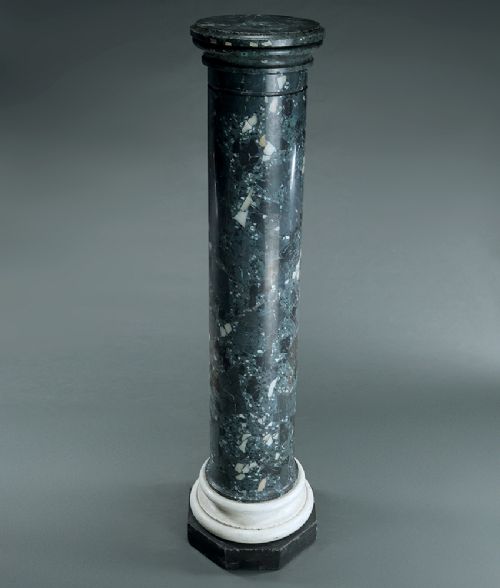
Grand Tour items typically utilise specific decorative stones such as Verde Antico, Rosso Antico, or alabaster, often mimicking ancient architectural ruins. Their scale tends to be compact or medium, designed for easy transport back to Britain by wealthy travellers.
Look for fine turning, polished stone surfaces, and association with known Roman workshops or retailers like Boschetti. These pieces reflect a direct fascination with classical antiquity popular throughout the Victorian period.
What woods were used in Italian tables and pedestals?
Walnut serves as the primary structural timber for many carved stands, desks, and centre tables, offering both strength and a rich grain. Cabinetmakers also utilised fruitwood, satinwood, rosewood, and olive wood for intricate marquetry and parquetry patterns.
In Venice and Florence, lime wood and softer timbers supported elaborate polychrome paint and gilding on figural bases. These varied woods allowed artisans to combine deep structural carving with flat, decorative surface inlays.
Where were these pedestals and tables made?
Production centres concentrated in major Italian art hubs including Florence, Venice, Genoa, and Sorrento. Each region developed distinct specialties, such as Sorrento marquetry tables, Venetian polychrome figures, and Florentine pietra dura work.
Workshops in Rome catered directly to foreign visitors seeking souvenirs of classical sculpture and architectural marble. These regional identities remain visible in the distinct choice of materials and ornamental styles.