









Carved Timber Display Pedestal
A carved timber display pedestal elevates sculpture, porcelain and plants, bringing height and structural focal points to a room.
Carved Timber Display Pedestal
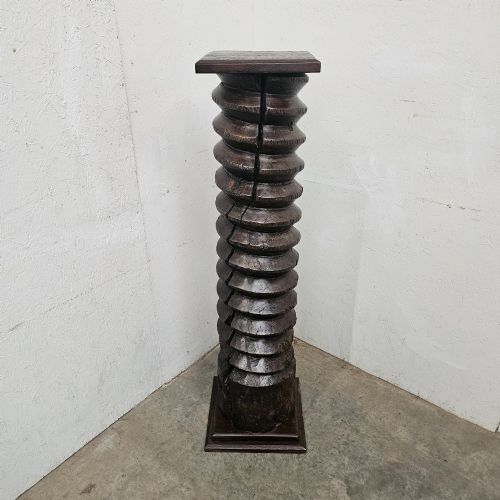
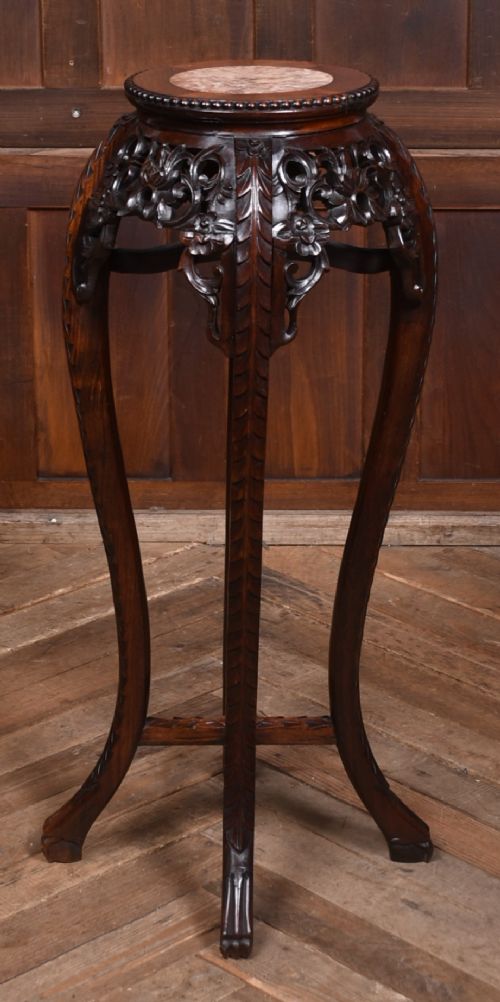
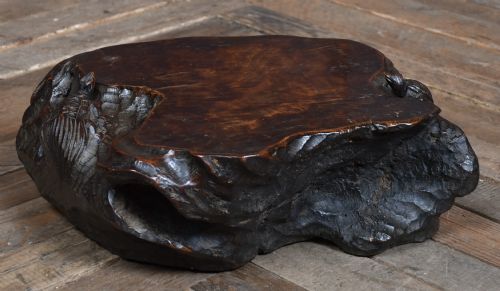
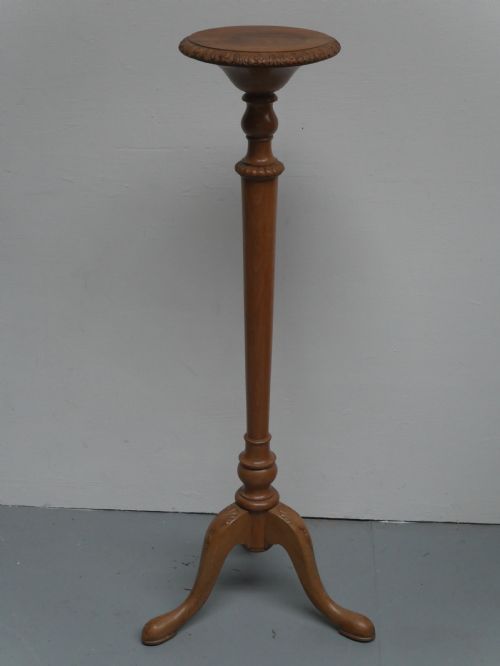
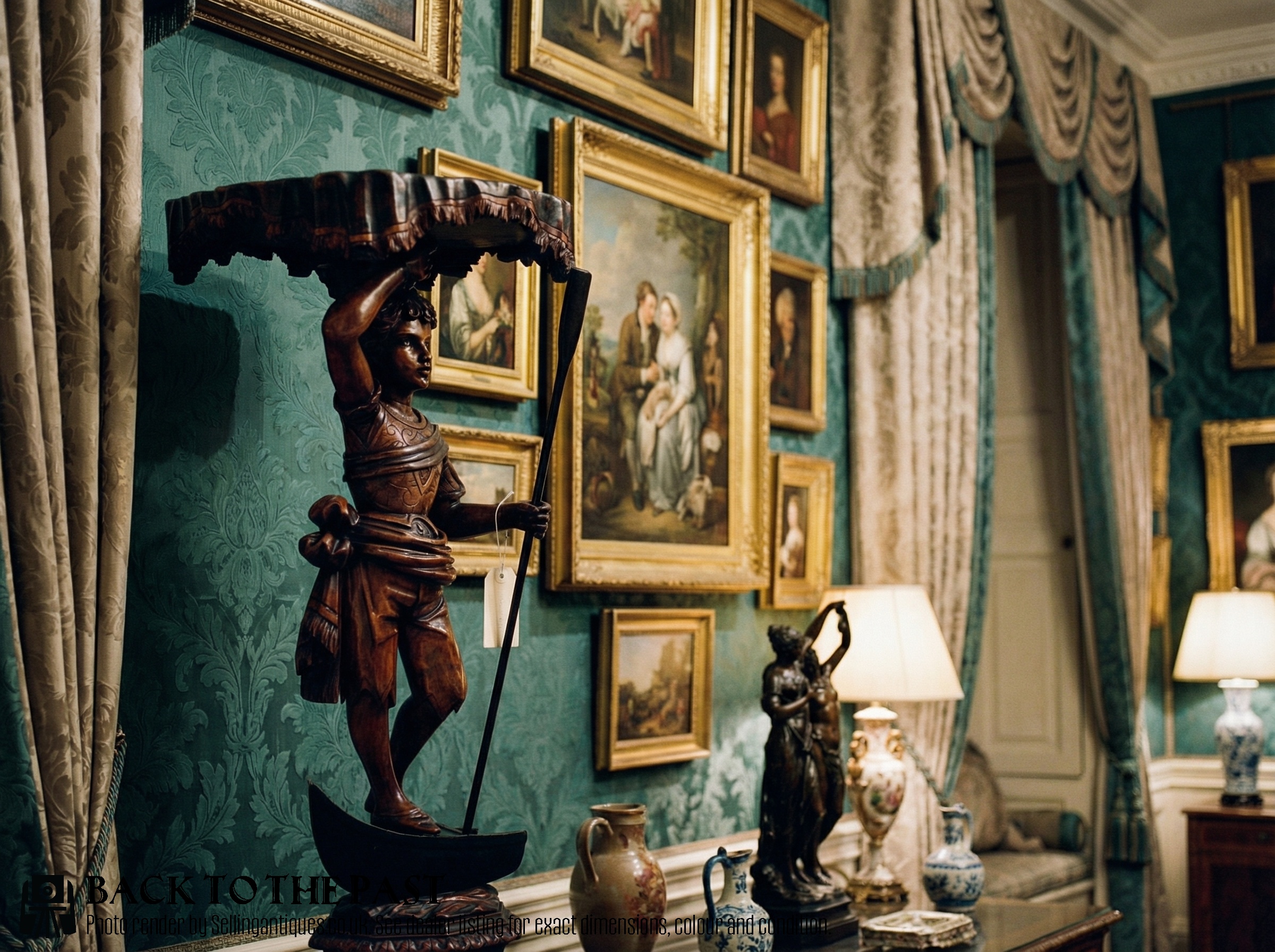
A carved timber display pedestal functions primarily as a raised platform for urns, jardinières, bronzes and botanical specimens. These pieces appear in forms ranging from simple fluted columns to elaborate figural supports, serving domestic display needs across various nineteenth-century interiors.
The selection here draws heavily on nineteenth-century craftsmanship, encompassing Victorian British and European column stands alongside Chinese export hardwood tables. Buyers encounter forms designed specifically as plant stands, torcheres, and occasional tables with inset marble tops.
Geographic origins span from English country houses to Qing Dynasty workshops, with materials shifting according to regional preference. Hardwoods dominate the inventory, accompanied by specialised inclusions such as mother of pearl inlay and painted finishes.
Assessing quality and craftsmanship
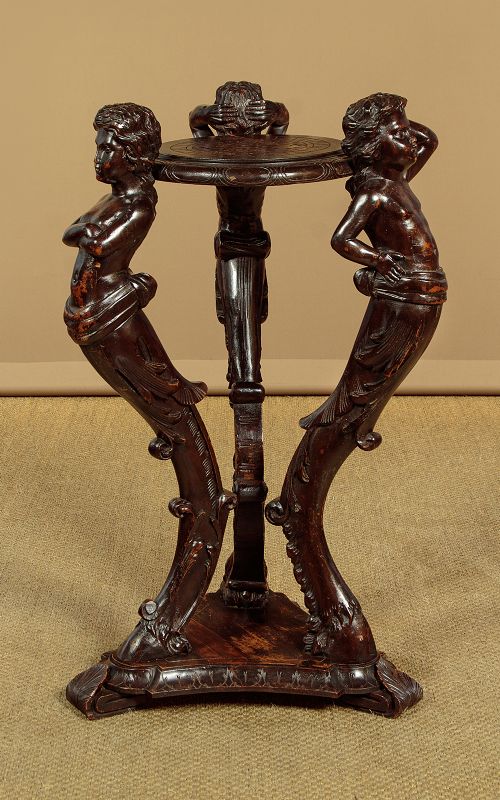
Quality reveals itself in the depth and sharpness of the hand carving, particularly upon figural supports, caryatids and botanical motifs. Finer examples display meticulous undercutting and crisp detailing that separates them from mechanically assisted or routine production.
The choice of material and structural stability dictate the upper tier of the range. Dense native and exotic hardwoods combined with secure joints, well-fitted marble inserts, and balanced proportions mark the superior pieces on offer.
Carved Timber Display Pedestal Retail Price Guide 2026
Typical asking prices for carved timber display pedestal among the pieces listed under this phrase on Sellingantiques today, from the lower quarter to the upper quarter. They describe what is for sale here now, not the wider market.
At least one nineteenth-century pair includes a secret compartment, proving that display furniture sometimes held private surprises.
The Carved Timber Display Pedestal Glossary
- Torchere
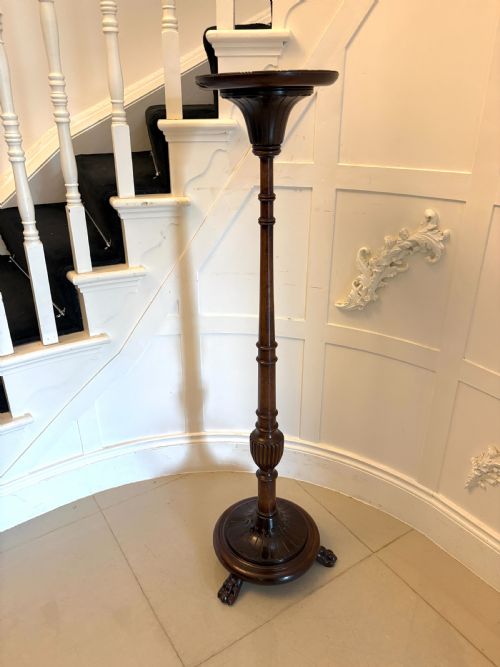
- A tall stand designed to support a candelabrum or lamp. These slender supports frequently feature carved columns or figural shafts.
- Jardiniere
- A decorative pot or stand intended for holding plants and flowers. They often incorporate water-resistant marble tops to handle damp pots.
- Caryatid
- A sculpted female figure serving as an architectural support taking the place of a column. They appear frequently on nineteenth-century figural pedestals.
- Blackamoor
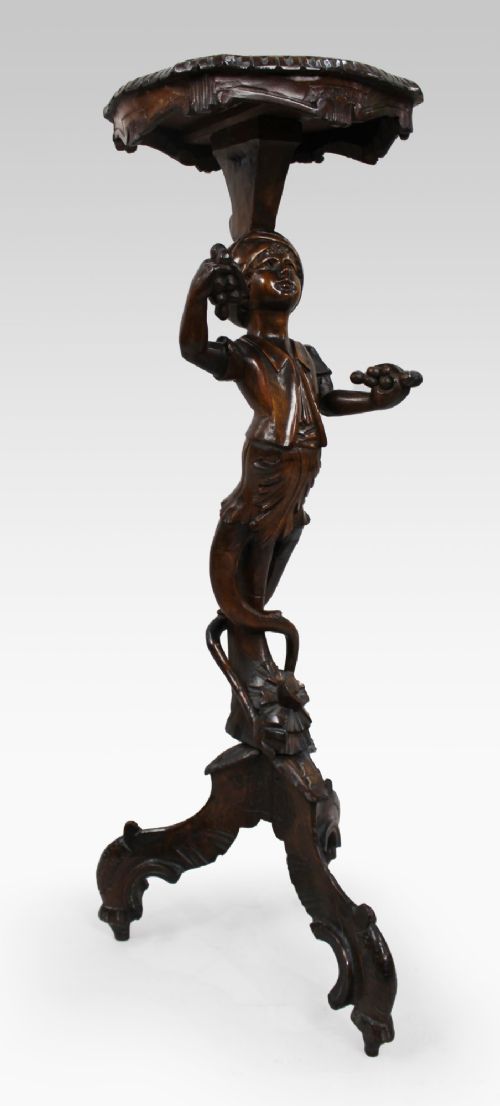
- A historical term applied to decorative figures carved as attendants or supports, typical of nineteenth-century European taste.
- Inlay
- A technique where pieces of contrasting material, such as mother of pearl, are set into recesses flush with the timber surface.
Carved Timber Display Pedestal: Frequently Asked Questions
What is the main purpose of these stands?
These pieces elevate decorative objects, urns, and plants to eye level within a reception room or hallway. They provide both a stable platform and a distinct sculptural element.
Historically, they allowed homeowners to display imported porcelain and botanical specimens where lighting and visibility were optimal.
How do I distinguish Chinese export pieces from European ones?
Chinese export stands typically utilise dense native hardwoods like huanghuali or zitan, often featuring marble inset tops and intricate pierced aprons. European examples lean towards mahogany, walnut, and oak with classical revival motifs.
Examination of the jointing methods and carving styles usually confirms the regional workshop origin.
Can these pedestals support heavy stone sculptures?
Most solid hardwood and marble-topped columns easily accommodate substantial bronze or marble figures. The weight capacity depends upon the internal core structure and the width of the base.
Symmetrical column designs offer the highest structural stability for heavy items.
Where should I place a column pedestal at home?
Corners, empty wall spaces, and entrance halls serve as ideal locations to display a standalone pedestal without obstructing movement. Placing them near natural light enhances the carved details of the timber.
Pairing matching columns on either side of a doorway creates a balanced architectural arrangement.