



19th Century Italian Carvings
These 19th century italian carvings bring classical mythology, grand tour souvenirs and baroque revival grandeur directly into a room.
19th Century Italian Carvings
When you search for 19th century italian carvings, you encounter a diverse array of sculptural works ranging from Grand Tour souvenirs to large architectural panels and garden statues. These pieces reflect the rich heritage of Italian craftsmanship spanning periods from the early eighteen-hundreds through to the early decades of the twentieth century.
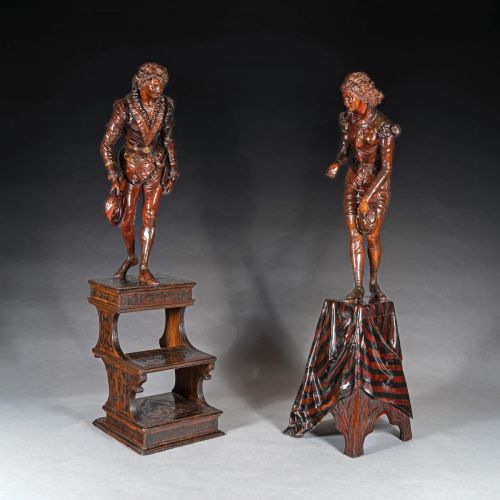
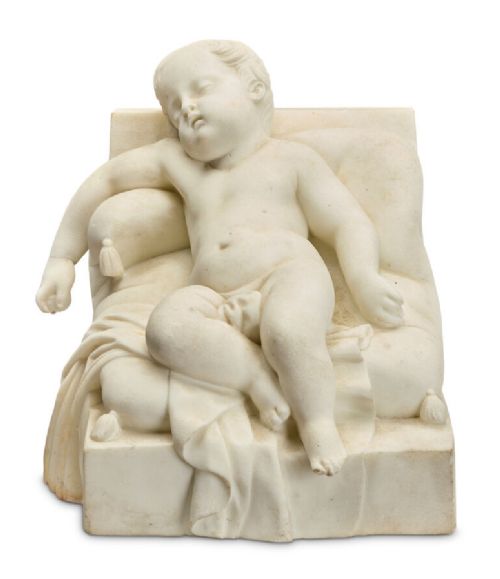
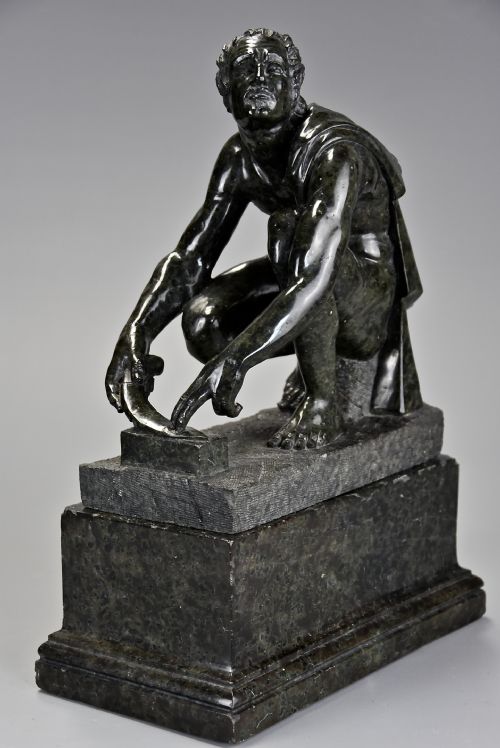
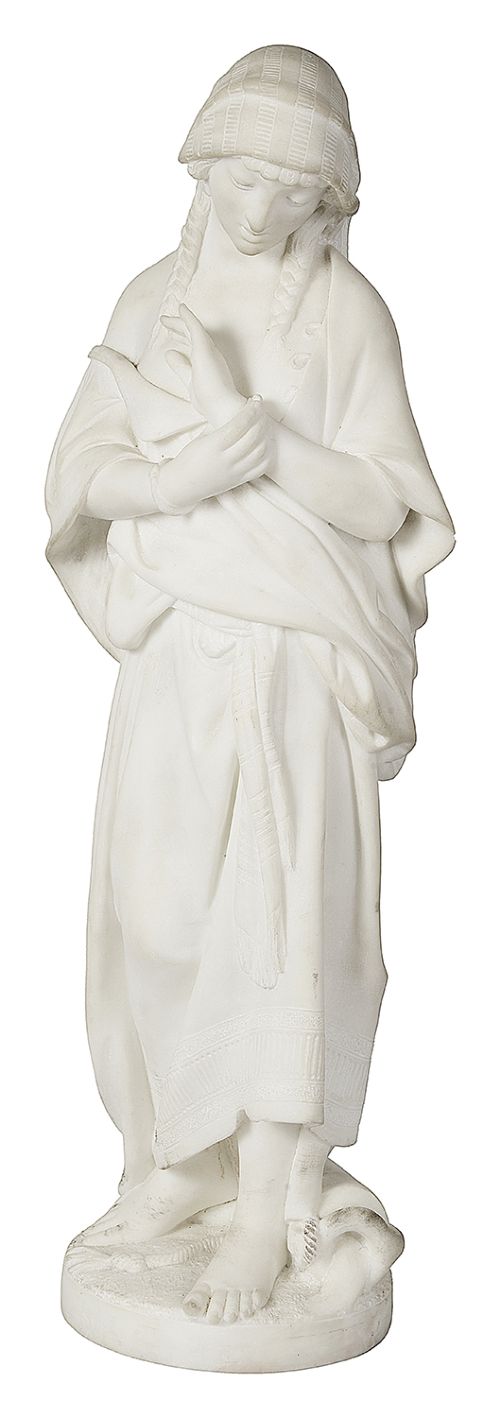
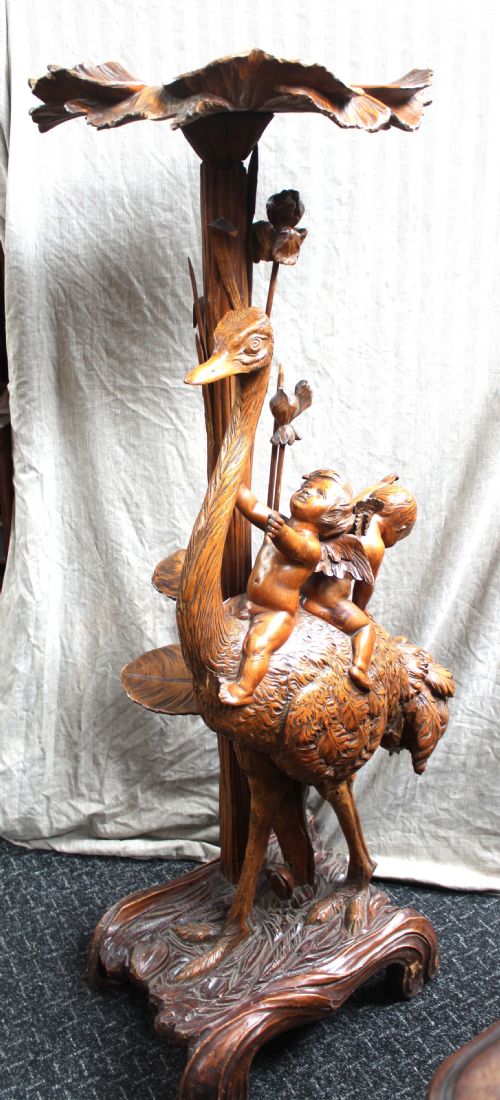
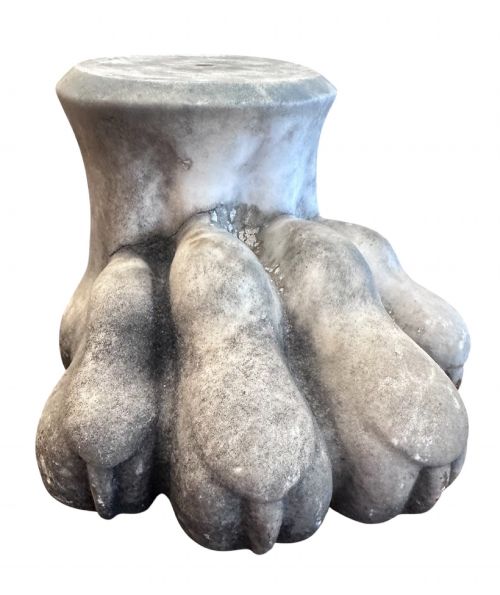
The objects on this page most commonly take the form of freestanding marble figures, carved alabaster groups, and detailed wood reliefs. Subjects stretch from mythological figures and classical lions to putti, religious angels, and portrait busts.
Origins are distinctly Italian, drawing upon workshops in Florence, Rome, and Venice. Buyers find everything from intimate tabletop pieces to substantial pedestals, architectural salvage, and wall plaques.
How they were made
Surface treatments included polychrome paint, original gold leaf, and polished stone finishes that accentuated the natural grain of serpentine or verdo prato marble. Some wooden elements, such as cart fragments and wall plaques, combined relief carving with applied pigments.
Materials represented across these listings include Carrara marble, serpentine, alabaster, walnut, mahogany, and polychrome paint.
What varies in quality
The distinction between standard workshop production and masterwork execution rests in the anatomical precision and the fluidity of the carving. Superior pieces demonstrate crisp undercut details in hair, fabric folds, and feathered wings rather than generalized smoothing.
Signatures from recorded sculptors and documented foundry or studio attributions elevate the standing of a piece. The choice of material also dictates quality, with flawless translucent alabaster and richly figured marbles commanding greater appreciation.
Barranti·Valentino Besarel·Pugi·Eduardo Giolli·Ferdinando Vichi·Luigi Frullini
The 19th Century Italian Carvings Glossary
- Grand tour
- A cultural journey of Europe undertaken by wealthy young men in the eighteenth and nineteenth centuries, resulting in the acquisition of classical sculpture and architectural models.
- Carrara marble
- A type of white or blue-grey marble from the city of Carrara in Tuscany, prized since ancient times for use in monumental sculpture.
- Putti
- Representations of chubby male infants, frequently winged, appearing in classical and renaissance art and popular in nineteenth-century revival sculpture.
- Alabaster
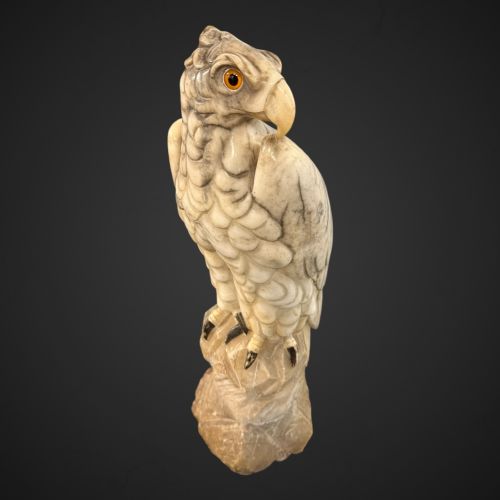
- A fine-grained, translucent stone that is relatively soft to carve, often utilised for delicate nineteenth-century figural groups and portrait busts.
19th Century Italian Carvings: Frequently Asked Questions
Where were these carvings originally displayed?
Nineteenth-century Italian sculptures and reliefs decorated the interiors of grand palazzos, private libraries, and drawing rooms across Europe.
Many smaller marble and alabaster figures served as tabletop ornaments brought home by travellers completing continental tours.
How do I distinguish marble from alabaster?
Marble is a hard, crystalline metamorphic rock that resists scratching and often exhibits pronounced veining. Alabaster is significantly softer, highly translucent when held to light, and typically has a smoother, waxier feel.
Alabaster pieces generally feature more delicate undercutting due to the ease of working the stone.
What subjects are most common?
Classical mythology dominates the figural works, including representations of lions, eagles, and figures derived from ancient statues. Religious subjects such as putti and alter angels also appear frequently in both wood and marble.
Portrait busts and genre scenes depicting everyday Italian life represent another substantial category.
How should I care for marble and alabaster?
Dust these sculptures regularly with a soft, dry cloth to prevent particulate buildup in recessed carved details. Avoid using water, household cleaners, or chemical solvents, particularly on alabaster, which is porous and sensitive to moisture.
Keep pieces away from direct sunlight and sudden temperature fluctuations to preserve the polished surfaces.