






Pair of Carved Medallions
A pair of carved medallions brings classical form and relief detail into a room, offering symmetrical elegance for wall or seating display.
Pair of Carved Medallions
A pair of carved medallions represents a distinct category of decorative objects found in sculptural wall plaques and the medallion backs of seating.
The pieces appearing on this page stretch across the nineteenth and early twentieth centuries, spanning periods from the eighteenth century to the Edwardian era.
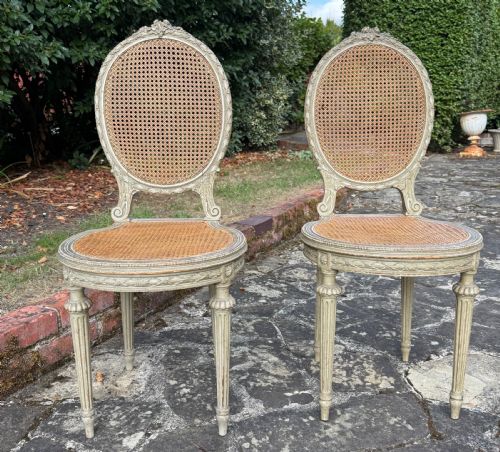
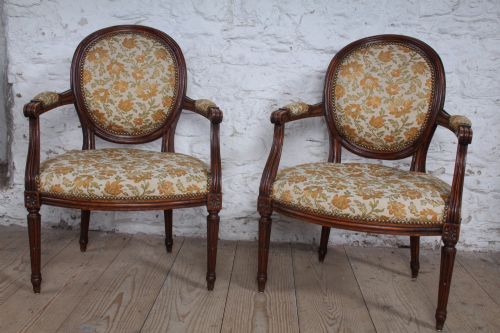
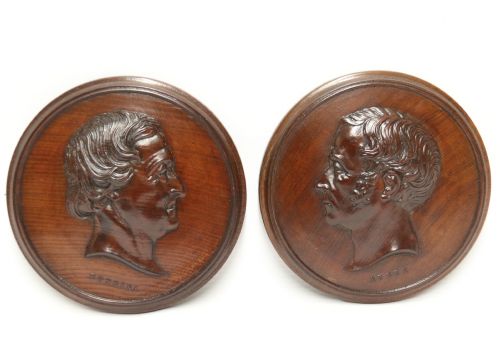
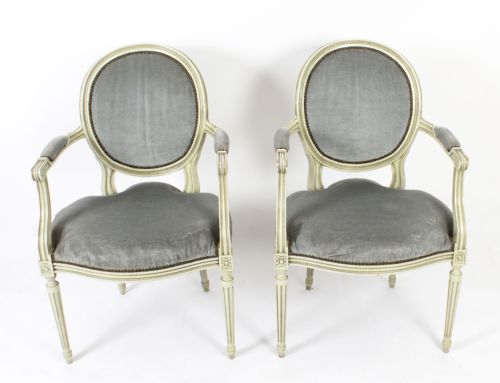
Buyers will encounter items ranging from Italian mahogany and marble bas-relief profiles to French Louis XVI revival armchairs featuring carved medallion backs.
Materials and construction methods
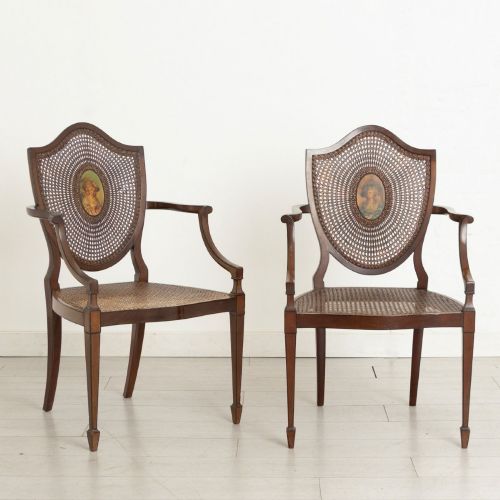
The physical evidence demonstrates the use of carved wood, including painted wood and solid mahogany, alongside carved marble cameo bas-relief portraits.
Makers shaped these materials through hand carving, producing low and high relief profiles of Roman emperors, classical subjects, and ornamental frames.
Some nineteenth-century travellers brought home carved marble portraits of Roman emperors to prove they had successfully survived the Grand Tour.
Factors of quality and distinction
The standard of carving distinguishes the simpler decorative items from finely detailed works like Italian Grand Tour souvenir portraits or French revival chair frames.
Material selection also dictates the character of each piece, contrasting solid mahogany and carved marble against painted wood surfaces.
The Pair of Carved Medallions Glossary
- Bas-relief
- A sculptural technique where the figures project only slightly from the background plane, commonly seen in carved profile portraits.
- Medallion
- A circular or oval ornament, often containing a portrait or decorative carving, used on walls or integrated into furniture frames.
- Louis XVI Style
- A neoclassical design vocabulary characterised by straight lines, symmetry, and classical motifs, frequently referenced in chair frames.
- Grand Tour
- A cultural journey undertaken by nineteenth-century travellers who collected souvenirs such as carved marble cameo portraits.
Pair of Carved Medallions: Frequently Asked Questions
What are carved medallions?
These pieces are decorative circular or oval works carved in relief, appearing either as standalone wall plaques or as the oval backrests of chairs.
They draw on classical motifs and styles like Louis XVI revival, reflecting historical periods from the eighteenth century through to the early twentieth century.
How were these items used?
Wall plaques and marble bas-relief portraits were mounted directly onto interior walls as decorative art or collected as souvenirs from travels.
Items integrated into armchairs and hall chairs served both a functional seating purpose and a decorative role within period salons and bedrooms.
Which materials are most common?
The listings show a reliance on natural woods, specifically solid mahogany and painted wood, which form the structure for both plaques and chair frames.
Other examples incorporate carved marble for detailed portrait profiles of Roman emperors.
How do I identify the period?
Dating relies on the stylistic markers present in the carving, such as French neoclassical details from the Edwardian era or nineteenth-century Italian workmanship.
Furniture pieces often align with early twentieth-century revivals of eighteenth-century French design idioms.