


19th Century Iron Stand
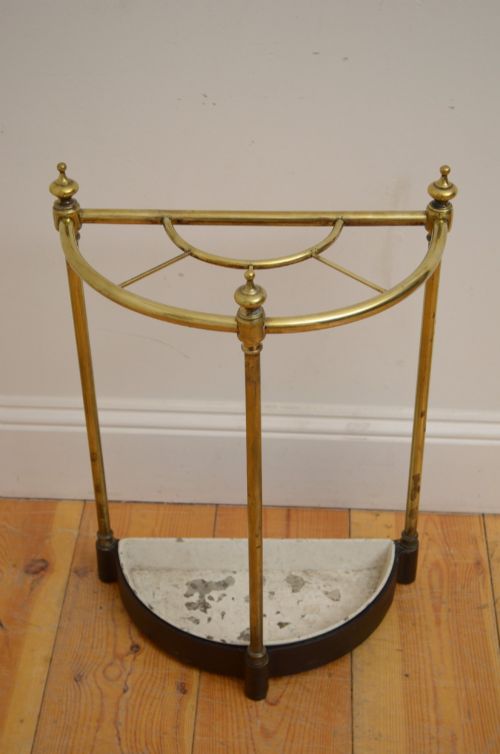
A 19th century iron stand brings industrial utility and decorative structure into a room, offering robust support for plants, umbrellas or lanterns.
19th Century Iron Stand
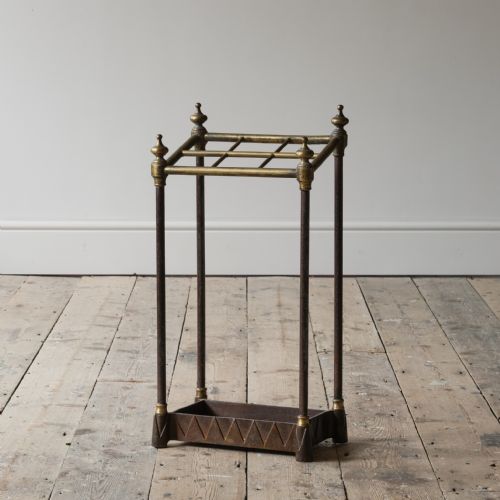
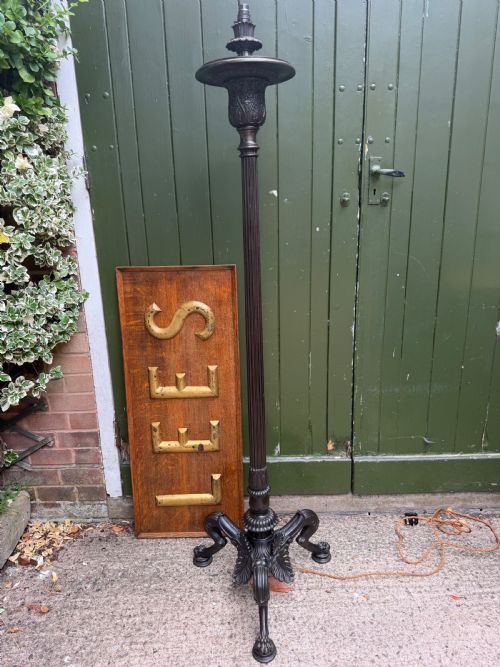
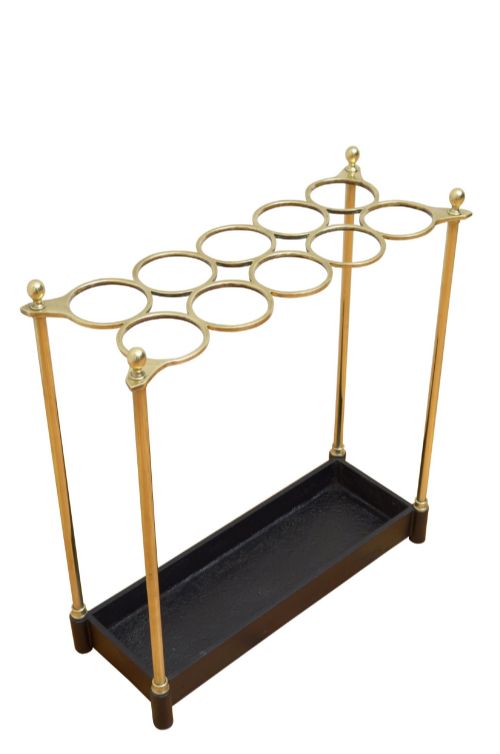
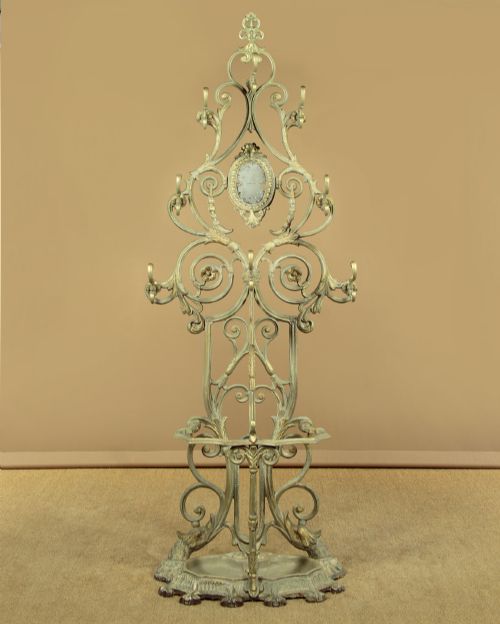
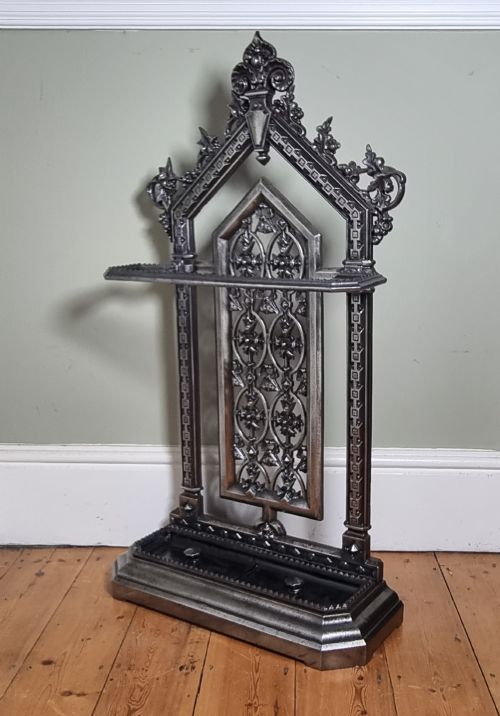
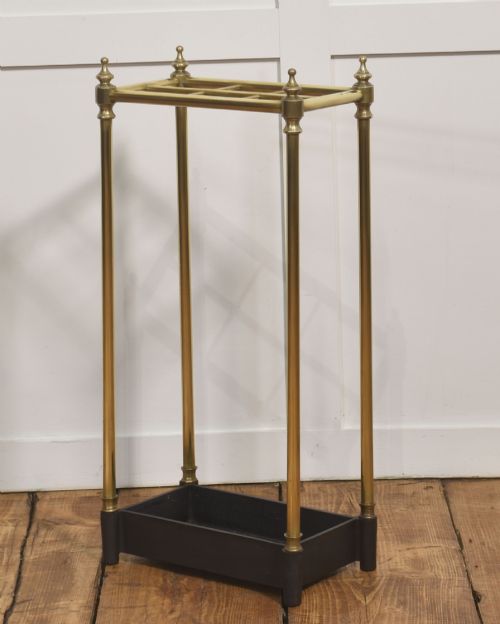
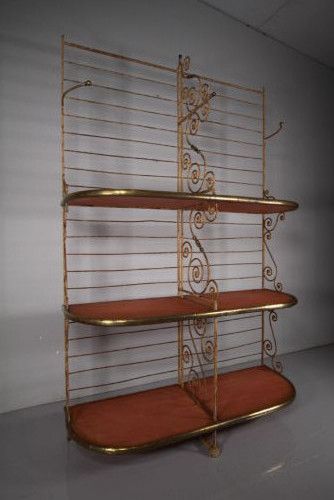
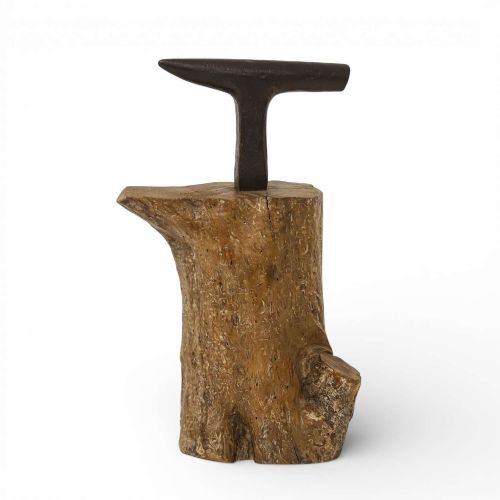
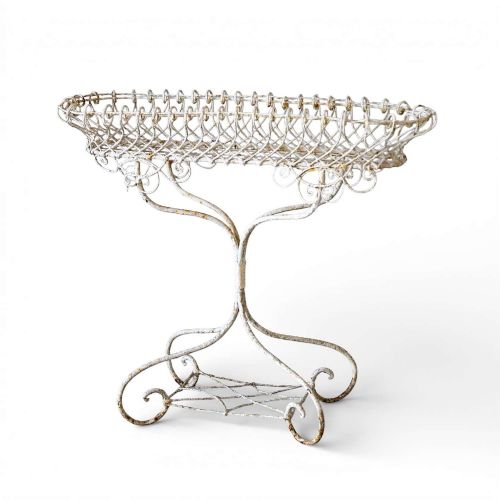
A 19th century iron stand encompasses utilitarian holders and display furniture made predominantly from cast or wrought iron during the Victorian and surrounding eras. Buyers encounter umbrella and stick stands most frequently, alongside plant stands, jardiniere holders, bakers racks and heavy workshop anvils mounted for display.
These pieces served domestic, garden and commercial purposes, ranging from hallway umbrella racks to kitchen saucepan holders and conservatory plant displays. The forms reflect the period need for sturdy, functional metalwork shaped by industrial expansion and decorative revival styles.
Originating largely from British and continental European foundries, surviving examples combine heavy structural framing with intricate decorative casting or hand-forged scrollwork. They provide durable utility while functioning as sculptural focal points in hallways, gardens and living spaces.
How they were made
Foundries produced cast iron components by pouring molten metal into sand moulds, allowing for repeatable decorative patterns such as faux bamboo, gothic tracery or figural motifs. Wrought iron pieces relied on blacksmiths heating and hammering bars into scrollwork, lattice baskets and structural frames.
Makers integrated brass elements, painted finishes, bronze patination and wooden or marble tops to add contrast and refinement to the base iron structure. Surface decoration often included protective coats of paint or verdigris treatments to withstand damp conditions in halls and gardens.
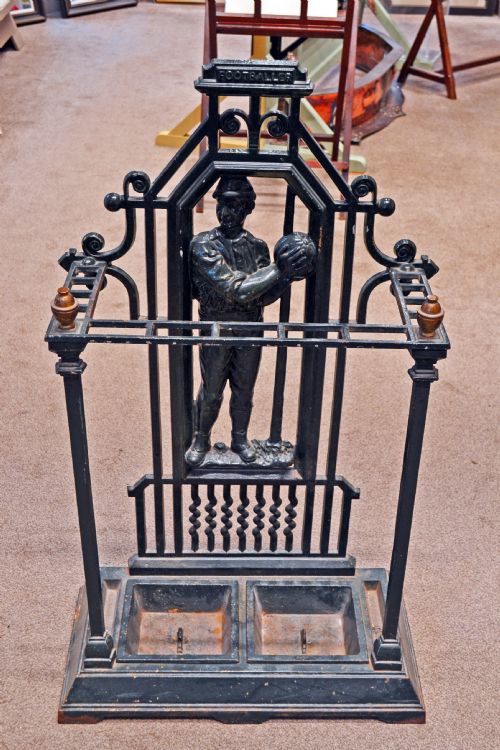
Among the heavy metalwork, an unexpected cast iron footballer stands ready to hold walking sticks.
What varies in quality
Quality depends on the crispness of the casting detail and the complexity of the ironwork, where sharp definition in moulded foliage or figural scenes distinguishes superior foundry work from plain utility pieces. Heavier, thicker metal gauges and robust structural joints separate durable architectural stands from lighter, more brittle items.
The reputation of the maker and the intentionality of the design, whether embracing Gothic Revival, Aesthetic Movement or classical principles, elevate certain examples above standard utilitarian production.
Corneau Freres Charleville·Falkirk Ironworks·Kenrick and Sons·Zimmermann
The 19th Century Iron Stand Glossary
- Cast iron
- A hard, relatively brittle alloy of iron and carbon that can be poured into moulds to create complex decorative shapes and heavy structural frames.
- Wrought iron
- Tough, malleable iron worked by hand with a hammer and anvil, typically characterised by visible forging marks and linear scrollwork.
- Jardiniere
- An ornamental pot or stand designed to hold large indoor plants or floral displays.
- Gueridon
- A small round table, frequently supported by a central iron pedestal or tripod base.
- Pricket candlestick
- A candle holder featuring an upright metal spike that pushes directly into the base of the candle.
19th Century Iron Stand: Frequently Asked Questions
How are umbrella stands cleaned?
Dust accumulated in intricate scrollwork or drip trays can be removed using a soft brush and dry cloth without disturbing original painted or patinated surfaces.
Moisture should be avoided on unsealed iron to prevent fresh oxidation, and protective wax may be applied sparingly where appropriate.
Can these stands be used outdoors?
Many cast and wrought iron pieces were originally built for garden or conservatory use and tolerate outdoor placement well if monitored for weathering.
Sheltered positions help preserve historical painted surfaces and prevent accelerated corrosion on unprotected iron.
How do you date a cast iron stand?
Dating relies on stylistic clues such as Victorian Gothic Revival motifs, registration diamond marks, or factory stamps identifying specific mid-to-late nineteenth-century foundries.
Construction methods, including the transition from hand-forged wrought elements to mass-produced cast components, also provide chronological markers.
What is the difference between cast and wrought iron?
Cast iron is poured into moulds while liquid, resulting in heavier, more rigid forms with detailed decorative relief surfaces.
Wrought iron is shaped manually while hot, yielding fibrous structures and flexible elements like curved scrolls and forged brackets.