
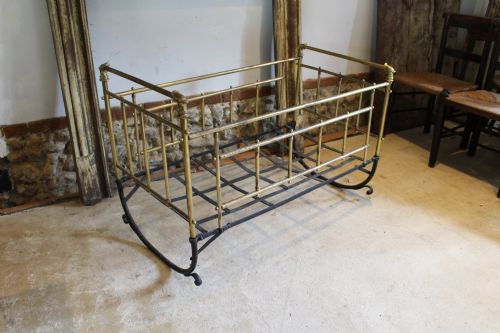


19th Century Iron Bedstead
A 19th century iron bedstead offers robust metal construction and distinctive period character, providing a sturdy and stylish centrepiece for a traditional bedroom.
19th Century Iron Bedstead
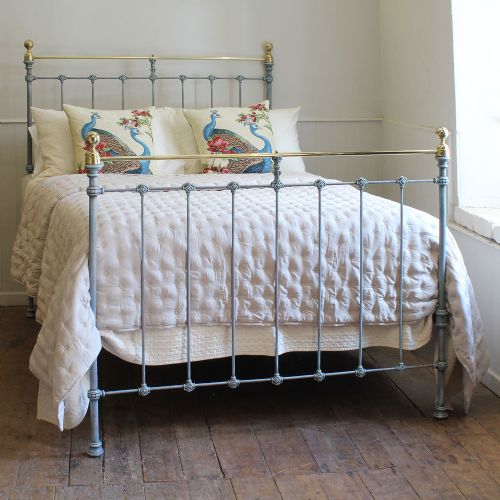
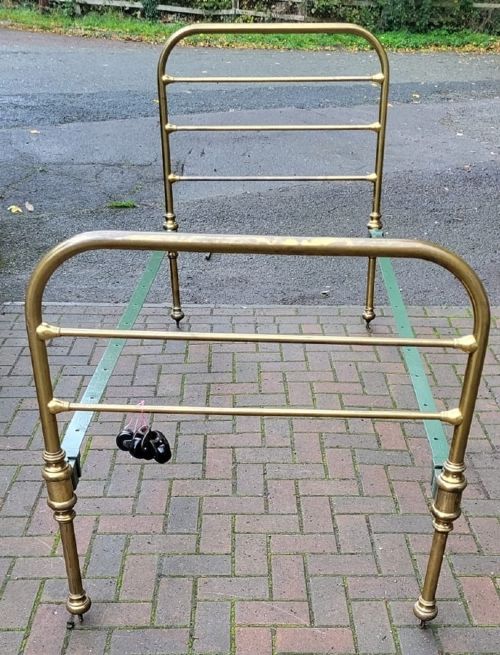
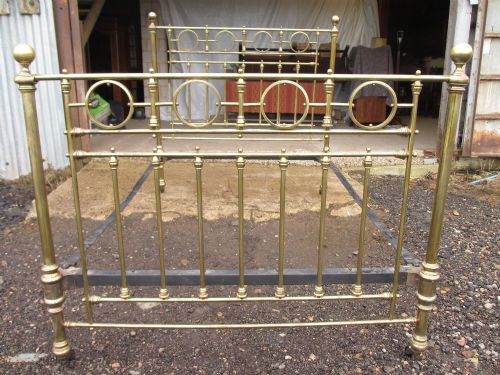
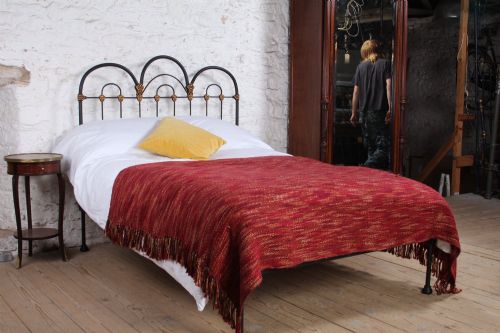
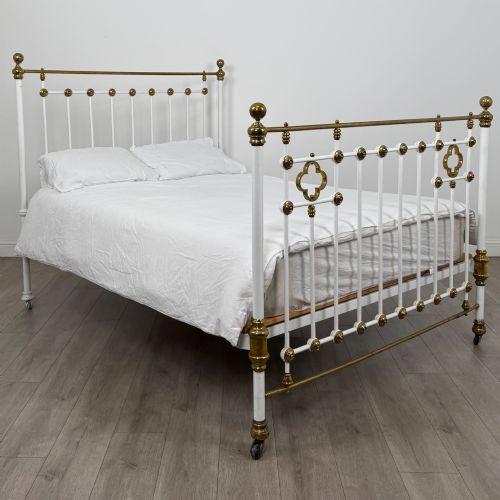
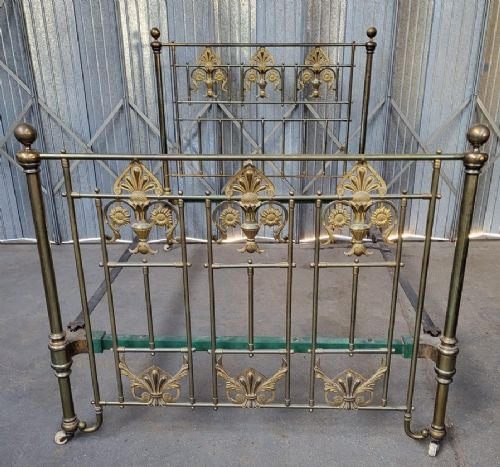
A 19th century iron bedstead is a durable sleeping frame constructed primarily from cast iron, wrought iron, and sheet metal, often combined with polished brass details. These pieces span single, double, king, and super king sizes, along with occasional cots and cradles designed for infants.
Most examples encountered on this page date from the Victorian period through to the turn of the twentieth century, reflecting a distinct era of metalworking. Regional variations appear alongside domestic English styles, including Austrian, Italian, and French country designs that introduce unique decorative forms.
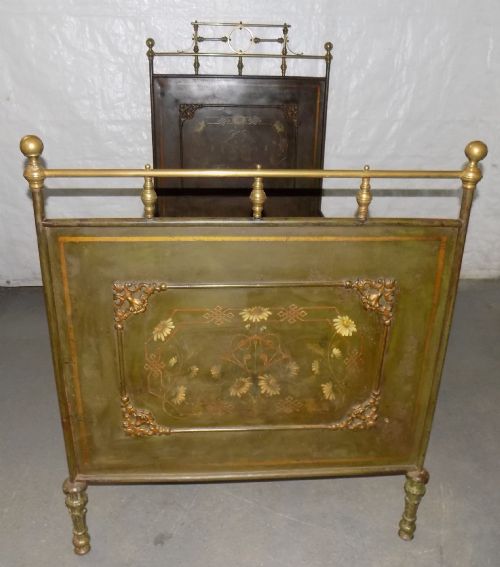
Buyers will find frameworks ranging from straight rail double beds to elaborate half tester frames and curvaceous toleware models. Many incorporate slot-in frames set on castors for mobility, finished in black, cream, or painted metal surfaces.
What Varies in Quality
The refinement of the casting and detailing separates standard production models from exceptional artistic commissions. Finer pieces display crisp, intricate mouldings on the ironwork and heavier gauge brass components.
Structural integrity depends on the original construction of the joints and the retention of matching side rails and castors. Original painted finishes or well-preserved patination on the brass and iron indicate superior preservation over time.
Listings feature periods spanning the Victorian era alongside specific dates from 1850 to 1900, utilising cast iron, wrought iron, sheet metal, and brass.
RW Winfield
The 19th Century Iron Bedstead Glossary
- Cast iron
- Iron melted and poured into a mould to form rigid shapes and decorative bed ends. This material provides the heavy, solid structure characteristic of nineteenth century frames.
- Toleware
- Painted or lacquered metalware, often associated with continental European decorative traditions. It introduces colourful floral or patterned surfaces to the bedstead.
- Half tester
- A bed frame featuring a partial overhead canopy attached to the headboard rather than supported by four full posts. This style creates a pronounced focal point in larger bedrooms.
- Slot-in frame
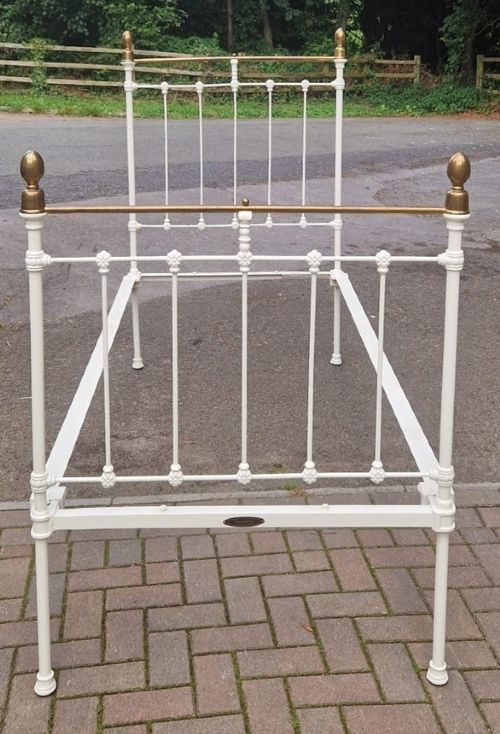
- A modular construction method where side rails slot directly into the headboard and footboard posts. This design allowed for straightforward assembly and dismantling of the heavy metal bed.
- Castor
- A small wheel attached to the base of the legs to allow smooth movement across the floor. They are frequently made of brass or ceramic materials.
19th Century Iron Bedstead: Frequently Asked Questions
How do I assemble an antique iron bed?
Most nineteenth century metal beds utilise a simple slot-in frame design where the side rails wedge securely into the vertical posts of the headboard and footboard. Gravity and the weight of the mattress lock the structure firmly into place.
It is advisable to assemble the bed in its final room position because moving a heavy iron and brass frame once built can strain the joints. Ensure the floor is level so the castors roll evenly.
How do I clean brass and iron frames?
Painted iron surfaces benefit from gentle dusting with a dry cloth and should be kept away from excessive moisture to prevent rust formation. Avoid harsh chemical cleaners that can strip original paintwork or protective coatings.
Brass components can be polished lightly with a specialist metal cleaner if a bright finish is desired, though many collectors prefer to leave an aged patina intact.
Are these beds strong enough for daily use?
Nineteenth century iron and brass bedsteads were engineered for heavy domestic service and remain exceptionally robust structures. Their solid metal construction easily supports modern mattress weights and daily sleeping requirements.
Checking that the side rails are straight and the joints fit snugly will ensure the bed remains stable and secure for regular use.