


19th Century Horology
Nineteenth century horology delivers mechanical precision housed in brass, glass, and mahogany, offering enduring desktop timekeeping.
What 19th Century Horology Is
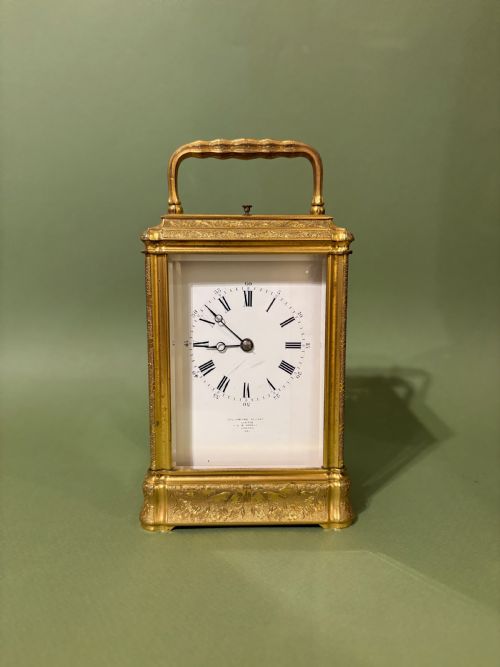
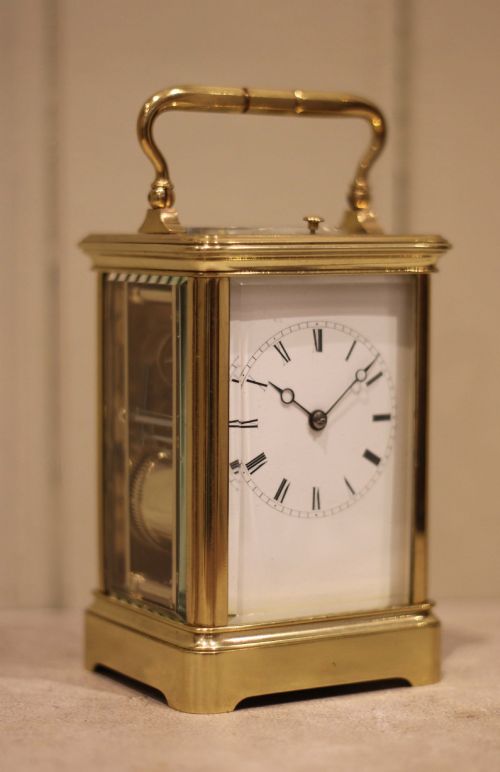
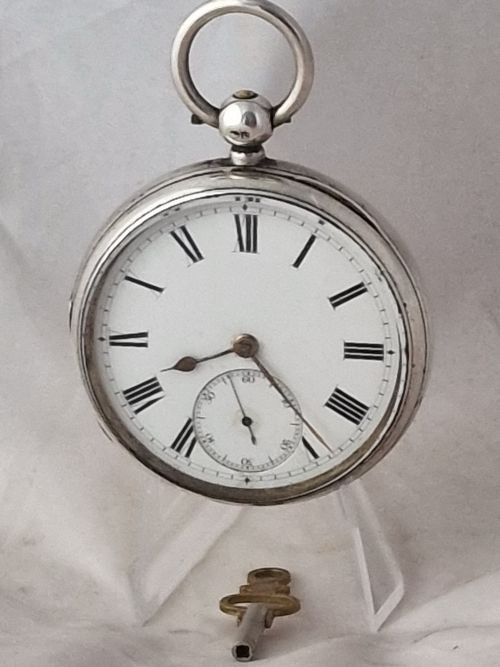
Nineteenth century horology encompasses portable mechanical timekeepers and mantel pieces produced during the Victorian era and the broader nineteenth century. These objects include carriage clocks, library clocks, and bracket clocks designed for travel or domestic placement.
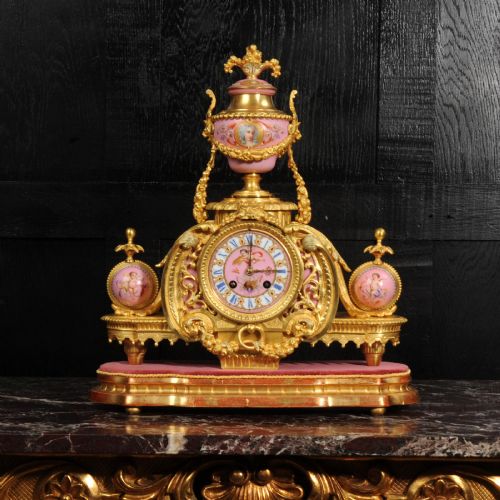
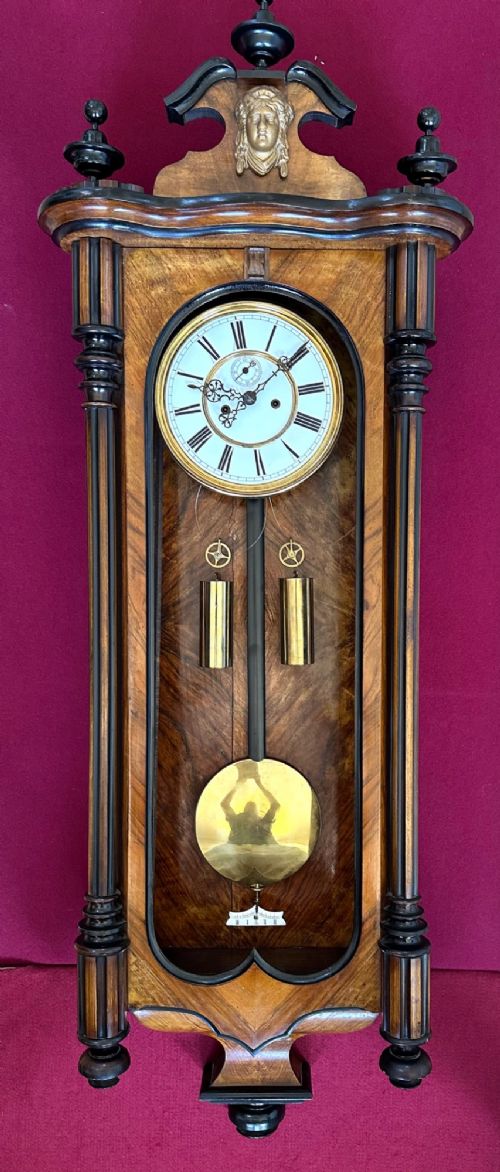
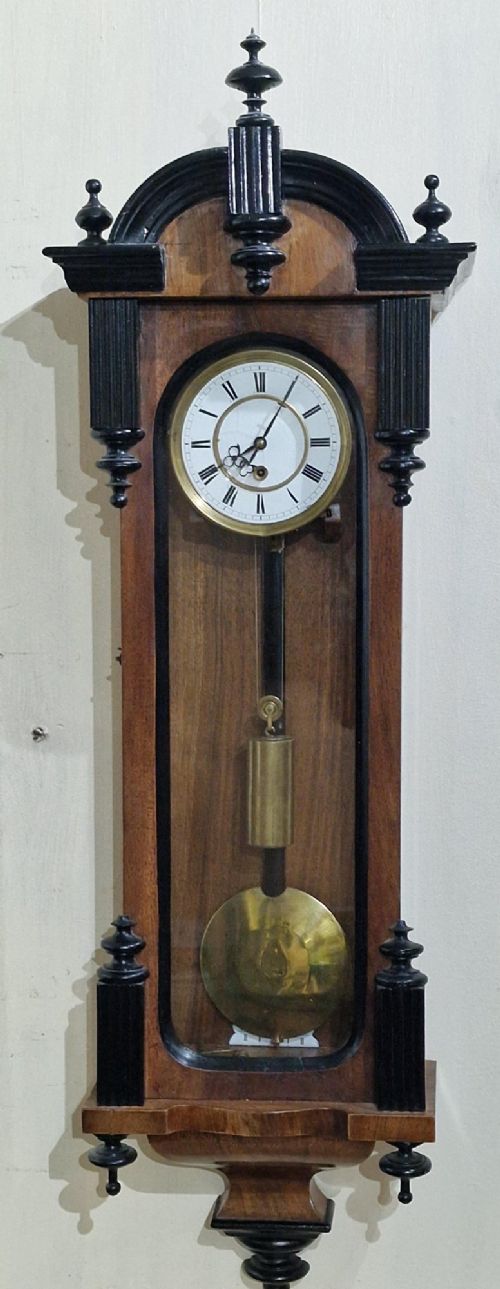
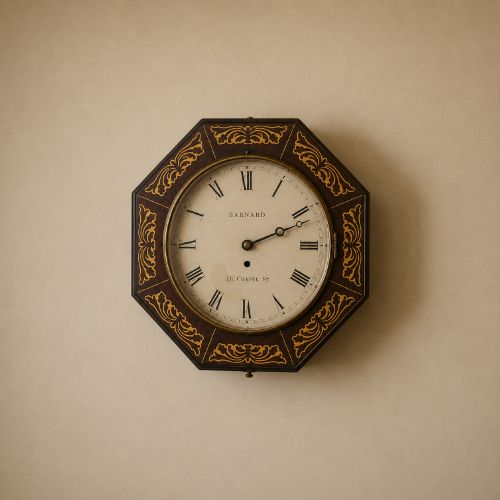
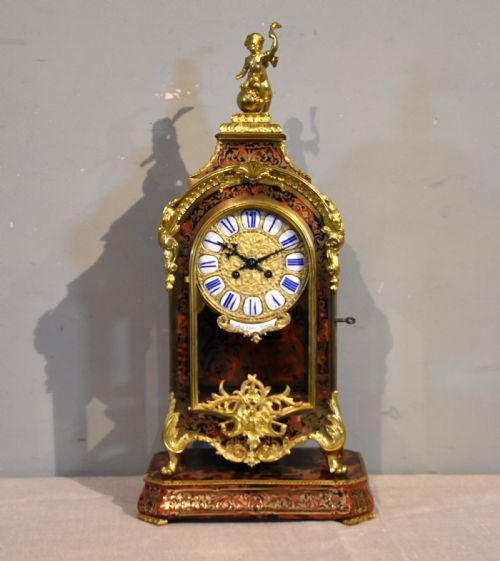
The pieces appearing on this page demonstrate distinct origins, spanning French workshops in Paris and English makers working in mahogany and gilt brass. Styles range from standard Victorian and French nineteenth century designs to Ottoman Revival pieces made for the Turkish market.
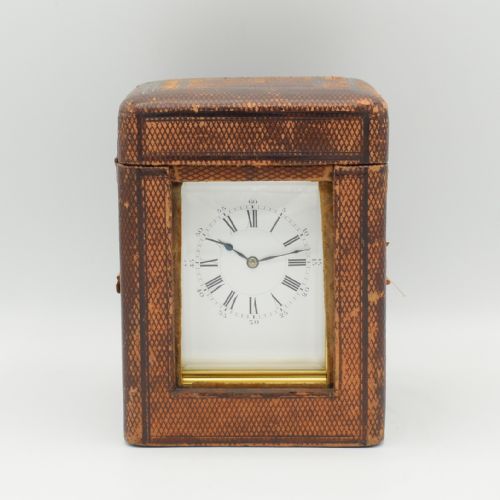
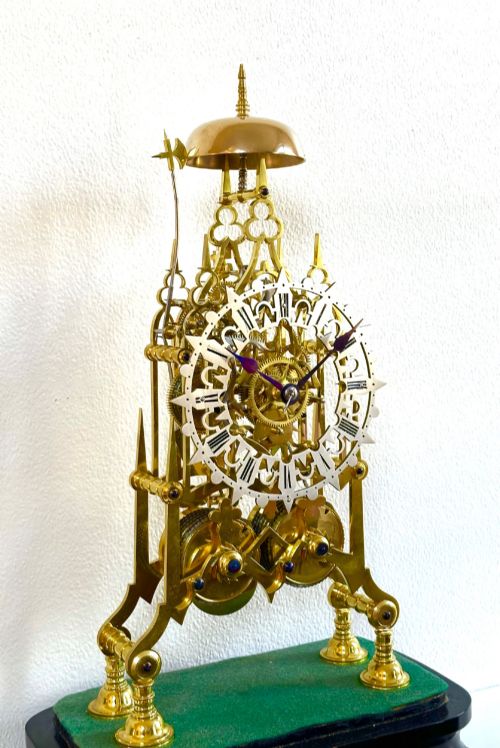
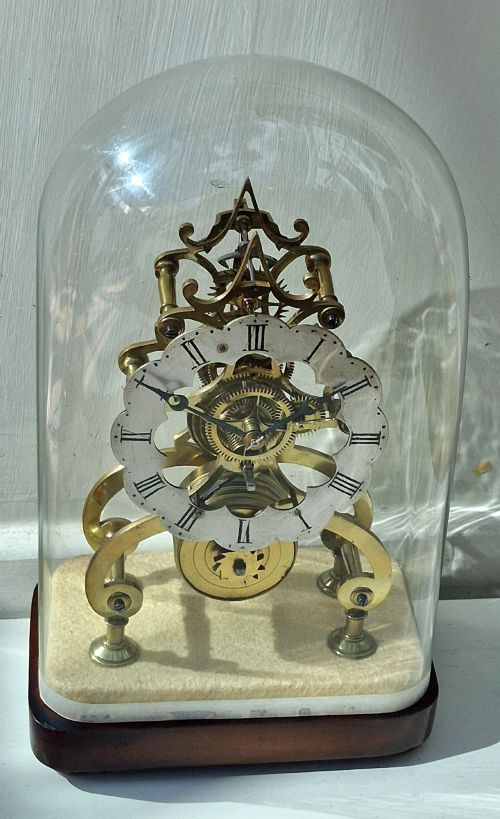
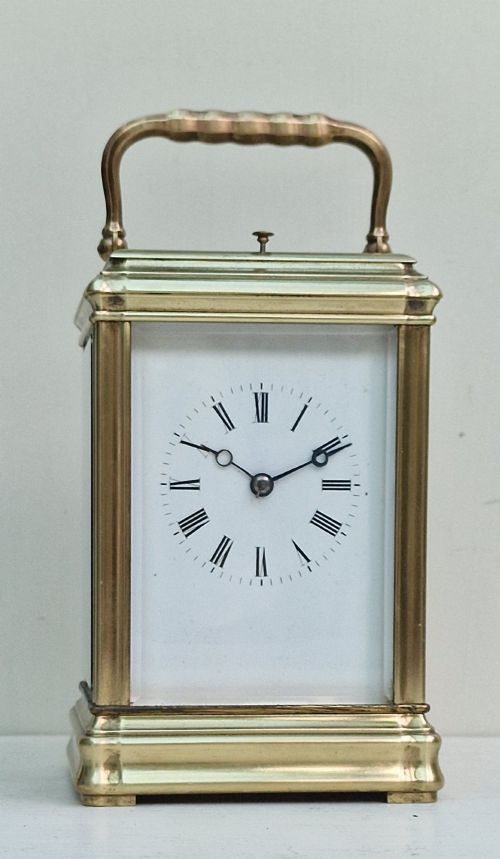
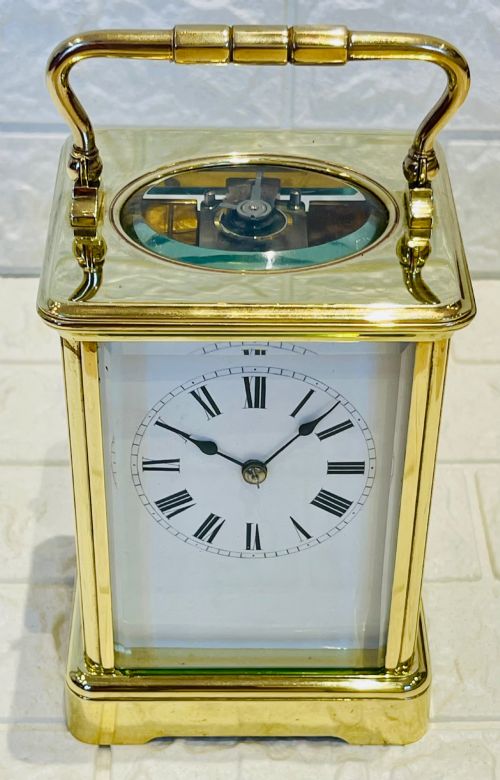
Carriage clocks dominate the selection, featuring glass panels and brass or ormolu frames that reveal the internal escapement. Bracket clocks in mahogany provide an alternative domestic form, relying on fusee movements for regulated power delivery.
How They Were Made
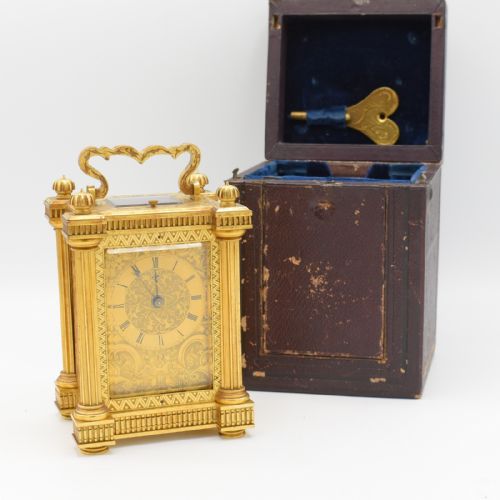
Casing construction combines heavy cast brass, gilt brass, ormolu, and polished mahogany, often paired with bevelled glass windows to protect the movement while revealing the escapement. Leather travel cases frequently accompany portable examples to safeguard the delicate exterior during transit.
Internal mechanisms utilise brass gear trains driven by mainsprings or fusee setups, regulated by balance wheels or pendulum systems. Dials incorporate white enamel with painted numerals, sometimes set within elaborate brass masks or tailored for specific export markets.
Retail Price Guide 2026
Typical UK retail prices for 19th century horology, calculated from the Sellingantiques database of over a million retail prices indexed since 2003. This retail price guide relies exclusively on Sellingantiques data; no external sources or auction records are used, so the figures do not describe the wider market.
Travel clocks from the period often slept in custom leather houses, wrapped up like tiny Victorian aristocrats heading out for a bumpy carriage ride.
What Varies in Quality
Quality rests upon the reputation of the maker and the complexity of the movement, distinguishing standard production items from signed workshop output. Pieces bearing signatures from known horologists reflect superior precision and finishing within the gear train.
The refinement of the exterior housing, from simple brass framing to gilt ormolu mounts and finely fitted mahogany cabinets, dictates the tier of the piece. Enamel dial execution and the inclusion of striking, repeating, or alarm complications further elevate the standard of manufacture.
Henri Jacot Paris·E.J.Dent·Paul Garnier·Barraud and Lunds·Drocourt·E. White
The 19th Century Horology Glossary
- Carriage clock
- A portable spring-driven timepiece designed for travel, typically fitted with a carrying handle and glass panels. These objects emerged in France during the nineteenth century.
- Fusee
- A conical pulley used in mechanical clocks to maintain an even pull on the movement as the mainspring unwinds. This mechanism ensures consistent timekeeping accuracy.
- Ormolu
- Gilt bronze created by applying a finely ground high-carat gold-mercury amalgam to a bronze object. The technique produces a rich golden surface finish on clock mounts.
- Escapement
- The internal mechanism that controls the release of power in a clock, translating rotational force into regulated impulses. It creates the characteristic ticking sound.
Frequently Asked Questions
How do I wind a carriage clock?
Most carriage clocks require a key inserted into the winding squares on the backplate, turned gently until resistance is felt. Care must be taken not to overwind the mainspring.
Portable clocks should remain stationary during winding to prevent damage to the delicate internal balance wheel and escapement assembly.
What is a fusee library clock?
A fusee library clock is a precision timekeeper utilising a fusee chain or cord to equalise power delivery from the mainspring. These domestic clocks were built for desk or table placement.
They represent higher-tier English horological production, focusing on steady timekeeping rather than portable travel convenience.
Why do some clocks have enamel dials?
Enamel dials provide a smooth, durable, and legible surface for painted numerals, resisting tarnishing over decades of exposure. Fused glass powder creates the bright white background.
This technique remained standard practice for nineteenth century horology to ensure high contrast against dark clock hands.
How do strike and repeat complications work?
A striking mechanism sounds the hours automatically using an internal bell or gong regulated by a rack or count wheel. Repeat complications allow the owner to press a button and hear the last hour struck on demand.
These additions required advanced gear arrangements within the clock movement, marking higher-grade workshop output.