




19th Century Hearth Guard
A 19th century hearth guard brings working warmth and decorative presence to the room, keeping stray embers safely contained behind brass or wire mesh.
19th Century Hearth Guard
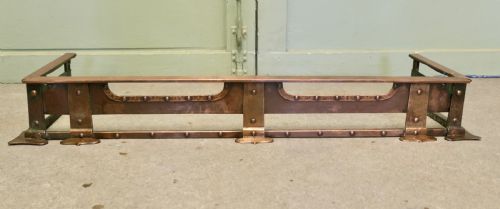
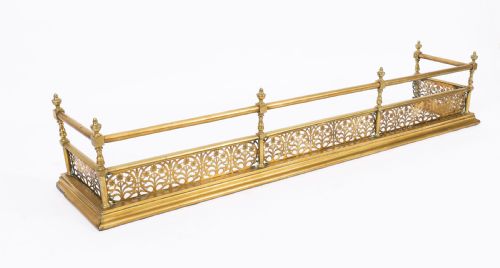
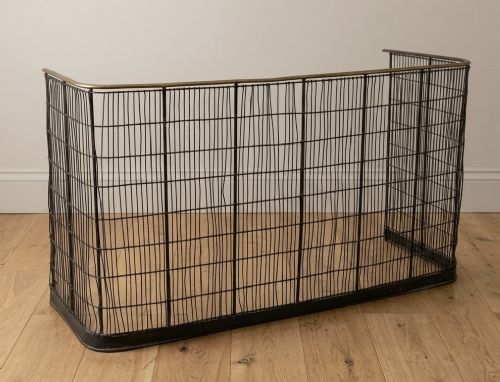
A 19th century hearth guard encompasses the practical metal fenders, kerbs, and folding or standing screens used around coal and wood fires in the Victorian and Regency eras. Buyers searching this phrase encounter low floor-level guards made to keep logs from rolling onto carpets, alongside upright standing screens designed to shield the face from intense radiant heat.
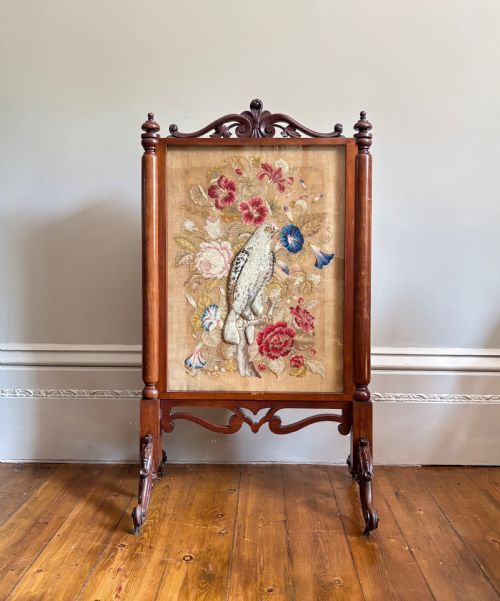
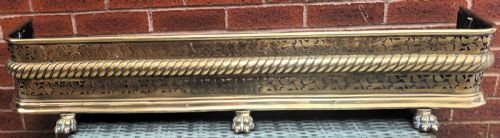
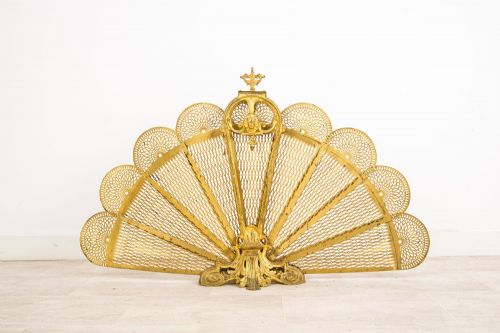
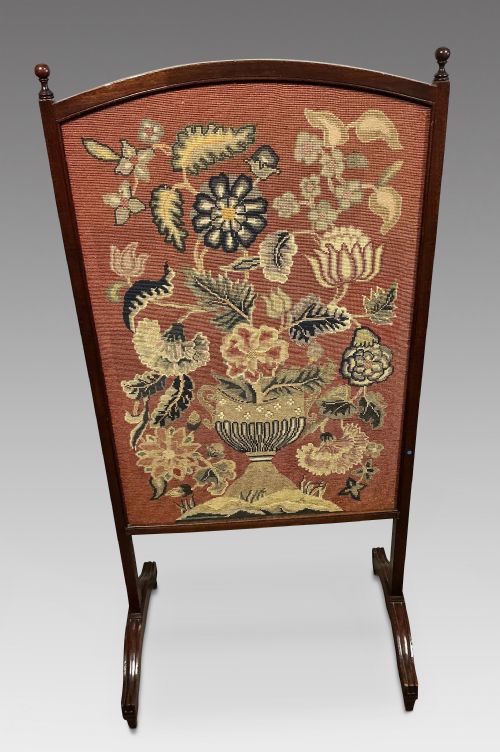
The objects take several distinct forms across this selection, including extending brass fenders, leather-topped club fenders, and intricate folding metal frames. Most pieces date from the Victorian period, utilising durable metals and occasionally incorporating textiles or needlework panels into the frame.
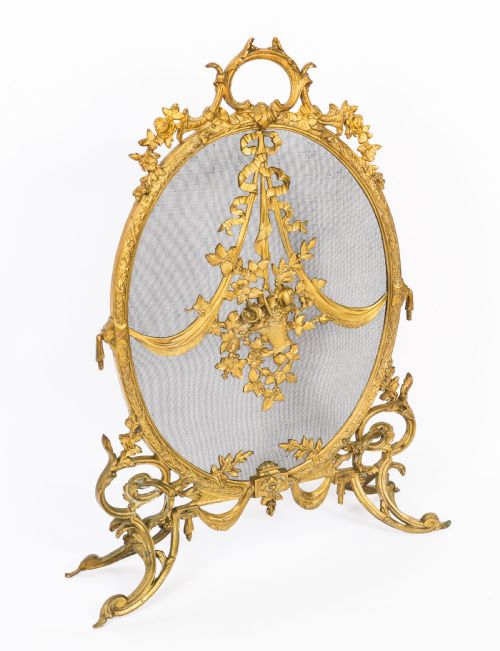
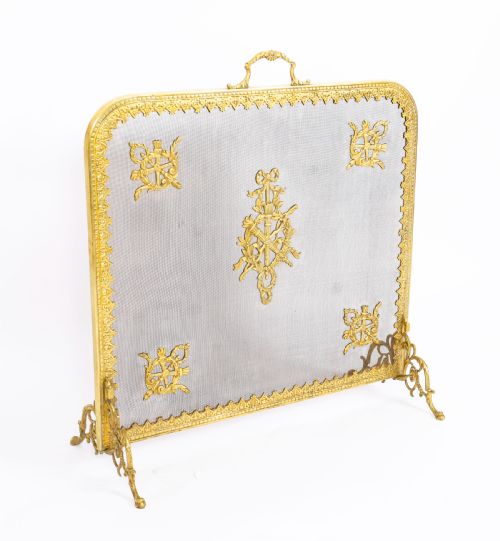
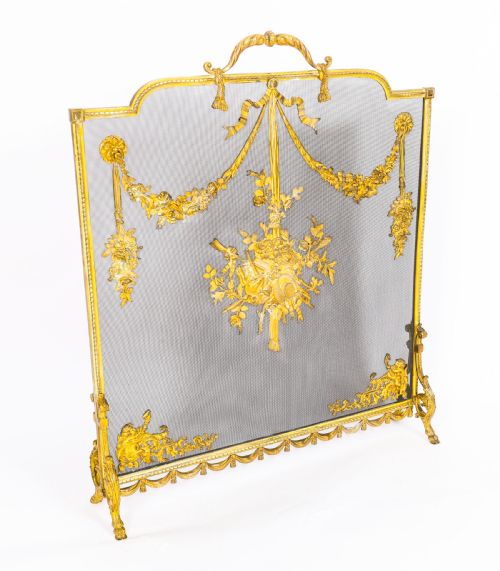
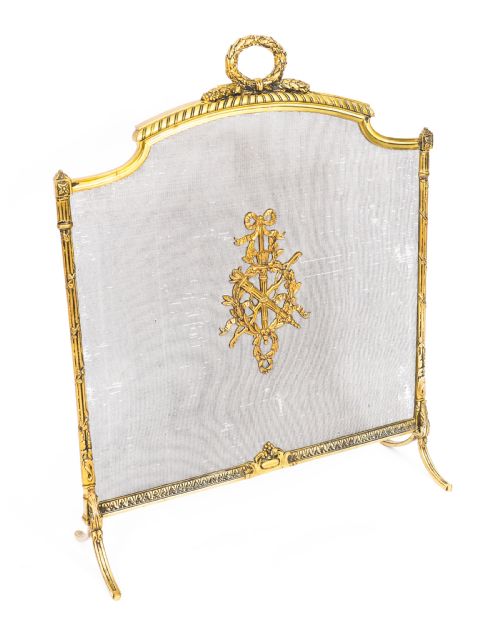
Origin variations are also visible in the inventory, ranging from domestic English brasswork to ornate French Rococo and Empire revival designs in gilt bronze. Whether chosen for a grand drawing room or a modest parlour, each item served the dual purpose of domestic safety and formal interior display.
What varies in quality
The calibre of a piece rests largely on the thickness of the metal gauge and the crispness of the casting. Heavy brass, substantial cast steel, and finely chased gilt bronze separate robust domestic items from lighter utilitarian alternatives.
Refinement in surface decoration and decorative hardware also defines the upper tier. Pierced brass with sharp, clean apertures, detailed applied motifs, and integrated leather or mahogany elements demonstrate superior workshop execution.
Listings feature periods from the Regency era through the Victorian epoch, utilising materials including brass, mahogany, wire mesh, iron, steel, wool, leather, and gilt bronze.
The 19th Century Hearth Guard Glossary
- Fender
- A low metal guard placed around the hearth opening to contain falling coals and ash. These items are frequently made from brass or steel and can be adjustable or fixed in length.
- Club fender
- A low, padded seat built over a metal frame that surrounds the fireplace. They often feature leather or mahogany tops for sitting close to the fire.
- Fire screen
- An upright barrier placed in front of an unused fireplace to block the view of the grate. They are constructed with folding frames, glass panels, or needlework inserts.
- Ormolu
- Gilt bronze ornamentation applied to decorative metalwork and furniture frames. The technique involves a mercury gilding process popular in French revival pieces.
- Berlin work
- A type of nineteenth-century canvas embroidery worked from printed and coloured grid patterns. These needlework panels frequently appeared inside standing fire screen frames.
19th Century Hearth Guard: Frequently Asked Questions
What is a club fender?
A club fender is a specialised hearth guard featuring upholstered or wooden top rails that allow people to sit directly by the fire. They originated in English country houses as a practical way to warm guests.
Versions in the evidence combine robust steel, iron, or brass frames with mahogany tops and leather seating surfaces.
How do I use a fire screen?
Upright fire screens were positioned directly in front of the fireplace opening during warmer months when the fire was not lit. They served to hide the unappealing ash and soot in the grate.
Folding fan designs and standing panels with needlework or glass inserts provided decorative coverage for the hearth.
What is the difference between a fender and a guard?
A fender sits flat on the floor around the perimeter of the hearth to stop rolling logs and contain stray sparks. They are typically fashioned from heavy brass, iron, or steel.
A guard or screen stands upright on legs to protect room occupants from the direct heat and sudden spitting of open coal fires.
How do I date a brass fender?
Dating relies on observing manufacturing techniques, weight, and stylistic indicators such as Regency neoclassical lines or Victorian revival ornamentation. Heavier gauge metals and specific motifs help place pieces within the nineteenth century.
Makers often utilised French Rococo or Empire revival styling that reflects mid to late nineteenth-century interior tastes.