

19th Century Gold Box
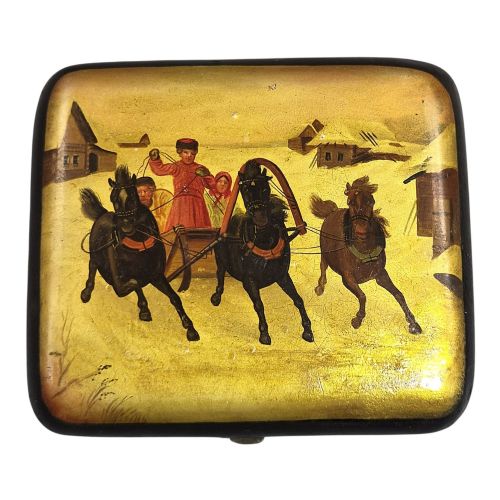
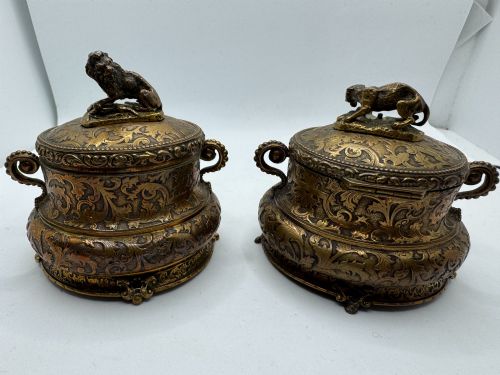
These pieces are a 19th century gold box, small containers crafted to hold snuff, tobacco, or trinkets that appeal to collectors for their fine metalwork and miniature artistry.
19th Century Gold Box
A 19th century gold box encompasses a range of small, precious receptacles designed for personal use, such as snuff boxes, trinket boxes, and small caskets. These items date from various periods within the 1800s, including the Regency and Victorian eras.
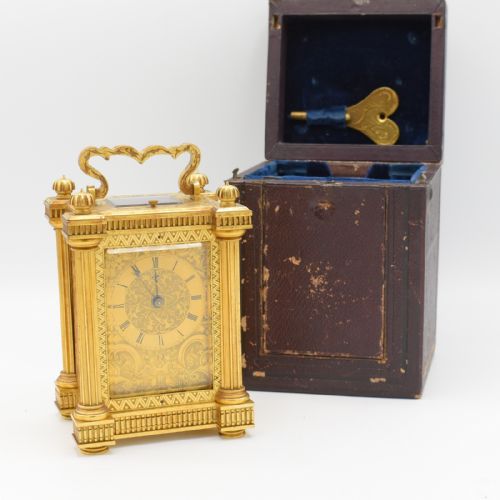
The selections available here frequently feature Continental European craftsmanship, particularly French and Italian pieces, alongside British and Asian examples. Buyers encounter solid gold items as well as pieces constructed from alternative materials with gold leaf, gilt mounts, or gold-mounted hardstones.
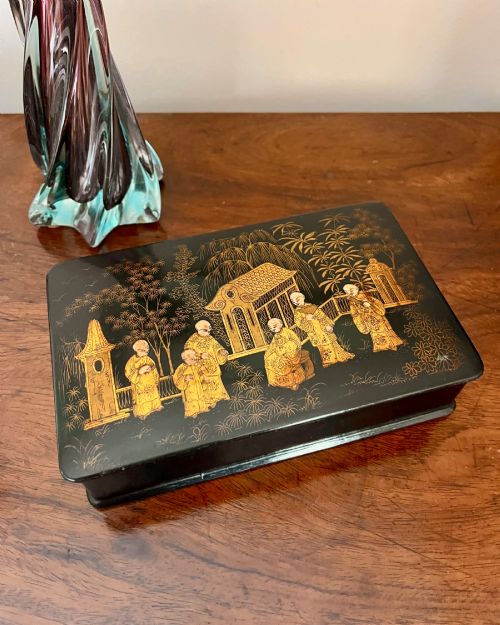
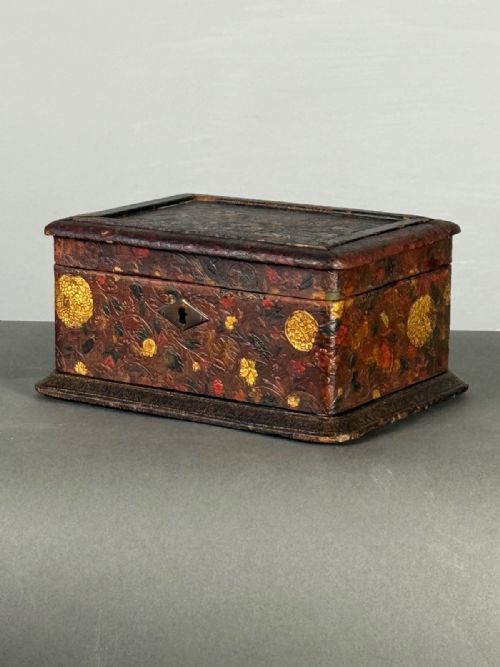
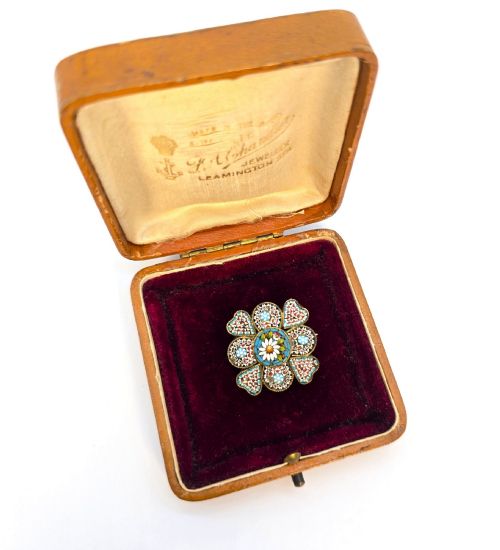
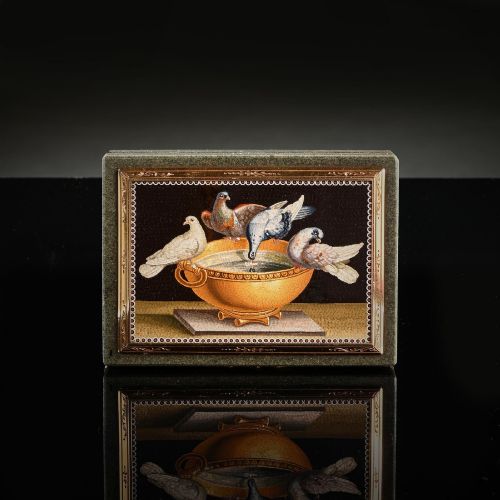
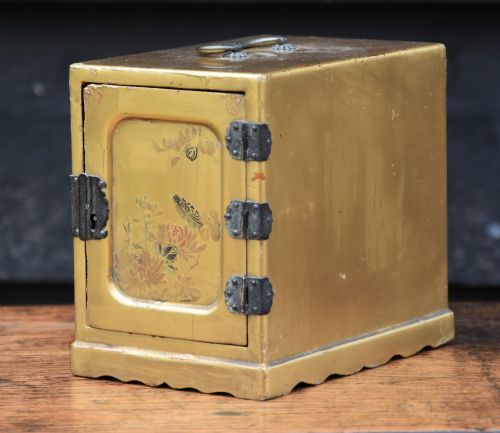
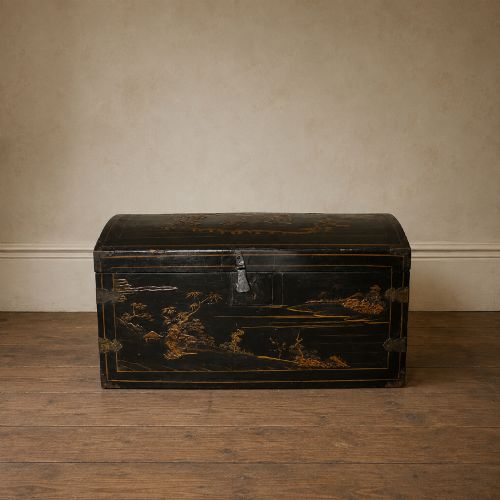
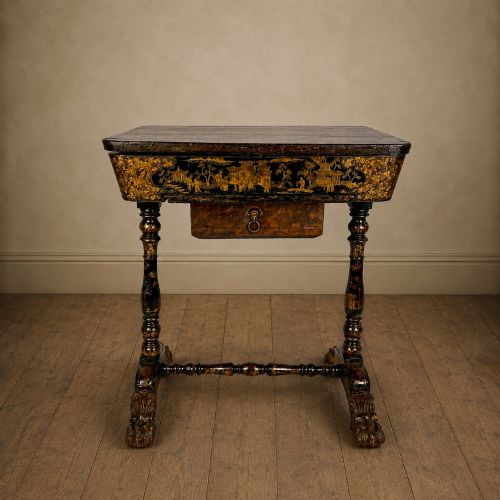
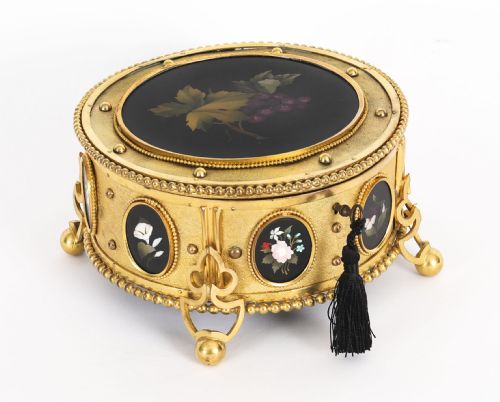
Beyond standard snuff boxes, the category extends to include desk and table containers, needlework boxes, and mounted items incorporating porcelain, micromosaic, and lacquer. This variety reflects the diverse utility and ornamental purposes assigned to small containers during the 19th century.
Distinctions in craftsmanship and design
Quality separates pieces by the precision of the metalworking, such as the crispness of engine-turned guilloche patterns and the structural integrity of hinges and closures. Superior items exhibit seamless integration between the gold mounts and inset panels like malachite, jasper, or micromosaic.
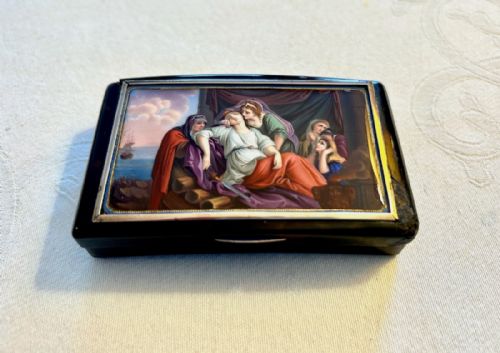
The artistic merit of the ornamentation dictates the upper tier of the range, visible in finely painted miniatures, detailed chasing, and the use of solid multi-colour gold rather than surface gilt. Lesser examples rely on simpler stamped decoration or substitute base metals with light gilding.
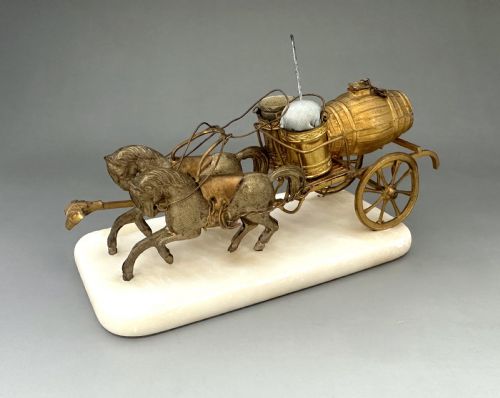
One unexpected survivor is a horse-drawn sewing companion from the Palais Royal, proving that 19th-century needlework tools occasionally required equine transport.
Susse Freres Paris·Gioacchino Barberi·Howell & James London·Vishnyakov Workshop·Hawkes & Co London·Louis Francois Tronquoy
The 19th Century Gold Box Glossary
- Guilloche
- An intricate decorative technique engraved mechanically into a metal surface using a lathe. This process creates precise, repeating geometric patterns often seen beneath translucent enamels on luxury boxes.
- Ormolu
- A method of applying finely ground, high-carat gold to a bronze base using mercury. This technique produces a rich, golden finish common on 19th-century mounts and decorative hardware.
- Micromosaic
- A pictorial mosaic assembled from tiny glass threads called tesserae. Artisans used these microscopic tiles to create detailed topographical views and floral motifs on snuff box lids.
- Pietra dura
- An artistic process using cut and fitted polished-stone slices to create pictorial designs. Master craftsmen utilised hardstones like jasper and malachite to depict naturalistic scenes on table boxes.
- Snuff box
- A small, tightly sealed container fashioned to keep dry tobacco powder fresh. These pocket-sized objects became a primary canvas for miniature painting and precious metalwork.
19th Century Gold Box: Frequently Asked Questions
What were these boxes used for?
These receptacles primarily held snuff, a powdered tobacco popular for ingestion through the nose during the 18th and 19th centuries. Owners carried them in pockets or displayed them on tabletops as status symbols.
Over time, many of these containers transitioned to holding personal trinkets, calling cards, or sewing accessories. Their primary function shifted from practical tobacco storage to ornamental display pieces in Victorian drawing rooms.
How do I tell periods apart?
Identifying the period involves examining stylistic cues such as Regency neoclassical symmetry versus elaborate Victorian revivalism. Materials and decorative techniques like hand-painted miniatures or engine-turned patterns also align with specific decades.
Assay marks and maker's stamps provide the most reliable chronological indicators when present on the metal. Comparing the construction methods of the hinge and bezel helps narrow down the manufacturing era.
Are these boxes made of solid gold?
Not all boxes in this category consist of solid gold, as many utilise alternative base materials. Surviving examples frequently feature silver gilt, ormolu, brass, or lacquered wood adorned with gold leaf.
Descriptions specify whether a piece is solid gold or utilises gilding over silver, bronze, or other metals. Hallmarks stamped into the metal assist in confirming the exact precious metal content.
How should I display them?
Displaying these small containers safely involves placing them in stable environments away from direct sunlight and extreme humidity. Glass-fronted cabinets protect delicate inlays like micromosaics or painted tortoiseshell from accidental damage.
Handling them with clean hands prevents natural oils from tarnishing the metal surfaces or degrading organic materials. Allowing adequate space between items highlights their miniature scale and detailed workmanship.