
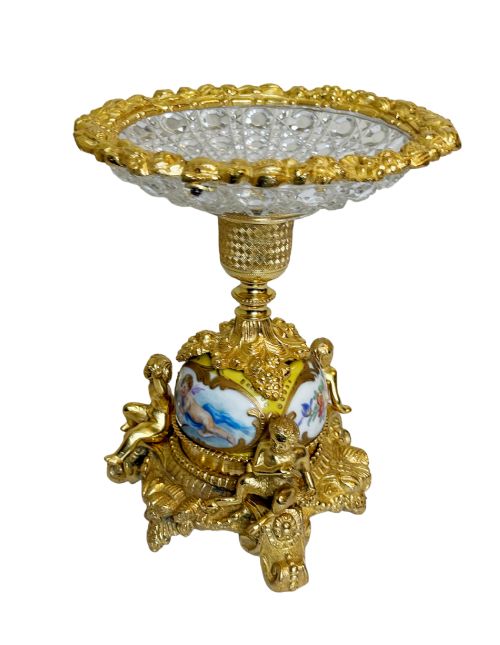
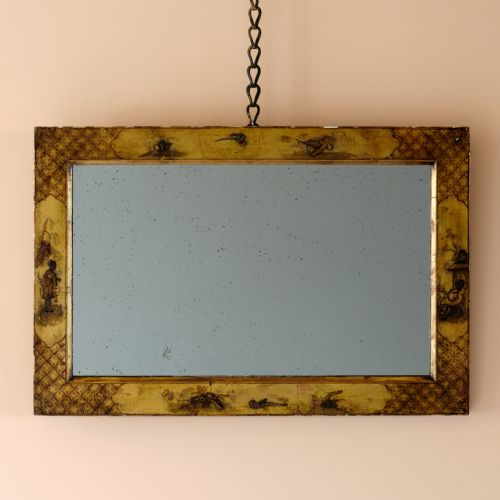

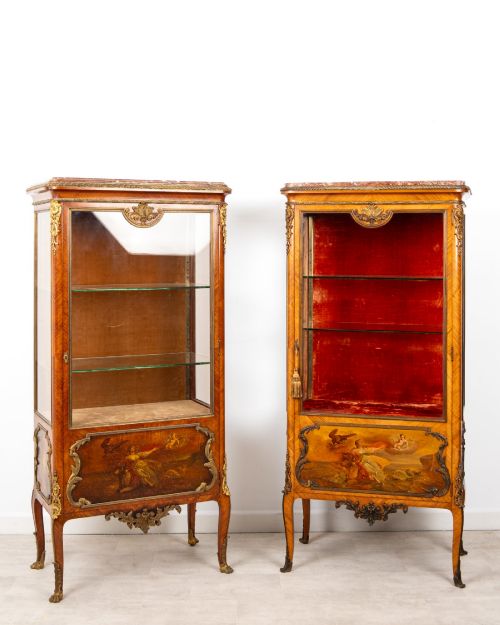
19th Century Glass Painting
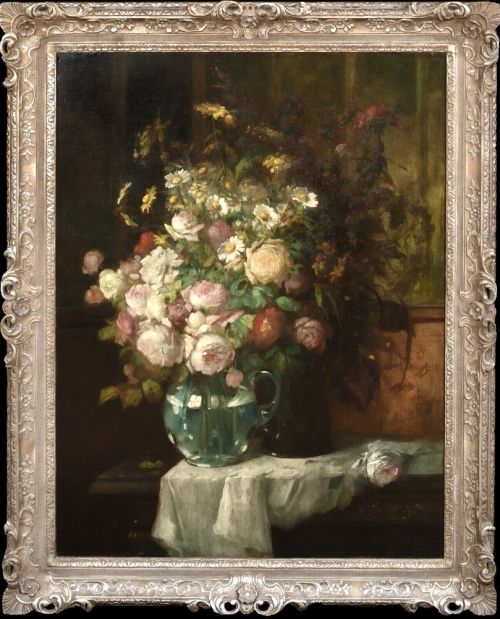
These pieces of 19th century glass painting offer a fascinating window into period portraiture, allegory, and decorative artistry.

19th Century Glass Painting
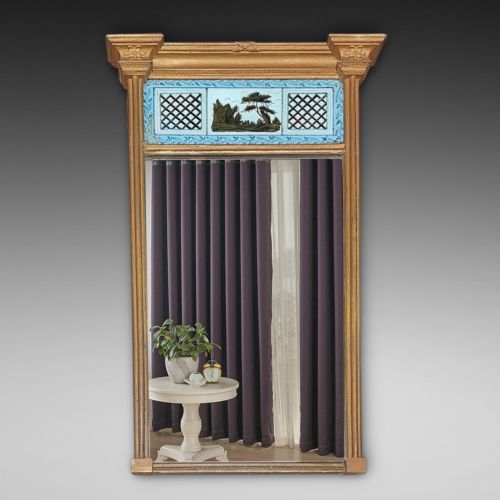
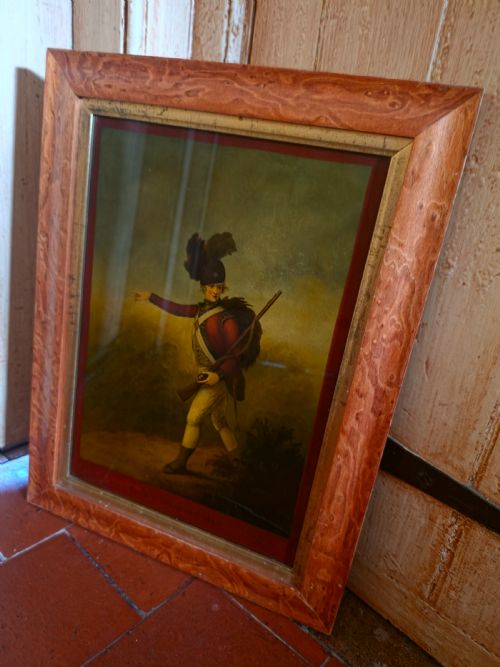
A 19th century glass painting involves applying pigment, enamel, or gold leaf directly onto glass panels, often viewed from the reverse side to create a luminous, protected surface. Buyers seeking these works encounter portrait miniatures, military subjects, and allegorical scenes originating from Georgian, Regency, and Victorian periods.
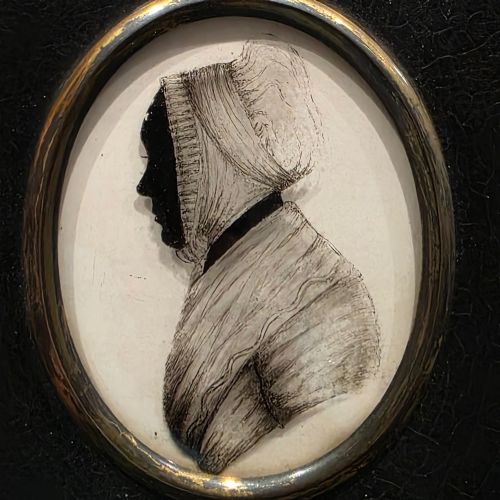
The technique requires the artist to paint fine details and foreground elements first, building up layers so that the final image appears correctly oriented when seen through the glass sheet. Works range from small oval silhouettes and naive prints to detailed portraits and pastoral landscapes set within period frames.
Materials and construction methods
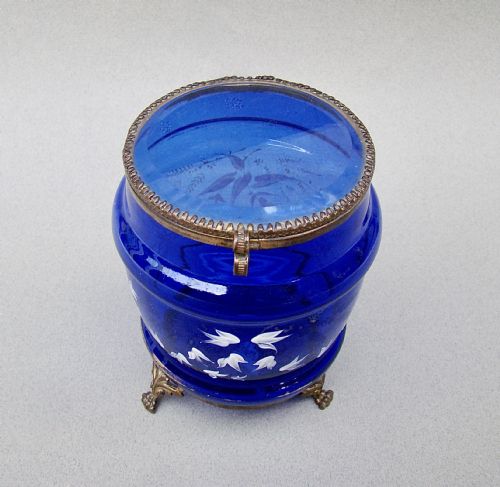
Makers utilised clear glass panels combined with oil paint, enamel, and gold leaf, occasionally incorporating verre églomisé techniques to frame the central imagery. These materials were carefully layered and sealed to protect the delicate pigments from moisture and atmospheric tarnishing over time.
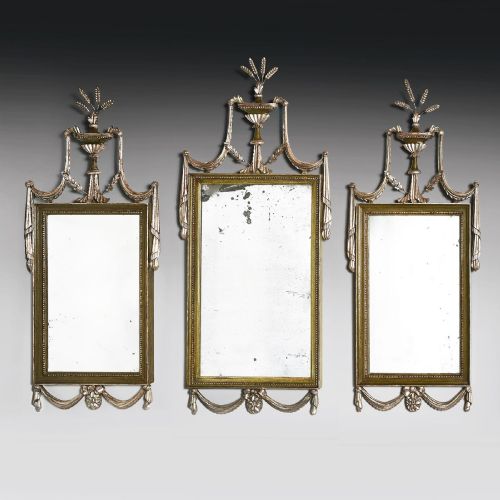
Frames play an integral role in the construction, featuring carved wood, gesso, and giltwood mouldings that secure the fragile glass substrate. The combination of glass, metallic leaf, and traditional wooden framing defines the physical structure of surviving pieces.
Listings feature works spanning the 1840s to the late 1890s, utilising glass, paint, enamel, gold leaf, and gesso.
Factors influencing quality
Quality rests primarily on the intricacy of the brushwork and the precision of the reverse layering, where master hands achieve remarkable facial expression and depth. Simpler naive examples display charm through rustic execution, whereas top-tier works command attention via refined draughtsmanship and sophisticated use of gold leaf.
The preservation of the painted surface significantly impacts overall desirability, as flaking pigment or compromised sealing diminishes the visual impact of the glass panel. Furthermore, the integrity of the original frame, whether giltwood or carved gesso, completes the aesthetic standard of the piece.
Gillows Of Lancaster·Konstantin Stoitzner
The 19th Century Glass Painting Glossary
- Verre églomisé
- A cold decoration technique where gold or silver leaf is applied to the reverse of glass and etched before painting.
- Silhouette
- A solid dark profile portrait, frequently painted onto glass during the Georgian and Regency periods.
- Enamel
- Opaque vitreous material fused to glass surfaces through heat to provide durable, vibrant coloration.
- Gesso
- A plaster-like mixture applied to wooden frames as a smooth base for subsequent gilding or painting.
19th Century Glass Painting: Frequently Asked Questions
How do I clean a glass painting?
Maintenance requires gentle dusting with a dry, soft cloth, avoiding any liquid cleaners that might seep behind the glass.
Moisture can damage the fragile paint layers applied to the reverse, so display areas should remain dry and away from direct sunlight.
Are these works fragile?
The primary hazard involves the glass substrate itself, which remains vulnerable to impact and structural twisting if the frame weakens.
Secure wall fixings and stable placement protect both the glass panel and the accompanying wooden frame from accidental damage.
How do I identify a Regency piece?
Regency examples often feature neoclassical motifs, allegorical subjects, or silhouette portraits framed in slim giltwood surrounds.
Subject matter relating to classical deities or military figures frequently points towards this specific early nineteenth-century aesthetic.
Where should I hang these works?
Interior placement benefits from walls away from direct heat sources and excessive humidity to preserve the delicate pigments.
Positioning them at eye level allows the reflective quality of the glass and the metallic leaf to catch ambient room light effectively.