
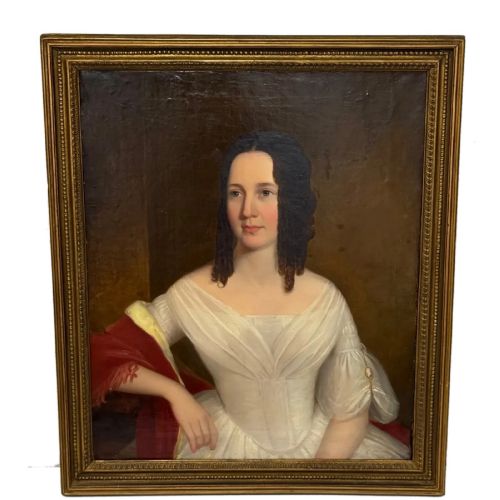
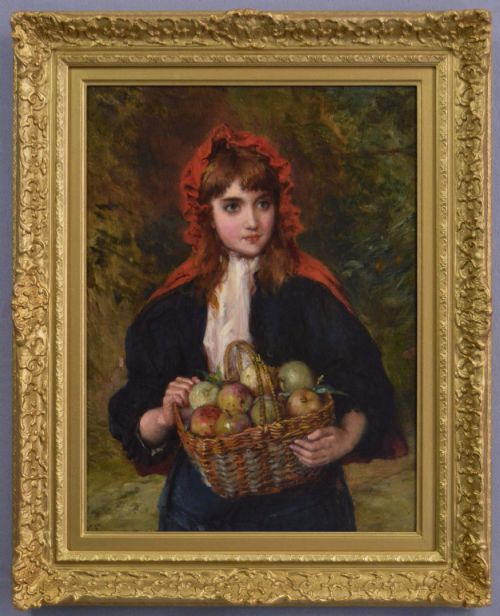


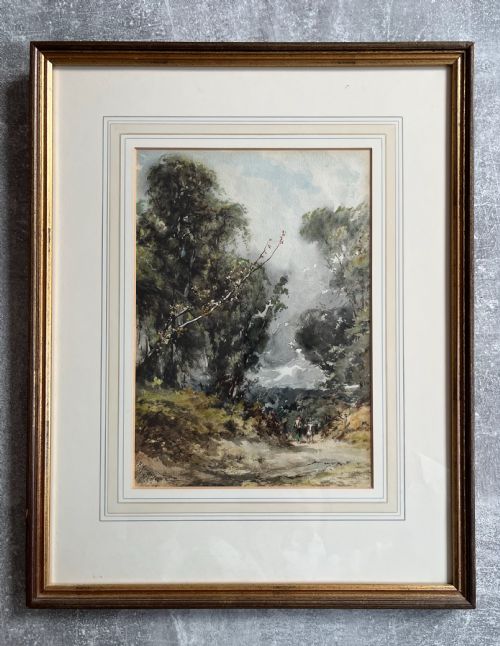
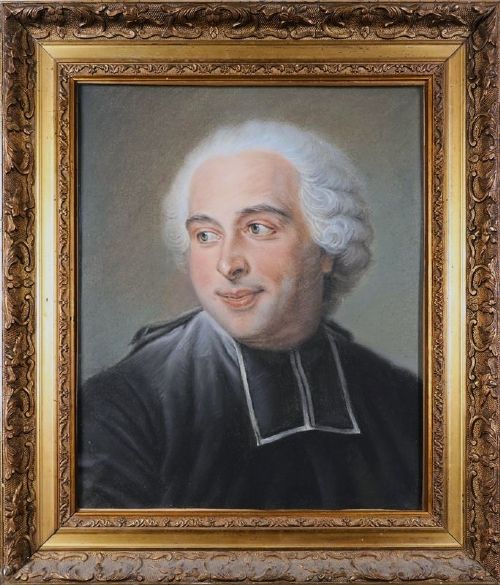
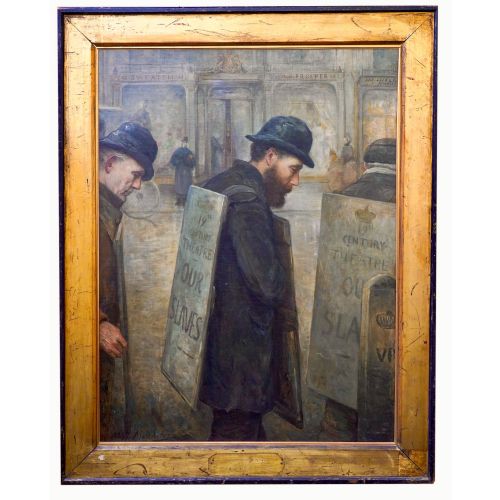

19th Century Gilt Frame Artwork
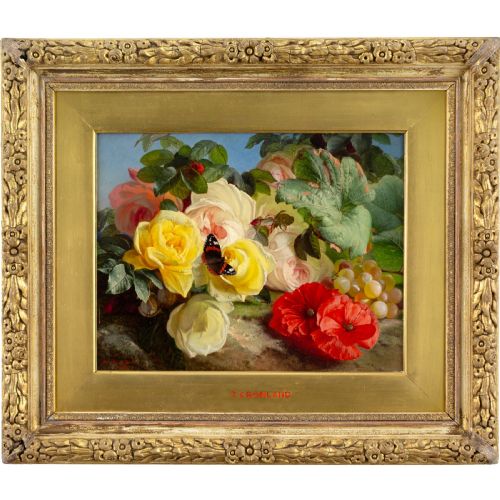
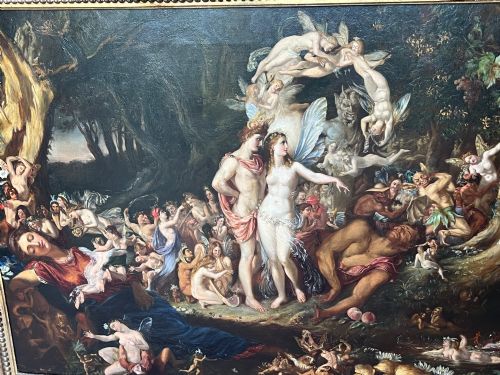
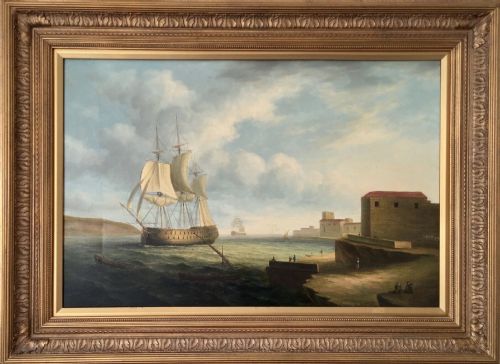
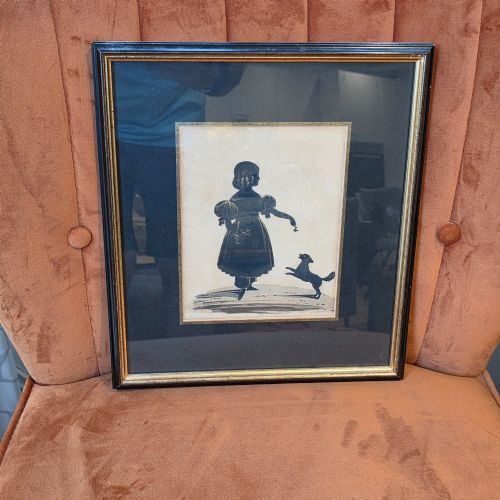
When you search for 19th century gilt frame artwork, you find oil paintings, watercolours, and silhouettes housed in period wooden mounts.
19th Century Gilt Frame Artwork
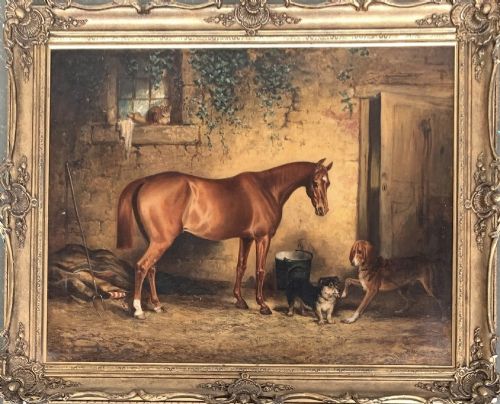
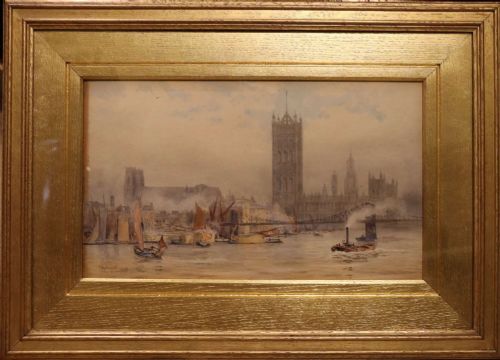
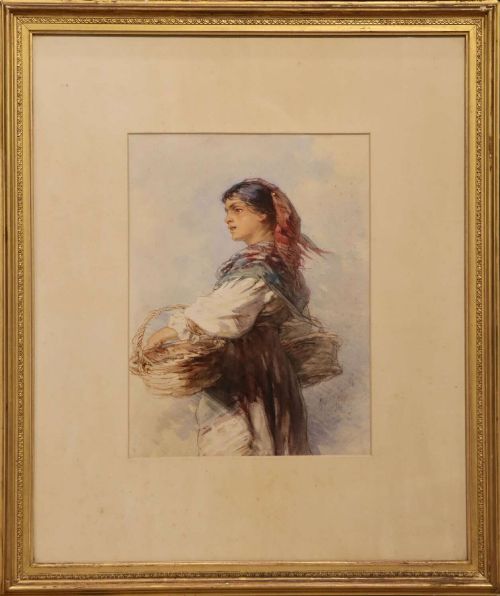
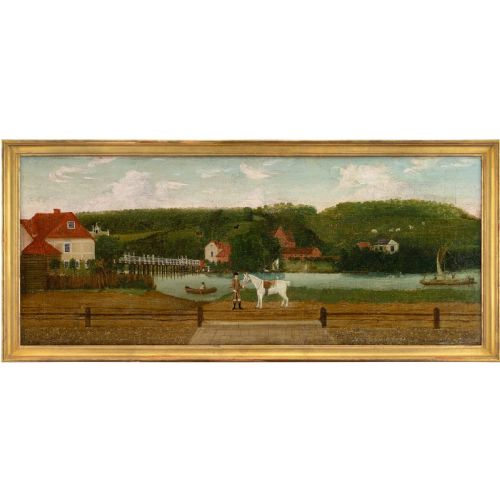
When you search for 19th century gilt frame artwork, you encounter oil paintings on canvas and board, watercolours, and cut paper silhouettes. These pieces span portraiture, landscapes, marine scenes, and genre subjects created across the Victorian and Regency periods.
The selections on this page highlight British and European schools, ranging from intimate domestic interiors to grand maritime accounts. Many works retain their original giltwood or gesso surrounds, which provide the defining visual boundary for the imagery within.
Materials and construction
Paintings utilise oil pigments applied to canvas or wood panels, alongside watercolours executed on paper. Frames are constructed from wood cores built up with gesso and finished with gold leaf or metallic gilding.
Makers shaped decorative mouldings using carved timber or applied composition ornament. Protective layers of glass frequently shelter works on paper and delicate silhouettes from atmospheric wear.
A needlework portrait of a King Charles Spaniel sits proudly in a burr maple frame alongside oil paintings of ladies and ships.
Assessing quality and execution
The fidelity of the brushwork and the precision of the draughtsmanship distinguish the finer examples from standard decorative output. Academic training and compositional balance separate professional salon pieces from simpler studio output.
The preservation of the original gilding on the frame contributes significantly to the integrity of the piece. Crisp surface detail in the gesso ornamentation indicates superior craftsmanship during manufacture.
William James Hubard·Richard Sebastian Bond·Joseph Clover RA·William Beattie-Brown·George Fotherly Hargitt·Felix Stone Moscheles·John Horace Hooper·William McAlpine·Reginald Arthur Borstel·William Joseph Shayer Senior·Alfred Fontville de Breanski Jr·Edward Mills·William Banks Fortescue·Stephen Samuel Lewin·John Rose Miles·Vittorio Reggianini·Thomas W Lascelles·Augusto Alberici
The 19th Century Gilt Frame Artwork Glossary
- Giltwood
- Timber that has been coated with gold leaf or a gold-coloured metallic finish. This material reflects light to highlight the surrounding profile of the picture.
- Gesso
- A plaster-like mixture applied to wooden frame bases to create a smooth surface for gilding. Sculptors and frame makers carved or stamped this layer to form intricate relief decoration.
- Canvas
- A heavy woven fabric stretched across a wooden stretcher frame to serve as a support for oil paint. It provides a flexible yet durable ground for nineteenth-century painters.
- Watercolour
- A paint consisting of water-soluble pigments applied to paper supports. Artists utilised this medium for luminous portraits and rapid landscape studies.
- Silhouette
- A portrait profile filled in with a solid dark colour, often cut from paper or painted. Early examples frequently incorporated delicate ink or watercolour details.
19th Century Gilt Frame Artwork: Frequently Asked Questions
How do I clean a gilt frame?
Dust the surface gently with a soft, dry brush to remove loose particles without disturbing the delicate gold leaf. Avoid moisture and chemical cleaning agents entirely, as liquids strip the historic metallic finish.
Professional conservators should handle repairs to chipped gesso or worn gilding. Keep the artwork away from direct sunlight and damp environments to protect both the frame and the painting.
Are these paintings original works?
The listings feature original hand-painted oils and watercolours created during the nineteenth century. Some pieces include historical copies executed after earlier masters by period artists.
Signatures, artist records, and material examination help confirm the age of each work. Frame styles and backing materials provide additional context regarding the history of the object.
How do I hang a heavy oil painting?
Secure the hanging wire or rings directly into the sturdy wooden stretcher bars rather than the frame alone. Use appropriate wall fixings rated for the weight of the canvas and its wooden surround.
Position the artwork at eye level away from heat sources and radiators. Stable indoor temperatures prevent the canvas and wooden frame from warping over time.
What defines a Regency period frame?
Regency frames often display neoclassical motifs, reeded mouldings, and crisp corner ornaments moulded in gesso. These designs reflect the architectural tastes of the early nineteenth century.
They complement the restrained elegance of Regency portraits and watercolours. The gilding on these pieces typically has a warm, burnished tone.