




19th Century French Buffet
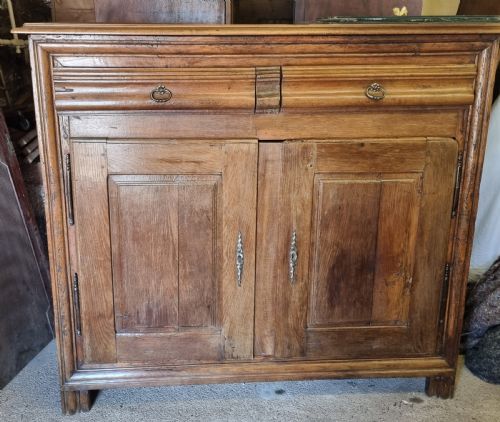
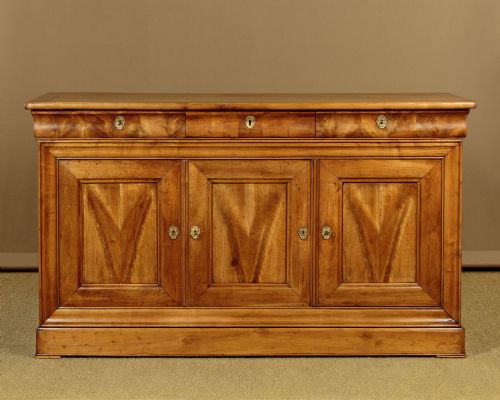
When you examine a 19th century french buffet, you encounter substantial dining storage built for provincial houses and grand chateaus alike.
19th Century French Buffet
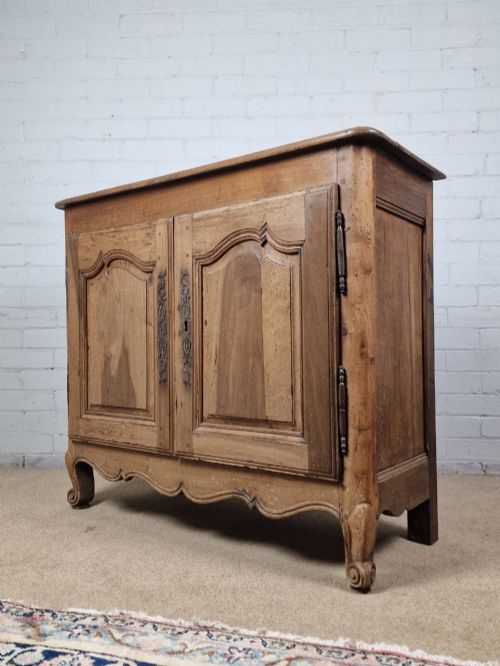
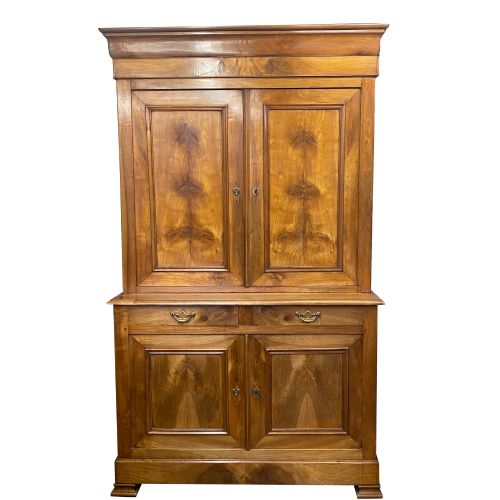
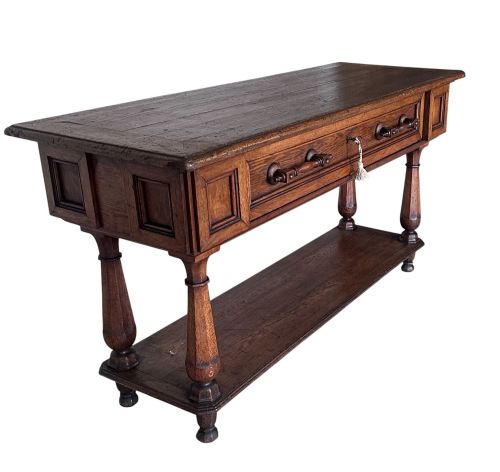
A 19th century french buffet encompasses sturdy serving tables, low dresser bases, and towering double-bodied cupboards designed for domestic storage and display. These pieces provide deep cupboards and drawers housed within robust timber frames, reflecting regional French carpentry traditions.
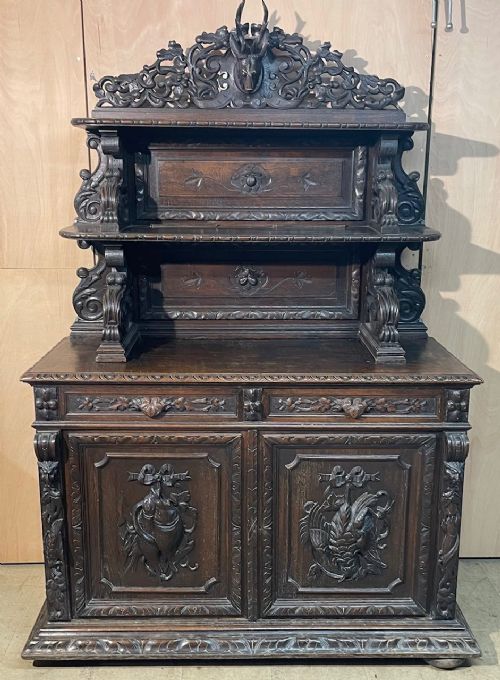
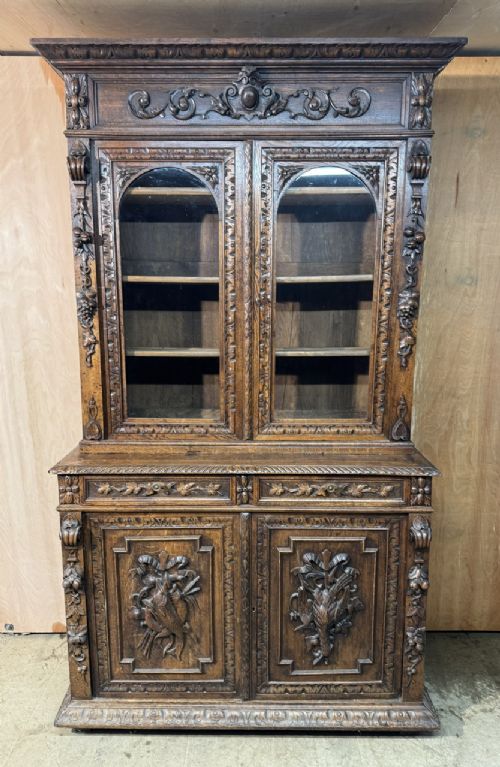
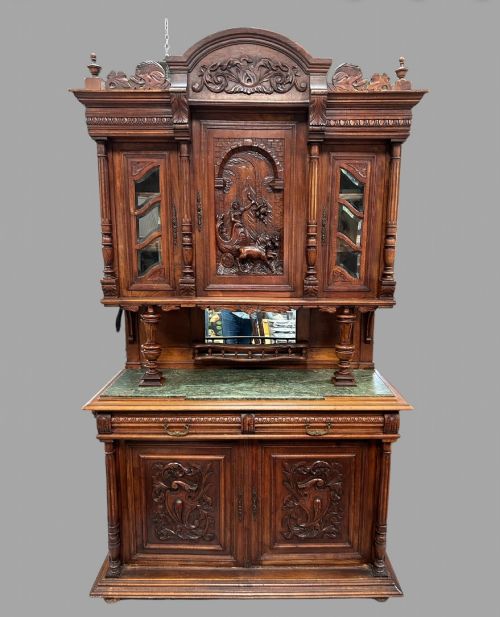
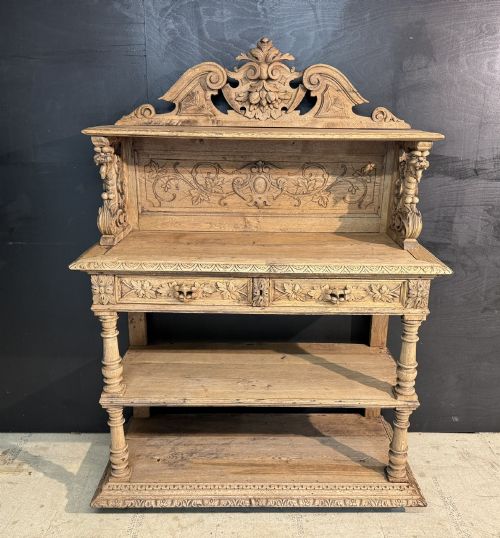
The versions most commonly met on this page are carved oak, walnut, and cherrywood sideboards originating from various provincial districts. Buyers frequently encounter low servers with marble tops as well as tall architectural cabinets intended for dining rooms and large kitchens.
How They Were Made
Joiners constructed these pieces using solid regional timbers such as oak, walnut, cherrywood, and chestnut, frequently employing panelled door techniques to accommodate wood movement. Finer urban examples utilise exotic veneers like kingwood and flame mahogany laid over sturdy carcases.
Decorative surface details rely on hand carving, marquetry inlay, and painted finishes applied directly to the timber. Workshops integrated cast or fire-gilt orrmolu mounts, brass hardware, and polished marble slabs to complete formal reception furniture.
The inventory records regional forms including enfilades, buffet deux corps, dresser bases, and serving tables spanning the Victorian era.
What Varies in Quality
The refinement of the hand carving distinguishes standard utility furniture from high-status commissions, with deep relief work and sculptural details indicating superior workshop output. Selection of timber also dictates grade, separating plain regional fruitwood boards from meticulously matched burr walnut and marquetry patterns.
Structural integrity depends on the original joining methods and timber seasoning, influencing how drawer runners and heavy panelled doors operate over time. The presence of original polished marble tops, glazed glass panels, and fire-gilt ormolu mounts elevates the standing of an individual piece.
The 19th Century French Buffet Glossary
- Buffet deux corps
- A large two-part cupboard featuring a smaller upper cabinet set upon a deeper lower sideboard base. This form typically provides extensive storage for dining china and household provisions.
- Enfilade
- A long low sideboard or server fitted with multiple doors and drawers in a continuous line. These pieces functioned primarily for serving food during large nineteenth-century banquets.
- Ormolu
- Gilded bronze mounts applied to furniture woodwork for decorative accent and edge protection. This technique requires mercury gilding or electroplating over a brass base.
- Marquetry
- The art of applying thin decorative wood veneers to form pictorial or geometric patterns across a furniture surface. Craftsmen selected contrasting timbers like kingwood and walnut to create tonal variation.
- Tramp art
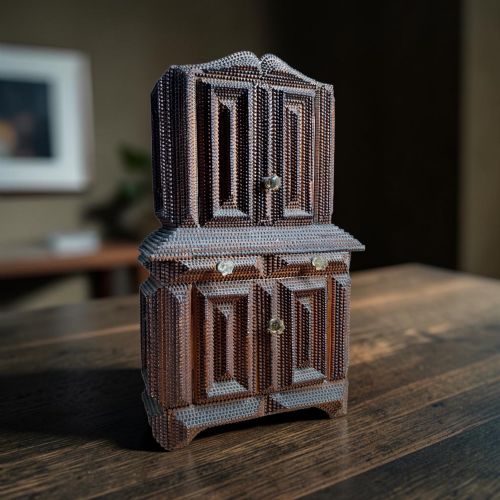
- Folk art construction created by chip-carving small geometric wooden layers, often utilising scrap boxwood. Pieces bearing this technique display repetitive notched reliefs built without standard joinery.
19th Century French Buffet: Frequently Asked Questions
What is a french buffet deux corps?
A buffet deux corps is a tall two-tier storage cabinet divided horizontally into an upper and lower section. These imposing pieces served as primary storage furniture in traditional French kitchens and dining rooms.
The upper section typically houses shallow shelves behind panelled or glazed doors, while the lower cabinet provides deep storage cupboards and serving space. Their massive proportions require substantial ceiling clearance in modern rooms.
How do I distinguish regional styles?
Regional French furniture styles vary according to the local timber available and the prevailing decorative customs of specific provinces. Oak and chestnut dominate northern and eastern districts, while cherrywood and walnut appear frequently in central regions.
Carving motifs also offer clues to origin, with heavy floral and hunting themes appearing on provincial oak pieces. Urban workshops in Paris favoured neoclassical symmetry, mahogany veneers, and ormolu mounts.
Where were these buffets originally used?
Nineteenth-century French buffets originated in domestic settings ranging from rustic farmhouses to bourgeois townhouses and grand chateaus. They functioned as utility storage for tableware, linens, and provisions in daily family life.
Larger servers and cabinets stood in dining rooms for the preparation and presentation of meals. Smaller dresser bases often served in hallways or drawing rooms for general household storage.
How do I care for antique timber?
Maintaining antique wooden furniture requires stable room humidity and protection from direct sunlight to prevent timber splitting and veneer lifting. Regular dusting with a soft cloth preserves the historic wax or French polished finish.
Avoid placing these pieces near modern heat sources or air conditioning vents. Conditioning the wood occasionally with appropriate paste wax maintains the moisture balance of antique surfaces.