
19th Century French Art
19th century french art brings together oil paintings, bronze sculptures and painted porcelain from workshops across France.
19th Century French Art
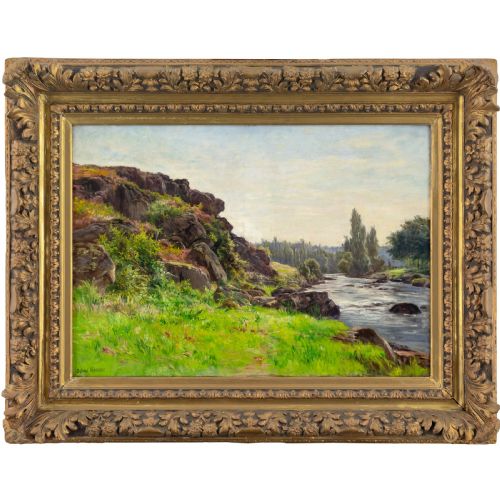
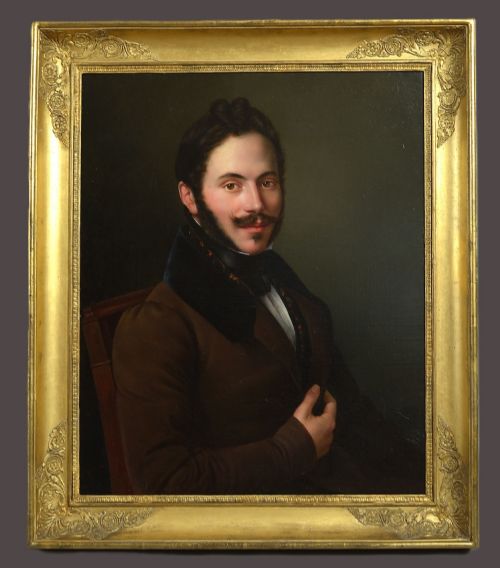
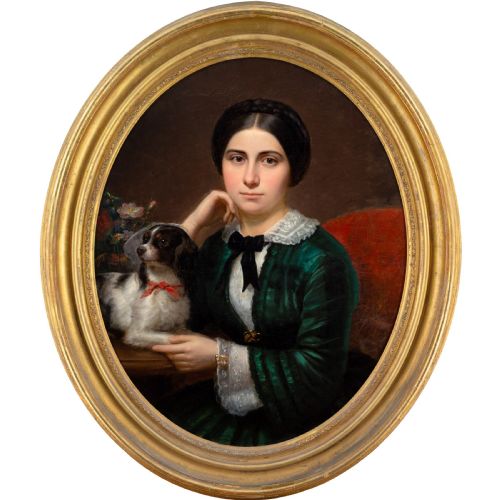
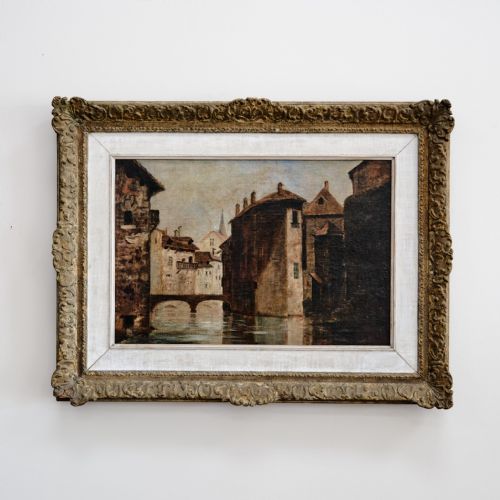
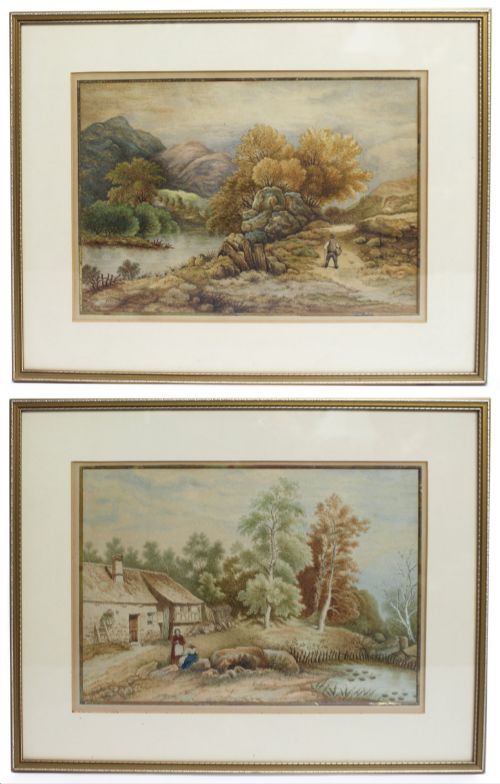
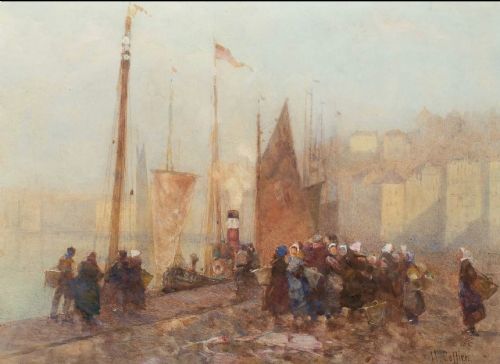
Buyers exploring 19th century french art encounter an array of oil paintings, works on paper and sculptural bronze figures created during a period of shifting artistic movements. The selection spans academic portraits, Barbizon landscapes and Art Nouveau decorative objects.
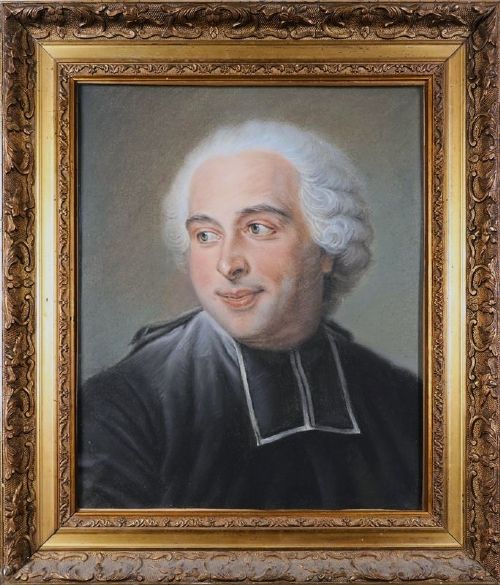
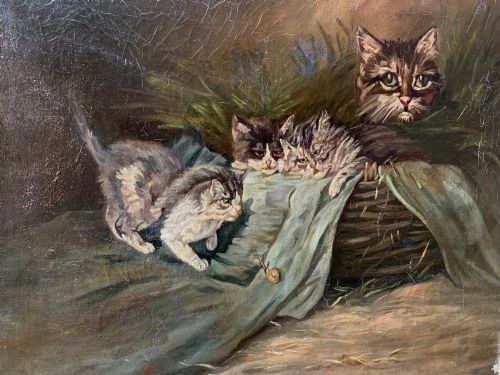
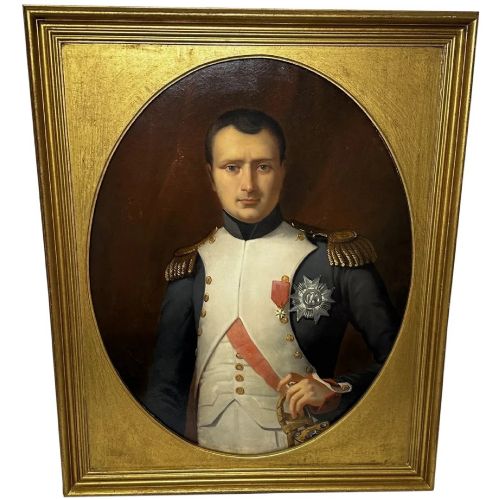
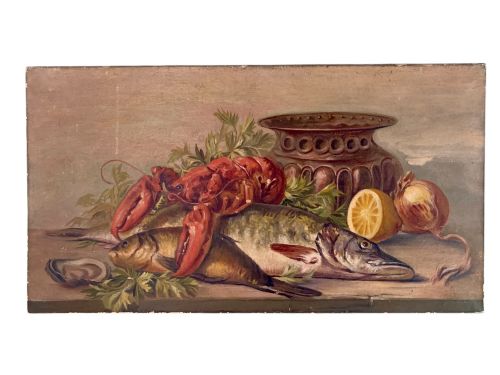
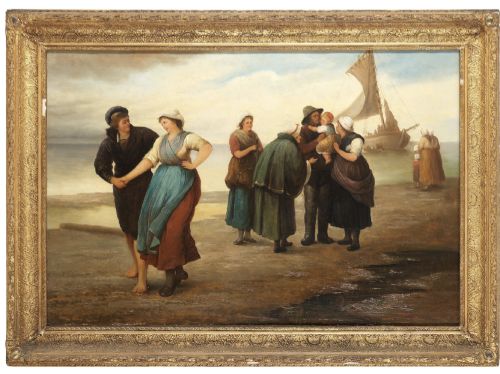
Oil paintings dominate the selection, ranging from formal portraiture by the French School to pastoral scenes and animal studies. Sculptures cast in bronze and pewter appear alongside ceramics, decorative furniture and works on paper.
Materials and Methods
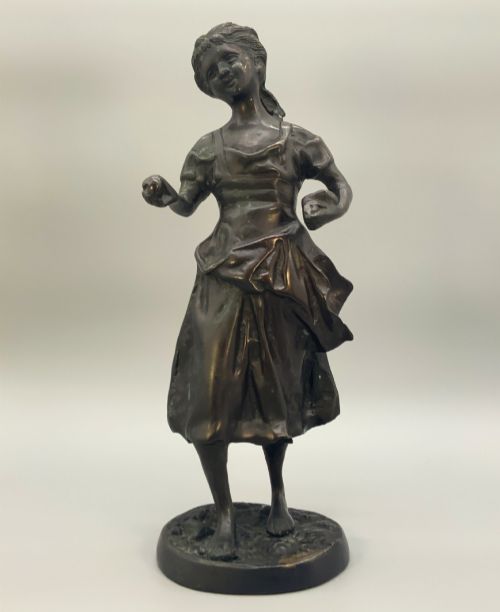
Painters applied oil pigments to canvas or watercolours to paper, often capturing natural light and rural subjects outdoors. Sculptors worked with bronze, silver plating and pewter, utilising foundry casting methods to achieve fine detail in human and animal figures.
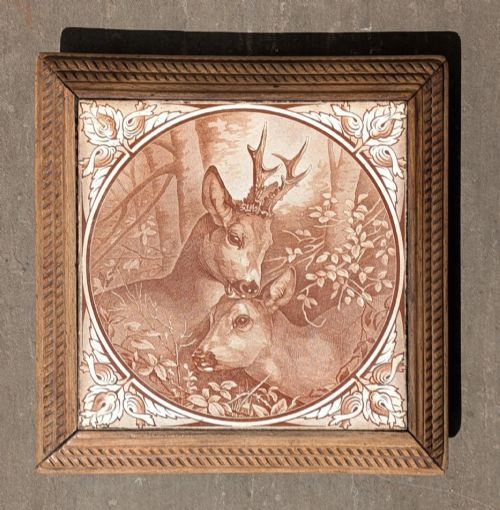
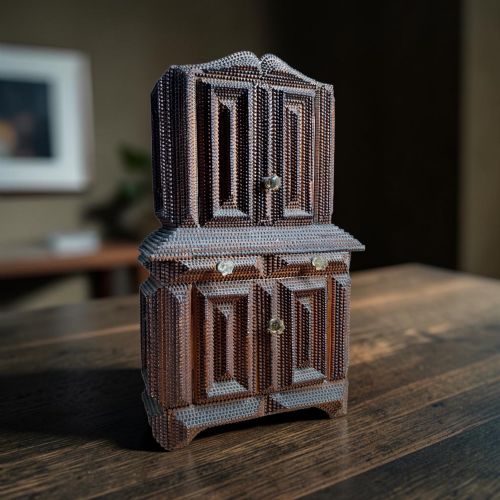
Cabinetmakers and artisans utilised hardwoods like mahogany, sycamore and kingwood, adding ormolu mounts, hand-painted panels and giltwood details. Porcelain chargers and earthenware vessels received hand-painted glazes before kiln firing.
19th Century French Art Retail Price Guide 2026
Typical asking prices for 19th century french art among the pieces listed under this phrase on Sellingantiques today, from the lower quarter to the upper quarter. They describe what is for sale here now, not the wider market.
Listings feature oil on canvas, bronze, giltwood and ceramic across the 19th century and early 20th century.
Distinctions in Quality
Quality rests upon the precision of the hand and the clarity of execution, whether in the brushwork of an oil portrait or the chasing of a bronze casting. Finer pieces demonstrate mastery of proportion, secure brush control and distinct signatures from recognised practitioners.
Decorative items and furniture show variation in the crispness of carved woodwork, the weight of ormolu mounts and the preservation of hand-painted surfaces. Pieces retaining original frames, uncompromised patination and documented maker attribution hold greater distinction.
Gabriel Mathieu·Edouard Pingret·Adelaïde Salles-Wagner·August Moreau·E Villanis·Mathurin Moreau·Paul Désiré Trouillebert·Louis Auguste Moreau·Alfred Arthur Brunel de Neuville·Jules Dalou
The 19th Century French Art Glossary
- Barbizon School
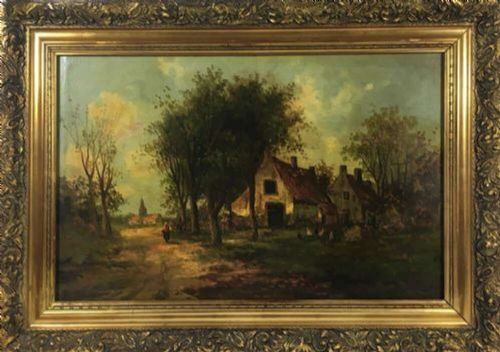
- A group of French painters associated with the village of Barbizon who focused on realist landscape and pastoral subjects. They worked directly from nature, influencing later impressionist developments.
- Ormolu
- Gilt bronze ornamentation applied to furniture, clocks and decorative objects during the period. The technique involves applying a mercury and gold amalgam to shaped bronze.
- Vernis Martin
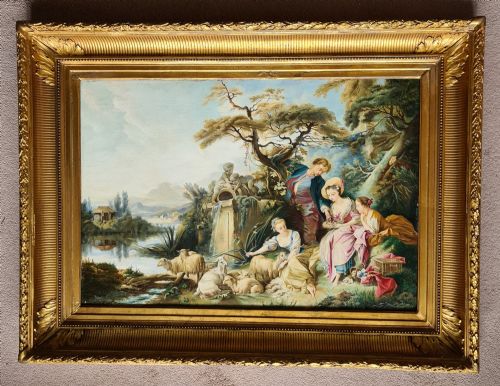
- A type of simulated Japanese lacquer developed in France, used to decorate furniture panels and vitrines with painted pastoral scenes. The finish requires multiple layers of varnish applied over painted designs.
- Academic
- Art produced under the influence of the French academies, emphasising rigorous drawing standards, historical subjects and polished finishes. These works follow established rules of composition.
- Patina
- The surface sheen and coloration developed on bronze, wood or oil paint over decades of age and handling. This natural wear indicates historical passage.
19th Century French Art: Frequently Asked Questions
What defines nineteenth century french painting?
Nineteenth century french painting encompasses diverse traditions, from academic portraiture and historical scenes to Barbizon landscapes and early impressionist works. Artists worked primarily in oil on canvas or watercolour on paper.
These works reflect changing philosophies regarding naturalism, light and subject matter across the decades.
How are bronze sculptures identified?
Bronze sculptures often bear foundry marks, artist signatures or stamps cast directly into the metal base during production. Examining the chasing and patination reveals the level of finish applied after casting.
Many figures depict mythological subjects, allegorical themes or realistic animal and human studies.
Where were these pieces displayed?
Paintings and bronze sculptures were created for domestic interiors, official salons and public exhibitions across France. Vitrines and display cabinets housed smaller decorative objects and porcelain.
Owners typically placed these works in parlours, studies and formal reception rooms to display taste and cultivation.
How should these artworks be maintained?
Artworks require stable indoor humidity levels and protection from direct sunlight to preserve pigments, canvas integrity and bronze patination. Gentle dusting with a dry, soft cloth prevents particulate accumulation.
Framed oil paintings and watercolours benefit from professional assessment regarding backing materials and environmental placement.