



19th Century Framed Silhouette
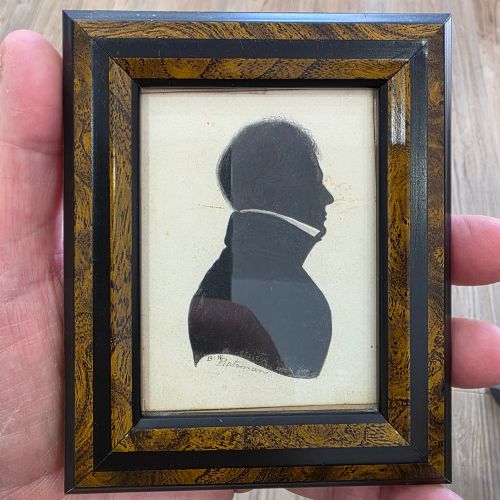
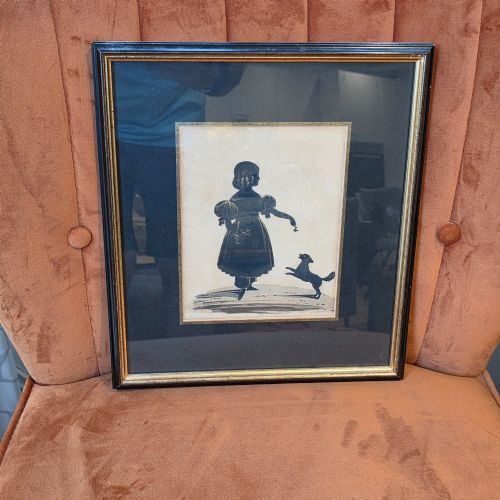
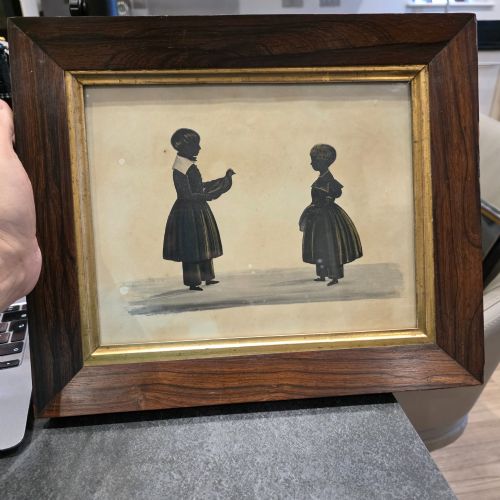
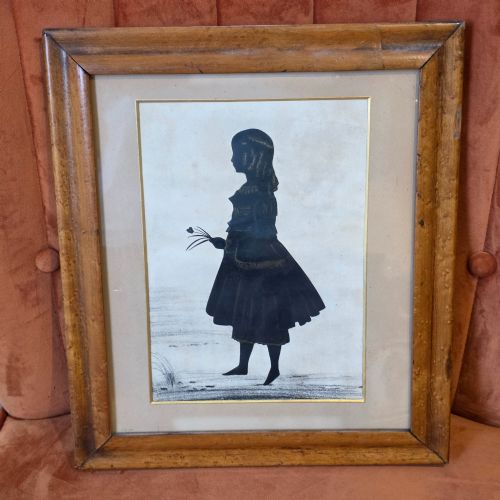
A 19th century framed silhouette offers a direct glance into the past through the sharp profile of a gentleman, lady or child.
19th Century Framed Silhouette
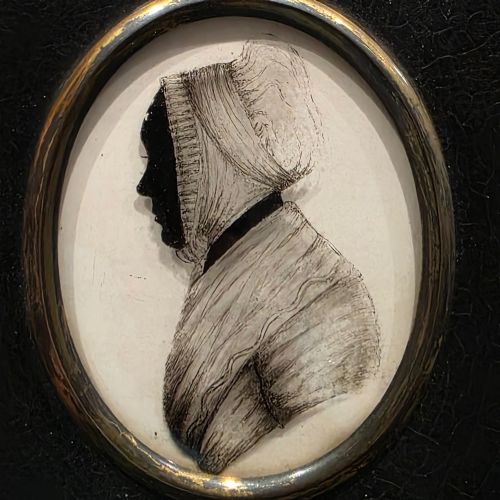
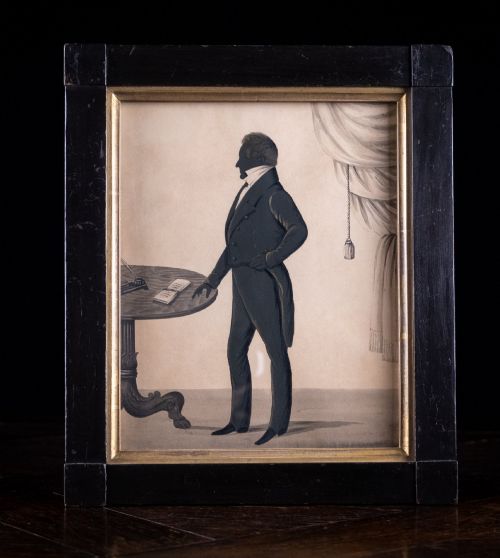
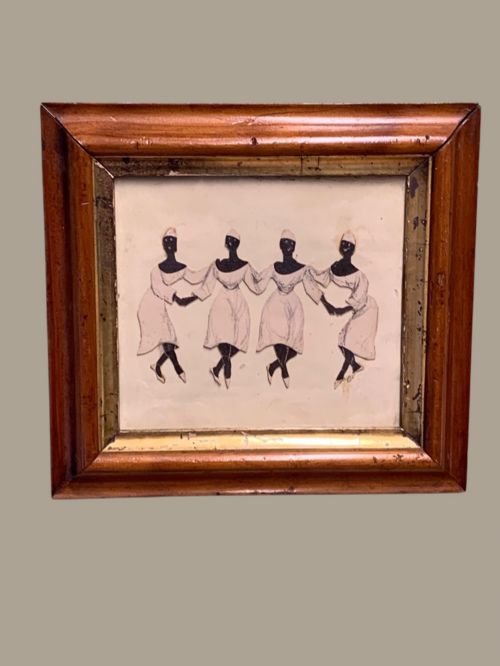
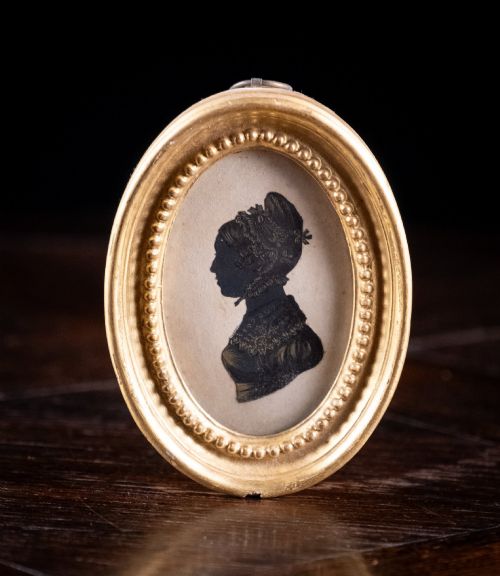
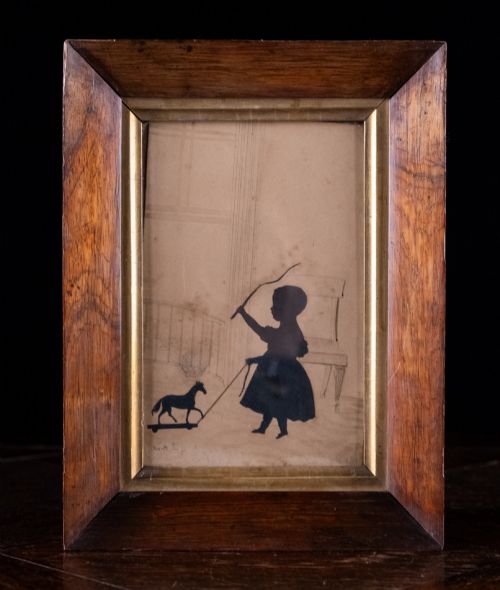
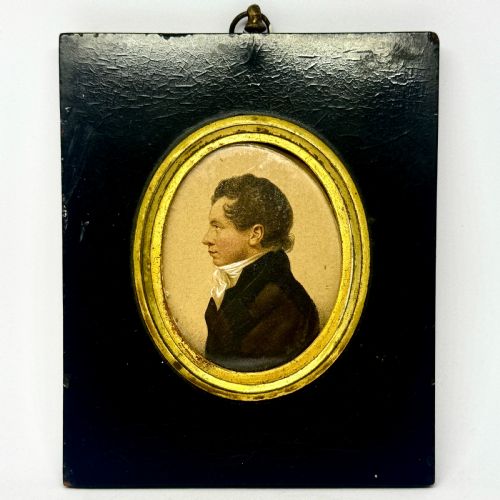
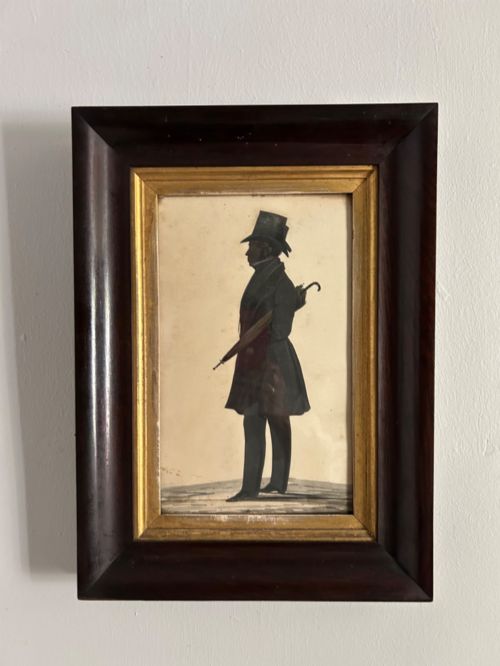
A 19th century framed silhouette captures profile likenesses through cut paper, ink, or reverse glass painting, preserved behind protective glazing. These portraits range from individual busts of gentlemen and ladies to full-length studies and family conversation pieces involving children, animals or domestic settings.
The examples found on this page span the 19th century, drawing particularly on the Regency, Georgian and Victorian periods. Buyers encounter both simple black profiles and gilded paper work heightened with watercolour highlights, housed in narrow wooden frames.
The form developed from hollow-cut profiles and solid black paper work into elaborate collage and painted miniature scenes. Each piece serves as a record of personal likeness before the widespread adoption of photography.
Materials and methods
Makers utilised dark paper, ink and watercolour mounted against pale backgrounds, often adding gold leaf highlights to define clothing, jewellery and hair. Cut paper work required steady scissors or knives to render profiles freehand, sometimes supplemented by painted details on glass.
Protective framing relied on wood such as ebonised wood, rosewood, and gilt wood, paired with glass to shield the fragile paper or painted surface. Brass mounts and hangers completed the construction of these wall-hung portrait miniatures.
Listings feature works from the Regency, Victorian and Georgian periods, utilising glass, paper, wood, ink, brass and gold leaf.
Distinctions in quality
The preservation of the original backing paper, frame and glass contributes significantly to the integrity of the piece. Contemporary framing or replacement glass alters the original presentation of an antique portrait miniature.
William James Hubard·Augustin Edouart·George Atkinson·John Smith·J. Deacon·Skeolan
The 19th Century Framed Silhouette Glossary
- Reverse glass painting
- An art form where the image is painted directly onto the back of a glass panel to be viewed from the front. This technique protects the pigment from dust and damage.
- Hollow-cut
- A method where the silhouette is cut out from a piece of white or pale paper, which is then laid over a dark background. The resulting portrait appears in relief against the contrasting mount.
- Gilded silhouette
- A paper profile enhanced with gold leaf applied to indicate costume details, hair ornaments or jewellery. This decorative layer catches the light within the frame.
- Conversation piece
- An informal group portrait depicting family members or associates engaged in a shared activity. These works often include multiple figures and narrative elements such as pets or domestic interiors.
19th Century Framed Silhouette: Frequently Asked Questions
What is a 19th century framed silhouette?
A 19th century framed silhouette is a profile portrait created from cut paper, ink or paint, enclosed behind glass within a wood or gilt frame. These works record the likenesses of individuals and families from the Regency and Victorian eras.
They function as wall art and miniature portraits, documenting personal appearance before photography became common.
How do I hang a silhouette?
These pieces require placement away from direct sunlight to prevent the fading of dark paper, ink and watercolour pigments. Stable indoor humidity protects the paper and wooden frames from warping.
Group several small framed profiles together on a wall to create a traditional display similar to nineteenth-century domestic arrangements.
How are cut paper silhouettes different from painted ones?
Cut paper silhouettes are formed by snipping black paper with scissors or a knife to create a sharp profile. Painted examples use black ink, pigment or reverse glass painting techniques applied directly to a surface.
Both methods often incorporate gold leaf or watercolour highlights to add detail to clothing and hair.
What periods do these silhouettes come from?
The listings span the nineteenth century, including Georgian, Regency, William IV and Victorian periods. Dates range from the early 1800s through to the 1880s and 1890s.
Stylistic shifts in clothing, hair and framing help indicate the specific decade of production.