


Framed Silhouette Picture
A framed silhouette picture captures the sharp profile of an earlier era, offering a direct glimpse into Georgian and Victorian likenesses.
Framed Silhouette Picture
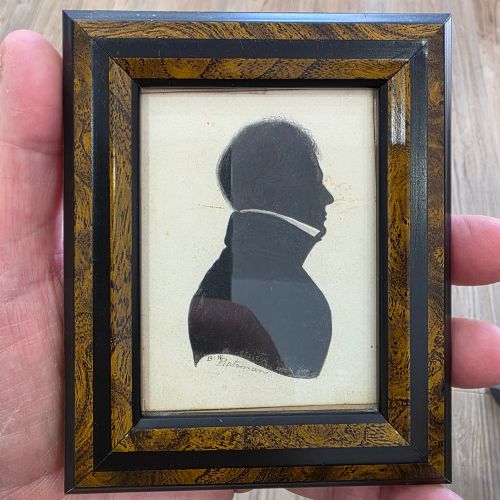
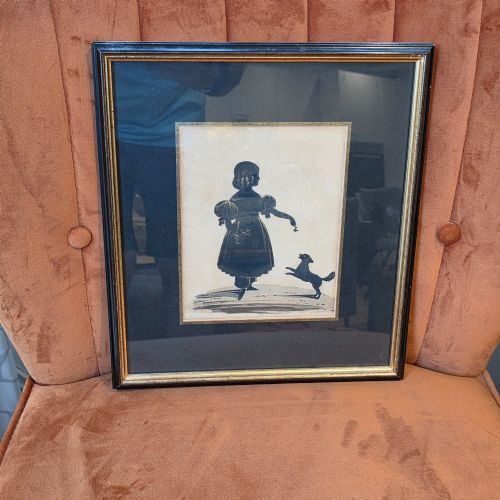
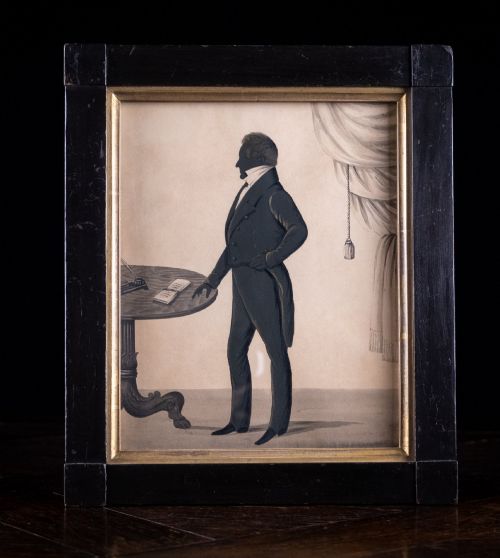
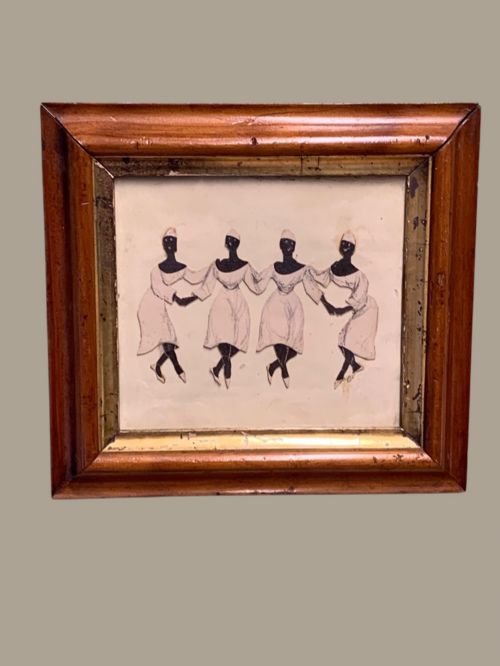
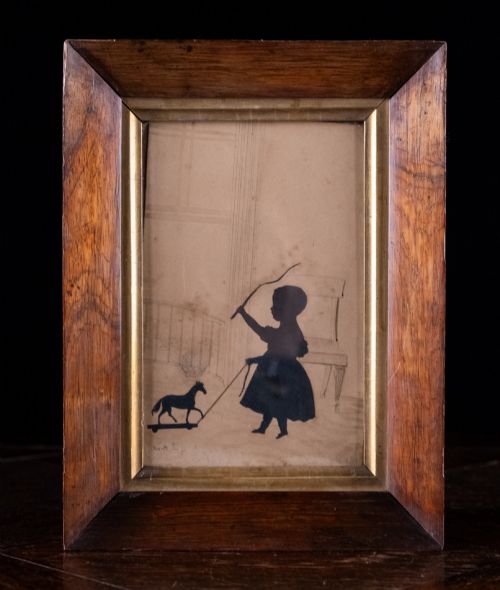
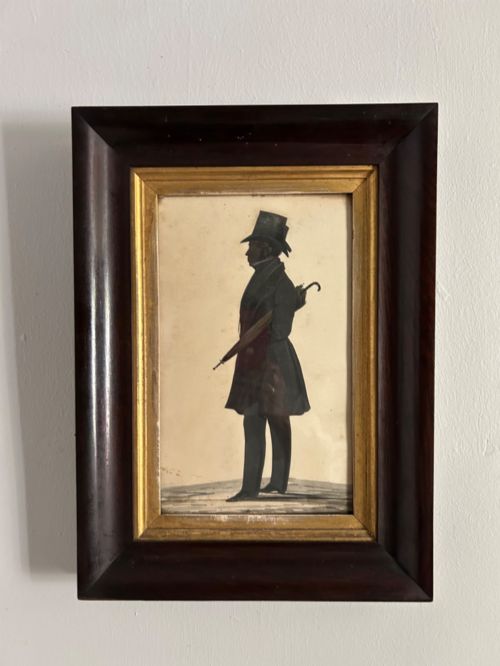
A framed silhouette picture presents a profile likeness, capturing figures, animals, and domestic scenes against a contrasting background. These works range from humble cut paper creations to elaborate conversation pieces involving multiple characters.
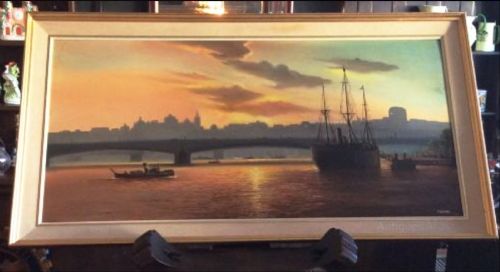
The examples gathered here span from the 18th century through the Victorian period and into the 20th century. Buyers frequently encounter Regency and 19th-century portraits set within traditional wood or ebonised frames.
How they were made
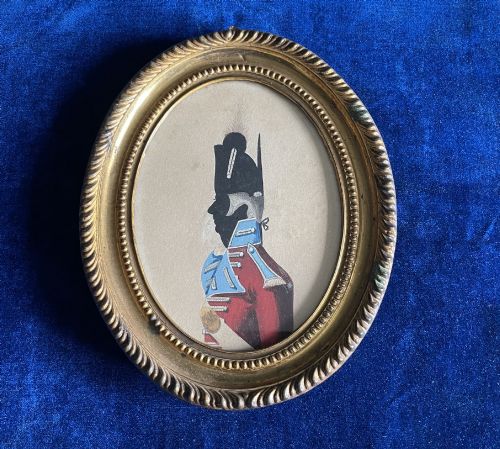
Makers utilised paper, ink, and glass, applying techniques such as hollow-cut paper, reverse painting on glass, and watercolour highlights. Artisans often added gold leaf to accent clothing, buttons, and lace upon the dark profiles.
Frames played an integral part in the construction, utilising rosewood, maple, ebonised wood, and brass mounts to protect the delicate work beneath glass. Papier-mache also provided a sturdy housing for miniature wall art.
Periods represented span from the 18th century through the Regency, Victorian, and Art Nouveau eras up to the 20th century.
What varies in quality
The distinction between ordinary and exceptional work rests on the precision of the cutting and the crispness of the painted details. Skilled artists captured convincing likenesses and natural postures with very few scissor snips or brushstrokes.
Framing and preservation dictate much of the standing of a piece, as original glass and period frames maintain the integrity of the fragile paper or glass underneath. Signed works or those bearing studio stamps carry greater weight.
William James Hubard·Augustin Edouart·John Miers·J. Deacon
The Framed Silhouette Picture Glossary
- Silhouette
- A portrait or scene represented as a solid shape of a single colour, usually black, showing the profile of the subject. The style emerged long before photography to record personal likenesses quickly.
- Reverse painting on glass
- An artwork created by applying pigment directly to the reverse side of a glass panel so the image is viewed through the front. This technique gives the surface a glossy finish.
- Hollow-cut
- A method where the profile is cut out from a sheet of paper, which is then laid over a darker background fabric or paper. The resulting void creates the portrait.
- Conversation piece
- An informal group portrait, often depicting family members or companions interacting in a domestic setting. These works tell a visual story of everyday life.
- Ebonised wood
- Timber treated with a finish to imitate expensive ebony wood, commonly used for dark, contrasting frames. It provides a clean, formal border for profile portraits.
Framed Silhouette Picture: Frequently Asked Questions
How do I date a silhouette picture?
Dating relies primarily on the style of dress, hair, and framing materials visible in the piece. Early 19th-century examples often feature high-waisted Regency attire and maple or brass-mounted frames.
Later Victorian versions introduce different mounting styles and heavier frames. Signatures, studio stamps, or handwritten notes on the reverse provide definitive clues.
Where should I hang these pictures?
These works suit small wall spaces, hallways, or grouped arrangements alongside other framed art. Their compact scale makes them ideal for narrow wall panels or studies.
Protect them from direct sunlight to prevent the fading of paper and watercolour pigments behind the glass.
What is the difference between cut paper and painted silhouettes?
Cut paper silhouettes involve snipping the profile from paper using scissors, whereas painted versions use ink or watercolour directly on a surface. Some artists combined both methods by adding gold leaf highlights to cut paper.
Painted examples on glass also appeared, creating depth through reverse application.
Are frames usually original?
Many pieces retain their original rosewood, maple, or ebonised frames, which help confirm their period origin. Original brass hangers and backboards are positive indicators of age.
Replacement frames do occur when older housings suffered damage over the centuries.