


19th Century Folk Art Chest
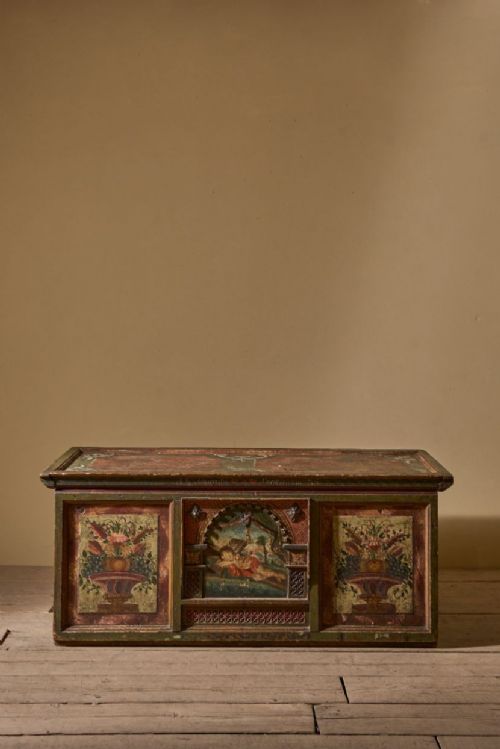
These pieces of 19th century folk art chest are painted pine and oak storage boxes carrying regional decoration that brings character to any interior.
19th Century Folk Art Chest
When you search for a 19th century folk art chest, you encounter practical storage vessels built for domestic use, ranging from small document boxes to large marriage trunks and coffers. These items served everyday domestic needs in rural communities across Britain, Scandinavia, and continental Europe.
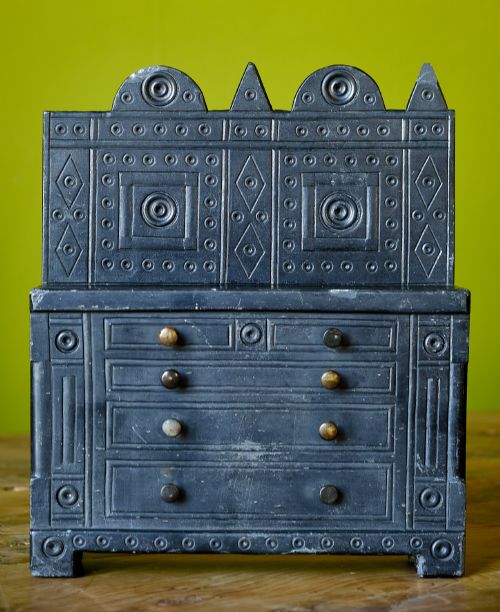
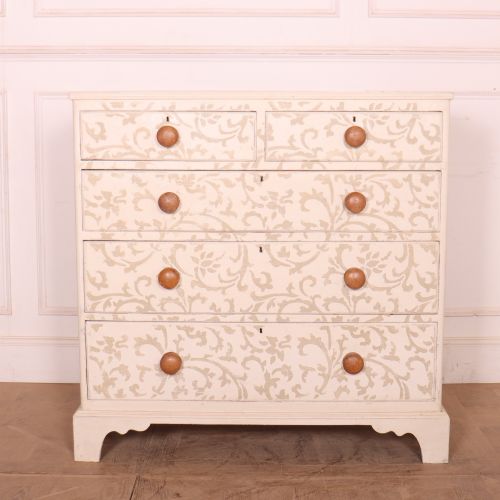
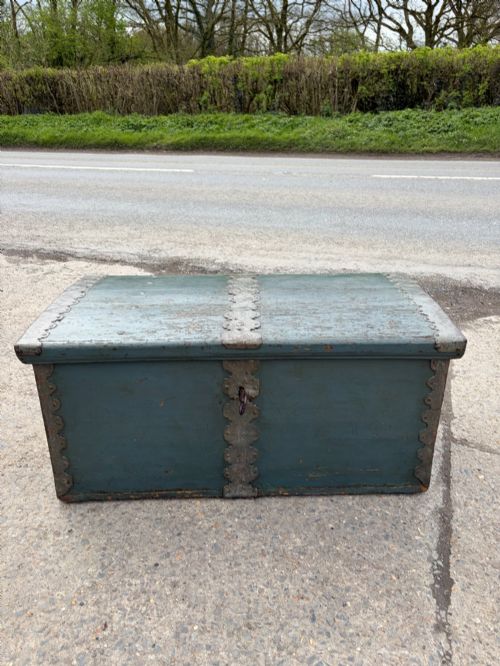
The versions you are most likely to meet on this page include dome-top marriage chests, strong boxes, and blanket boxes alongside smaller painted chests of drawers and miniature models. Many originate from Swedish, Welsh, and Alpine traditions, reflecting regional decorative styles.
Makers constructed these pieces to hold linens, documents, or valuables, often applying layers of pigment directly to the wood. Their surfaces frequently display original hand-painted decoration, floral motifs, or chequered patterns applied by local craftsmen rather than commercial factories.
How they were made
Carpenters relied primarily on pine and oak as the foundational timbers for these containers, joining boards simply with dovetails, pins, or nailed construction. Wrought iron and brass hardware such as hinges, straps, and locks reinforced the structures for heavy use.
Painters applied pigment directly to the bare timber, often using scumble finishes, layered glazes, or opaque water-based paints to create decorative surfaces. Hand-painted details and folk ornamentation transformed utilitarian storage into colourful regional pieces.
Listings here feature pine, oak, and slate objects decorated with original paint, wrought iron, and brass.
What varies in quality
The survival and integrity of the original paintwork dictate much of the character and desirability within this category. Surfaces retaining their authentic, untouched pigment without heavy modern overpainting command greater interest from collectors.
Construction methods and decorative ambition also set examples apart, ranging from simple rustic boxes to elaborately shaped strong boxes and marriage chests with intricate hand-painted motifs. The execution of regional folk art details reflects the skill of the individual local maker.
The 19th Century Folk Art Chest Glossary
- Coffer
- A heavy wooden box used for storing valuables, typically featuring a hinged lid and sturdy construction.
- Scumble
- A decorative painting technique involving the layering of a translucent glaze over a lighter base colour to create mottled texture.
- Marriage trunk
- A large chest commissioned or decorated to mark a wedding, often inscribed with dates, initials, or symbolic folk motifs.
- Strong box
- A heavily reinforced storage box fitted with iron straps and secure locking mechanisms for protecting money and important documents.
- Dome top
- A curved lid construction designed to shed water and provide additional internal headroom within the chest.
19th Century Folk Art Chest: Frequently Asked Questions
How were these chests used originally?
Communities utilised these containers to store textiles, household linens, valuables, and legal documents safely within rural homes.
Larger marriage trunks held dowries and important family possessions, while smaller strong boxes kept money and papers secure.
How do I identify regional folk art styles?
Regional origins appear through specific colour palettes, decorative motifs, and cabinetmaking traditions particular to areas like Sweden, Wales, or the Alpine region.
Swedish pieces often feature pale backgrounds with floral scrollwork, whereas Welsh and Alpine examples display distinct local painting and construction traits.
How should I clean original painted surfaces?
Maintenance requires only gentle dusting with a soft, dry cloth to protect the fragile historic pigment layers from damage.
Water, chemical cleaners, and modern polishes must be avoided entirely because they strip or soften nineteenth-century oil and distemper paint.
What is the difference between a coffer and a trunk?
Coffer generally refers to a heavy, sturdy storage box of traditional panelled construction meant for heavy household goods.
Trunks often feature simpler board construction with iron reinforcement bands and handles designed for easier transport.