



19th Century Floral Rug
A 19th century floral rug brings centuries of woven artistry into a room through botanical motifs and rich regional traditions.
19th Century Floral Rug
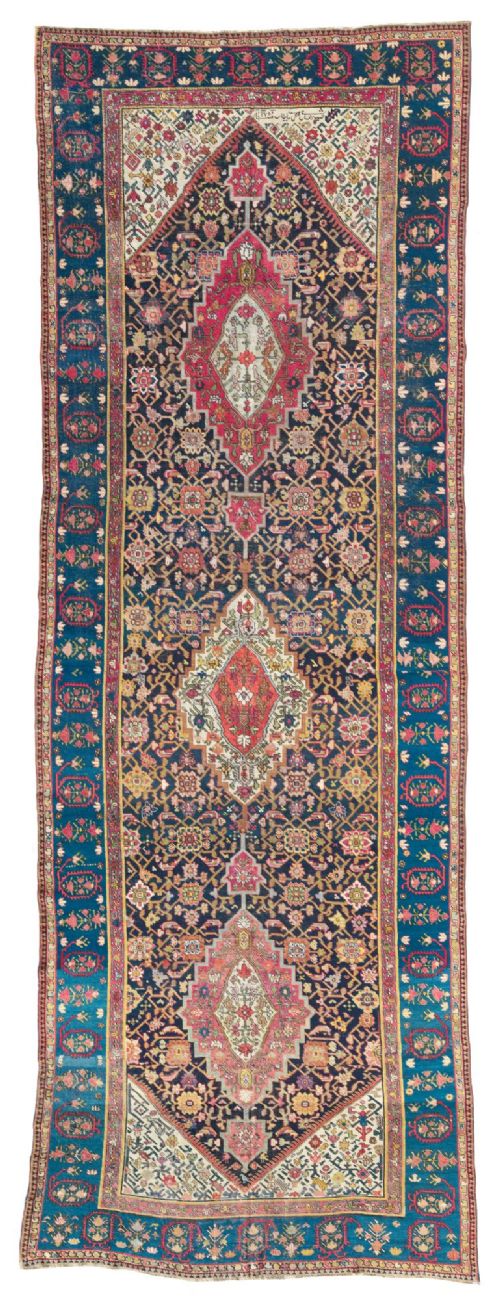
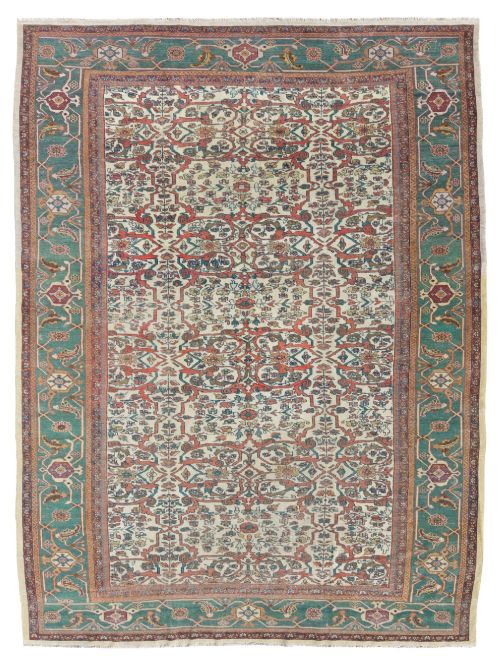
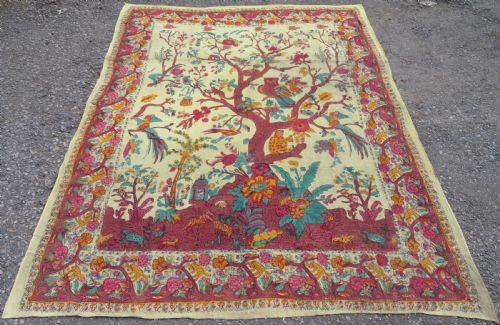
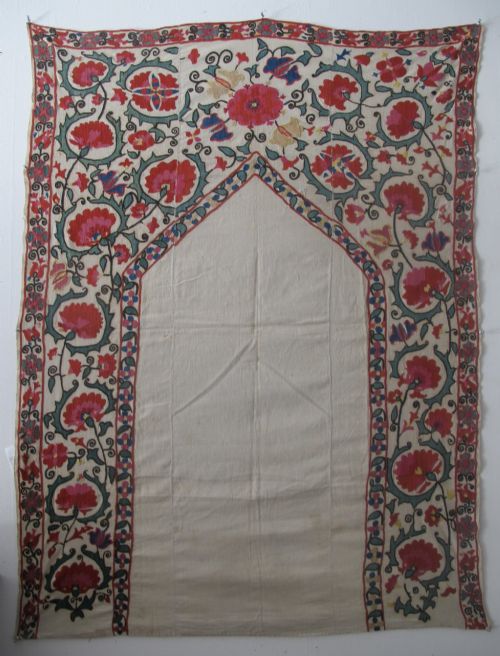
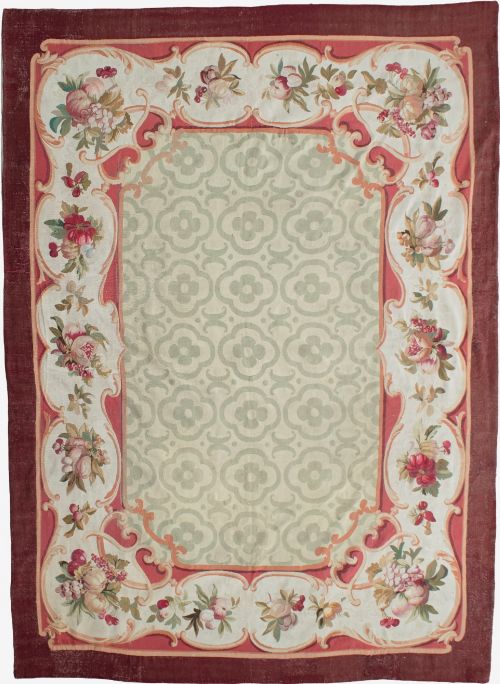
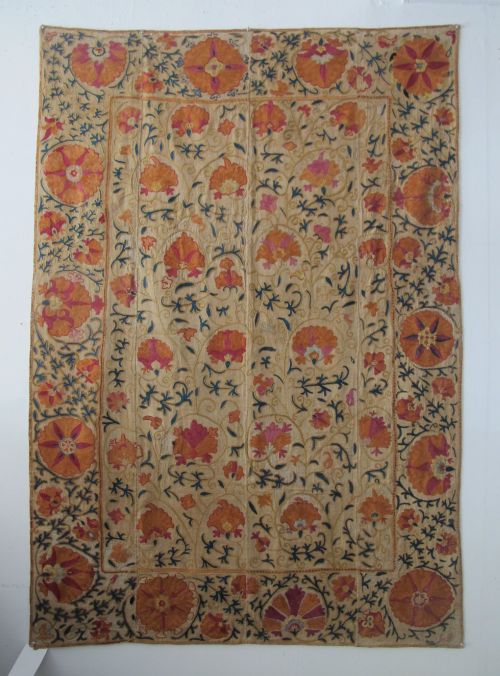
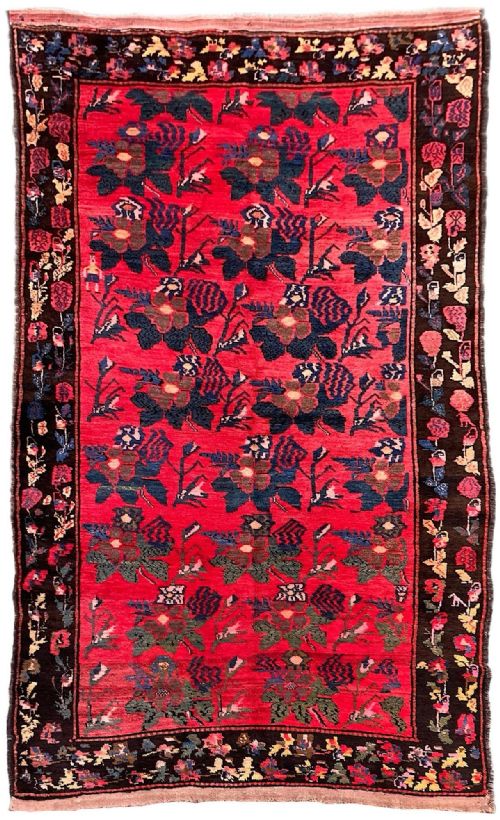
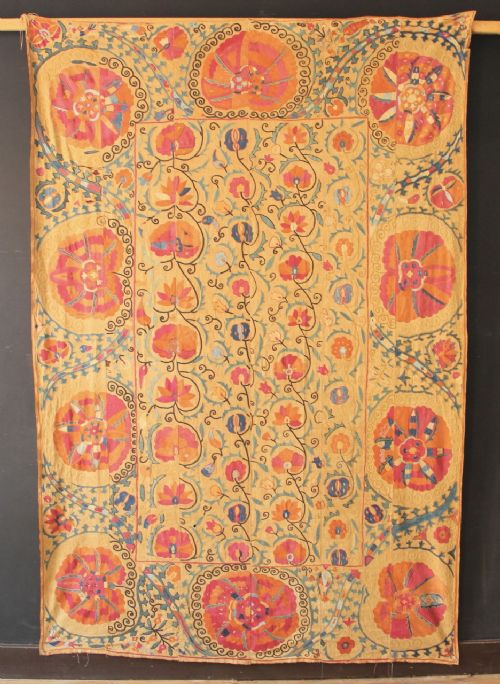
A 19th century floral rug encompasses heavy floor coverings, delicate wall hangings, and embroidered textiles originating from regions such as Persia, the Caucasus, and Central Asia. Buyers searching this phrase encounter woven village carpets, flat-woven kilims, and embroidered suzanis produced across the decades of the 1800s.
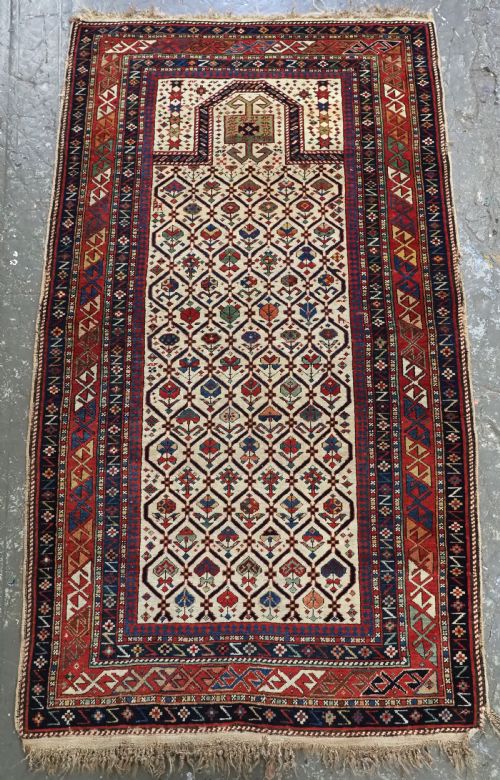
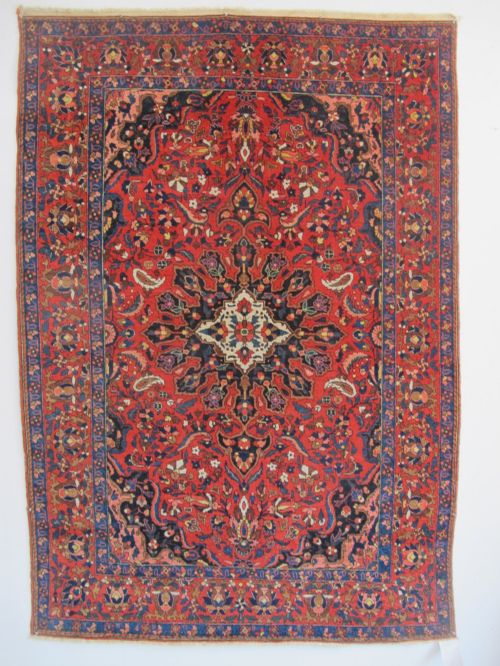
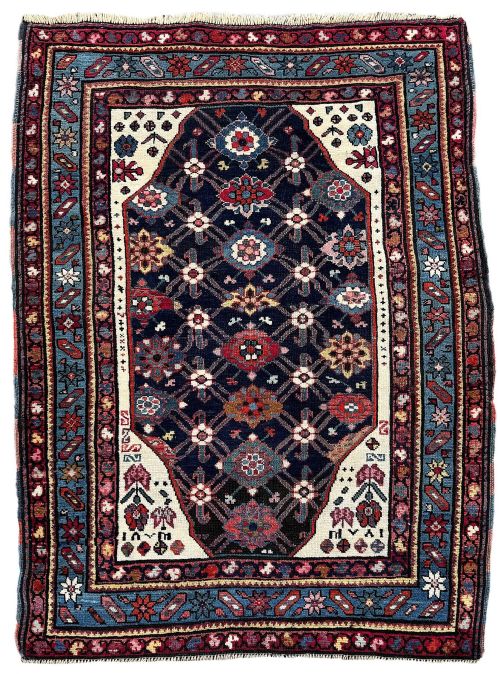
The most common examples on this page include Persian workshop carpets from centres like Sultanabad and Fereghan alongside Caucasian prayer rugs and Uzbek embroidered textiles. These pieces display distinct regional interpretations of floral design, ranging from geometric lattice patterns to sprawling naturalistic vines.
What varies in quality
The standard of a piece depends heavily on the fineness of the weave, the clarity of the botanical drawing, and the depth of colour achieved through natural dyes. Superior examples exhibit balanced proportions and confident execution in every floral motif.
Material selection also dictates quality, with tightly spun wool and pure silk yielding durable surfaces that retain crisp detail. Pieces displaying harmonious colour palettes and intact borders command greater appreciation among collectors.
Object types span rugs and carpets, runner rugs, flat-woven kilims, embroidered textiles, and tapestries dating from the 1850s onward.
The 19th Century Floral Rug Glossary
- Suzani
- An embroidered tribal textile from Central Asia, typically featuring bold floral motifs on a cotton or silk ground. These decorative covers were traditionally made as part of a bride's dowry.
- Kilim
- A flat-woven carpet or rug produced without a pile by tightly interweaving warp and weft threads. This technique creates a lightweight textile with flat surfaces on both sides.
- Kelleh
- A large rectangular format of Persian carpet, typically longer than a standard room rug but narrower in width. These formats were designed to fit specific architectural spaces in traditional homes.
- Prayer rug
- A small rug featuring a mihrab or arch design at one end, oriented toward Mecca during daily prayers. These pieces often incorporate delicate floral lattices and lamps within the central field.
- Applique
- A needlework technique where pieces of fabric, such as felt or silk, are stitched onto a larger foundational ground to build up a design. This method appears frequently in regional Rasht embroidery.
19th Century Floral Rug: Frequently Asked Questions
How do I clean a vintage rug?
Professional specialist cleaning is essential for antique textiles to protect delicate natural dyes and aged wool foundations. Regular gentle vacuuming without a beater bar helps remove surface dust between professional treatments.
Avoid using domestic carpet cleaners or submerging antique pieces in water, as excessive moisture can cause bleeding and structural damage.
Can I place these rugs in high traffic areas?
Sturdier wool carpets and heavy village rugs tolerate moderate foot traffic when placed over a quality underlay. Placing them in lower traffic zones or using them as wall hangings preserves more delicate silk and embroidered pieces.
Rotating the textile periodically ensures even wear across the surface over the years.
How do I identify regional styles?
Regional attribution relies on examining specific design vocabularies, knotting structures, and colour palettes unique to weaving centres. Persian pieces often feature curvilinear floral vines, while Caucasian rugs lean toward geometric lattice interpretations.
Consulting reference literature and comparing structural details helps distinguish between workshops like Sultanabad and Fereghan.
What is the difference between a rug and a suzani?
Rugs are typically heavy, pile-woven or flat-woven floor coverings designed to withstand foot traffic and insulate rooms. Suzanis are lightweight embroidered textiles stitched with silk threads onto fabric grounds, created as decorative wall hangings or covers.