



19th Century Equine Art
These works of 19th century equine art capture horses, jockeys and rural scenes in oil and watercolour.
19th Century Equine Art
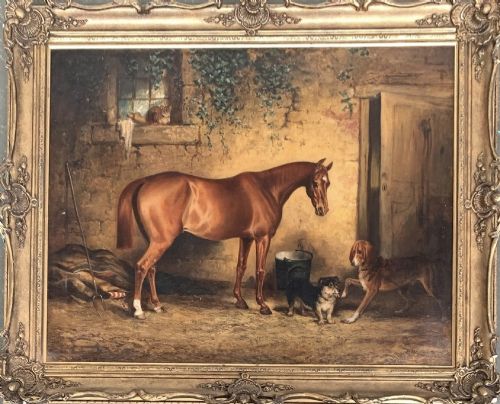
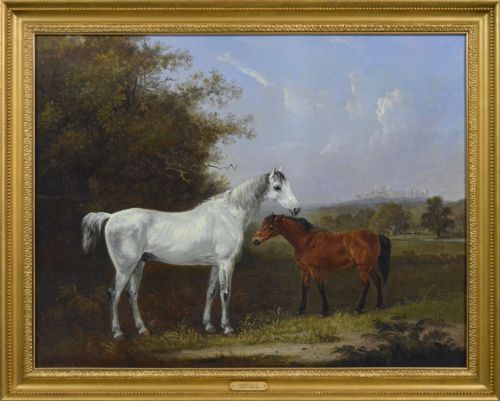
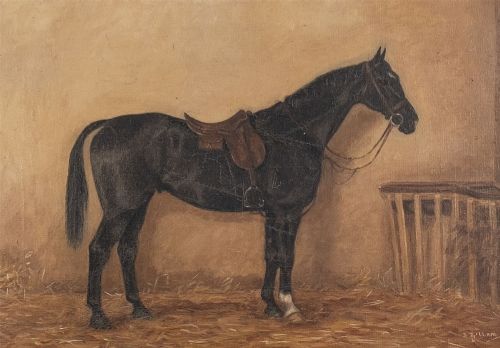
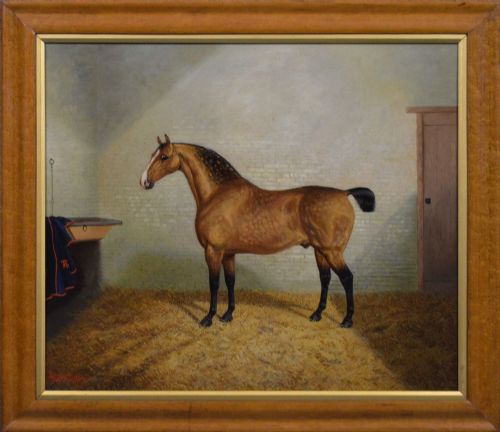
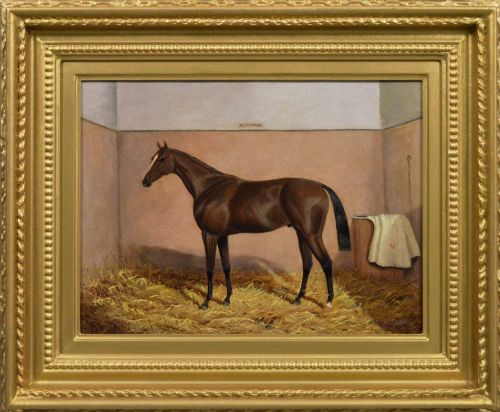
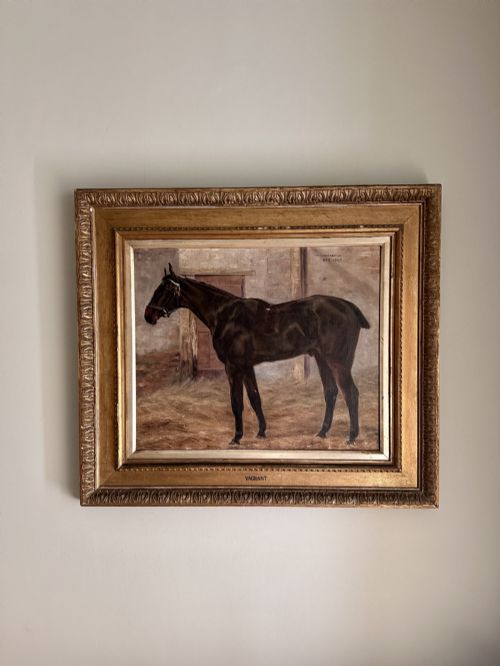
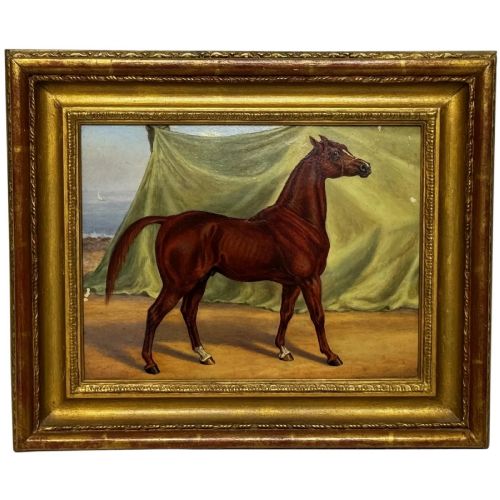
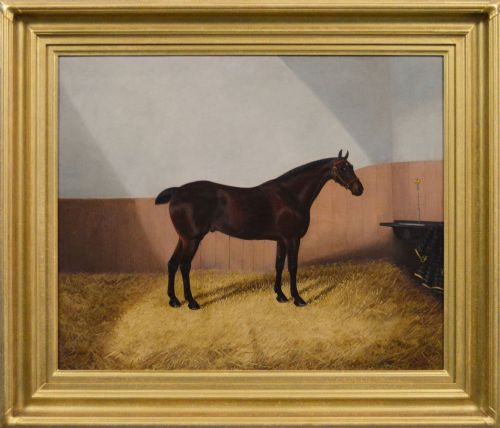
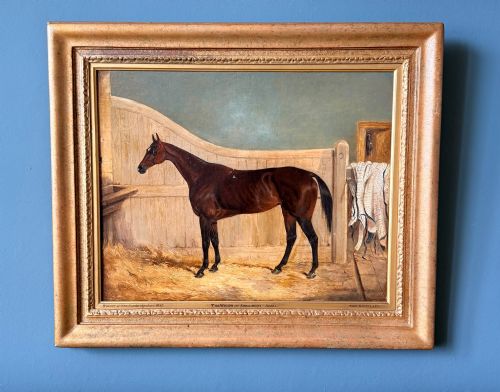
When you search for 19th century equine art, you encounter oil paintings, watercolours and sculptures depicting horses in stables, landscapes and racing settings. The versions most commonly met on this page are oil paintings on canvas, frequently housed in giltwood frames.
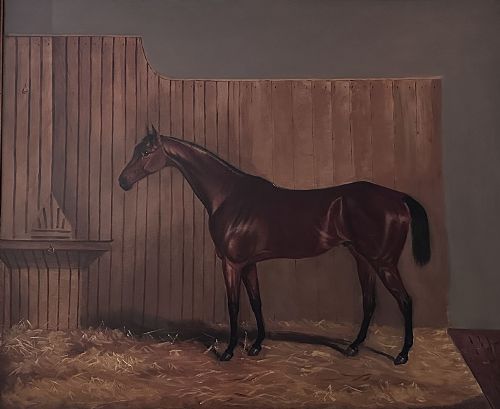
The subjects range from individual portraits of named racehorses and hunters to broader sporting scenes involving grooms, jockeys and agricultural ploughmen. Pieces span the Regency, Victorian and late nineteenth century periods, reflecting both British and colonial settings.
Makers and artists of the era documented specific animals for owners, estates and racing clubs, creating a visual record of thoroughbreds, ponies and draught horses. These works function as both fine art and historical documents of equestrian culture.
Materials and methods
Artists of this period primarily utilised oil paint on canvas or watercolour on paper to capture the musculature, coats and expressions of horses. Canvas supports were stretched over wood frames and frequently enclosed within ornate giltwood frames finished with gold leaf.
Sculptural works from the era employed bronze or bronzed metal to render dynamic equine forms in the round. Watercolours on paper relied on careful washes and fine brushwork to depict animals and rural landscapes in smaller formats.
At least one nineteenth-century watercolour captures a young foal caught in the act of stealing fruit from a basket.
Distinctions in execution
Quality in these works rests upon the artist's anatomical accuracy in rendering the horse, particularly the proportions of the legs, head and torso. Superior pieces convey the specific character and musculature of the animal rather than a generic silhouette.
The handling of light, texture in the coat and background landscape detail differentiates standard decorative works from accomplished fine art. Framing also contributes, as period giltwood frames that retain their original gold leaf elevate the piece.
Henry Barraud·Albert Clark·Fred Fitzpatrick·Thomas Walker Bretland·John Ferneley Senior·George E Sharpe·Eugene Joseph Verboeckhoven·John Frederick Herring·Helena Maguire·Benjamin Cam Norton·Clifton Tomson·Alfred Moginie Bryant·Abraham Cooper·Paul Jones·Charles Bilger Spalding·George Goodwin Kilburne·Walter Duncan·John Nost Sartorius·Edward Lloyd·James Barenger·Thomas Worth·George Cole·John Parker Davis
The 19th Century Equine Art Glossary
- Giltwood
- Wood carved and coated with gold leaf or metallic paint. This material forms the decorative surrounds for many period oil paintings.
- Hunter
- A horse bred and trained for fox hunting or general riding. These animals appear frequently in rural and landscape portraits.
- Stable portrait
- An artwork depicting a horse inside its stable interior. This specific genre highlights the animal alongside architectural elements and feeding troughs.
- Watercolour
- A painting method using water-soluble pigments on paper. These works offer a lighter alternative to heavy oil paintings.
- Sporting art
- A genre dedicated to depictions of rural sports, racing and animals. It forms a core category among nineteenth-century paintings.
19th Century Equine Art: Frequently Asked Questions
What subjects appear in nineteenth century horse paintings?
Paintings from this era show named racehorses, hunters in stables, horses with grooms, and agricultural scenes involving ploughmen. Many works record specific animals owned by prominent figures or victorious in regional races.
Landscapes and coastal views also provide the backdrop for ponies, cart horses and hounds. The focus remains closely tied to rural life, sport and the equestrian interests of the period.
How do I identify the period of an equestrian artwork?
Dating relies on signatures, artist lifespans, costume details of the jockeys or grooms, and the style of the frame. Victorian works often display specific registration marks or exhibition labels on the reverse of the canvas.
Clothing styles of figures accompanying the horses provide clues, as do specific race titles recorded in the titles or inscriptions. Comparative analysis with documented works by artists of the period confirms the timeframe.
Are these paintings executed in oil or watercolour?
The majority of pieces listed are oil paintings on canvas, which allowed artists to build rich layers of colour and texture. Watercolours on paper also feature, offering a more delicate medium typically used for smaller studies.
Sculptures cast in bronzed metal represent a third format within the medium. Each material requires distinct care regarding humidity and light exposure.
Where were these equine artworks originally displayed?
Original owners hung these paintings in country houses, estate offices, racing clubs and sporting lodges. They served to celebrate prized livestock, commemorate race victories, or document agricultural working animals.
Today, they suit studies, living rooms and hallways, pairing well with traditional or transitional interiors. Their neutral earth tones make them adaptable to various wall colours.