


Antique Stable Interior Art
Antique stable interior art captures the character of nineteenth century equestrian life, offering rich oil paintings that collectors prize for their atmospheric portrayal of horses.
Antique Stable Interior Art
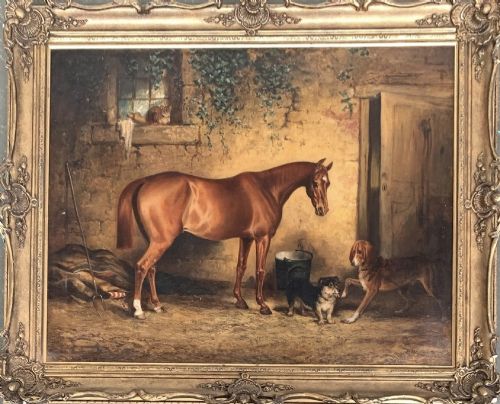
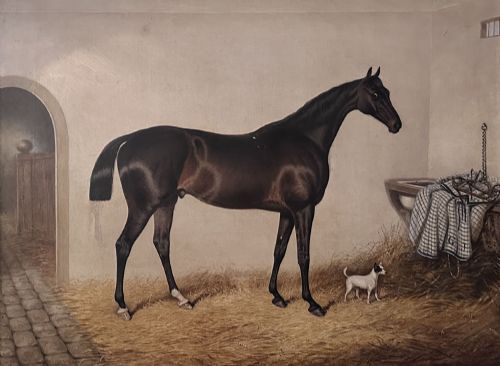
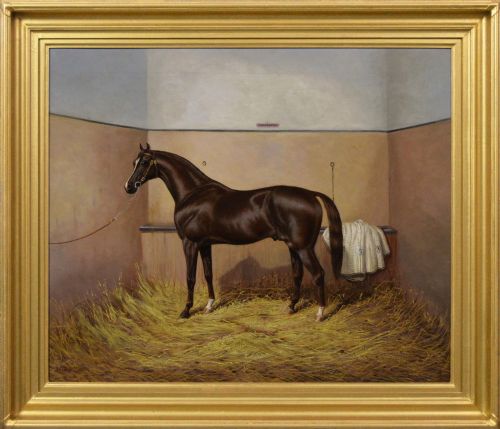
When you search for antique stable interior art, you are looking at nineteenth century works depicting horses within traditional stable settings. These oil paintings span the Victorian period and earlier decades, capturing equine subjects alongside grooms, dogs, and architectural details.
You are most likely to meet Victorian oil paintings on canvas or board, often framed in gold leaf or oak. The subjects range from named racehorses and hunters to broader sporting animal scenes created in the manner of established artists.
How these pieces were made
These works were produced using oil paint applied to canvas or wood board. Painters built up the composition through careful layering of pigment to achieve depth in the horses' coats and the dim interior surroundings.
Frames were constructed from wood such as oak and frequently finished with gold leaf or gilt. This traditional framing protected the canvas while complementing the dark, warm tones typical of nineteenth century equestrian art.
The site listings show materials restricted to oil paint, canvas, wood, oak, gold leaf, and gilt across the nineteenth century.
What varies in quality
Quality rests primarily on the artist's ability to render the anatomy and expression of the horse convincingly. Works by named painters or those associated with specific circles display superior handling of light within the stable.
The sophistication of the background composition and the condition of the original oil paint and canvas also distinguish finer examples. Superior pieces maintain rich textures and harmonious colour balances across the entire scene.
Albert Clark·Benjamin Cam Norton·Edwin Frederic Holt·Charles Bilger Spalding RA·John Nost Sartorius·John Ferneley Jnr·William Shayer Snr
The Antique Stable Interior Art Glossary
- Oil on Canvas
- A traditional painting medium where oil paint is applied to a woven fabric surface stretched over a wooden frame. This combination allows for subtle blending of tones.
- Gilt
- A thin layer of gold applied to wood framing to provide a decorative metallic surface. It enhances the visual weight of the presentation.
- Hunter
- A type of horse bred for fox hunting, frequently depicted in nineteenth century sporting art. These animals possess sturdy conformation suited for field sports.
- Roan
- A coat colour pattern in horses featuring white hairs mixed uniformly with darker hairs. This coloration appears in specific nineteenth century equine portraits.
Antique Stable Interior Art: Frequently Asked Questions
What is antique stable interior art?
These pieces are nineteenth century oil paintings that portray horses inside traditional stable environments. They often include figures such as grooms or companion animals like terriers.
Collectors prize them for their historical record of Victorian equestrian culture and sporting life. The focus remains on the individual character and conformation of the horse.
Who painted these stable scenes?
A range of professional painters and sporting artists created these works during the Victorian era and the nineteenth century. Some pieces are attributed to known masters or painted in the manner of prominent practitioners.
Signatures or attribution help identify the specific hand behind the work, though many period pieces remain unsigned yet display high technical skill.
How do I date these paintings?
Dating relies on stylistic evidence, artist attribution, framing materials, and nineteenth century clothing or tack visible in the composition. References to the Victorian period or specific decades provide a reliable timeframe.
The use of oil paint on canvas or board alongside traditional gold leaf framing points directly to nineteenth century manufacturing methods.
Where should I hang these artworks?
These paintings suit traditional studies, libraries, or living spaces where dark wood furniture and classic decor complement the rich tones. They benefit from placement away from direct sunlight to protect the oil pigments.
Pairing them with period frames enhances their historical presence within a room, echoing the aesthetic of nineteenth century country houses.