
19th Century English Cabinet
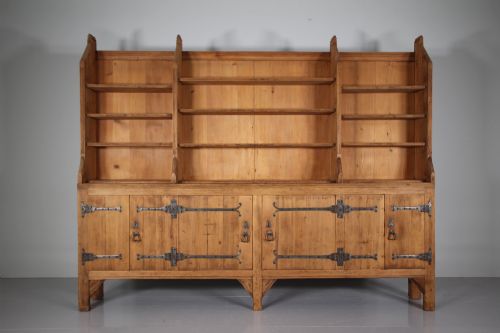
A 19th century English cabinet brings both functional storage and period craftsmanship into a room.
19th Century English Cabinet
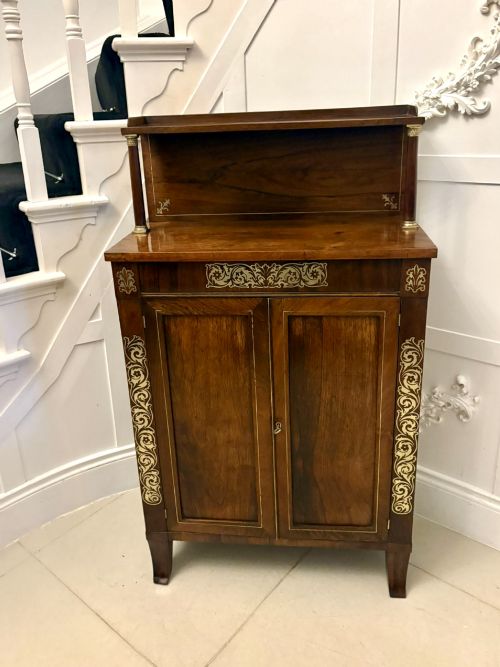
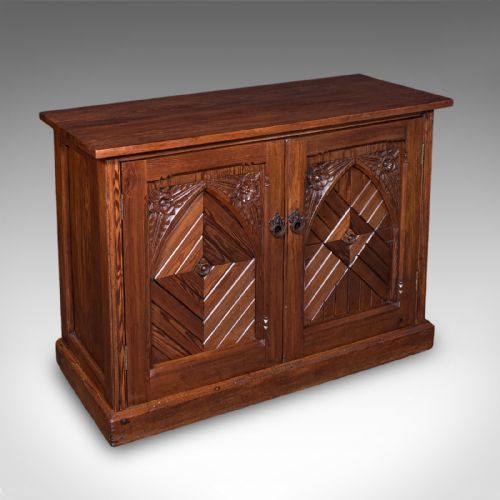
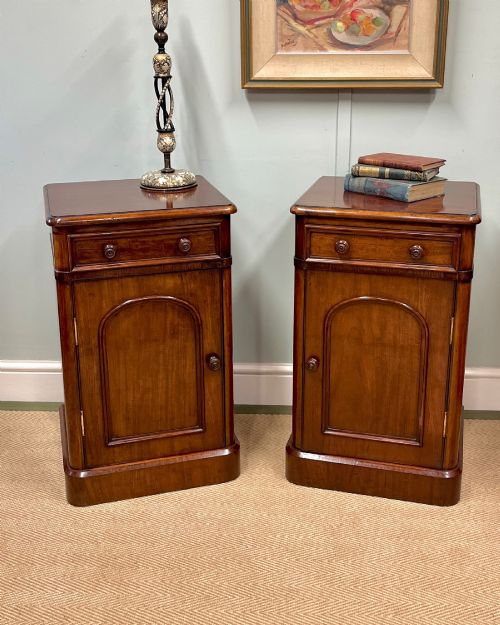
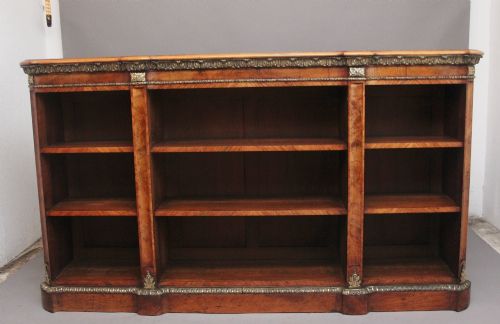
A 19th century English cabinet encompasses a wide variety of storage and display furniture originating from the Georgian, Regency, William IV, and Victorian periods. Buyers encounter forms ranging from tall library bookcases and display cabinets to compact bedside pieces, wall-mounted spice cabinets, and open side cabinets.
The woods utilised in these pieces reflect the prevailing tastes of the 1800s, featuring durable oak and pine alongside richly figured mahogany, walnut, rosewood, and pollard oak. Many examples incorporate glass panels for display purposes or feature specialised interiors such as apothecary drawers and secretary desks.
Materials and Construction Techniques
Cabinetmakers of this era relied heavily on solid hardwoods like mahogany and oak, often applying decorative veneers such as flame mahogany or pollard oak to prominent surfaces. Structural integrity relied on traditional joinery methods, including dovetail joints for drawers and mortise and tenon frames for doors and carcasses.
Decorative embellishments frequently included hand-carved details, brass mounts, or inlaid contrasting woods like ebony. Surface finishes typically involved hand-applied polish or wax, which protected the timber while highlighting the natural grain patterns.
Listings feature oak, mahogany, walnut, and pine across Georgian, Regency, and Victorian periods.
Factors Affecting Quality
Quality in these pieces is dictated by the selection of timber and the precision of the construction. Superior examples display carefully matched wood veneers, tight joinery, and original brass hardware or locks.
The presence of maker attribution, specialised internal fittings, and unaltered original surfaces elevate a piece. Lesser examples exhibit coarser timber selection, replaced hardware, or heavy alterations to the original structure.
Johnstone and Jeanes·Maple and Co.·Gillows·Marsh and Tatham
The 19th Century English Cabinet Glossary
- Flame mahogany
- A decorative mahogany veneer cut from the fork of the tree, producing a distinctive flickering, flame-like pattern. It was frequently utilised on the primary facade of high-status furniture.
- Secretary
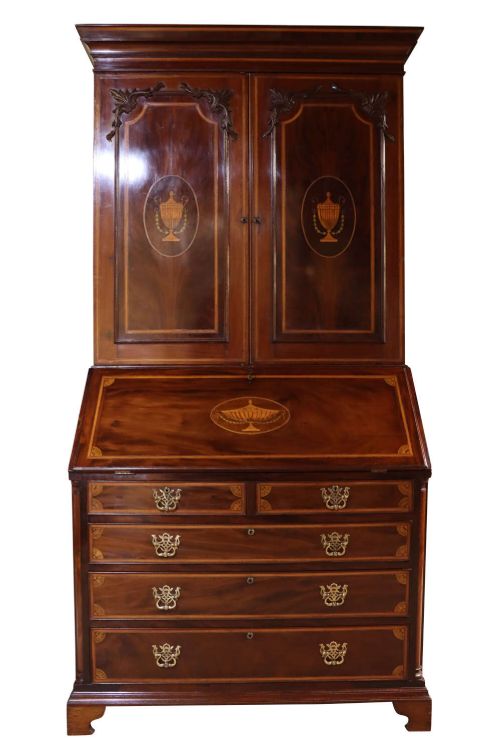
- A piece of furniture incorporating a writing flap or fall-front desk drawer combined with bookcase or cabinet storage above. This dual-purpose form was popular throughout the Georgian and Victorian eras.
- Parquetry
- A geometric mosaic of wood pieces used for decorative veneer on furniture surfaces. Craftsmen arranged contrasting timbers to create complex patterns on cabinet doors and tops.
- Chiffonier
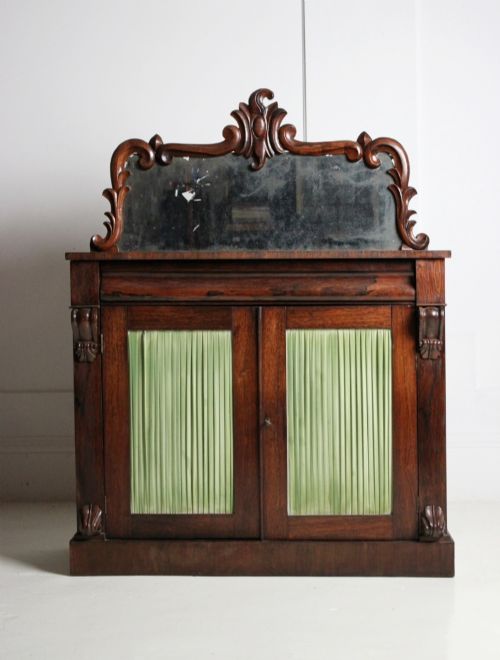
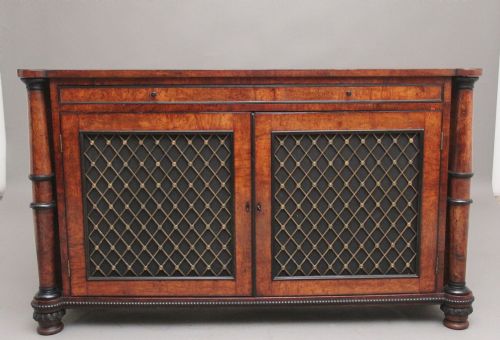
- A low sideboard or cabinet developed during the Regency and early Victorian periods, usually fitted with doors enclosing shelves and sometimes surmounted by a small shelf tier.
19th Century English Cabinet: Frequently Asked Questions
Where were these cabinets placed in a Victorian home?
These storage pieces served different functions depending on their specific form and room placement. Large bookcases and display cabinets stood in libraries and drawing rooms to hold literature and decorative collections.
Smaller side cabinets, bedside units, and corner cupboards were utilised in bedrooms and parlours for everyday utility and personal storage.
How do I identify the wood used?
Identifying the primary timber requires examining the grain patterns, colour, and weight of the cabinet. Mahogany and walnut exhibit deep brown tones with prominent figuring, whereas oak displays a coarser texture with characteristic medullary rays.
Secondary woods like pine are frequently found on internal drawer linings and the backs of pieces that were not intended to be seen.
Are original keys common on these cabinets?
Original working locks and matching keys appear on select pieces from this era, particularly those designed for securing valuables or documents like apothecary and spice cabinets. Many surviving examples retain their authentic brass or iron hardware.
Replacement locks and keys are also frequent due to the long functional history of these items.
How should I care for a 19th century wood cabinet?
Maintaining antique timber involves keeping the piece away from direct heat sources and fluctuating humidity levels to prevent wood splitting or veneer lifting. Regular dusting with a soft, dry cloth preserves the finish.
Occasional application of traditional beeswax helps nourish the wood and maintain its natural lustre without building up heavy residue.