



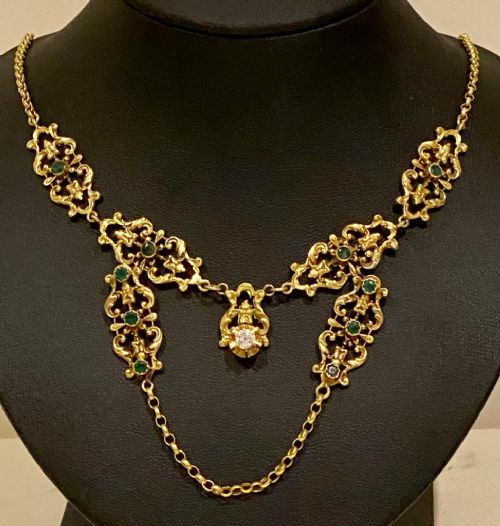
19th Century Diamond Pendant
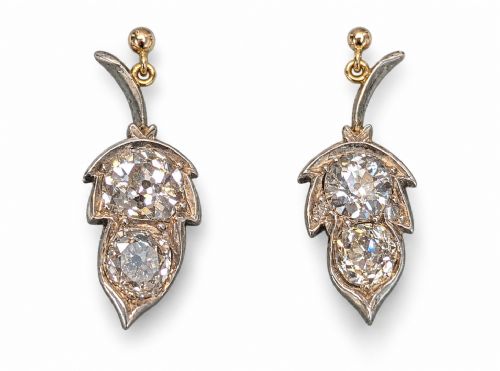
These nineteenth century diamond pendants are fine Victorian jewels designed to catch candlelight and daylight alike.
19th Century Diamond Pendant
A 19th century diamond pendant embodies the ornate jewellery design of the Victorian era, spanning specific periods like the 1860s and 1880s. Buyers searching this phrase look for authentic historical pieces that often double as brooches, offering versatile ways to wear antique gemstones.
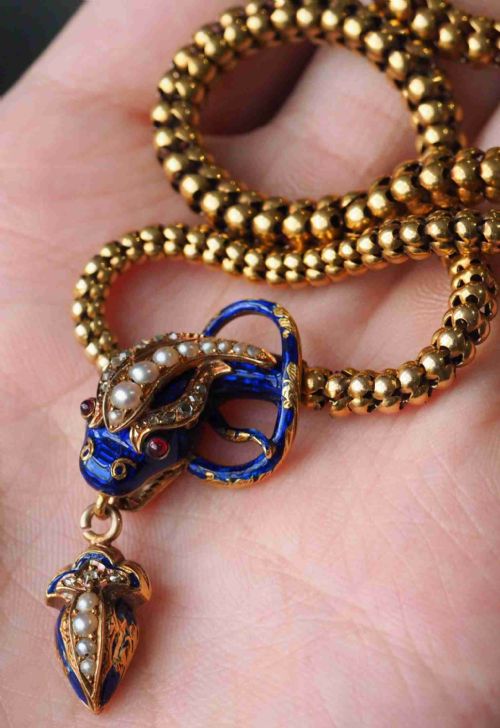
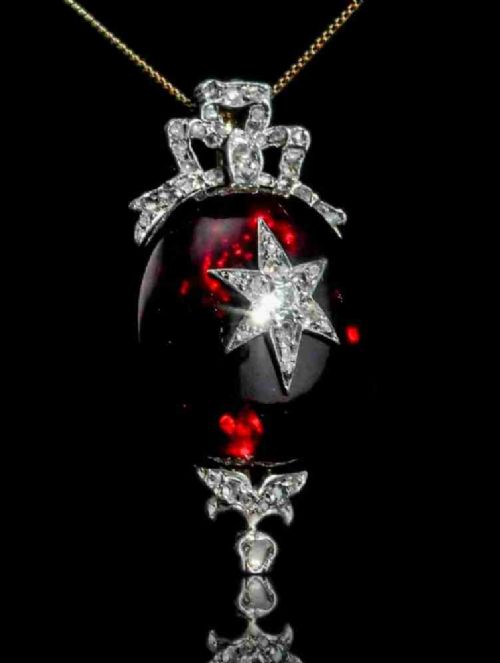
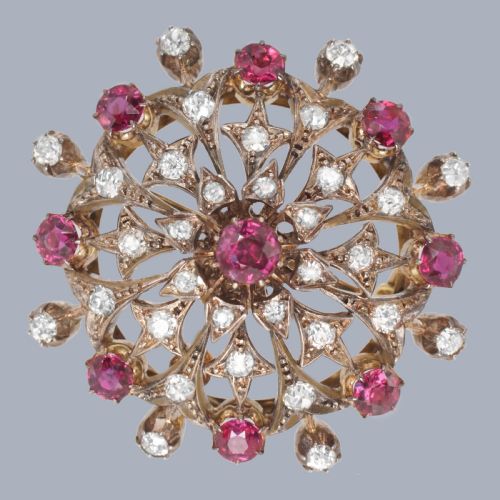
The selections available typically combine old cut diamonds with precious metals, and many examples incorporate other stones such as rubies, sapphires, garnets, turquoise, emeralds, and pearls. Alongside traditional necklaces and pendants, one frequently encounters convertible pendant brooches designed for dual use.
The forms vary from floral acanthus motifs and star bursts to figurative subjects like snakes, flies, turtles, and bows. Regional influences also appear, including French craftsmanship and distinctive styles such as Victorian Egyptian Revival.
Materials and Construction
Craftsmen of the period predominantly set diamonds in silver mounted over gold, a technique that preserved a bright white backdrop for the stones while utilising the strength of gold underneath. Metals span 9K, 12K, 14K, 18K yellow gold, and platinum, frequently paired with dark enamel or natural pearls.
Stones feature old cut diamonds shaped by hand rather than modern machinery, giving them deep facets that glow softly in low light. Settings are meticulously handcrafted, joining delicate wirework, collet mounts, and convertible mechanisms that allow brooches to transform into pendants.
You can pin a diamond-eyed fly, turtle, or serpent to your lapel before converting it into a necklace for the evening.
Assessing Quality and Merit
Quality rests upon the proportion and brilliance of the old cut diamonds, the subtlety of the metalwork, and the overall integrity of the convertible mechanisms. Superior pieces maintain their original settings and stone arrangements without intrusive modern repairs.
The 19th Century Diamond Pendant Glossary
- Old Cut
- A diamond cut by hand popular in the nineteenth century, characterised by a smaller table, higher crown, and open culet. These stones produce a distinctive, softer scintillation under artificial light.
- Convertible Pendant
- A piece of jewellery engineered with hidden loops, bails, or detachable pins so it functions equally as a brooch pinned to fabric or a pendant suspended from a chain.
- Silver Topped Gold
- A method where a thin layer of silver is soldered to a gold backing, allowing stones to be set in white metal while the underlying gold provides structural durability and prevents tarnishing against the skin.
- Egyptian Revival
- A design style inspired by archaeological discoveries in Egypt, translating motifs like scarabs, sphinxes, and stylized flora into gold, turquoise, and enamel jewellery during the Victorian period.
- Acanthus
- A classical ornamental motif based on the leaves of the acanthus plant, rendered in swirling chased gold or engraved metalwork across Victorian pendants and brooches.
19th Century Diamond Pendant: Frequently Asked Questions
How do I wear a convertible pendant brooch?
These versatile jewels feature a pin mechanism on the reverse alongside a hidden loop or bail for a chain. You simply tuck the pin safely behind the frame when hanging it from a necklace, or use the pin to secure it to a lapel.
Many Victorian pieces were built this way to give the owner multiple styling options depending on the occasion and the garment worn.
Are these diamonds certified?
Certain pieces come with formal gemological reports, particularly those featuring significant carat weights or exceptional coloured stones like Burma rubies. These reports verify the origin and characteristics of the primary gems.
Listings will explicitly state when a gem report accompanies the pendant or brooch.
What is Victorian Egyptian Revival jewellery?
This distinct style emerged following widespread archaeological excavations and public fascination with ancient Egypt during the nineteenth century. Pendants from this movement often incorporate turquoise, enamel, and symbolic motifs.
They represent a specific cultural shift towards exoticism in Victorian design.