


Antique Silver Topped Pendant
An antique silver topped pendant combines rich metalwork with diamonds and glass across Georgian, Victorian, and Edwardian periods.
Antique Silver Topped Pendant
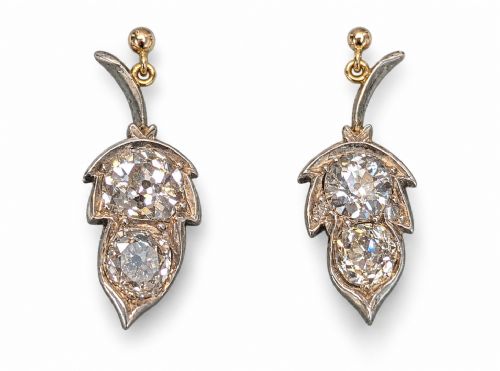
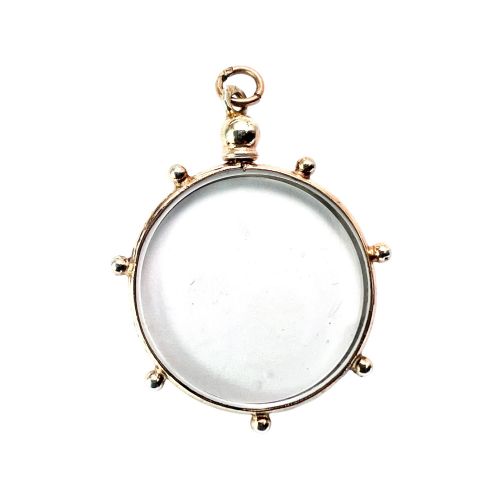
An antique silver topped pendant encompasses diverse forms from the Georgian, Victorian, and Edwardian eras, including convertible brooch pieces and screw locket designs. Buyers seeking an antique silver topped pendant will frequently encounter diamond settings paired with gold, brass, or glass components.
The selections span from 19th century star brooches and teardrop earrings to intricate necklaces and fly convertible pendants originating from France and Britain. These jewels often incorporate hand-blown glass or labradorite alongside traditional gemstones.
How they were made
Maker construction methods unite silver and gold, frequently mounting diamonds directly into silver settings over gold bases to preserve a bright, reflective surface against the skin. Hand-blown glass and paste also appear within these structured frames.
Techniques range from intricate old-cut diamond clusters in star brooches to specialised screw locket housings designed to secure personal mementos safely inside.
Listings feature items from the Georgian, Victorian, and Edwardian periods, utilising silver, gold, diamonds, and hand-blown glass.
What varies in quality
Quality separates through the precision of the gemstone cutting and the integrity of the mixed metal settings where silver meets gold. Old-cut diamonds and well-preserved glass components distinguish finer examples.
The sophistication of convertible mechanisms, such as those transforming a brooch into a pendant, also dictates the overall craftsmanship level of the piece.
The Antique Silver Topped Pendant Glossary
- Silver topped
- A manufacturing method where a silver layer faces the front to hold stones while a gold backing provides structural strength and prevents tarnishing against clothing.
- Old cut
- An early diamond facet style featuring smaller tables and higher crowns, designed to catch candlelight rather than modern electrical illumination.
- Paste
- Hand-cut lead glass used as a diamond substitute in historic jewellery, valued for its own specific refractive properties and historical significance.
- Locket pendant
- A hinged jewellery compartment designed to hold miniature portraits or locks of hair, combining decorative gemstones with functional utility.
- Convertible pendant
- A versatile piece featuring hidden loops or removable pins that allow the item to transition between a brooch and a necklace ornament.
Antique Silver Topped Pendant: Frequently Asked Questions
What is a silver topped pendant?
A silver topped pendant is a piece of jewellery where silver forms the front face to securely hold diamonds or other stones while gold or another metal forms the reverse.
This technique was widely utilised during the Georgian, Victorian, and Edwardian periods to give the bright appearance of silver without risking tarnish directly against clothing.
How do I care for my pendant?
Care requires keeping antique silver and gold settings away from harsh chemicals, moisture, and abrasive cleaning cloths that could damage the delicate metalwork.
Store each pendant individually in a lined box to protect old-cut diamonds, paste, and hand-blown glass elements from accidental impact.
Are these pendants convertible?
Many examples from the nineteenth century are designed with removable fittings or hidden loops that allow the item to function as both a brooch and a necklace pendant.
This versatility was common in Victorian and Edwardian high jewellery, letting the wearer adapt a single piece for different formal occasions.
What periods do these pieces span?
The pieces span across the Georgian, Victorian, and Edwardian eras, covering the eighteenth, nineteenth, and early twentieth centuries.
Stylistic shifts across these decades moved from early hand-cut stones in Georgian settings to elaborate French and British designs incorporating labradorite and opal.